

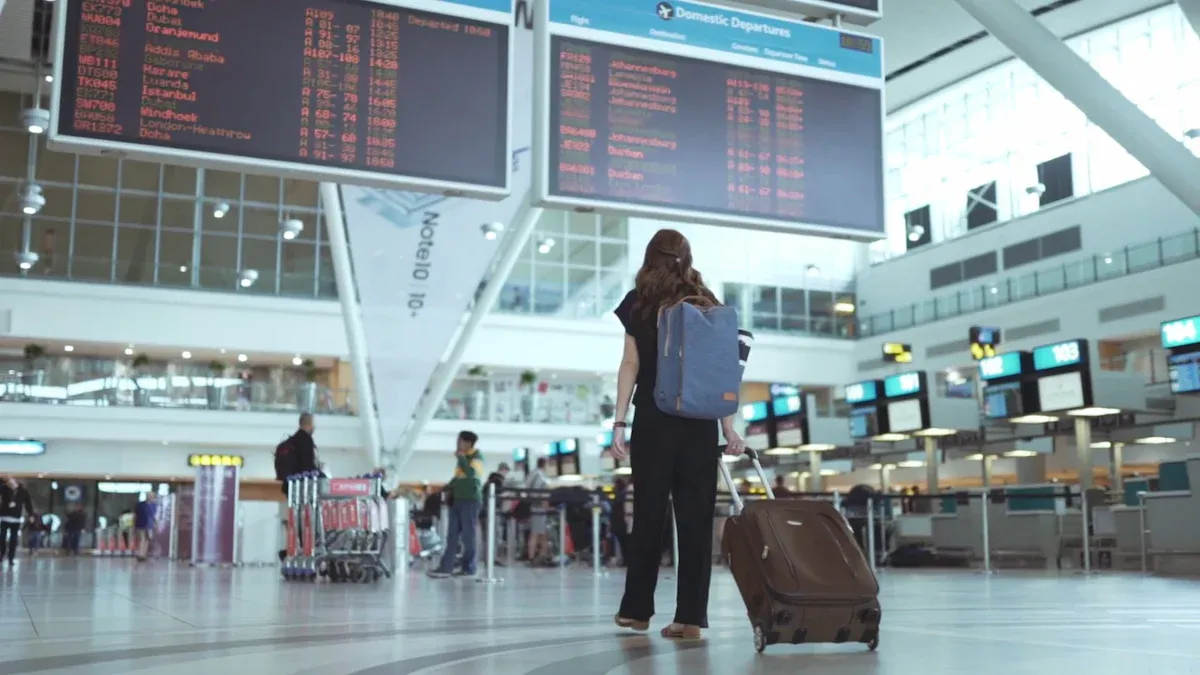
I believe everyone desires safe and enjoyable travel experiences. This holds true whether you embark on solo travel or explore with a group. While travel is enriching, I know being prepared for potential risks is crucial for peace of mind. For instance, motor vehicle crashes are a leading cause of non-natural deaths for U.S. citizens abroad.
Drowning also accounts for a significant number of tourist fatalities. I want to empower you with essential travel safety tips. This post provides 15 actionable solo travel safety and general safety measures for all types of travel. We focus on proactive steps for your personal safety. Your travel should be worry-free.
Pre-Trip Planning: Essential Travel Safety Tips
Research Your Destination
I always start my travel planning by researching my destination. This is one of the most important travel safety tips. I want to understand the local environment. I look for common safety concerns for travelers. These can include global events, terrorism risks, or high-risk areas.
Personally, I also research local scams. Crime is a concern in many places. I check for rising crime rates or increased security risks. Organized crimes, vehicle theft, and robbery can happen. General theft and scams are common in tourist areas. I use reliable sources for safety advisories.
These include the U.S. Department of State (travel.state.gov) and the Centers for Disease Control (cdc.gov/travel). I also check the UK Foreign, Commonwealth & Development Office (FCDO) or Smartraveller. This research helps me prepare for my travel.
Share Your Itinerary
I always share my travel itinerary with trusted contacts at home. This is a crucial safety measure. It provides enhanced safety. My contacts can offer immediate assistance if I get lost or face health issues. This gives peace of mind to my loved ones. They know my whereabouts.
Real-time location data can help authorities find me faster in an emergency. This is especially important for solo travelers. It provides a vital safety net. Someone always knows my location. This simple step adds a layer of safety to my travel.
Secure Travel Insurance
I always secure comprehensive travel insurance before I leave. This is a non-negotiable part of my travel safety plan. Travel insurance covers many incidents. These include emergency evacuation and medical repatriation. It also covers trip cancellations and emergency medical care.
Baggage loss, theft, and delay coverage are also common. I look for well-rounded benefits. These include Emergency Medical and Medical Evacuation. I ensure high coverage limits. For international travel, I recommend at least $50,000 for Emergency Medical. I also look for $100,000 for Medical Evacuation. I choose a reputable provider. This ensures good customer service.
Digitize Important Documents
I digitize all my important travel documents. This is a smart safety practice. I scan documents and store electronic copies securely. I upload them to a secure cloud service. Google Docs is one option. Some digital storage options offer secure sharing.
They control access and download permissions. I ensure the service uses strong encryption. Multi-factor authentication is also important. This protects against cyberattacks. I also share digital copies with a trusted family member at home. This way, I have access to my documents even if I lose my physical copies.
Learn Basic Local Phrases
I learn basic local phrases for my destination. This is a simple but effective travel safety tip.
I focus on emergency phrases. These include “Help!” or “Emergency!”. I also learn “Please call a doctor” or “Please call the emergency.” Knowing “I’m at…” is helpful for emergency responders. I also learn “I’m allergic to…” if I have allergies. Kate McCulley advises knowing basic medical phrases.
Pack Smart and Light
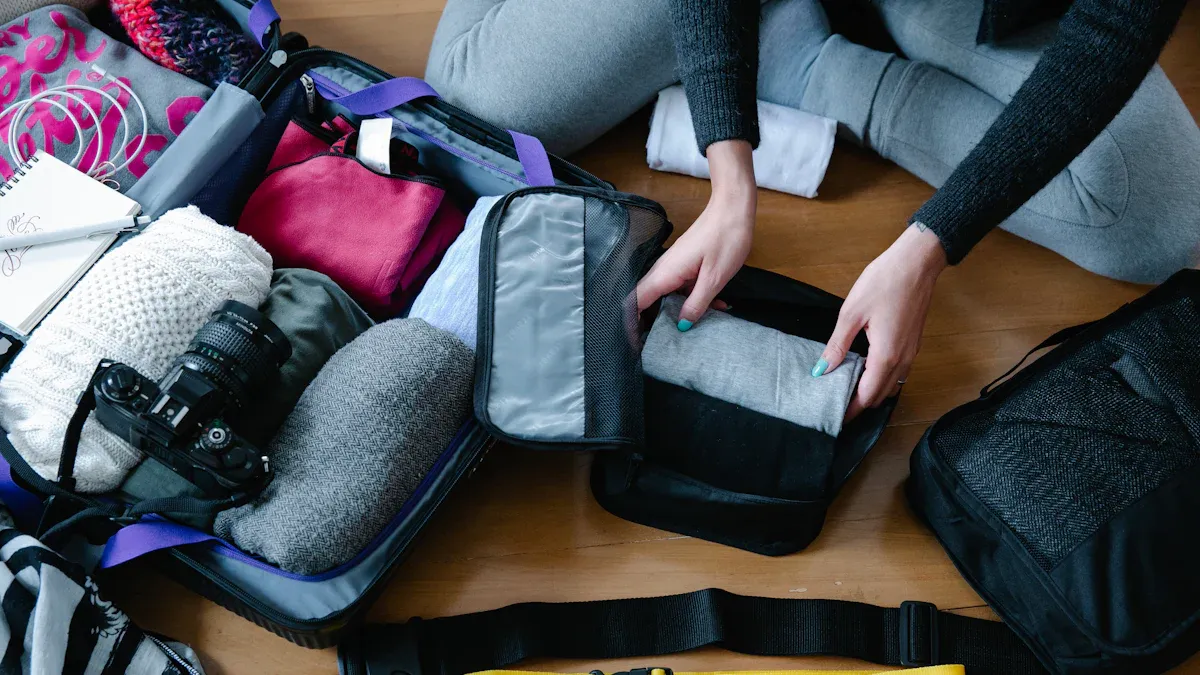
I pack smart and light for every trip. This improves my safety and convenience. Packing light reduces physical burden. I avoid becoming exhausted. This makes my travel more enjoyable. It also makes me less of a target for thieves. Travelers with a lot of luggage often appear distracted.
They are prime targets for opportunist thieves. Packing light allows me to be more aware of my surroundings. I am less vulnerable. This simple choice enhances my overall safety.
On-the-Go: Prioritizing Your Personal Safety
Stay Aware of Surroundings
When I am actively traveling, I prioritize my personal safety by staying aware of my surroundings. This is a crucial part of my travel safety tips. I always monitor the baseline. I observe what things look, sound, and feel like when nothing unusual happens. This helps me recognize deviations. These deviations might indicate a threat. I also fight normalcy bias.
I challenge the tendency to ignore potential dangers. I treat every disturbance as a potential threat. This helps me develop my assessment skills. I avoid focus locks in transition areas. I minimize distractions, especially from my smartphone. This is important when I move through unfamiliar spaces. Distractions can impair my ability to perceive my surroundings. I practice street smarts. I always look around me. I avoid lonely dark streets. I research local scams to recognize them. I also research ways to avoid pickpockets.
Protect Your Valuables
I always protect my valuables. This is a key aspect of personal safety. I avoid wearing flashy jewelry. I am discreet with cash. I keep an eye on your belongings at all times. I obtain extra insurance coverage for valuable items. This includes jewelry or camera gear. I keep a detailed list of valuables. This includes make, model, cost, and receipts.
This helps with potential insurance claims. I implement digital safeguards for my devices. I use strong passwords and lock codes. I enable two-factor authentication for accounts. I regularly back up my data. I maintain both digital and physical copies of important documents. These include passports and credit cards. This makes replacement easy if they are lost or stolen. I practice street smarts to avoid being a target.
Use Reputable Transportation
I always use reputable transportation options. This is vital for my safety. Rideshare services often claim to be booking services. They try to avoid regulatory requirements. This means they might avoid liability for injuries. They can bypass mandates for driver training. They also bypass commercial insurance coverage. Passengers might not receive adequate compensation for medical bills. Drivers might be distracted by GPS gadgets.
They might not have the same training as licensed chauffeurs. This increases accident risks. I always choose licensed taxis or well-known ride-sharing services. I confirm the driver and vehicle match the app details. I avoid following strangers into unmarked cars.
Stay Connected and Charged
Staying connected and charged is essential for my travel safety tips. I use a local or international SIM card. This lets me use my phone abroad without high home carrier rates. eSIMs are a digital alternative. They allow me to manage multiple plans. I check with my current carrier for international plans. For remote areas, satellite internet offers competitive speeds.
I book accommodations with Wi-Fi. I carry a power bank. This recharges my smartphone on the go. I optimize apps for improved battery life. I keep my device cool. I turn off Google Assistant. I download everything I need before my trip. I turn off GPS when not needed. I use Wi-Fi instead of cellular data when available. This helps me stay safe and in touch.
Be Mindful of Food and Drink
I am always mindful of what I eat and drink. This prevents food and waterborne illnesses. As many as 40 percent of travelers experience traveler’s diarrhea. This typically lasts 3-5 days. It causes cramps, bloating, and nausea. Other illnesses include Hepatitis A, Hepatitis E, Typhoid Fever, and Cholera. I follow guidelines for safe food and drink consumption. Regulations vary by country.
I check the local food safety standards. I avoid street food that looks questionable. I drink bottled water. I avoid ice in drinks. I ensure food is cooked thoroughly. This helps me maintain my safety and health during travel.
Trust Your Gut Instincts
I always trust my gut instincts. This is a powerful tool for personal safety. My intuition often warns me of potential danger. I remember a pilot who ignored his gut feeling. He barely cleared trees during takeoff. Another pilot landed her plane due to a gut feeling about an engine problem. Mechanics found nothing wrong. Her decision to land was correct for safety. I once left Paris before a major transportation strike.
My intuition prevented significant travel disruption. During the COVID-19 pandemic, I changed my flight to an earlier date. This allowed me to return home before widespread shutdowns. Listening to my inner voice has often prevented travel incidents. I practice street smarts. If a situation feels off, I remove myself from it. I avoid following strangers.
Solo Travel Safety & Group Considerations
Prioritize Accommodation Safety
I prioritize accommodation safety, especially for solo travel. This is a key part of solo travel safety. I always research the area and hotel before booking. I look for well-known brands in safe neighborhoods. I check reviews from solo female travelers. They often highlight safety and solo travel experiences. I choose accommodations near public transportation.
This eases navigation. I also look for secure facilities. These include keycard access and 24/7 reception. When I arrive, I perform a quick sweep of the room. I check under the bed and behind curtains. I leave the door propped open with luggage. I never state my room number aloud. If staff says it audibly, I ask for a different room. I request a room on the third floor or higher.
I avoid ground floor rooms. This enhances my personal safety. For solo female travelers, I specifically look for female-only dorms or floors. This adds comfort. I also check for positive reviews from other solo female travelers on platforms like Hostelworld. This helps ensure my solo travel safety. This is crucial for any solo travel.
Establish a Check-in System
I establish a check-in system with trusted contacts. This is vital for solo travel safety. I use apps like WhatsApp for international communication. It works over Wi-Fi. This allows me to contact emergency contacts without roaming charges. Google Maps offers a ‘Share Your Location’ feature. I send real-time tracking links to my emergency contacts. This ensures they know my whereabouts. Apps like Noonlight function as a silent panic button. If I feel unsafe, holding a button alerts emergency services to my exact location. bSafe creates a personal safety network. It has ‘Follow Me’ GPS Tracking. This allows contacts to monitor my route. This system provides a crucial layer of safety for my solo travel. This is especially important for solo female travelers.
Know Local Emergency Contacts
I always know local emergency contacts. This is a fundamental safety measure. I research the universal emergency number for each country I visit. For example, many European countries use 112. The United States and Canada use 911. Knowing these numbers helps me get immediate assistance.
I also save the contact information for my country’s embassy or consulate. This provides an extra layer of safety. I write these numbers down. I keep them accessible even if my phone dies. This simple step can be life-saving during my travel. This is important for solo female travelers.
Wear Life Jackets for Water Activities
I always wear life jackets for water activities. This is a crucial safety practice. Life jackets significantly enhance survival rates. In 2012, only 71 out of 459 drowning deaths involved individuals wearing life jackets. This shows a much higher survival probability for those who wear them. Life jackets provide buoyancy. They keep me afloat. They are designed to turn me onto my back in the water. This keeps my head above the surface.
This ensures I can breathe even if I am disoriented. Most states require life jackets for anyone 12 years old or younger while boating. Adults should also have one readily available. Wearing a life vest substantially lowers the risk of drowning. This is a simple step for my well-being during water travel. This applies to solo female travelers and is important for solo travel.
I believe prioritizing safety is fundamental for any travel adventure. We covered essential pre-trip planning, on-the-go personal safety, and specific solo travel considerations. These travel safety tips help you prepare for every travel journey. Integrate them into your travel planning and execution. Preparedness enhances the joy and freedom of your travel. It ensures a worry-free travel experience. Your safety makes every travel journey better. Embrace these safety measures for confident travel.


