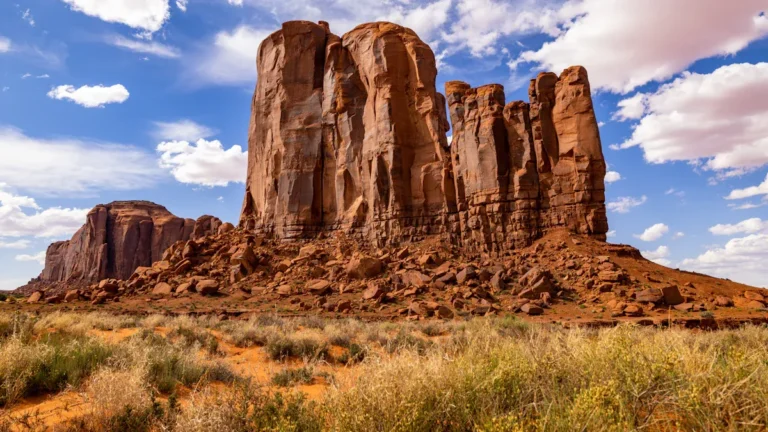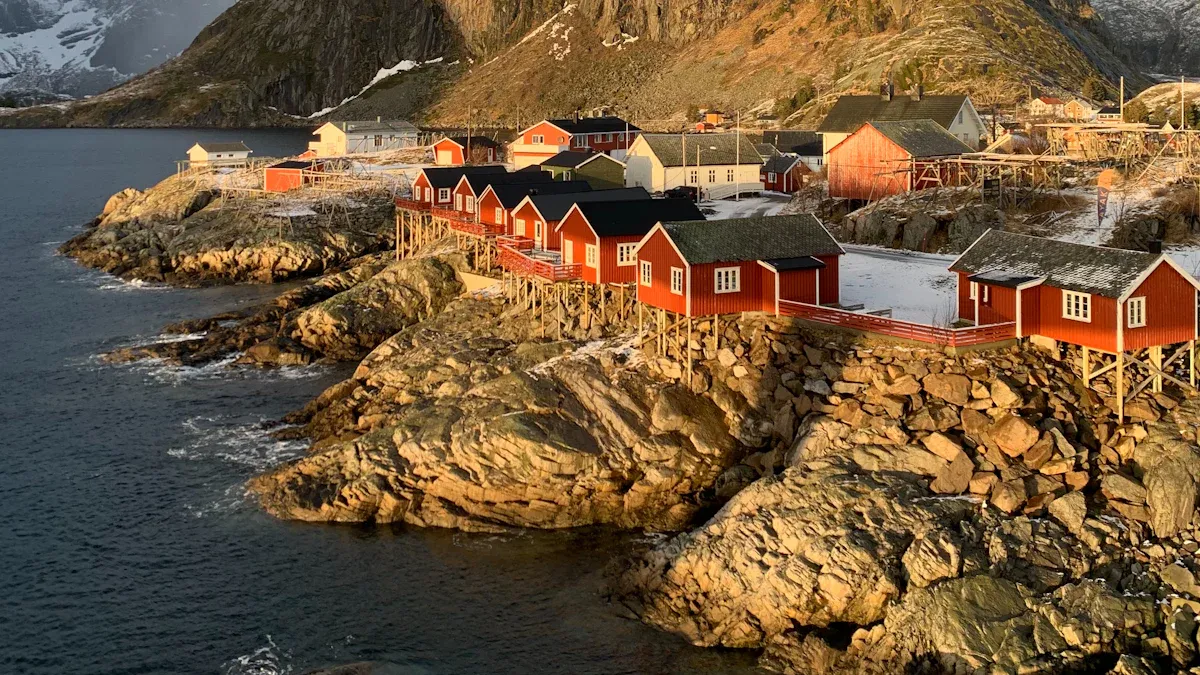
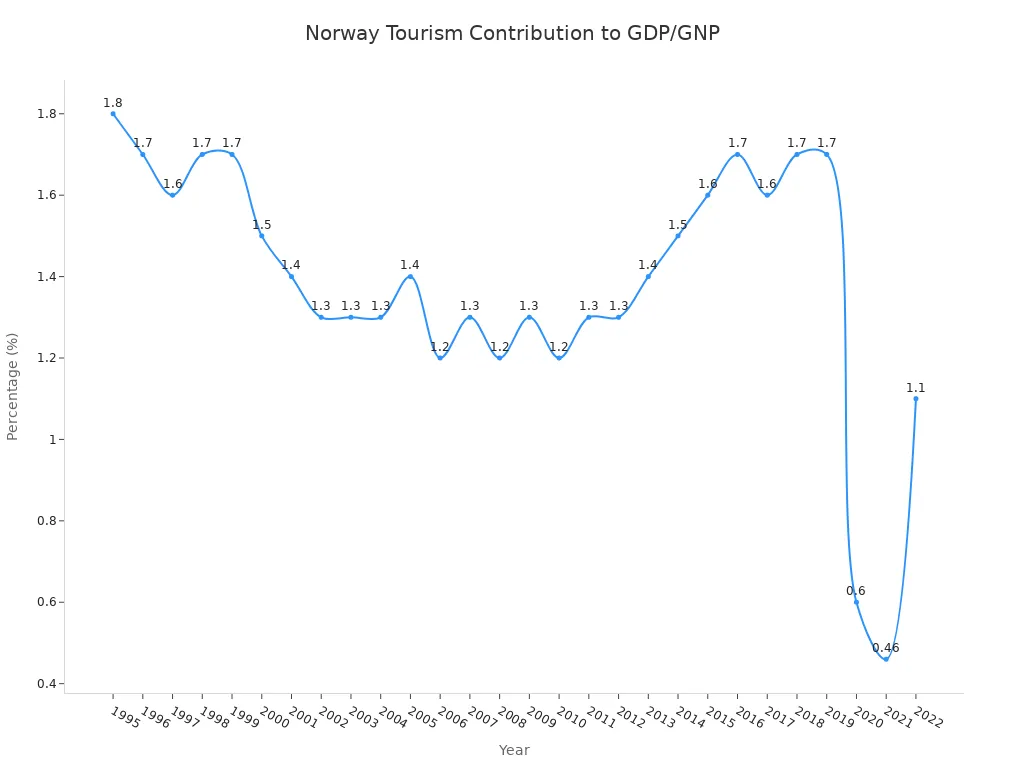
Imagine majestic fjords, vibrant cities, and the magic of the Northern Lights. Norway offers unparalleled nature and rich culture. You find adventure, relaxation, and deep cultural immersion here. It is one of the best places to visit in Norway. Millions of international visitors come each year; in 2024, 6.20 million people visited. Tourism is important for the country. It added 1.1% to Norway’s GDP in 2022.
This guide helps you plan your 2026 trip. It covers timeless classics and new attractions. You will discover many unforgettable things to do in Norway. Its beautiful scenery awaits you!
Key Takeaways
Norway offers beautiful nature and rich culture for visitors.
Cruise Geirangerfjord to see stunning waterfalls and tall cliffs.
Explore the Lofoten Islands for charming fishing villages and outdoor fun.
Hike Pulpit Rock for amazing views of Lysefjord.
Visit Vigeland Sculpture Park in Oslo to see unique art for free.
Ride the Flåm Railway for a steep and scenic train journey.
Experience the Midnight Sun in summer or chase the Northern Lights in winter.
Go dog sledding for an exciting Arctic adventure.
1. Cruise Geirangerfjord: A Must-See Norway Attraction
Prepare for an unforgettable journey into one of the world’s most stunning natural wonders. Cruising Geirangerfjord is truly one of the top things to do in Norway. This iconic fjord, a jewel among Norway’s many attractions, offers breathtaking beauty at every turn. You will find it a must-see attraction, drawing visitors from all corners of the globe.
UNESCO Heritage Status
Geirangerfjord holds a special place on the UNESCO World Heritage list. This recognition highlights its outstanding universal value. The fjord’s dramatic landscape earned its status for two key reasons: its outstanding natural beauty (criterion vii) and its significant geological features (criterion viii). You will witness nature’s grandeur here.
Fjord Panorama
Imagine towering cliffs that soar up to 1,400 meters from the water’s edge. The fjord itself plunges to depths of 500 meters. These distinctive features are a testament to powerful natural forces. Intense glacial erosion during the Pleistocene epoch carved this magnificent landscape. Massive ice sheets, especially during the Weichselian glaciation, over-deepened ancient river valleys. This process created the fjord’s characteristic U-shaped profile. Basal abrasion and plucking by the ice shaped the rock. After the ice melted, the land rose, and ongoing erosion continues to refine its appearance. You will see stunning waterfalls like the Seven Sisters and the Suitor cascading down these sheer rock faces.
Optimal Visit Times
Choosing the right time to visit enhances your experience. Each season offers a unique perspective of this majestic fjord.
Summer for Views
Summer, from June to August, provides the most vibrant views. The weather is generally mild, and the landscape bursts with lush greenery. Waterfalls flow with full power, creating spectacular displays. You will enjoy long daylight hours, perfect for extended sightseeing.
Shoulder Season for Calm
Consider visiting during the shoulder seasons, like May or September. You will find fewer crowds, offering a more serene experience. The autumn colors paint the hillsides in warm hues, creating a different kind of beauty. Spring brings fresh blossoms and melting snow, invigorating the landscape.
Fjord Activities
Beyond simply cruising, you can engage in various activities to truly immerse yourself in the fjord’s splendor.
Kayaking & Hiking
For an intimate experience, try kayaking on the calm waters. You can paddle close to the waterfalls and feel the spray on your face. Hiking trails around the fjord offer panoramic views from above. You will discover hidden gems and stunning vistas.
RIB Safari
If you seek an adrenaline rush, a RIB (Rigid Inflatable Boat) safari is perfect. These high-speed tours take you closer to the waterfalls and wildlife. You will feel the thrill as you zip across the water, exploring every nook and cranny of this incredible fjord. These world-renowned fjords offer adventure for everyone.
2. Explore the Lofoten Islands
The Lofoten Islands offer a truly unique experience. You will find a dramatic landscape where jagged mountains meet the sea. This archipelago is one of the best places to visit in Norway. It provides a perfect blend of natural beauty and cultural charm.
Charming Fishing Villages
You will discover picturesque villages nestled between towering peaks and the ocean. These villages offer a glimpse into traditional Norwegian life.
Reine & Nusfjord
Reine captivates you with its iconic red fishing huts, called rorbuer. They stand against a backdrop of majestic mountains. You can stay in these cozy cabins. Nusfjord is a UNESCO World Heritage site. It is one of Norway’s oldest and best-preserved fishing villages. You will feel like you stepped back in time.
Henningsvær
Henningsvær is a vibrant fishing village. It is known for its art galleries and lively harbor. You can watch local fishermen at work. You will enjoy the unique atmosphere.
Outdoor Adventures
The Lofoten Islands are a paradise for outdoor enthusiasts. You will find many ways to connect with nature.
Scenic Hikes
Lofoten offers incredible hiking opportunities. You can climb steep trails for panoramic views of the fjords and coastline. As you embark on your hiking adventure, you will notice the perfectly carved U-shaped valleys. These valleys show intense glacial activity. The islands are a horst ridge of bedrock, part of Norway’s wider Western Gneiss Region. This ancient geology creates the dramatic peaks you see. You will find trails for all skill levels. Each path promises breathtaking vistas.
Unstad Surfing
Unstad Beach is a surprising gem. It is a world-renowned surfing destination. You can catch waves in the Arctic Circle. This unique experience combines adventure with stunning scenery.
Northern Lights Viewing
The Lofoten Islands are an excellent location to witness the magic of the northern lights. You will see vibrant colors dance across the night sky.
Prime Season (Sept-Mar)
The best time to chase the northern lights is from September to March. The long, dark nights provide optimal viewing conditions. You will create unforgettable memories under the celestial display. This is one of the most magical things to do in Norway.
3. Hike Pulpit Rock (Preikestolen)
Prepare for an exhilarating adventure to Pulpit Rock, known locally as Preikestolen. This iconic cliff offers one of the most spectacular viewpoints in all of Norway. You will find this a truly popular hiking destination. It promises an unforgettable experience.
Iconic Fjord Viewpoint
Pulpit Rock stands majestically 604 meters (1,982 feet) above the stunning Lysefjord. This natural wonder draws thousands of visitors each year. You will witness nature’s raw power and beauty here.
Lysefjord Panorama
Imagine standing on a flat, square-topped cliff, gazing out over the deep blue waters of Lysefjord. The panorama is simply breathtaking. You will see steep mountainsides plunging into the fjord below. The sheer scale of the landscape will humble you. Pulpit Rock itself is a testament to geological forces. It is primarily composed of durable granite, gneiss, and migmatite. These robust rock types contribute to its strength and distinct appearance. Granite is a coarse-grained igneous rock. Gneiss is a metamorphic rock with a banded look. Migmatite shows both metamorphic and igneous traits. These layers have resisted weathering over millennia, forming the stable platform you stand on.
Hike Difficulty
The hike to Pulpit Rock is a rewarding journey. It offers a perfect blend of challenge and accessibility.
Moderate Trail
You will find the trail to Pulpit Rock a moderate hike. It covers approximately 4 kilometers (2.5 miles) one way. For a moderately fit individual, the one-way ascent typically takes 2 to 3 hours. You should plan for a total round trip of 4 to 6 hours, including time to relax and take photos at the summit. The path features varied terrain, including rocky sections, wooden boardwalks, and some uphill climbs. You will navigate through beautiful landscapes.
Hike Prep
Proper preparation ensures a safe and enjoyable experience. You want to make the most of your adventure.
Sturdy Footwear
You must wear sturdy hiking boots. The trail can be uneven and slippery in places, especially after rain. Good ankle support and grip are essential for your safety and comfort. You will appreciate the right gear.
Early Start
Begin your hike early in the morning. This allows you to avoid the largest crowds. You will also enjoy cooler temperatures, especially during summer months. An early start gives you ample time to complete the hike and savor the breathtaking views without feeling rushed. You will create lasting memories of this incredible journey.
4. Visit Vigeland Sculpture Park
You will find Vigeland Sculpture Park a truly unique and inspiring destination in Oslo. This magnificent park showcases the life’s work of one artist, Gustav Vigeland. It offers you a powerful and thought-provoking experience. You can wander through this open-air gallery and connect with profound human emotions.
Gustav Vigeland’s Art
Gustav Vigeland dedicated his entire life to creating the sculptures you see here. He designed the park layout and sculpted every piece. You will discover a monumental collection. Gustav Vigeland created all 212 bronze, granite, and cast-iron sculptures displayed in the park. These works explore the human condition, from birth to death. They capture universal themes of love, struggle, and family.
The Monolith
The Monolith stands as the park’s towering centerpiece. You will see 121 human figures carved from a single block of granite. They climb and intertwine, reaching towards the sky. This powerful sculpture symbolizes humanity’s struggle for existence and its yearning for spiritual connection. You will feel its immense presence. It inspires awe and contemplation.
The Angry Boy
Among the many captivating sculptures, “The Angry Boy” (Sinnataggen) often captures your attention. This small bronze statue depicts a stomping, crying child. It perfectly expresses raw, unfiltered emotion. You will find it both relatable and deeply moving. It has become one of the most iconic images in the park.
Free Entry
You can enjoy this incredible artistic achievement without any cost. Vigeland Sculpture Park offers free entry to everyone. This makes it an accessible and welcoming cultural experience for all visitors. You can spend as much time as you like exploring its vast grounds and intricate artworks.
Open Year-Round
The park welcomes you every day of the year, regardless of the season. You can experience its beauty under the summer sun or blanketed in winter snow. Each season brings a different atmosphere to the sculptures and landscapes. You will find it a perfect place to visit for reflection and inspiration at any time. This makes it a must-see attraction when you visit Norway.
5. Discover Bergen’s Bryggen Wharf
You will find Bergen’s Bryggen Wharf an absolute highlight on your Norwegian adventure. This iconic waterfront district in Bergen offers a captivating journey back in time. It combines rich history with vibrant modern life. You will instantly feel its unique charm.
Historic Hanseatic Site
Bryggen holds a special place in European history. It served as a crucial hub for trade for centuries. You can explore its narrow alleyways and ancient buildings.
UNESCO Heritage
Bryggen proudly stands as a UNESCO World Heritage site. This recognition highlights its outstanding universal value. Bergen was one of the four primary overseas trading posts, or ‘Kontors,’ of the Hanseatic League. It stood alongside London, Bruges, and Novgorod. Bryggen served as a crucial gateway for the stockfish trade from Northern Norway. Hanseatic merchants established a near-monopoly. They exchanged stockfish for essential goods like grain, salt, beer, and textiles from the continent. Bryggen, with its merchant houses, functioned as a German town within Bergen. It operated under its own laws and regulations. This shows the League’s significant economic and political influence. You will walk through history here.
Colorful Wooden Houses
Imagine a postcard-perfect scene. Bryggen’s most striking feature is its row of colorful wooden houses. These buildings lean against each other, creating a picturesque facade. You will love capturing their beauty in photographs. They reflect in the harbor waters, adding to their charm. These houses have survived several fires over the centuries. Each reconstruction followed traditional building methods. This preserves their authentic character. You will feel the history in every timber.
Local Shops & Eateries
Beyond its historical significance, Bryggen buzzes with activity. You can explore a variety of local shops. You will find unique handicrafts, traditional Norwegian knitwear, and beautiful art. These shops offer perfect souvenirs. You can also discover cozy eateries and cafes. They serve delicious local cuisine. You will savor fresh seafood, a Bergen specialty. Enjoy a warm drink while you watch the harbor activity. Bryggen offers a delightful blend of culture, history, and modern enjoyment. You will create lasting memories here.
6. Ride the Flåm Railway
You will discover one of the world’s most incredible train journeys when you ride the Flåm Railway. This spectacular route offers an unforgettable experience. It takes you through some of Norway’s most breathtaking landscapes. You will feel inspired by every turn.
Steepest Railway Journey
The Flåm Railway is an engineering marvel. It connects the high mountains with the deep fjord. You will marvel at its construction.
Myrdal to Flåm
This railway line stretches 20.2 kilometers (12.5 miles). It descends 863 meters (2,831 feet) from Myrdal station to the village of Flåm. The Flåmsbana trains operate on a regular line. They achieve a maximum gradient of 5.5% without the need for a rack-railway system. This distinguishes it as the steepest railway line globally under these conditions. The Flåm Railway climbs at a gradient of up to 5.5% over its 12-mile route. It reaches an elevation of 2,840 feet. This establishes it as one of the world’s steepest railways. You will feel the thrill of this incredible descent.
Scenic Landscapes
Every moment on the Flåm Railway offers a new vista. You will pass through tunnels, over bridges, and alongside roaring rivers.
Waterfalls & Valleys
Prepare for a visual feast. You will see cascading waterfalls plunging down sheer cliffs. Lush green valleys unfold before your eyes. The train winds through dramatic mountain scenery. You will witness the raw beauty of Norwegian nature. This journey provides countless photo opportunities. You will want to capture every stunning view.
Kjosfossen Stop
One of the highlights of your journey is the stop at Kjosfossen waterfall. The train pauses here. You can step out onto a viewing platform. You will feel the spray of the powerful waterfall. Listen to the roar of the water. You might even witness a magical performance. A Huldra, a mythical forest creature, sometimes appears and dances to enchanting music. This adds a touch of folklore to your adventure. You will create lasting memories of this unique stop. The Flåm Railway is more than just a train ride. It is an immersive experience into the heart of Norway’s majestic wilderness.
7. Experience the Midnight Sun
Prepare for a truly magical experience when you visit Norway’s Arctic regions. The Midnight Sun offers continuous daylight, transforming your perception of time. You will discover a unique phenomenon that allows for endless exploration and unforgettable moments.
Arctic Circle Phenomenon
North of the Arctic Circle, the sun never sets during summer months. This creates the incredible Midnight Sun. You will witness the sun hovering above the horizon, even at midnight.
Tromsø & North Cape
You can best experience the Midnight Sun in places like Tromsø and the North Cape. These locations offer prime viewing opportunities. The Earth’s axial tilt, approximately 23 degrees, causes this phenomenon. Due to this tilt, the sun remains continuously visible at high latitudes during summer. This continuous daylight in extreme latitudes is also known as polar day. During the summer solstice, around June 20-22, the Earth’s maximum tilt results in continuous daylight for regions north of the Arctic Circle. You will find yourself bathed in golden light, even in the late hours.
Best Months
Timing your visit is key to experiencing the Midnight Sun in its full glory.
May to July
The best months to witness the Midnight Sun are from May to July. During this period, the sun stays above the horizon for extended periods. You will enjoy the longest days of the year. The light is soft and ethereal, perfect for photography and outdoor activities. You will feel energized by the constant daylight.
Midnight Sun Activities
The endless daylight opens up a world of unique activities. You can make the most of every moment.
Kayaking & Golf
Imagine kayaking on calm fjord waters at 1 AM, bathed in golden sunlight. You can paddle through serene landscapes, spotting wildlife under the never-setting sun. This offers a peaceful and surreal experience. Alternatively, you can play a round of golf under the Midnight Sun. Many courses in the Arctic stay open all night. You will enjoy a unique golfing adventure. The cool, crisp air and stunning views create an unforgettable game. You will find endless possibilities for adventure and relaxation. Embrace the extraordinary light and create memories that will last a lifetime. This unique aspect of Norwegian nature truly sets it apart.
8. Chase the Northern Lights
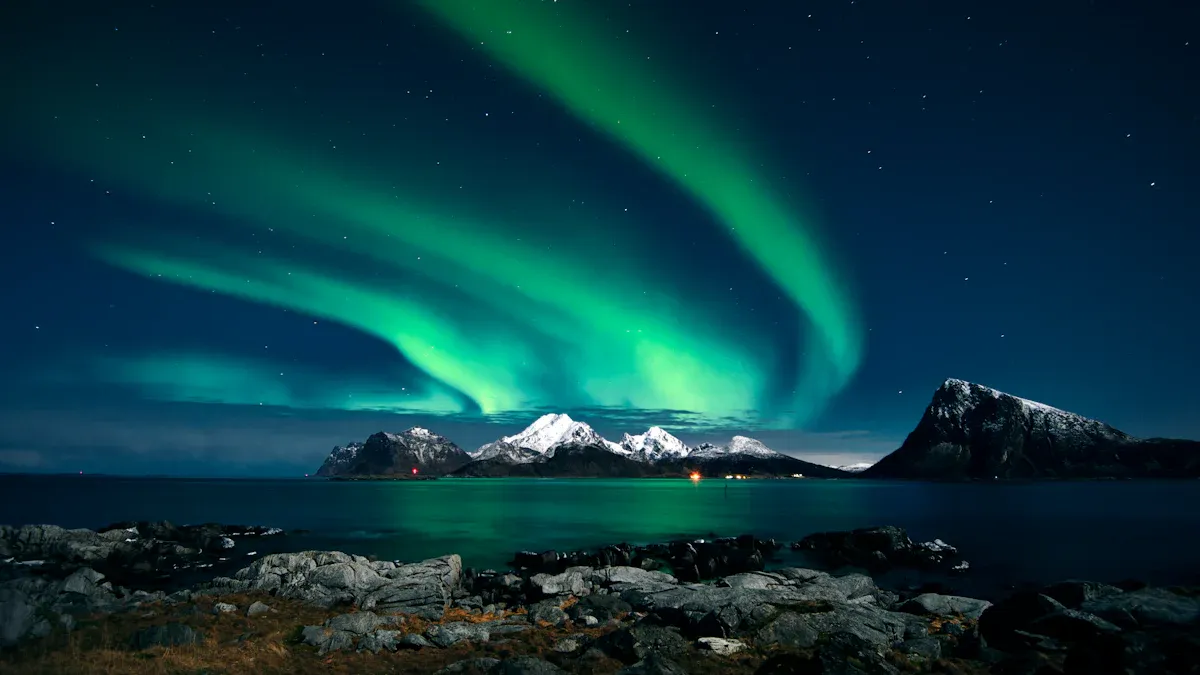
Imagine vibrant colors dancing across the night sky. You can witness one of nature’s most spectacular shows: the northern lights. This celestial display offers an experience you will never forget. You will feel a sense of wonder as the aurora borealis illuminates the darkness.
Prime Viewing Spots
You need to find the right location to maximize your chances of seeing this natural marvel. Certain areas offer better visibility.
Tromsø & Lofoten
Tromsø stands as a popular hub for aurora hunters. It sits well within the Arctic Circle. This city provides many organized tours. You can join a bus chase or a dog sledding adventure. The Lofoten Islands also offer incredible viewing opportunities. Their dramatic landscapes create stunning backdrops for the aurora. You will find fewer light pollutants there. This enhances the visibility of the lights.
Best Season
Timing your trip is crucial for a successful aurora chase. You want to visit when conditions are optimal.
Sept to March
The best season to see the aurora is from September to March. During these months, the nights are long and dark. Darkness is crucial. Summer sunlight at high latitudes prevents aurora viewing. You need partially clear skies. Clearer skies show more aurora. Optimal viewing often occurs around the spring (March) or fall (September) equinox. This is due to increased auroral activity. You should also check the Kp index. This measures geomagnetic activity. Higher Kp values mean brighter, more active aurora. Even Kp 3-4 can give good displays in the right spot. Plan your viewing around midnight. The best time is usually 10 PM to 2 AM. More geomagnetic activity means longer active hours.
Photography Tips
You will want to capture this magical moment forever. Good preparation helps you take stunning photos.
Long Exposure
Use a camera with manual settings. You need a sturdy tripod. This keeps your camera still during long exposures. Set your camera to a high ISO (around 800-3200). Use a wide aperture (f/2.8 or lower). Your shutter speed should be between 10-30 seconds. Experiment with these settings. You will find the perfect balance to capture the aurora’s ethereal glow. Focus on infinity. You will create breathtaking images of the lights in Norway.
9. Go Dog Sledding
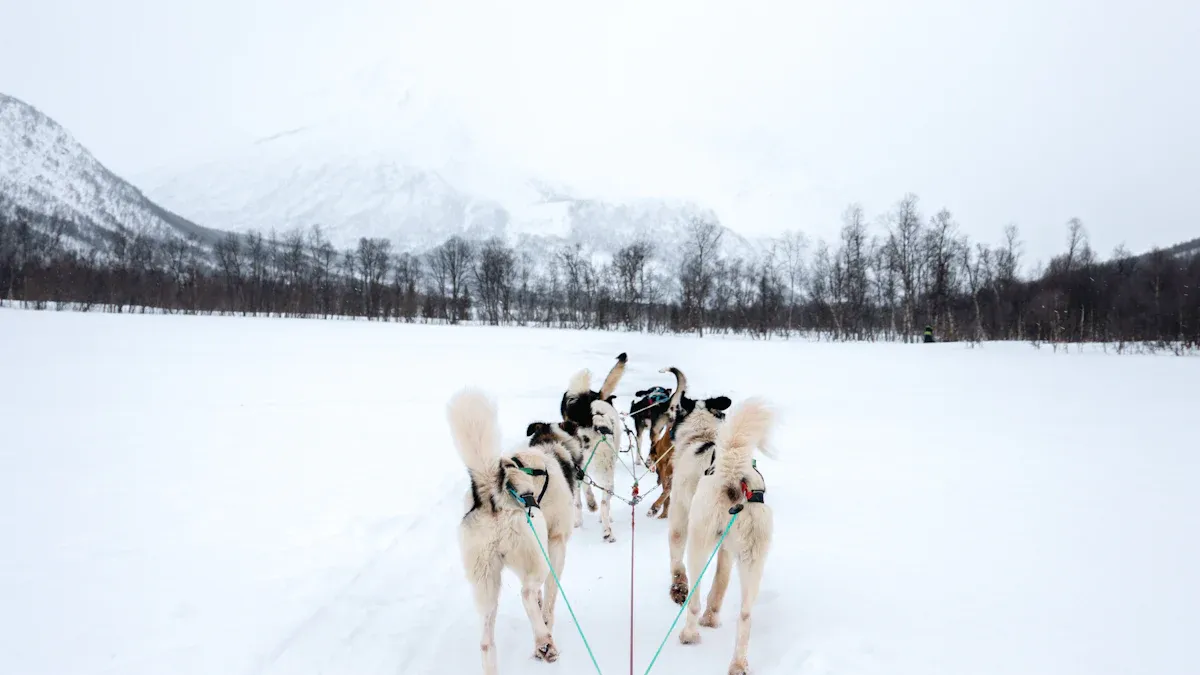
Imagine gliding through a pristine, snow-covered landscape. A team of powerful huskies pulls you forward. You feel the crisp Arctic air on your face. Dog sledding offers an exhilarating adventure. It connects you deeply with nature and ancient traditions. This experience is truly one of the most unforgettable things to do in Norway.
Arctic Winter Adventure
You will embark on a thrilling journey across vast, white expanses. The silence of the wilderness surrounds you. Only the rhythmic panting of the dogs and the whisper of the sled runners break the quiet.
Husky Teams
These incredible dogs are the heart of your adventure. They possess immense strength, endurance, and a natural desire to run. Dog mushing originated with Indigenous peoples of the Arctic regions, such as the Inuits and other native groups. They utilized sled dogs for hunting and transportation. These dogs were specifically bred for endurance, strength, and teamwork to navigate vast, snowy landscapes. Modern sled dogs, including breeds like the Greenland dog, Alaskan Malamute, and Husky, share ancient Siberian roots. They form a continuous genetic lineage that emerged nearly 10,000 years ago as the last ice age receded. A genetic study published in Science indicates that present-day sled dog breeds and their cold-climate adaptations originated from a common ancient Arctic ancestor. This ancestor diverged from other dog lineages over 9,500 years ago in Northeast Asia. These ancient dogs co-adapted with humans in the cold northern regions. They served as crucial hunting companions and for pulling sleds over long distances.
While the exact beginning of dog sledding is unknown, archaeological clues and ancient DNA trace its origins back thousands of years. The discovery of the ancient remains of a dog named Zhokhov on Zhokhov Island, dated to 9,500 years old, along with traces of dog sledding equipment, indicates a much earlier origin. Genetic comparisons show that modern sled dogs share major parts of their genome with Zhokhov, suggesting a common Siberian origin over 9,500 years ago. This practice spread from Siberia across the polar north over several centuries. It reached modern-day Russia, Alaska, Canada, Greenland, and Scandinavia. Dog sledding was essential for indigenous peoples to travel vast distances, access food sources, and establish trade networks. It made life in the far north possible. A 2019 study revealed that dogs initially brought into the North American Arctic from northeastern Siberia were later replaced by dogs accompanying the Inuit during their expansion approximately 2,000 years ago. These Inuit dogs exhibited greater genetic diversity and morphological differences compared to the earlier dogs. Today, Arctic sledge dogs are the last descendants in the Americas of this pre-European dog lineage. Historical records pre-dating European contact also confirm the widespread use of dogs as draft animals by Native American cultures.
Traditional Sami Experience
Many dog sledding tours offer a glimpse into the rich Sami culture. The Sami are the indigenous people of the Arctic. You can learn about their traditions and their deep connection to the land. Some tours include visits to traditional lavvus (Sami tents) or opportunities to hear joik (traditional Sami singing). This adds a profound cultural dimension to your adventure.
Tour Operators
You will find many reputable tour operators in Arctic regions like Tromsø and Kirkenes. They offer various dog sledding experiences. You can choose from short introductory rides to multi-day expeditions. Always select an operator committed to the ethical treatment of their animals. Book your tour in advance, especially during peak winter season. This ensures you secure your spot for this incredible journey.
10. Explore Oslo’s Must-See Attractions
Oslo, Norway’s vibrant capital, invites you to discover a rich tapestry of history, art, and exploration. You will find world-class museums and captivating cultural sites here. These experiences make Oslo one of the best places to visit in Norway. Prepare to be inspired by the city’s unique offerings.
Viking Ship Museum
Step back in time at the Viking Ship Museum. You will witness the incredible craftsmanship of ancient Norse seafarers. This museum houses some of the world’s best-preserved Viking ships.
Oseberg Ship
The Oseberg Ship stands as a true masterpiece. You will marvel at its intricate carvings and elegant design. Archaeologists discovered this ship in a large burial mound. It dates back to the 9th century. The ship served as a burial vessel for two high-ranking Viking women. You can see their grave goods, including textiles and household items. Imagine the lives of these powerful individuals. This museum offers a profound connection to Norway’s Viking heritage. It is one of the essential things to do in Norway.
Fram Museum
Embark on an epic journey of polar exploration at the Fram Museum. This museum celebrates Norwegian polar expeditions. You will learn about the brave explorers who ventured into the Arctic and Antarctic.
Polar History
The star of the museum is the Fram itself. This is the strongest wooden ship ever built. You can walk on board the Fram. Experience what life was like for explorers like Fridtjof Nansen, Otto Sverdrup, and Roald Amundsen. They used this ship for their groundbreaking expeditions. You will feel the spirit of adventure. Discover how they survived extreme conditions. The museum showcases their equipment and stories. It truly brings polar history to life.
Munch Museum
Immerse yourself in the world of Edvard Munch at the Munch Museum. This museum dedicates itself to the iconic Norwegian artist. You will explore his profound and often haunting works.
The Scream
The Munch Museum proudly displays several versions of “The Scream.” This painting is one of the most famous artworks in the world. You will feel its raw emotional power. Munch’s art explores themes of love, anxiety, and death. You will see his unique artistic vision. The museum offers a comprehensive look at his career. It features paintings, prints, and drawings. You will gain a deeper understanding of this influential artist. These are truly must-see attractions in Oslo.
11. Hike to Trolltunga (Troll’s Tongue)
Prepare for an epic adventure that will challenge your body and reward your spirit. Hiking to Trolltunga, or “Troll’s Tongue,” offers one of the most iconic views in all of Norway. You will experience breathtaking natural beauty and achieve a profound sense of accomplishment. This journey promises unforgettable memories.
Iconic Photo Spot
Trolltunga is a spectacular rock formation. It juts horizontally out from the mountain, about 700 meters (2,300 feet) above Lake Ringedalsvatnet. You will find it a truly unique and dramatic viewpoint.
Cliff Boulder
Imagine standing on this incredible natural platform. The views stretch endlessly across the fjord and surrounding mountains. This remarkable formation is part of the Precambrian bedrock. Its creation began during the last Ice Age, approximately 10,000 years ago. Glacial water froze within mountain crevices. This freezing action broke off large, angular blocks of rock. Subsequently, the glacier carried these blocks away. As the glaciers retreated, they left behind this uniquely shaped rock formation. Trolltunga stands as a powerful testament to Earth’s dynamic natural forces. You will marvel at its geological history.
Challenging Hike
This is not a casual stroll. The hike to Trolltunga is demanding. You will cover approximately 27 kilometers (17 miles) round trip. The elevation gain is about 800 meters (2,600 feet). You should plan for 10 to 12 hours of strenuous hiking. You need good physical condition and proper gear. The trail features varied terrain, including steep ascents, rocky paths, and some muddy sections. You will push your limits. The reward, however, is absolutely worth every step. You will feel an incredible sense of achievement when you reach the Tongue.
Seasonal Access
You must plan your visit carefully. Trolltunga is only accessible for hiking during specific seasons. The main hiking season runs from June 1st to September 30th. During this time, you can hike independently. From October to May, conditions become much more challenging. Snow and ice cover the trail. You must join a guided tour with experienced professionals for your safety. They provide necessary equipment like snowshoes or spikes. Always check weather forecasts and trail conditions before you go. You will ensure a safe and enjoyable experience.
12. Visit the North Cape (Nordkapp)
Prepare for an extraordinary journey to the very edge of the continent. Visiting the North Cape, or Nordkapp, offers a profound sense of achievement. You stand at Europe’s northernmost point. This iconic destination promises breathtaking views and unforgettable moments. It truly marks a highlight of any trip to Norway.
Mainland Europe’s Edge
Imagine standing where the land meets the vast Arctic Ocean. The North Cape is a dramatic plateau. It rises majestically from the sea. You will feel the power of nature here.
Dramatic Cliffs
The North Cape boasts towering cliffs. They plunge 307 meters (1,007 feet) straight down into the icy waters below. You will witness an awe-inspiring panorama. The sheer scale of the landscape will captivate you. Feel the crisp Arctic air. Watch the endless horizon. This place inspires deep reflection. It marks a significant geographical boundary.
Midnight Sun & Aurora
The North Cape offers two incredible celestial phenomena. During summer, you can experience the magical Midnight Sun. The sun never sets here from mid-May to late July. You can witness a golden glow at midnight. This allows for endless exploration. In winter, the North Cape transforms into a prime viewing spot for the northern lights. Imagine vibrant colors dancing across the dark Arctic sky. You can chase this spectacular display. It creates truly magical memories.
Visitor Center
A modern visitor center awaits you at the North Cape. It provides comfort and information. You can explore exhibits detailing the region’s history and nature. Watch a panoramic film. It showcases the area’s stunning seasonal changes. You will find a restaurant and a gift shop. Send a postcard from the world’s northernmost post office. This center enhances your experience. It offers a warm refuge from the Arctic elements. You will leave feeling inspired by this remarkable place.
13. Ski in Hemsedal or Trysil
Imagine carving down pristine slopes, surrounded by breathtaking mountain vistas. You can experience world-class skiing in Norway. Hemsedal and Trysil stand out as premier destinations. They offer unforgettable winter adventures. You will find joy and exhilaration here.
Premier Ski Resorts
You will discover why these resorts attract skiers from around the globe. They boast excellent conditions and diverse terrain.
Alpine & Cross-Country
Hemsedal, often called the “Scandinavian Alps,” provides fantastic alpine skiing. You will find challenging black runs, gentle green slopes, and everything in between. Trysil, Norway’s largest ski resort, offers extensive terrain for all skill levels. Both resorts also feature vast networks of cross-country skiing trails. You can glide through serene forests and open landscapes. This allows you to connect with nature. The snow conditions are consistently excellent.
Resort | Average Annual Snowfall |
|---|---|
Hemsedal | 13 feet (4 meters) |
Trysil | 18 feet (5.5 meters) |
Winter Sports
Beyond traditional skiing, these resorts offer a variety of thrilling winter sports. You will find something for everyone.
Snowboarding
Snowboarders will love the dedicated parks and varied terrain. Hemsedal and Trysil both feature impressive terrain parks. They include jumps, rails, and halfpipes. You can practice your tricks or simply enjoy the ride. The wide-open slopes also provide excellent opportunities for freeriding. You will feel the rush of adrenaline.
Family-Friendly
These ski resorts prioritize family fun. You will find a welcoming atmosphere for all ages. Both Hemsedal and Trysil offer dedicated children’s areas. They have gentle slopes and fun activities. Ski schools provide lessons for beginners. You can enjoy quality time together on the slopes. Many accommodations offer family-friendly amenities. You will create cherished memories of your winter getaway.
14. Drive the Atlantic Ocean Road
Prepare for an exhilarating journey along one of the world’s most spectacular roads. Driving the Atlantic Ocean Road offers an unforgettable experience. You will navigate a ribbon of asphalt that dances across the sea. This iconic stretch of highway connects islands and skerries with a series of bridges and causeways. It promises breathtaking views and a true sense of adventure.
Engineering Marvel
You will marvel at the ingenuity behind this incredible roadway. It stands as a testament to human determination and engineering prowess.
Storseisundet Bridge
The Storseisundet Bridge is the most famous section. It curves dramatically, creating an optical illusion that makes it appear to lead directly into the sky. This bridge, along with the entire road, faced immense challenges during construction. Crews battled the North Atlantic’s unpredictable weather. Severe storms and massive waves frequently halted work and damaged structures. Engineers developed innovative solutions. They used specialized concrete mixtures to resist salt spray and temperature changes. Underwater construction for bridge foundations was particularly difficult. Challenging tidal conditions, dangerous currents, and poor visibility for divers added to the complexity. You will appreciate the effort that went into building this masterpiece.
Coastal Drive
This drive offers more than just engineering wonders. You will immerse yourself in Norway’s stunning coastal landscape.
Fishing Spots
The road winds through a rich marine environment. You will find numerous designated fishing spots along the route. Cast your line from one of the many bridges or pull over at a scenic turnout. You might catch cod, pollock, or even mackerel. This offers a peaceful way to enjoy the coastal beauty. You can also watch local fishermen at work. They navigate the waters, bringing in their daily catch.
Road Trip Essential
The Atlantic Ocean Road is a must-do for any road trip enthusiast. It spans just over 8 kilometers (5 miles). Yet, it packs an incredible punch of scenery and excitement. You can combine this drive with visits to charming coastal towns. Explore the nearby fishing villages. You will find opportunities for hiking, cycling, and even diving. This road offers a perfect blend of adventure and relaxation. It creates lasting memories of your journey.
15. Discover Trondheim’s Nidaros Cathedral
You will find Nidaros Cathedral a truly magnificent sight in Trondheim. This grand structure stands as a national sanctuary. It offers you a profound connection to Norway’s rich history and spiritual heritage. You will feel inspired by its sheer scale and intricate details.
National Sanctuary
Nidaros Cathedral holds immense historical and religious significance. It serves as the burial place of Saint Olav, Norway’s patron saint. This makes it a vital pilgrimage site. You will discover centuries of devotion within its walls.
Gothic Architecture
The cathedral’s construction began in 1070. Workers completed it around 1300. Its architectural style blends Romanesque and Gothic elements. You will notice the oldest parts, including the octagon and ambulatory. These areas mark the original high altar and choir. The octagon’s design may have drawn inspiration from Canterbury Cathedral. The choir’s design might have come from Lincoln Cathedral. The transepts of Nidaros Cathedral showcase a fascinating transition. You will see Anglo-Norman Romanesque evolving into Transitional and Early Gothic styles. This architectural shift happened over thirty years. A fire in 1328 severely damaged the cathedral. This led to repairs in the English Decorated Gothic style. Subsequent restorations incorporated intricate sculptural designs. These efforts maintained the Gothic influence through the late medieval period. You will marvel at the craftsmanship.
Saint Olav’s Burial
You can visit the tomb of Saint Olav within the cathedral. Olav II Haraldsson was King of Norway from 1015 to 1028. He played a crucial role in Christianizing the country. After his death, he became a saint. His burial site transformed Nidaros into a major pilgrimage destination. You will feel the weight of history here. Many people still undertake pilgrimages to this sacred spot.
Crown Jewels
Nidaros Cathedral also houses the Norwegian Crown Jewels. You will see a stunning collection of regalia. These include crowns, scepters, and orbs. They symbolize the Norwegian monarchy. The jewels are on display in the cathedral’s museum. You can admire their exquisite beauty and historical importance. This collection adds another layer of majesty to your visit. You will leave with a deep appreciation for this incredible landmark.
16. Go Whale Watching
Imagine the thrill of seeing majestic whales in their natural habitat. You can experience this incredible adventure in Norway. Whale watching offers a profound connection to the ocean’s giants. It creates memories that will last a lifetime. You will feel inspired by these magnificent creatures.
Marine Wildlife Encounters
Prepare for an awe-inspiring encounter with some of the largest animals on Earth. The waters around Norway teem with diverse marine life.
Sperm & Orca Whales
You might spot the impressive sperm whale. These deep-diving giants are often seen as solitary individuals in Norwegian waters. Scientists are still learning about their main prey, but they indicate decreasing cephalopod abundance. Orcas, also known as killer whales, are another spectacular sight. Their distribution shifts with prey availability and warmer sea-surface temperatures. Killer whales show increased densities, drawn by abundant fish like Norwegian spring-spawning herring and northeast Atlantic mackerel. Offshore-feeding killer whales mainly target mackerel. The Norwegian Sea also serves as a significant migration corridor. Baleen whales head to northern feeding grounds here. Large cetaceans, including orcas, use it as a transit route to and from higher latitudes. You will witness their power and grace.
Ethical Tours
Choosing an ethical tour operator is very important. You want to ensure the well-being of these incredible animals. Responsible operators follow strict guidelines. They maintain a respectful distance from the whales. They avoid disturbing their natural behaviors. You can ask about their practices before booking. Look for companies that prioritize conservation and education. This ensures a sustainable and respectful experience for both you and the whales. You contribute to preserving marine life.
Best Seasons
Timing your whale watching trip can increase your chances of sightings. Different species appear at different times of the year. You can find opportunities almost year-round in some areas.
For sperm whales, the best time is often spring and summer. Orcas are frequently seen in autumn and winter. This is when they follow the herring migrations. You should research specific locations and their peak seasons. Places like Andenes and Tromsø are popular whale watching hubs. They offer excellent chances to see these magnificent creatures. You will find the perfect time for your adventure.
17. Experience Sami Culture
You can discover the rich and vibrant culture of the Sami people. They are the indigenous inhabitants of the Arctic. This experience offers a profound connection to ancient traditions and a unique way of life. You will find it one of the most enriching things to do in Norway.
Indigenous Arctic People
The Sami people have lived in the northern regions of Scandinavia for thousands of years. They possess a deep respect for nature and a strong cultural identity. You will learn about their history, their struggles, and their resilience.
Reindeer Herding
Reindeer herding is a cornerstone of Sami culture. It has shaped their way of life for millennia. This practice originated around 2,000 years ago. Sami people transitioned from hunting wild reindeer to domesticated herding. This allowed a sustainable life in the Arctic. It provided food, clothing, tools, and shelter. Herders follow an annual cycle. They use seasonal land and cyclic routes for pastures. This practice is deeply rooted in time. It is shared with other Circumpolar North groups. Natural phenomena and reindeer needs primarily control it.
Herders possess multidisciplinary knowledge. They understand individual animals, plants, landscapes, weather, and people. This holistic system centers on domesticated reindeer. It connects them to humans and the natural environment. Elements like reindeer, environment, and weather are interconnected. Herders pass this knowledge down through generations. It includes subsystems for hydrology, meteorology, and climate adaptation. Reindeer herding remains vital for the Sami economy. It provides income from meat, hides, and antlers. These products are valued within the Sami community and broader markets. Ecologically, reindeer herding maintains the Arctic ecosystem’s balance. Reindeer grazing manages vegetation. It prevents overgrowth and promotes biodiversity. Sami herders ensure natural resources are preserved.
Traditional Lavvu
You can step inside a traditional Sami lavvu. This is a portable tent-like dwelling. It resembles a tipi. The lavvu offers warmth and shelter. It represents the nomadic lifestyle of the Sami. You will often find a fire burning in the center. This creates a cozy and inviting atmosphere. Many cultural experiences include storytelling or traditional meals inside a lavvu. You will feel the spirit of Sami hospitality.
Joik Singing
Experience the unique vocal art form of joik. This is a traditional Sami song. It is one of Europe’s oldest living song traditions. Joik is not just a song about something. It is a song of something or someone. It expresses emotions, tells stories, or honors people, animals, or places. You will hear its powerful and evocative melodies. Joik singing is deeply personal. It connects the singer to their subject. It is a profound cultural expression. You will find it a moving and unforgettable part of your Sami experience.
18. Visit KODE Art Museums
You will discover a world of artistic wonder in Bergen at KODE Art Museums. This impressive institution offers a unique cultural experience. It invites you to explore vast collections spanning centuries. You will find inspiration and beauty around every corner. KODE is a must-see for art lovers visiting Norway.
Four Museums in One
KODE is not just one museum; it is four distinct museums housed in a single complex. This unique structure allows you to journey through different artistic periods and styles. You can easily spend hours exploring its diverse offerings. Each building presents a new perspective on art and design.
Munch Collection
You will be thrilled to find a significant collection of Edvard Munch’s works here. KODE holds the second-largest collection of Munch’s art in the world. You can see many of his iconic paintings, drawings, and prints. This provides a deeper understanding of his profound impact on modern art. You will feel the raw emotion in his masterpieces.
Art & Exhibitions
KODE consistently features engaging art and exhibitions. You will encounter a wide range of artistic expressions. The museums showcase everything from historical masterpieces to cutting-edge contemporary installations. They often host temporary exhibitions that bring fresh perspectives and international artists to Bergen. You will always find something new and exciting to explore. These dynamic displays ensure every visit offers a unique experience.
Classical & Contemporary
You can immerse yourself in both classical and contemporary art at KODE. One moment, you might admire works by old masters, reflecting centuries of artistic tradition. The next, you could be contemplating thought-provoking pieces by modern artists. This blend creates a rich and varied experience. You will see how art evolves and reflects different eras. KODE also features collections of crafts and design, including beautiful furniture and decorative arts. This broad scope makes KODE a truly comprehensive art destination. Bergen, a city surrounded by stunning fjords, offers more than just natural beauty; it also boasts a vibrant art scene, exemplified by KODE Art Museums. You will leave feeling enriched and inspired by the creativity on display.
19. Kayak in the Fjords
Imagine gliding silently across crystal-clear waters. Towering cliffs rise dramatically around you. Kayaking in Norway’s fjords offers an unparalleled sense of peace and adventure. You will connect deeply with nature. This activity provides a unique perspective on the country’s most iconic landscapes. It is an experience you will cherish forever.
Serene Water Exploration
Kayaking allows you to explore the fjords at your own pace. You feel the gentle sway of the water beneath you. The silence is profound. Only the dip of your paddle breaks it. You can reach hidden coves and waterfalls inaccessible by larger boats. This intimate journey brings you closer to the fjord’s raw beauty.
Geiranger & Nærøyfjord
You can choose from many incredible fjords for kayaking. Geirangerfjord, a UNESCO World Heritage site, offers dramatic scenery. You will paddle past cascading waterfalls like the Seven Sisters. Nærøyfjord, another UNESCO site, is one of the narrowest fjords in the world. Its steep, majestic mountains create an awe-inspiring corridor. Both fjords provide unforgettable kayaking experiences. You will feel small yet significant amidst such grandeur.
Guided Tours
If you are new to kayaking or prefer expert guidance, consider a guided tour. Experienced local guides lead these excursions. They provide all necessary equipment, including kayaks, paddles, and safety gear. Guides also share fascinating insights into the fjord’s geology, history, and wildlife. They ensure your safety and enhance your understanding of the surroundings. You will feel confident and well-prepared for your adventure.
Wildlife Spotting
Kayaking offers excellent opportunities for wildlife spotting. You move quietly through the water. This allows you to approach animals without disturbing them. You might see seals basking on rocks. Majestic sea eagles soar overhead. Porpoises occasionally break the surface. Keep your eyes open for various bird species nesting on the cliffs. This close encounter with nature’s inhabitants adds another layer of magic to your fjord exploration. You will create lasting memories of these serene moments.
20. Drive the Trollstigen
Prepare for an exhilarating drive along Trollstigen, also known as the “Troll’s Ladder.” This legendary road offers an unforgettable adventure. You will navigate one of the most dramatic and beautiful routes in all of Norway. It promises breathtaking views and a true sense of accomplishment.
Winding Mountain Pass
Trollstigen is a masterpiece of engineering. It carves its way up a steep mountain slope. You will experience a thrilling ascent. The road features eleven sharp hairpin bends. Each turn brings a new, spectacular vista. This route connects the Romsdalen valley with the Valldal valley. You will feel a rush of excitement as you climb higher. The surrounding landscape is rugged and majestic.
Hairpin Bends
You will carefully maneuver your vehicle through these famous hairpin bends. Each bend has its own name, often after the road foreman who oversaw its construction. The turns are steep, with a gradient of 9%. You will need to focus on your driving. Yet, you can still enjoy the incredible views. Stone walls protect the edges of the road. You will see the valley spread out below you. This drive is a test of skill and a feast for your eyes.
Stigfossen Waterfall
As you ascend Trollstigen, you will drive right past the powerful Stigfossen waterfall. This impressive waterfall plunges 320 meters (1,050 feet) down the mountainside. You will feel its spray on your car windows. The road crosses a natural stone bridge directly in front of the falls. You can pause at designated viewpoints. Capture stunning photos of the cascading water. The roar of the falls adds to the dramatic atmosphere of your journey.
Seasonal Access
You must plan your visit to Trollstigen carefully. The road is typically open only during the late spring, summer, and early autumn months. Heavy snow and ice close it during winter. The exact opening and closing dates depend on weather conditions each year. You should always check the official road status before you travel. This ensures a safe and enjoyable experience. You will want to make sure the road is open for your adventure.
21. Explore Arctic Tromsø
You will find Tromsø, often called the “Gateway to the Arctic,” a vibrant city. It offers a unique blend of urban culture and stunning Arctic wilderness. You can discover a city rich in history and adventure. It provides an ideal base for exploring northern norway.
Gateway to the Arctic
Tromsø sits nestled among fjords and mountains. It serves as a crucial hub for Arctic exploration and research. You will feel the spirit of adventure here. The city’s location makes it perfect for experiencing both the Midnight Sun and the Northern Lights.
Arctic Cathedral
You must visit the Arctic Cathedral, or Ishavskatedralen. This iconic landmark features a striking, modern design. Its triangular shape and large stained-glass window evoke icebergs and the Arctic light. You will admire its unique architecture. The cathedral stands as a symbol of Tromsø.
Fjellheisen Cable Car
Take a ride on the Fjellheisen Cable Car. It offers you an easy ascent to the top of Mount Storsteinen. The journey itself provides incredible vistas.
Panoramic Views
From the summit, you will experience truly breathtaking views of Tromsø city, the surrounding islands, fjords, and mountains. You can see for miles. This panoramic outlook is perfect for photography. You will capture unforgettable memories. Enjoy a coffee or meal at the Fjellstua restaurant while you soak in the scenery.
Polar Museum
Delve into the history of Arctic exploration at the Polar Museum. You will learn about famous expeditions and the brave explorers who ventured into the icy wilderness. The museum showcases artifacts from hunting, trapping, and polar research. You will gain insight into the harsh realities of life in the Arctic. It tells compelling stories of survival and discovery. You will leave with a deeper appreciation for the region’s rich heritage.
22. Go Fishing in Norway
Imagine casting your line into pristine waters. You can experience the thrill of a catch. Norway offers incredible fishing opportunities. You will find abundant fish in both its vast oceans and its clear freshwater systems. This activity connects you deeply with nature. It provides a peaceful yet exciting adventure.
Deep Sea Fishing
You can embark on an unforgettable deep sea fishing trip. The Norwegian coast stretches for thousands of kilometers. It provides rich fishing grounds. You will feel the power of the ocean.
Cod & Halibut
You will target impressive cod. These fish are plentiful in the cold, clear waters. You might also hook a massive halibut. Halibut are known for their size and strength. They offer a thrilling fight. Many local charters provide all the gear you need. You can enjoy a successful day on the water.
Freshwater Fishing
Norway’s inland waters are equally rewarding. You can find serene lakes and rushing rivers. They offer excellent freshwater fishing. You will enjoy the quiet beauty of the Norwegian wilderness.
Salmon & Trout
You can pursue Atlantic salmon. Many rivers are famous for their salmon runs. You will also find abundant trout in clear mountain lakes. Fly fishing for trout is a popular and relaxing pastime. You will appreciate the challenge and the peaceful surroundings.
Licenses & Rules
You need a fishing license. Always check local regulations. This ensures sustainable fishing for everyone. You can purchase licenses online or from local shops. Respecting the rules helps preserve Norway’s natural resources. You will contribute to keeping these waters healthy for future generations to visit.
23. Visit Urnes Stave Church
You will discover a true architectural treasure when you visit Urnes Stave Church. This remarkable structure stands as a testament to Norway’s rich history and artistic heritage. It offers a profound glimpse into a pivotal period of cultural transformation. You will feel inspired by its ancient beauty and intricate details.
Oldest Stave Church
Urnes Stave Church holds the distinction of being the oldest stave church in Norway. Its construction dates back to the 12th century. This makes it a living piece of history.
UNESCO Heritage
The church proudly holds UNESCO World Heritage status. This recognition highlights its outstanding universal value.
The Urnes Stave Church is considered the oldest and most highly decorated of the remaining stave churches. It’s renowned for its exquisite wood carvings in the Urnes style, which blend pagan and Christian motifs, and is the only stave church listed as a UNESCO World Heritage site.
Unique Wooden Art
You will marvel at the church’s unique wooden art. Its intricate carvings tell a fascinating story.
The decorations on the Urnes Stave Church, including wood carvings and sculpted decor, visually demonstrate the Viking culture’s transformation, assimilation, and adoption of Christianity. Strap-work panels from the previous 11th-century Urnes Church were incorporated into the new structure, preserving elements of Viking tradition. The carved decoration of the North Portal, depicting interlaced animals in the Urnes style, is one of the last examples of Viking animal ornamentation. This design was highly popular and influenced later stave churches, bridging Christian architecture with Viking Age art forms and their characteristic animal ornamentation.
The Urnes style, named after the carvings found on this church, is characterized by slim, stylized animals interwoven with vine-like plants. It represents the last phase of Norse animal art and shows the transition between Viking Age art and medieval Christian art.
The carvings of the Urnes Stave Church are more than just decorative; they tell a story, a visual narrative of a culture in transition. The Urnes style, as it has come to be known, is a unique blend of pagan and Christian motifs, a reflection of the complex spiritual landscape of 11th and 12th century Norway. Look closely at the carvings, and you might see a serpent – perhaps the Midgard Serpent of Norse mythology – intertwined with crosses and other Christian symbols. It’s a visual representation of the way in which the Norse people incorporated elements of their traditional beliefs into their new Christian faith.
Viking & Christian
The church beautifully illustrates the blend of Viking and Christian beliefs. You will see how ancient Norse traditions merged with the new Christian faith. This unique fusion creates a powerful visual narrative. It reflects a complex spiritual landscape. You will gain a deeper understanding of Norway’s cultural evolution.
24. Discover Røros Mining Town
Step back in time when you visit Røros Mining Town. This historic settlement offers a captivating glimpse into Norway’s industrial past. You will find a vibrant community that cherishes its heritage. Røros promises a unique and enriching experience.
UNESCO Mining Town
Røros holds a special place on the UNESCO World Heritage list. This recognition highlights its outstanding universal value. You will understand why as you explore its charming streets.
Preserved Wooden Buildings
Imagine walking through a town where time seems to stand still. Røros boasts beautifully preserved wooden buildings. These structures date back to the 17th and 18th centuries. They create a picturesque and authentic atmosphere. You will see the unique architecture that developed around the mining industry. These buildings tell stories of generations of miners and their families. Their vibrant colors stand out against the snowy landscape in winter.
Copper History
The history of Røros revolves around copper. This precious metal shaped the town’s destiny for centuries. You will learn about the hard work and ingenuity of the miners.
Røros Copper Works operated for an astonishing 333 years, from 1644 to 1977. Copper was the dominant mineral extracted during this long period. Miners also extracted other valuable minerals like zinc, chrome, and pyrites. This extensive mining operation transformed the landscape and the lives of its inhabitants. You can visit the Olav’s Mine museum. It takes you deep into the mountain. You will experience the conditions miners faced daily. This journey offers a powerful connection to their legacy.
Local Crafts
Røros is not just about history; it is also a hub for local crafts. You will discover unique handmade items. These crafts reflect the town’s rich traditions and artistic spirit.
You can browse charming workshops and boutiques. You will find beautiful pottery, textiles, and jewelry. Many artisans draw inspiration from the local nature and Sami culture. These items make perfect souvenirs. They remind you of your unforgettable visit. You might even see artisans at work. They demonstrate their skills. You can also enjoy delicious local food. Try traditional dishes made with ingredients from the surrounding area. Consider exploring the nearby trails for some invigorating hiking. This allows you to appreciate the stunning nature around Røros.
25. Hike Jotunheimen National Park
Imagine standing amidst towering peaks, feeling the crisp, clean air. You can embark on an unforgettable adventure in Jotunheimen National Park. This majestic area, known as the “Home of the Giants,” offers some of the most spectacular hiking in all of Norway. You will find inspiration and challenge in its rugged beauty.
Home of the Giants
Jotunheimen truly lives up to its name. It hosts the highest mountains in Northern Europe. You will feel small yet invigorated by the sheer scale of the landscape.
Galdhøpiggen Peak
You can conquer Galdhøpiggen, Norway’s highest peak. This impressive mountain stands at an elevation of 2,469 meters above sea level. Reaching its summit offers an incredible sense of accomplishment. You will gaze upon a breathtaking panorama of glaciers, valleys, and countless other peaks. This climb is a highlight for many adventurers.
Diverse Trails
Jotunheimen offers a vast network of trails. You will find routes for every skill level. Whether you seek a gentle stroll or a multi-day trek, this park has something for you. You can choose well-marked paths that wind through lush valleys. Or, you can challenge yourself on more demanding routes that ascend to high alpine plateaus. Each trail promises stunning views and a deep connection with nature. You might even spot reindeer or other wildlife.
Mountain Huts
You will discover a unique system of mountain huts throughout the park. These huts provide essential shelter and comfort for hikers. They range from simple, unstaffed cabins to larger, staffed lodges. Many offer meals and beds. You can plan multi-day hikes by staying in different huts each night. This allows you to explore more of the park without carrying heavy camping gear. You will experience true Norwegian hospitality. These huts create a welcoming community for fellow adventurers. They make your journey through Jotunheimen even more memorable.
26. Take a Fjord RIB Safari
Prepare for an exhilarating adventure on the water. You can experience the thrill of a Fjord RIB Safari. This high-speed boat tour offers a unique perspective on Norway’s stunning coastal landscapes. You will feel the wind in your hair and the spray on your face. It promises an unforgettable journey through majestic scenery.
Adrenaline Fjord Tour
A RIB (Rigid Inflatable Boat) safari delivers an adrenaline rush. These powerful boats move quickly across the water. You will feel the excitement as you speed through the fjords. The journey is both thrilling and scenic.
Close-Up Views
You will get incredibly close to the towering cliffs and cascading waterfalls. The RIB’s agility allows it to navigate narrow passages. You can explore hidden coves. You will see the raw power of nature up close. This perspective is impossible from larger vessels. You will capture amazing photos.
Wildlife Encounters
The fjords teem with life. A RIB safari offers excellent opportunities for wildlife spotting. You move quietly through the water. This allows you to approach animals without disturbing them.
Seals & Eagles
You might spot playful seals basking on rocky outcrops. Majestic sea eagles often soar overhead. Their impressive wingspans are a sight to behold. Keep your eyes open for other marine birds. You will feel a deep connection to the natural world. These encounters create lasting memories.
Multiple Fjords
You can enjoy a RIB safari in many of Norway’s famous fjords. Operators offer tours in Geirangerfjord, Nærøyfjord, and Lysefjord. Each fjord offers its own unique beauty and charm. You can choose the location that best suits your travel plans. This adventure provides a dynamic way to explore the country’s iconic waterways. You will discover the true magic of the fjords.
27. Explore the Vega Archipelago
You will discover a truly special place in Norway when you explore the Vega Archipelago. This cluster of islands offers a unique blend of natural beauty and cultural heritage. It provides a peaceful escape and a deep connection to coastal life. You will find inspiration in its serene landscapes.
UNESCO Archipelago
The Vega Archipelago holds a prestigious spot on the UNESCO World Heritage list. This recognition highlights its outstanding universal value. It celebrates the way people have lived and worked with nature for centuries. You will see a living cultural landscape here.
Eider Duck Tradition
You will learn about the fascinating eider duck tradition. This practice shows a unique partnership between humans and nature. People tend to eider ducks during their breeding season. They protect the ducks from predators. In return, after the chicks leave, people collect the valuable eiderdown. This mutually beneficial collaboration is vital for keeping eider populations strong. Without this tradition, eider numbers would decline. This practice embodies a sustainable way of living. It incorporates deep knowledge and a ‘more-than-human way of thinking’. You will see how people and wildlife thrive together.
Coastal Beauty
The archipelago offers breathtaking coastal beauty. You will find thousands of islands, islets, and skerries. They dot the vast ocean. The landscape is gentle yet dramatic. You can explore sandy beaches, rocky shores, and lush green islands. The light changes constantly, creating stunning scenes. You will feel a sense of calm and wonder here. While not characterized by the dramatic, steep-sided fjords of western Norway, Vega offers its own unique coastal charm.
Birdwatching
The Vega Archipelago is a paradise for birdwatchers. You will find a rich and diverse birdlife here. Many species nest on the islands. The protected environment makes it an ideal habitat. You can spot various seabirds, including puffins, gannets, and cormorants. Keep your eyes open for majestic sea eagles soaring overhead. You will enjoy observing these creatures in their natural environment. This experience connects you deeply with the wild heart of the archipelago.
28. Visit Heddal Stave Church
You will find a true architectural marvel when you visit Heddal Stave Church. This magnificent wooden church stands as the country’s largest stave church. It offers a profound journey into medieval history and unique craftsmanship. You will feel inspired by its ancient beauty and intricate details.
Largest Stave Church
Heddal Stave Church truly impresses with its size and complex design. It represents a significant example of medieval Norwegian architecture. You will see its towering structure and multiple tiered roofs. This church is a Type B stave church. It features a raised roof and free-standing internal posts. This design creates a grand, basilica-like interior.
Impressive Design
Heddal stands out among all remaining stave churches. Its original structure is clearly visible. You can also see medieval decorations and 17th-century redecoration. A renovation in the 1950s brought these details to light. In contrast, Borgund Stave Church has a basilica plan with reduced side aisles and notable dragon heads. Kaupanger Stave Church is known for its height but lacks carvings on its walls. Heddal’s unique blend of size, visible history, and intricate details makes it truly special. You will marvel at the skill of its builders. The intricate carvings on the portals tell stories from Norse mythology and Christian beliefs. You can spend time admiring the detailed craftsmanship. Each detail reflects a rich artistic tradition.
Medieval History
Heddal Stave Church dates back to the 13th century. Its construction began around 1242. It served as a vital spiritual center for the local community for centuries. You will feel the weight of history within its wooden walls. The church has undergone several changes and restorations over time. Each layer tells a story of faith and resilience. You can imagine the lives of the people who worshipped here long ago. This site offers a tangible link to Norway’s past. It connects you directly to the medieval period.
Cultural Site
This church is more than just an old building. It is a living cultural site. It connects you to Norway’s rich heritage and traditions. You can explore its interior. You will see beautiful wall paintings and ancient artifacts. The church grounds offer a peaceful setting for reflection. You might even attend a service or a cultural event. This allows you to experience its ongoing role in the community. A visit here enriches your understanding of Norwegian culture. You can also enjoy the surrounding nature. Consider a short hiking path nearby to appreciate the landscape. You will leave with lasting memories of this remarkable place, feeling a deep connection to its enduring spirit.
29. Go Glacier Hiking
Imagine stepping onto ancient ice, a world of blue and white stretching before you. Glacier hiking offers an exhilarating adventure. You connect directly with Norway’s powerful natural forces. This experience provides breathtaking views and a profound sense of wonder.
Jostedalsbreen Park
You will find Europe’s largest mainland glacier, Jostedalsbreen, in a stunning national park. This park is a true gem. It offers many opportunities to explore glacial landscapes.
Nigardsbreen Glacier
Nigardsbreen is one of the most accessible and popular glacier arms of Jostedalsbreen. You can easily reach its base. Here, you will witness the glacier’s immense scale up close. The ice glows with incredible shades of blue. You will feel the ancient power of this frozen river. It is a truly unforgettable sight.
Guided Tours
Glacier hiking requires expert guidance. You must join a guided tour for your safety. Experienced guides lead these expeditions. They know the glacier well. They teach you how to use the equipment. They also share fascinating facts about the glacier’s formation and movement. You will feel secure and informed. This ensures a safe and enriching adventure.
Safety Gear
Your safety is paramount on the ice. Specialist equipment for ice hiking will be provided by your tour operator. This includes crampons, ice axes, and harnesses. You also need to bring specific personal outdoor clothing.
Windproof waterproof jacket
Waterproof pants
Long trousers
Warm layers
Head necker / buff
Sturdy hiking boots
Gloves
Sunglasses
Walking sticks are recommended for general hiking activities to and from the glacier. You will be well-prepared for your incredible journey across the ice. This adventure is a highlight of any visit to the majestic fjords of Norway.
30. Experience Bergen Fish Market
You will find the Bergen Fish Market a vibrant and essential stop on your journey. This historic market offers a feast for your senses. It combines centuries of tradition with a lively atmosphere. You will discover a true taste of coastal life in Bergen.
Historic Market
The Bergen Fish Market boasts a long and fascinating history. It has served as a bustling hub for trade for centuries. You will feel the echoes of the past as you explore its stalls.
Fresh Seafood
The area where the Bergen Fish Market is constructed was utilized as an open market as early as the 13th century. Imagine fishermen bringing their daily catch directly to eager buyers. The Bergen Fish Market has a long history, facilitating trade between fishermen, farmers, and residents since the 1200s. It was originally situated next to Bryggen but was relocated to the opposite side of the bay in 1556. Today, you can still find an incredible array of fresh seafood. You will see glistening fish, plump shrimp, and succulent crab. The market offers a chance to savor the ocean’s bounty. You can choose from freshly prepared dishes or buy ingredients to cook yourself.
Local Delicacies
Beyond the raw ingredients, you will discover many local delicacies. These treats showcase Norway’s rich culinary heritage. You can try smoked salmon, a classic Norwegian favorite. Look for fish cakes or fish soup, prepared with traditional recipes. You might even sample whale meat, a unique local offering. The market provides a wonderful opportunity to expand your palate. You will enjoy these authentic flavors.
Souvenirs
The Bergen Fish Market is also a great place to find unique souvenirs. You can take home a piece of your Norwegian adventure. Look for local crafts and artisanal products. You might find beautiful knitwear or handcrafted wooden items. Many stalls offer packaged seafood products, perfect for sharing with friends and family. You will find something special to remember your visit to this iconic market.
31. Explore Svalbard’s Wildlife
Imagine a world where ice reigns supreme and unique creatures thrive. You can discover Svalbard, a Norwegian archipelago far north in the Arctic Ocean. This remote wilderness offers an unparalleled opportunity to witness incredible Arctic wildlife in its natural habitat. You will feel a profound connection to the wild heart of the planet.
Arctic Ecosystem
Svalbard’s ecosystem is harsh yet incredibly vibrant. You will find a delicate balance of life adapted to extreme conditions. This environment supports a surprising diversity of species.
Polar Bears & Reindeer
You will likely dream of seeing polar bears. These magnificent predators are the kings of the Arctic. Scientists estimate approximately 270 polar bears reside within Svalbard’s boundaries. A scientific estimate places the number at 264, with a 95% confidence interval ranging from 199 to 363 bears. Fewer than 300 bears are considered ‘local’ to Svalbard, meaning they do not leave the area. Aars and colleagues (2017) estimated that only about 200-250 bears were consistently present in the immediate Svalbard region in 2015. You will also encounter Svalbard reindeer. These unique reindeer are smaller and stockier than their mainland cousins. They graze peacefully across the tundra. You might spot Arctic foxes, seals, and various seabirds.
Cruise Expeditions
The best way to explore Svalbard’s wildlife is by joining a cruise expedition. These specialized voyages take you deep into the archipelago. You will navigate icy waters and explore remote fjords. Expert guides lead these trips. They help you spot animals and teach you about the Arctic environment. You can choose from various expedition lengths and styles. Each offers a unique adventure. You will experience the raw beauty of this frozen frontier.
Longyearbyen Base
Longyearbyen serves as the main settlement and your gateway to Svalbard. This small, colorful town offers a surprising array of amenities. You will find hotels, restaurants, and shops here. It acts as the perfect base for your Arctic adventures. You can prepare for your expedition or relax after your journey. The town itself provides a fascinating glimpse into Arctic life. You will feel the pioneering spirit of its inhabitants. This is where your unforgettable Svalbard experience begins. You will cherish the memories of this extraordinary place.
32. Visit Kjeragbolten Boulder
Prepare for an adventure that will test your limits and reward you with an iconic view. Visiting Kjeragbolten Boulder offers a truly unique experience. You will stand on a suspended rock, feeling the thrill of the moment. This natural wonder promises unforgettable memories and incredible photo opportunities.
Iconic Photo Spot
Kjeragbolten is a massive boulder. It hangs wedged between two towering cliffs. You will find it suspended almost 1,000 meters (3,280 feet) above the stunning Lysefjord. This geological marvel draws adventurers from all over the world.
Wedged Boulder
Imagine standing on this incredible rock. It seems to defy gravity. The boulder is a glacial deposit. It became wedged in a crevice during the last ice age. You will feel a rush of adrenaline as you step onto its surface. The views of the fjord below are simply breathtaking. This spot offers one of the most dramatic photo opportunities in all of Norway. You will capture a picture that truly stands out.
Challenging Hike
The journey to Kjeragbolten is not for the faint of heart. You will embark on a challenging hike. The trail covers approximately 10-12 kilometers (6-7.5 miles) round trip. It involves steep ascents and descents. You will navigate rocky terrain and use chains to assist you on some sections. The total hiking time typically ranges from 6 to 10 hours. You need good physical condition and proper gear. The effort is well worth the reward. You will feel a profound sense of accomplishment when you reach the boulder.
Seasonal Access
You must plan your visit carefully. Kjeragbolten is only accessible for hiking during specific seasons. The main hiking season runs from late May or early June to October. Snow and ice cover the trail during winter. This makes it extremely dangerous. You should always check local conditions and weather forecasts before you go. Guided tours are available during the shoulder seasons. They provide extra safety and expertise. You will ensure a safe and enjoyable adventure to this incredible mountain landmark.
33. Savor Norwegian Cuisine
You will discover a delightful culinary journey in Norway. Norwegian cuisine offers a unique blend of traditional flavors, fresh seafood, and innovative modern dishes. You will find something to please every palate. Prepare to savor unforgettable tastes.
Traditional Dishes
You can explore the heart of Norwegian comfort food. These dishes reflect the country’s history and climate.
Fårikål & Kjøttkaker
Fårikål, Norway’s national dish, is a simple stew. It consists of lamb, cabbage, black peppercorns, salt, and water. People traditionally consume it in the autumn. This happens after sheep are gathered for winter. They often serve it on Sundays or when entertaining guests.
Kjøttkaker, or ‘meat cakes,’ were historically made from leftover butcher cuts. People hand-chopped and formed them into large patties. Today, they are seasoned meatballs. They come with gravy, mashed peas, and boiled potatoes. Norwegian meatballs are typically larger and flatter than their Swedish counterparts. They are served with brun saus (brown gravy).
To prepare traditional Norwegian Kjøttkaker:
In a medium mixing bowl, combine corn starch, flour, and spices such as salt, pepper, paprika, and nutmeg. Ground ginger can also be added.
Whisk in milk (or water) until the mixture is smooth.
Add ground beef to the milk and spice mixture, stirring until fully combined and sticky.
Heat a frying pan with oil or butter over medium-low heat.
Shape the meatballs and fry them until cooked.
Traditional Norwegian Kjøttkaker are typically all-beef, flavorful, and somewhat salty. Unlike American meatballs often served with BBQ or marinara sauce, Norwegian meatballs are accompanied by brown gravy. Some variations include adding a small amount of ginger or chopped raw onions to the meatball dough, though the core recipe remains consistent among native Norwegians.
Seafood Delights
Norway’s long coastline provides an abundance of fresh seafood. You will enjoy some of the best ocean-to-table experiences here.
Salmon & Cod
You must try Norwegian salmon. It is famous worldwide for its quality and flavor. You can find it smoked, grilled, or cured. Cod is another staple. People prepare it in many ways, from baked to pan-fried. You will taste the freshness of the Arctic waters.
Modern Nordic Flavors
You will also find a vibrant modern culinary scene. Chefs blend traditional ingredients with innovative techniques. They create exciting new dishes. You can experience fine dining restaurants in Oslo and Bergen. They offer tasting menus that showcase seasonal, local produce. This modern Nordic movement emphasizes purity, simplicity, and freshness. It provides a unique twist on classic Norwegian tastes. You will discover creative presentations and surprising flavor combinations. This culinary exploration will enrich your entire visit.
Norway truly is a dream destination. You have seen the diverse and unforgettable things to do in Norway. From majestic fjords to vibrant cities, every experience creates lasting memories. Start planning your 2026 adventure now. You will find travel easy and the atmosphere welcoming. A trip to Norway will fill you with wonder. It offers some of the best places to visit in Norway. We encourage you to visit and share your favorite Norwegian moments with us!
FAQ
When is the best time to visit Norway?
You can visit Norway year-round. Summer (June-August) offers long daylight hours and mild weather. This is perfect for hiking and fjord cruises. Winter (September-March) brings snow and darkness. You can chase the Northern Lights and enjoy winter sports. Each season offers unique beauty. ☀️❄️
Do I need a visa to visit Norway?
You may need a visa. This depends on your nationality. Norway is part of the Schengen Area. Check visa requirements for your country before you travel. You can find official information on the Norwegian Directorate of Immigration (UDI) website. Plan ahead for a smooth entry. 🛂
How can I travel around Norway?
You have many travel options. You can use trains for scenic routes. Buses connect many towns. Ferries and express boats navigate the fjords. Renting a car gives you flexibility. Domestic flights save time for long distances. You will find a way that suits your adventure. 🚌🚆🚢🚗✈️
Is Norway expensive?
Norway can be expensive. You will find higher prices for accommodation, food, and activities. Plan your budget carefully. Look for deals on flights and hotels. Consider cooking some meals yourself. You can save money and still enjoy your trip. 💰
What should I pack for a trip to Norway?
Pack layers for any season. You will need waterproof and windproof outerwear. Bring sturdy hiking shoes. Warm clothing is essential for winter. Even in summer, evenings can be cool. Don’t forget your camera for amazing photos! 📸🧥🥾
Is Norway safe for solo travelers?
Norway is very safe for solo travelers. You will find low crime rates. People are friendly and helpful. Public transport is reliable. You can explore cities and nature with confidence. Many tours cater to solo adventurers. Enjoy your independent journey! 👍
Can I see both the Midnight Sun and Northern Lights?
You cannot see both phenomena at the same time. The Midnight Sun occurs in summer. The Northern Lights require dark skies in winter. You must choose your travel season. Decide which natural wonder you want to experience most. Plan your trip accordingly. ☀️🌌