
You deserve pain-free hikes, so pick shoes that cushion, stabilize, and give your toes room. Try Skechers Go Walk Joy for soft 5GEN foam and a roomy mesh toe box; Merrell Moab 2 Vent, Moab 3, and Siren Edge 3 for sturdy support, removable insoles, solid heel cups, and grippy Vibram or rubber soles; and add VALSOLE orthotic insoles for high-arch support and deep heel cups. Test with your socks and orthotics to make certain length, width, and comfort, and keep going to learn more.
| Skechers Women’s Go Walk Joy Slip-on Walking Shoes |

| Best for Cushioning | Upper Material: Synthetic engineered mesh | Insole / Support: Goga Max high-rebound insole (foam support) | Heel Protection / Cushioning: 5GEN midsole cushioning + responsive insole | VIEW LATEST PRICE | Read Our Analysis |
| VALSOLE Heavy-Duty Orthotic Insoles for High Arches |
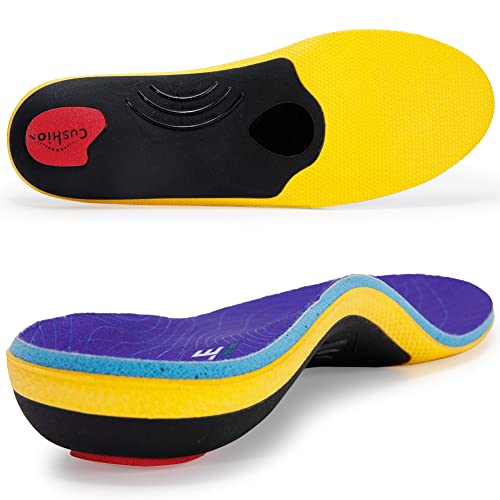
| Best Support Insert | Upper Material: (Insole product) — N/A (insoles only; not a shoe upper) | Insole / Support: Orthotic molded TPU shell with Poron heel pad (rigid high-arch support) | Heel Protection / Cushioning: Poron heel pad + shock-guard technology | VIEW LATEST PRICE | Read Our Analysis |
| Merrell Womens Moab 2 Vent |

| Best Breathable Hiker | Upper Material: Pigskin leather + mesh (suede leather outer) | Insole / Support: Kinetic Fit ADVANCED removable contoured insole (medium support) | Heel Protection / Cushioning: Reinforced heel cushioning (insole) | VIEW LATEST PRICE | Read Our Analysis |
| Merrell Women’s Moab 3 Hiking Shoes |

| Best Durable Trail Shoe | Upper Material: Pig suede leather + mesh | Insole / Support: Kinetic Fit ADVANCED removable contoured insole (medium support) | Heel Protection / Cushioning: Reinforced heel cushioning (insole) | VIEW LATEST PRICE | Read Our Analysis |
| Merrell Women’s Siren Edge 3 Shoes |

| Best Lightweight Stability | Upper Material: Mesh + TPU | Insole / Support: Kinetic Fit BASE removable contoured insole (flexible support) | Heel Protection / Cushioning: Heel cushioning via contoured insole | VIEW LATEST PRICE | Read Our Analysis |
More Details on Our Top Picks
Skechers Women’s Go Walk Joy Slip-on Walking Shoes
If you’re looking for a light, cushioned shoe that keeps pressure off a painful forefoot, the Skechers Go Walk Joy slip-on can be a smart pick for mild Morton’s neuroma symptoms. You’ll appreciate the soft 5GEN midsole that absorbs shock and the Goga Max insole that returns energy so your steps feel easier. The athletic mesh upper breathes and stretches, so your toes don’t get cramped. You can slip them on quickly for a hike or a walk, wash them in a machine, and trust the low profile rubber sole for steady traction on trails. They’re vegan and simple to love.
- Upper Material:Synthetic engineered mesh
- Insole / Support:Goga Max high-rebound insole (foam support)
- Heel Protection / Cushioning:5GEN midsole cushioning + responsive insole
- Closure / Fit System:Easy slip-on
- Debris / Toe Protection:Protective athletic toe area (engineered mesh design)
- Outsole / Traction Material:Rubber sole
- Additional Feature:Machine washable fabric
- Additional Feature:100% vegan construction
- Additional Feature:Lightweight athletic silhouette
VALSOLE Heavy-Duty Orthotic Insoles for High Arches
You’ll find the VALSOLE Heavy-Duty Orthotic Insoles for High Arches are a top choice when you need strong, reliable arch support and cushioning that stands up to heavier weight and long days on your feet. You’ll like how rigid high-arch support and a deep heel cup keep your foot aligned and reduce strain on the plantar fascia. The Poron heel pad and shock-guard tech absorb impact so hiking, standing, or running hurts less. The hard TPU shell gives stability while fabric lining fights odor. You can trim them to fit boots, running shoes, work shoes, and most hiking shoes.
- Upper Material:(Insole product) — N/A (insoles only; not a shoe upper)
- Insole / Support:Orthotic molded TPU shell with Poron heel pad (rigid high-arch support)
- Heel Protection / Cushioning:Poron heel pad + shock-guard technology
- Closure / Fit System:Trim-to-fit insole (customizable within shoes)
- Debris / Toe Protection:N/A (insole only; no toe protection)
- Outsole / Traction Material:N/A (insole only; not a full shoe outsole)
- Additional Feature:Trim-to-fit customization
- Additional Feature:Poron heel shock-pad
- Additional Feature:Hard TPU arch shell
Merrell Womens Moab 2 Vent
Think of the Merrell Womens Moab 2 Vent as a solid choice for walkers with Morton’s neuroma who need roomy toe space, steady heel support, and breathability on longer hikes. You’ll notice the pigskin leather and mesh upper gives durable cover while the breathable mesh lining and venting keep your feet cool. The bellows tongue and protective toe cap stop grit and protect sensitive toes. You get a traditional lace closure and a Kinetic Fit ADVANCED removable insole with reinforced heel cushioning for medium support. The Vibram sole gives reliable traction. You can swap insoles to fit custom orthotics and comfort needs.
- Upper Material:Pigskin leather + mesh (suede leather outer)
- Insole / Support:Kinetic Fit ADVANCED removable contoured insole (medium support)
- Heel Protection / Cushioning:Reinforced heel cushioning (insole)
- Closure / Fit System:Traditional lace closure
- Debris / Toe Protection:Protective toe cap + bellows tongue
- Outsole / Traction Material:Vibram sole
- Additional Feature:Protective toe cap
- Additional Feature:Vibram outsole traction
- Additional Feature:Bellows tongue debris barrier
Merrell Women’s Moab 3 Hiking Shoes
For walkers with Morton’s neuroma who need roomy comfort and steady support, the Merrell Women’s Moab 3 is a strong, practical choice. You get a pig suede leather and mesh upper that breathes and stays protective. A molded toe cap and bellows tongue keep rocks and grit out so you can focus on footing. Inside, recycled mesh lines feel soft while a Kinetic Fit ADVANCED removable contoured insole gives medium support and extra heel cushioning. You can swap insoles for orthotics. Recycled laces and webbing add eco-minded detail. The rubber sole grips trails and gives confident traction on varied terrain.
- Upper Material:Pig suede leather + mesh
- Insole / Support:Kinetic Fit ADVANCED removable contoured insole (medium support)
- Heel Protection / Cushioning:Reinforced heel cushioning (insole)
- Closure / Fit System:Traditional lace closure
- Debris / Toe Protection:Protective toe cap + bellows tongue
- Outsole / Traction Material:Rubber sole
- Additional Feature:Recycled mesh lining
- Additional Feature:Recycled laces/webbing
- Additional Feature:Made in USA or imported
Merrell Women’s Siren Edge 3 Shoes
If you need a lightweight hiking shoe that eases forefoot pressure and still gives firm support, the Merrell Women’s Siren Edge 3 is a strong choice for someone managing Morton’s neuroma. You’ll like the mesh and TPU upper because it keeps the shoe light while holding shape so your foot doesn’t slide. The removable Kinetic Fit BASE insole gives contoured support you can adjust or replace for extra relief. Breathable mesh lining and a bellows tongue keep your foot cool and debris-free on trails. The rubber sole grips well, and the traditional laces let you fine tune the fit.
- Upper Material:Mesh + TPU
- Insole / Support:Kinetic Fit BASE removable contoured insole (flexible support)
- Heel Protection / Cushioning:Heel cushioning via contoured insole
- Closure / Fit System:Traditional lace closure
- Debris / Toe Protection:Bellows tongue (keeps out debris)
- Outsole / Traction Material:Rubber sole
- Additional Feature:Mesh and TPU upper
- Additional Feature:Kinetic Fit BASE insole
- Additional Feature:Lightweight structural support
Factors to Consider When Choosing Hiking Shoes for Morton’s Neuroma
When you’re choosing hiking shoes for Morton’s neuroma, pay close attention to toe box width and proper fit length so your toes aren’t cramped or pushed forward. Also look for the right arch support, good cushioning and shock absorption, and a removable insole so you can customize orthotics for comfort. These factors work together to protect the ball of your foot and keep pain in check on every trail.
Toe Box Width
A wider, deeper toe box can make a huge difference if you’re dealing with Morton’s neuroma, because it gives your toes room to spread and takes pressure off the ball of your foot. Choose shoes that leave about 1 to 1.5 cm of extra space beyond your longest toe and offer a roomy forefoot width. That space reduces compressive forces and lets your toes splay naturally. Avoid tapered or pointed toe boxes and any seams or overlays that press across the metatarsal heads where the nerve sits. Prefer flexible uppers and stretchable mesh or leather so the shoe moves with swelling and won’t rub the neuroma. When you test fit, walk downhill and on inclines to make certain toes don’t pinch or slide forward.
Arch Support Level
You’ll usually find that the right arch support makes a big difference for Morton’s neuroma because it changes how weight travels through your foot and eases pressure on the ball of the foot. Choose moderate to high arch support to cut pressure on the metatarsal heads and stop the forefoot from splaying outward. A rigid or semi-rigid arch scaffold keeps the medial longitudinal arch lifted and shifts load away from the interdigital nerves. Look for contoured insoles that fill the arch void and keep the forefoot aligned so compressive forces between metatarsals drop. Avoid sharply peaked arches that create new hot spots. If your arch is very high or collapses, use removable, customizable insoles so you can tune height and firmness for comfort.
Cushioning And Shock
Often you’ll find that cushioning and shock control make the biggest difference for comfort when you’ve got Morton’s neuroma, so picking the right midsole matters more than flashy looks. You want high-rebound cushioning and a soft heel pad to blunt impact and lower peak plantar pressures. Also look for a thick viscoelastic forefoot cushion, roughly six to eight millimeters of compliant foam, to spread load across the metatarsal heads and ease nerve compression. Shoes with multi-density midsoles work well because they keep arch support firm while letting the forefoot stay soft where you need it. Consider a forefoot rocker sole too, since it reduces forefoot dorsiflexion and shortens push off, which cuts repetitive pressure. Avoid very thin soles or stiff racing plates that transfer impact to the nerve.
Insole Removability
Think about removable insoles as your best tool for customizing comfort when you’re managing Morton’s neuroma on the trail. You’ll want a truly removable footbed, not one that’s glued or only partly detached. That lets you swap in custom orthotics or metatarsal pads to unload pressure from the forefoot. Check that the shoe has enough internal volume; shoes accepting aftermarket insoles usually need about 3–6 mm of extra vertical clearance under the arch and forefoot. Also confirm the toe box width and depth can handle added thickness without compressing your toes. Prefer insoles that trim to size and shoes with secure lacing or closures so orthotics stay seated and don’t shift while you walk. Inspect the insole before you buy.
Proper Fit Length
After you’ve checked that the insole can be removed and swapped for your orthotic, the next thing to get right is shoe length. You want about 1/2 inch 12–13 mm of space from your longest toe to the shoe tip so your forefoot won’t be compressed and the neuroma won’t flare. Try shoes at the end of the day or after a short walk because feet swell, and pick the size that keeps that 1/2 inch gap. Wear the hiking socks you’ll actually use and walk several minutes to confirm there’s no rubbing or sliding that could irritate the ball of your foot. If you use custom orthotics or high support insoles, insert them when testing length so the usable toe space stays adequate.
Traction And Stability
Because your comfort on the trail starts with how the shoe meets the ground, traction and stability matter more than you might expect when managing Morton’s neuroma. You want a wide, stable outsole and a low to moderate heel to toe drop of eight to ten millimeters or less to cut forefoot pressure and reduce shearing on the nerve. Deep, multi directional lugs and grippy rubber give confident traction so you won’t grip with your toes. A firm, torsion resistant midsole and supportive shank control motion and limit pronation that can increase nerve compression. Look for a broad roomy forefoot and lateral stability like a flared outsole. Finally choose lightweight shoes with a stable heel cup and heel lock lacing to stop slippage and sliding.