

You’ll want lightweight, reliable stoves that actually boil fast and save space; top picks for 2026 include the MSR PocketRocket 2 for tiny pack weight and quick 1 L boils, the wind-shedding SOTO WindMaster for steady heat in gusts, the stackable Fire-Maple Star X2 Pro and Fixed Star 1 for integrated, fuel-saving heat-exchange cooking, and the Odoland mess kit that nests a pot and folding stove to cut bulk; stick with threaded isobutane-propane canisters and protected canisters to get the best real-world performance and fuel economy, and keep going to learn which fits your trips.
| MSR PocketRocket 2 Ultralight Camping and Backpacking Stove |

| Best Lightweight Pick | Fuel Type / Compatibility: Isobutane-propane threaded canisters | Portability / Packability: Ultralight, collapsible (2 x 2 x 3 in collapsed) with case | Ignition Type: Manual ignition (no built-in ignitor specified) | VIEW LATEST PRICE | Read Our Analysis |
| Odoland 6-Piece Lightweight Camping Cookware Mess Kit |
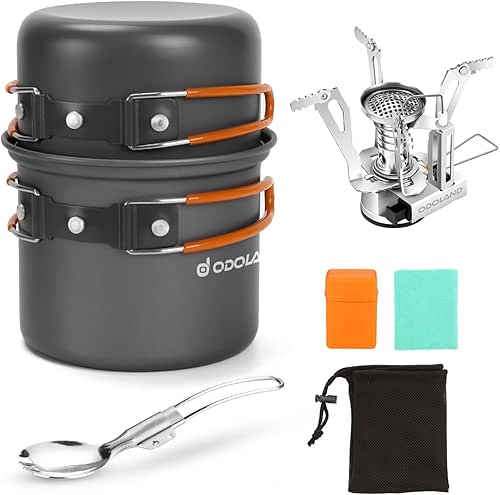
| Best All-in-One Kit | Fuel Type / Compatibility: Fits gas canister with kit (canister-style fuel compatibility) | Portability / Packability: Lightweight, foldable parts, all pack into mesh bag | Ignition Type: Stove included (ignition method not specified) | VIEW LATEST PRICE | Read Our Analysis |
| SOTO WindMaster Wind-Resistant Lightweight Backpacking Canister Stove |
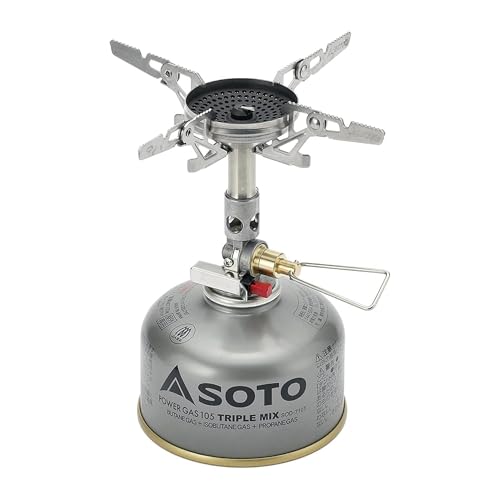
| Best for Windy Conditions | Fuel Type / Compatibility: Butane/isobutane/propane blended canisters (100% propane prohibited) | Portability / Packability: Compact, lightweight (67 g / 2.3 oz) | Ignition Type: Built-in stealth igniter on burner post | VIEW LATEST PRICE | Read Our Analysis |
| Fire-Maple Star X2 Pro Backpacking Camping Stove |

| Best Integrated System | Fuel Type / Compatibility: Propane-style canister (integrated stove-pot system) | Portability / Packability: Compact form factor; accessories nest in pot | Ignition Type: Built-in piezoelectric ignitor | VIEW LATEST PRICE | Read Our Analysis |
| Fire-Maple Fixed Star 1 Backpacking Stove System |

| Best Compact Setup | Fuel Type / Compatibility: Propane-style fuel canisters (not Coleman fuel) | Portability / Packability: Compact integrated system; accessories fit inside 1 L pot | Ignition Type: Built-in piezoelectric ignitor | VIEW LATEST PRICE | Read Our Analysis |
More Details on Our Top Picks
MSR PocketRocket 2 Ultralight Camping and Backpacking Stove
If you want a stove that shaves ounces without stealing performance, the MSR PocketRocket 2 is built for you. You’ll hold a 2.6 oz titanium lightweight that packs down to 2 x 2 x 3 inches, slipping into its protective case to weigh 4.2 oz. You’ll connect common self sealing isobutane propane canisters found worldwide, no priming or pressurizing needed. You’ll boil a liter in about 3.5 minutes and dial the flame from simmer to rolling boil. You’ll balance pots on serrated supports that fit many sizes. You’ll set up fast, cook reliably, and trust it on long minimalist trips.
- Fuel Type / Compatibility:Isobutane-propane threaded canisters
- Portability / Packability:Ultralight, collapsible (2 x 2 x 3 in collapsed) with case
- Ignition Type:Manual ignition (no built-in ignitor specified)
- Cookware Support / Pot Stability:Serrated pot supports for varied pot sizes
- Boil Time / Performance:~3.5 minutes to boil 1 L
- Materials / Construction:Metal stove with protective case (lightweight construction)
- Additional Feature:Protective storage case
- Additional Feature:Serrated pot supports
- Additional Feature:No priming required
Odoland 6-Piece Lightweight Camping Cookware Mess Kit
You’ll appreciate the Odoland 6-piece mess kit if you want a compact, no-fuss cooking set that tucks everything into one small bag and gets dinner on the trail fast. You get two non-toxic anodized aluminum pots that heat quickly and resist wear. Foldable handles and a folding stove save space, so you can fit a gas canister with the kit. A spork and cleaning cloth are handy for quick meals and tidy campsites. The mesh carry bag keeps items snug and dry. You’ll like the solid build that feels reliable, and the light weight that keeps your pack happy.
- Fuel Type / Compatibility:Fits gas canister with kit (canister-style fuel compatibility)
- Portability / Packability:Lightweight, foldable parts, all pack into mesh bag
- Ignition Type:Stove included (ignition method not specified)
- Cookware Support / Pot Stability:Pots with foldable handles; stove supports included
- Boil Time / Performance:Not specified numerically; designed for quick heating (anodized aluminum conducts heat quickly)
- Materials / Construction:Anodized aluminum pots; lightweight solid build
- Additional Feature:Includes cleaning cloth
- Additional Feature:Packable mesh bag
- Additional Feature:Foldable pot handles
SOTO WindMaster Wind-Resistant Lightweight Backpacking Canister Stove
Pick the SOTO WindMaster when you want a stove that handles wind, saves fuel, and stays featherlight on your pack. You’ll love its 67 g weight and small size that tuck into your kit without fuss. The concave burner and close pot placement act like a windscreen, so you boil two cups in under 2.5 minutes and use less fuel. It keeps steady heat in cold, gusty conditions. The Stealth igniter is tough and reliable. Use the 4Flex pot support for big pots or add TriFlex for small pots. Carry a protected canister, keep the base clean, and avoid sandy spots.
- Fuel Type / Compatibility:Butane/isobutane/propane blended canisters (100% propane prohibited)
- Portability / Packability:Compact, lightweight (67 g / 2.3 oz)
- Ignition Type:Built-in stealth igniter on burner post
- Cookware Support / Pot Stability:4Flex pot support (stable for larger cookware)
- Boil Time / Performance:<2.5 minutes to boil 2 cups (~0.47 L)
- Materials / Construction:Metal burner with integrated igniter; lightweight durable construction
- Additional Feature:Built-in stealth igniter
- Additional Feature:Concave windproof burner
- Additional Feature:4Flex pot support
Fire-Maple Star X2 Pro Backpacking Camping Stove
Hikers who want fast, reliable cooking on long treks will love the Fire-Maple Star X2 Pro because it cuts boiling times by up to 30% and keeps wind from stealing heat, so you spend less time fussing and more time enjoying the trail. You’ll notice the integrated cook pot and stove save space, and all accessories stack neatly inside. The built-in piezo ignitor gets you cooking without matches. At 19.8 oz the unit stays light for multi-day trips. Hard-anodized aluminum and a locking stainless-steel handle add durability, while a neoprene cover insulates. It uses less plastic and feels safe and solid.
- Fuel Type / Compatibility:Propane-style canister (integrated stove-pot system)
- Portability / Packability:Compact form factor; accessories nest in pot
- Ignition Type:Built-in piezoelectric ignitor
- Cookware Support / Pot Stability:Integrated pot and stove (stable combined unit)
- Boil Time / Performance:Reduces boiling time up to 30% (vs conventional)
- Materials / Construction:Hard-anodized aluminum pot; stainless-steel handle; neoprene cover
- Additional Feature:Integrated cook-stove unit
- Additional Feature:Built-in piezo ignitor
- Additional Feature:Neoprene pot cover
Fire-Maple Fixed Star 1 Backpacking Stove System
If you want a compact stove that cuts boiling time and stows everything inside a single pot, the Fire-Maple Fixed Star 1 is built for trips where every ounce and minute matter. You’ll like the built-in jet burner and heat-exchange pot that trims boil times up to 30 percent. It fits a 1 liter hard-anodized pot and stores stove, bowl, and compatible propane-style canister inside. You won’t get Coleman fuel compatibility, so plan fuel ahead. The piezo ignitor lights instantly, and a windscreen boosts performance. At 18 ounces with a neoprene cover and locking handle, it feels sturdy and smart.
- Fuel Type / Compatibility:Propane-style fuel canisters (not Coleman fuel)
- Portability / Packability:Compact integrated system; accessories fit inside 1 L pot
- Ignition Type:Built-in piezoelectric ignitor
- Cookware Support / Pot Stability:Integrated pot and jet burner; secure handle and stability
- Boil Time / Performance:Reduces boiling time up to 30% (heat-exchange technology)
- Materials / Construction:Hard-anodized aluminum pot; stainless-steel locking handle; neoprene cover
- Additional Feature:All accessories nest inside
- Additional Feature:Built-in piezo ignitor
- Additional Feature:Locking stainless handle
Factors to Consider When Choosing a Stove for Backpacking
When you pick a backpacking stove, think first about weight and packability since every ounce adds up on long hikes. Also consider fuel type, boil time and efficiency, wind resistance, and how stable the pot support is so you can cook safely and quickly in real conditions. Together these factors shape a stove that fits your trip, your cooking style, and gives you fewer worries on the trail.
Weight And Packability
You’ll want to think beyond the stove head itself and focus on the total system weight you’ll be carrying, because fuel canisters, pots, and small accessories often add more bulk than the burner. Pay attention to real carried load instead of stove-only specs. For example, a tiny burner under 3 ounces can become over a pound once you add fuel and a windscreen. Look for collapsible or integrated designs that let you nest the stove, pot, windscreen, and utensils. That saves space and keeps your pack organized. Also check collapsed dimensions and shape. Short, flat setups slide into hipbelt pockets or alongside a sleeping bag more easily than tall units. Finally, weigh tradeoffs between lightness and durability, and pack fragile ultralight items with care.
Fuel Type Compatibility
Fuel choice matters as much as the stove itself, and it shapes how you plan, pack, and cook on the trail. You should check which fuel mixtures your stove supports, since some won’t run on 100% propane and need specific blends like isobutane or propane mixes. Also confirm whether the stove uses threaded self-sealing canisters or a remote liquid fuel line, because canisters are easier to find and lighter while liquid fuel needs refillable bottles. Think about cold-weather performance, since isobutane propane blends hold pressure better than pure butane and give you more reliable heat. Verify fuel availability and legality at your destination, and match estimated burn times per 250 g canister to your trip length and group needs so you won’t run out.
Boil Time And Efficiency
If you want hot water fast and without wasting fuel, boil time and efficiency should guide your stove choice. You’ll want a stove that brings one liter to a boil in about one to four minutes. Faster times save fuel and let you move on quickly. Also watch heat output in watts or BTU per hour. More power shortens boil time but can use more fuel, so match power to how you cook. Pay attention to fuel type and regulator performance for steady heat in cold. Wind and cold affect real-world times, so choose burners with wind-resistant designs and consider a windscreen. Finally, check stove-to-pot fit and heat-exchange features since close fit and good supports boost heat transfer and cut fuel use.
Wind Resistance Performance
When wind kicks up while you’re cooking, stove choice suddenly matters more than you thought, and a good wind-resistant design keeps your meal on track and your fuel use low. You want a burner that hugs the pot and directs heat, because closer, concave burners and tight pot-to-burner fit cut convective loss. That matters, since wind-resistant stoves can shorten boil times and save roughly 30 percent fuel compared with exposed designs. Built-in windscreens or compact physical shields keep flame stability and steady output in gusts or cold, so you won’t chase simmer-to-boil swings. In real use, windy conditions shorten runtime, so choose stoves that keep high output without long setup. Focus on models that protect the flame and give quick boils for small volumes.
Stability And Pot Support
Balance matters more than you think when you’re cooking on uneven ground, so pick a stove that gives you a wide, low stance and strong pot supports to stop wobbling and spills. You want a design with multiple support arms and a low center of gravity so stirring or wind gusts do not send your pot tilting. Look for serrated or textured supports that bite into the base of your pot, especially if you use lightweight titanium cookware that slips easily. Check the stove’s rated support capacity and footprint to make sure it holds a full pot of water without rocking. Fold out or extendable supports help when you cook with larger pots. Avoid stoves that sit directly on soft sand or soil without a dedicated base.
Durability And Materials
Because your stove will face knocks, scrapes, and lots of heat, choose materials and construction that stand up to the real world. You want hard-anodized aluminum, stainless steel, or titanium. Each resists dents and corrosion and handles repeated heating. Think about welded joints, reinforced pot supports, and sealed valve assemblies because those parts often fail first. Check the igniter type, too, whether piezo or manual, and make sure it can be replaced if it breaks. Balance weight to strength: titanium saves weight and still holds up, while stainless steel takes more abuse. Look for protective cases, folding or locking pot handles, and compact stowage so parts don’t bend or rub in your pack. These choices keep you cooking on the trail.
Frequently Asked Questions
Are Canister Stoves Functionally Safe at High Altitudes?
Yes — they’re generally safe. Think of a canister stove as a trusty lantern climbing a mountain: you’ll adjust fuel flow, watch for cold or low pressure issues, and take precautions with ventilation, priming, and stable setup to avoid problems.
How Do These Stoves Perform in Subzero Temperatures?
They struggle in subzero temps; you’ll see reduced pressure and flame, slower boil times, and possible fuel freezing. You’ll want liquid-fuel or canister stoves with preheat/special fuels, and you’ll keep canisters warm.
Can I Use Alcohol Instead of Gas Canisters With These Models?
You generally can’t swap alcohol for gas canisters on those models; I once boiled soup with denatured alcohol when canisters froze, learning improvisation’s limits—alcohol needs different burners, gives less heat, and may be unsafe or inefficient.
What Maintenance Is Required After Long-Term Backpacking Use?
You should clean soot and residue, check seals and O-rings for cracks, lubricate threads, inspect fuel lines and valves, replace worn parts, store dry with fuel drained, and pressure-test or light the stove before your next trip.
Are Replacement Parts and Accessories Widely Available Globally?
Yes — availability varies: big brands are common in cities but scarce in remote regions, so you’ll want to stock spares before heading out. Check brand networks, carry essential seals and jets, and pack repair tools.