

These budget hiking boots actually hold up on trails and deliver real value. My top 2026 picks are Timberland White Ledge Mid, Columbia Newton Ridge Plus, two NORTIV 8 models (lightweight ankle and full hiking), and a wide-fit waterproof snow boot. They’re waterproof, provide solid traction, and balance cushioning with durability so you won’t replace them every season.
I focused on seam-sealed membranes, EVA or MD midsoles, and reinforced toes to match specific trails and packs.
| Timberland Men’s White Ledge Mid Waterproof Hiking Boots |
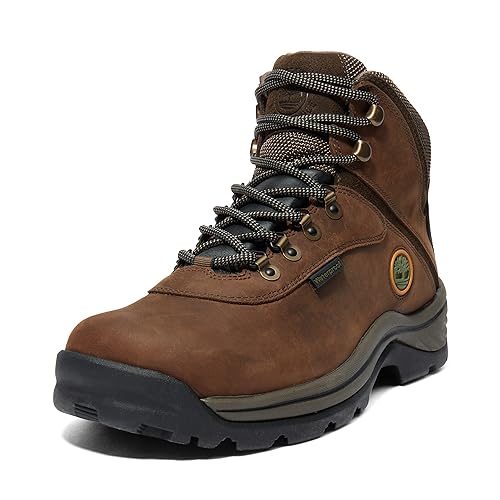
| Durable Classic | Waterproof: Waterproof construction (Premium waterproof leather) | Sole Material: Rubber sole | Midsole / Cushioning: EVA footbed and midsole | VIEW LATEST PRICE | Read Our Analysis |
| Columbia Women’s Newton Ridge Plus Waterproof Hiking Boots |

| Women’s All-Rounder | Waterproof: Waterproof (leather and suede, seam-sealed) | Sole Material: Rubber outsole | Midsole / Cushioning: TECHLITE lightweight midsole | VIEW LATEST PRICE | Read Our Analysis |
| NORTIV 8 Men’s Waterproof Lightweight Ankle Hiking Boots |

| Lightweight Performer | Waterproof: Waterproof (nylon upper designed for wet/muddy surfaces) | Sole Material: Rubber outsole (EVA midsole) | Midsole / Cushioning: EVA midsole (lightweight, flexible) | VIEW LATEST PRICE | Read Our Analysis |
| NORTIV 8 Men’s Waterproof Lightweight Hiking Boots |
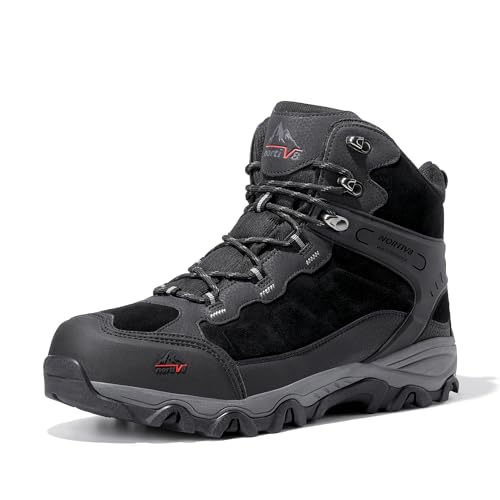
| Rugged Support | Waterproof: Waterproof membrane construction | Sole Material: Rubber outsole (EVA/MD midsole) | Midsole / Cushioning: MD shock-absorbent midsole (plus EVA listed) | VIEW LATEST PRICE | Read Our Analysis |
| Men’s Waterproof Snow Boots Hiking Boot |

| Winter Workhorse | Waterproof: Waterproof (faux leather) | Sole Material: Rubber sole | Midsole / Cushioning: (Padded collar; cushioning implied) — no specific midsole material listed | VIEW LATEST PRICE | Read Our Analysis |
More Details on Our Top Picks
Timberland Men’s White Ledge Mid Waterproof Hiking Boots
The Timberland White Ledge Mid Waterproof is best suited for hikers who prioritize reliable, all‑weather protection and durable construction. Timberland’s White Ledge Mid uses waterproof Premium Timberland Leather and a ReBOTL fabric lining to keep feet dry while reducing environmental impact. An EVA footbed and midsole provide lightweight cushioning; a rubber sole delivers traction. The mid/ankle shaft and fully gusseted tongue block debris; rustproof speed lace hardware with top lace hooks secures fit. With a 9.75-inch shaft circumference and imported assembly, the boot balances protection, support, and straightforward performance for trail and outdoor use without unnecessary features.
- Waterproof:Waterproof construction (Premium waterproof leather)
- Sole Material:Rubber sole
- Midsole / Cushioning:EVA footbed and midsole
- Shaft Height:Mid/ankle shaft height
- Traction / Outsole Grip:Rubber sole for outdoor traction
- Intended Use:Hiking / outdoor use
- Additional Feature:Fully gusseted tongue
- Additional Feature:Rustproof speed-lace hardware
- Additional Feature:Premium Timberland leather
Columbia Women’s Newton Ridge Plus Waterproof Hiking Boots
For hikers seeking a reliable, all‑purpose boot that balances waterproof protection with lightweight comfort, the Columbia Women’s Newton Ridge Plus is a strong choice. This mid‑cut boot pairs leather and suede waterproof uppers with seam‑sealed construction, reinforced toe and heel barriers, and an extended outsole toe overwrap for durability. TECHLITE midsoles deliver long‑lasting cushioning and energy return, while Omni‑GRIP rubber outsoles provide non‑marking, high‑traction performance across varied terrain for three‑season use. True‑to‑size fit and multiple color options increase versatility. Imported and mountaineering‑inspired in design, the Newton Ridge Plus protects from rain, mud, and muck for dependable trail service.
- Waterproof:Waterproof (leather and suede, seam-sealed)
- Sole Material:Rubber outsole
- Midsole / Cushioning:TECHLITE lightweight midsole
- Shaft Height:Mid-cut (mid) shaft height
- Traction / Outsole Grip:Omni-GRIP non-marking traction rubber outsole
- Intended Use:Hiking / three-season trail use
- Additional Feature:TECHLITE lightweight midsole
- Additional Feature:Omni-GRIP non-marking outsole
- Additional Feature:Reinforced toe/heel barriers
NORTIV 8 Men’s Waterproof Lightweight Ankle Hiking Boots
NORTIV 8’s waterproof lightweight ankle boots suit outdoor workers and frequent hikers who need durable, comfortable footwear without bulk. Constructed from nylon with an ankle-height shaft (approximately 10-inch circumference), they pair removable, shock-absorbent cushioned insoles with flexible EVA midsoles for reduced fatigue and high energy return. A rubber outsole delivers advanced, non-slip traction engineered for wet, muddy, and uneven terrain. Durable construction supports varied activities—hiking, camping, backpacking, hunting, fishing, cycling, and travel—making them versatile for daily work and extended outings. NORTIV 8 positions these boots as an affordable option that emphasizes cushioning, stability, and practical durability.
- Waterproof:Waterproof (nylon upper designed for wet/muddy surfaces)
- Sole Material:Rubber outsole (EVA midsole)
- Midsole / Cushioning:EVA midsole (lightweight, flexible)
- Shaft Height:Ankle shaft height
- Traction / Outsole Grip:High-quality rubber outsole with advanced non-slip traction
- Intended Use:Hiking and multi-outdoor activities (hiking, trekking, etc.)
- Additional Feature:Removable shock-absorbent insoles
- Additional Feature:Nylon outer material
- Additional Feature:Lightweight flexible EVA
NORTIV 8 Men’s Waterproof Lightweight Hiking Boots
A lightweight, waterproof option for hikers who prioritize all-day comfort and reliable traction, the NORTIV 8 Men’s Waterproof Lightweight Hiking Boots pair suede durability with a shock-absorbent MD midsole and rugged rubber outsole for varied terrain. They use a waterproof membrane, rubber toe cap, and reinforced heel for protection and stability, with an ankle-height shaft (30.8 cm circumference). The EVA and rubber sole features multi-directional traction and slip resistance for trails and wet surfaces. Comfort comes from a flexible, removable insole and cushioned footsteps. Intended for hiking, backpacking, camping, mountaineering and everyday outdoor use, they balance support and lightweight performance.
- Waterproof:Waterproof membrane construction
- Sole Material:Rubber outsole (EVA/MD midsole)
- Midsole / Cushioning:MD shock-absorbent midsole (plus EVA listed)
- Shaft Height:Ankle-height shaft
- Traction / Outsole Grip:Rugged rubber outsole with multi-directional traction (MDT), slip-resistant
- Intended Use:Hiking and multi-outdoor activities (hiking, trekking, mountaineering, etc.)
- Additional Feature:Rubber toe cap
- Additional Feature:Suede finish upper
- Additional Feature:MD shock-absorbent midsole
Men’s Waterproof Snow Boots Hiking Boot
Geared toward men who need reliable traction and dryness in snowy trails, the Men’s Waterproof Snow Boots Hiking Boot pairs faux leather uppers with a rubber sole to keep feet protected and stable. The lace-up front allows adjustable security while the wide fit accommodates broader feet without pinching. An ankle-height shaft with a 4-inch circumference offers low-profile support and easy mobility on varied terrain. A padded collar increases comfort during extended wear and reduces chafing. Fully waterproof construction makes the boot suitable for snow and hiking, balancing practical weather resistance with everyday usability for winter treks and wet conditions.
- Waterproof:Waterproof (faux leather)
- Sole Material:Rubber sole
- Midsole / Cushioning:(Padded collar; cushioning implied) — no specific midsole material listed
- Shaft Height:Ankle shaft height
- Traction / Outsole Grip:Rubber sole (designed for snow/hiking traction)
- Intended Use:Snow and hiking
- Additional Feature:Wide fit design
- Additional Feature:Padded collar comfort
- Additional Feature:Faux leather upper
Factors to Consider When Choosing Hiking Boots For Cheap
When I’m hunting for cheap hiking boots, I focus first on fit and sizing because comfort beats style on the trail. I also weigh material durability, waterproofing, traction, and the level of cushioning and support so I don’t trade savings for failure. I’ll walk through how each of these factors affects long-term performance and value.
Fit And Sizing
Because fit makes or breaks comfort on the trail, I always start by checking toe room, heel lock, and midfoot snugness together rather than separately. I look for about a thumb’s width (1–1.5 cm) in front of my longest toe to prevent impact on descents. I try boots on with the hiking socks I’ll use, lace them fully, and confirm heel lift stays under about 1 cm to avoid blisters. Across the widest part my foot should feel snug without pressure points on the instep or sides; any hot spot is a dealbreaker. I also check shaft height and ankle/calf circumference for support without rubbing, and remember waterproof linings, thicker insoles, or orthotics may mean grabbing a half size up.
Material Durability
Having fit right, the next thing I check is how the materials will hold up over time—especially when I’m buying cheaper boots and counting on them for many miles. I favor uppers in full‑grain or high‑quality split leather, or tightly woven nylon, since they resist abrasion and punctures far better than thin fabrics. I inspect outsoles for harder rubber compounds and thicker lugs; softer, thin rubber wears fast on rocky trails. For midsoles, I know EVA feels comfy but compresses sooner than denser PU or dual‑density foam, so I avoid boots relying solely on EVA if I want longevity. I also look for rubber toe caps, stitched seams, bonded overlays and robust liners or seam‑sealed membranes that withstand wet/dry cycles without delaminating.
Waterproofing Level
I usually weigh how much waterproofing I need against breathability and budget: full waterproof membranes keep out prolonged wet and snow, while DWR‑treated leather or suede handles occasional wet trails but can soak through if submerged. For cheap boots, I favor sealed seams and a fully gusseted tongue—those features cut real-world water entry more than marketing claims. If I expect long wet days or snow, I pick a dedicated membrane; for drier seasons, treated leather with periodic DWR reproofing saves money. I also check collars and interior linings for breathability since membranes trap sweat; a breathable liner reduces blister risk. Finally, I inspect older boots for membrane failures and plan to reapply DWR as protection wanes.
Traction And Soles
Once you’ve settled on the waterproofing level, you’ll want to look closely at traction and soles—especially on cheaper boots where outsole quality varies a lot. I always scan for rubber outsoles with multi-directional lugs and 4–6 mm tread depth to grip wet, muddy, and loose terrain. Check for a firm midsole-to-outsole bond and durable rubber compounds: sticky rubber for wet rocks, harder rubber for longer wear. Prioritize a defined heel brake and varied lug patterns to improve downhill control and reduce slips on steep descents. Think about outsole stiffness—stiffer for rocky protection, more flexible for trail feel on easy routes. Finally, I inspect ratings for non-marking, oil- and abrasion-resistance so traction lasts across surfaces.
Cushioning And Support
Think about cushioning and support as the parts that keep your feet fresh and stable on long walks—especially when you’re shopping cheap. I look for an EVA or MD midsole first; they’re lightweight and absorb shock so my feet don’t tire as fast. Removable cushioned insoles are a must so I can tweak arch support or drop in orthotics if needed. I check for a firm heel counter and reinforced heel support to stabilize my rearfoot and prevent ankle rolls on rough trails. I also mind shaft height and collar padding—mid/ankle shafts with padding give lateral support and cut down pressure points. Together, these features give me the comfort and stability I need for long days out.
Weight And Flexibility
Usually I favor lighter, more flexible boots when I’m hiking without a heavy pack, because they cut fatigue and let my stride feel natural. I aim for mids around 1–2 pounds per pair for day trips; heavy-duty options often hit 2–4+ pounds and wear me down. Flexibility matters: the sole should bend at the ball of the foot—check torsional flex ratings or do the bend test. Don’t go too floppy; overly flexible boots lose support on rocky ground. I pick a balanced setup—stiffer midsoles for technical trails, more flexible for maintained paths. Materials guide choices: EVA mids and nylon uppers trim weight, while full leather and thick rubber add stiffness. Match weight and flex to how you’ll use them.
Price Versus Value
One thing I watch for when hunting cheaper hiking boots is whether the price cuts corners or simply trims branding — good value comes when manufacturers pair durable rubber outsoles and EVA midsoles with smart construction like seam-sealed membranes and reinforced toe/heel protection. I compare outsole compound quality, EVA versus MD midsoles, and shaft height to match protection and comfort needs. I factor total cost of ownership: a boot that lasts several seasons can beat repeatedly replacing a flimsy pair. I also look for removable shock-absorbent insoles, rustproof hardware, and clear warranty or return policies as risk reducers. Those features tell me a low price is real value, not hidden expense.