

I tested the top women’s trail shoes for 2026 and picked five standout options for different needs.
Columbia Newton Ridge Plus offers waterproof mid-cut support for wetter or rockier terrain. Merrell Moab 2 Vent provides breathability for warm, shorter hikes while Merrell Moab 3 delivers extra cushioning and stability for longer outings.
NORTIV 8 gives reflective-lined waterproofing and Joomra Barefoot provides a zero-drop design for natural toe splay and ground feel.
| Columbia Women’s Newton Ridge Plus Waterproof Hiking Boots |

| Best All-Terrain | Purpose: Hiking / all-terrain hiking boot | Outsole Material / Traction: Rubber outsole (Omni-GRIP non-marking) | Upper Material (main): Leather and suede with mesh | VIEW LATEST PRICE | Read Our Analysis |
| Joomra Women’s Barefoot Trail Running Minimalist Shoes |
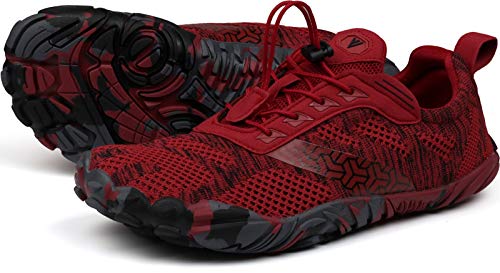
| Minimalist Freedom | Purpose: Trail running / barefoot-style trail shoe | Outsole Material / Traction: Rubber outsole with circular lugs | Upper Material (main): Premium knitted fabric upper | VIEW LATEST PRICE | Read Our Analysis |
| Merrell Womens Moab 2 Vent |

| Most Breathable | Purpose: Hiking / ventilated hiking shoe | Outsole Material / Traction: Rubber Vibram sole | Upper Material (main): Performance suede leather and mesh | VIEW LATEST PRICE | Read Our Analysis |
| NORTIV 8 Women’s Waterproof Hiking Boots |

| Stylish Waterproof | Purpose: Hiking / trekking and trail use | Outsole Material / Traction: Rubber traction outsole (advanced traction rubber) | Upper Material (main): Suede upper | VIEW LATEST PRICE | Read Our Analysis |
| Merrell Women’s Moab 3 Hiking Shoes |

| Best Stability | Purpose: Hiking / high-performance trail shoe | Outsole Material / Traction: Vibram TC5+ synthetic outsole (sticky rubber) | Upper Material (main): Lightweight leather and mesh upper | VIEW LATEST PRICE | Read Our Analysis |
More Details on Our Top Picks
Columbia Women’s Newton Ridge Plus Waterproof Hiking Boots
The Columbia Women’s Newton Ridge Plus Waterproof Hiking Boots are best for hikers who need a durable, weatherproof mid-cut boot that balances ankle support with lightweight cushioning. Constructed from leather and suede with a mesh interior, the seam-sealed design keeps feet dry while TECHLITE midsoles deliver long-lasting comfort, cushioning, and energy return. Omni-GRIP non-marking rubber outsoles provide reliable traction across varied terrain for three-season use. Reinforced toe and heel barriers, plus an extended outsole toe overwrap, protect high-wear areas. Inspired by classic mountaineering, these imported boots suit all-terrain hiking and offer dependable, comfortable service over extended years.
- Purpose:Hiking / all-terrain hiking boot
- Outsole Material / Traction:Rubber outsole (Omni-GRIP non-marking)
- Upper Material (main):Leather and suede with mesh
- Inner / Lining Material:Mesh lining
- Cushioning / Midsole or Insole:TECHLITE lightweight midsole (cushioning, energy return)
- Protective / Debris-Blocking Features:Reinforced toe/heel barriers and extended toe overwrap; seam-sealed waterproof construction
- Additional Feature:Omni-GRIP versatile outsole
- Additional Feature:TECHLITE high energy return
- Additional Feature:Reinforced toe/heel barriers
Joomra Women’s Barefoot Trail Running Minimalist Shoes
For women seeking a barefoot-like ride on mixed trails, the Joomra Barefoot Trail Running Minimalist Shoes deliver a low-profile, zero-drop platform with a wide toe box to encourage natural foot motion and toe splay. The integral knit upper offers lightweight breathability while a thicker topline prevents slipping. Drawstring and Velcro closures enable a secure, adjustable fit. Removable insoles provide optional arch support without concentrating forefoot pressure. A rubber outsole with circular lugs balances traction and durability, yielding a responsive feel on unpredictable terrain. Overall, the design prioritizes natural movement, freedom comparable to barefoot walking, and practical trail performance.
- Purpose:Trail running / barefoot-style trail shoe
- Outsole Material / Traction:Rubber outsole with circular lugs
- Upper Material (main):Premium knitted fabric upper
- Inner / Lining Material:Knitted fabric inner
- Cushioning / Midsole or Insole:Removable insoles (support option); minimalist cushioning
- Protective / Debris-Blocking Features:Thicker topline to prevent slipping; wide toe box (natural protection via fit)
- Additional Feature:Zero-drop heel-to-toe
- Additional Feature:Wide toe box
- Additional Feature:Drawstring + Velcro closure
Merrell Womens Moab 2 Vent
Designed for hikers who prioritize breathability and reliable traction, the Merrell Womens Moab 2 Vent pairs a performance suede-and-mesh upper with an imported Vibram rubber sole to balance durability and grip on varied trails. The shoe features 100% synthetic fabric components, a leather outer, and a mesh inner that supports airflow. A bellows tongue with closed-cell foam helps block moisture and debris while contributing to comfort. Breathable mesh lining increases ventilation for longer outings. The Vibram sole delivers dependable traction on mixed terrain, and the overall construction suits active outdoor use. The item is imported.
- Purpose:Hiking / ventilated hiking shoe
- Outsole Material / Traction:Rubber Vibram sole
- Upper Material (main):Performance suede leather and mesh
- Inner / Lining Material:Mesh breathable lining
- Cushioning / Midsole or Insole:Closed-cell foam tongue and supportive footbed (vented comfort)
- Protective / Debris-Blocking Features:Bellows tongue to keep out debris; protective toe cap
- Additional Feature:Vibram rubber sole
- Additional Feature:Bellows tongue design
- Additional Feature:Breathable mesh ventilation
NORTIV 8 Women’s Waterproof Hiking Boots
Lightweight yet protective construction makes NORTIV 8 Women’s Waterproof Hiking Boots an excellent choice for hikers seeking durable support without excess bulk. The suede upper and mesh tongue balance a feminine look with breathability, while microfiber lining with heat-reflective properties adds comfort. A 14.98 oz single-shoe weight and 1.00-inch platform keep the profile light. EVA midsole and insole provide cushioning; the slightly firm sole prioritizes protection and longevity. Advanced rubber outsole offers slip-resistant traction on rugged terrain. Available in contrasting colors and a wide toe box option, these boots reflect Nortiv 8’s focus on high-quality outdoor footwear for trail use.
- Purpose:Hiking / trekking and trail use
- Outsole Material / Traction:Rubber traction outsole (advanced traction rubber)
- Upper Material (main):Suede upper
- Inner / Lining Material:Microfiber (heat reflective) inner with mesh tongue
- Cushioning / Midsole or Insole:EVA insole and lightweight durable midsole
- Protective / Debris-Blocking Features:Slightly firm sole for foot protection; slip-resistant outsole
- Additional Feature:Heat-reflective microfiber lining
- Additional Feature:Lightweight EVA midsole
- Additional Feature:Fashionable suede finish
Merrell Women’s Moab 3 Hiking Shoes
The Merrell Women’s Moab 3 Hiking Shoes suit hikers who want reliable trail performance with comfortable, customizable fit—especially those tackling mixed terrain and variable weather. Constructed from lightweight leather and mesh with a breathable textile lining, they pair a molded nylon arch shank and removable Kinetic Fit ADVANCED contoured insole for stable, tailored support. A Vibram TC5+ outsole delivers non-slip sticky traction on wet or dry surfaces while Merrell Air Cushion and Super Rebound Compound absorb shock and reduce torque. Protective toe cap, bellows tongue, and lace-up closure keep out debris and secure fit. Available in seven neutral colors.
- Purpose:Hiking / high-performance trail shoe
- Outsole Material / Traction:Vibram TC5+ synthetic outsole (sticky rubber)
- Upper Material (main):Lightweight leather and mesh upper
- Inner / Lining Material:Breathable textile lining
- Cushioning / Midsole or Insole:Molded nylon arch shank with removable Kinetic Fit ADVANCED insole
- Protective / Debris-Blocking Features:Protective toe cap and bellows tongue to keep out debris
- Additional Feature:Molded nylon arch shank
- Additional Feature:Merrell Air Cushion tech
- Additional Feature:Removable Kinetic Fit insole
Factors to Consider When Choosing Womens Trail Shoes For Hiking
When I’m choosing trail shoes, I focus on fit and sizing first so I don’t get blisters or hot spots. I also look for support and stability, cushioning for comfort, and traction in the outsole to handle varied terrain. Finally, I balance waterproofing and breathability based on the conditions I’ll be hiking in.
Fit And Sizing
Because proper fit keeps me comfortable and prevents injury, I start by checking toe-room, heel security, and overall volume when trying women’s trail shoes for hiking. I look for about a thumb’s width (1–1.5 cm) in front of my longest toe to avoid bruising and toenail damage on descents. I want a snug heel with under 1 cm of slippage to cut blister risk while letting midfoot and forefoot move naturally. I try shoes in the afternoon or after a walk, since feet swell 5–10% during the day, so sizing feels accurate. If I’ll wear thick socks or carry heavy loads, I size up half to a full size or use thicker insoles. I also test laces and closures to make sure adjustable, even pressure without cutting circulation.
Support And Stability
If I want steadier footing on rough trails, I pick women’s trail shoes that combine a supportive upper and firm heel counter with a stiffer midsole or built-in shank to resist torsion and keep my arch stable on rocks and roots. I favor mid-cut or similarly supportive uppers for lateral ankle control to reduce rollover on uneven terrain. A secure, adjustable lacing system and snug heel fit stop slippage and cut blister risk on steep climbs and descents. I also choose a wide toe box and forefoot rocker so my toes can splay naturally and I maintain balance when carrying a pack. Finally, I balance weight and support—lighter shoes boost agility but must still offer enough midsole stiffness and energy-return to stay stable over long miles.
Cushioning And Comfort
Having settled on support and stability, I now look at cushioning and comfort to keep my feet fresh over long miles; the midsole foam, stack height, and insole options all shape how the shoe absorbs shock and returns energy. I choose midsoles with responsive materials—EVA or proprietary foams—that balance shock absorption and return so fatigue fades on long hikes. I weigh stack height against firmness: higher stacks soften impacts on hard ground, while medium‑firm midsoles keep stability on uneven trails. Removable contoured insoles and built‑in arch support let me tailor fit for high arches or pronation without changing shoe geometry. I check breathable, padded mesh linings and bellows tongues to manage moisture and hotspots, and make certain toe caps and heel counters protect without causing pressure points.
Traction And Outsole
Focus on the outsole—it’s your shoe’s contact to the trail, and good traction keeps you steady on climbs, descents, and sidehills. I look for multi-directional lugs with varied depth: 3–5 mm works for mixed routes, 5+ mm for muddy or soft ground. Pay attention to rubber compound—sticky, softer rubber grips wet rock, while harder compounds last longer on abrasive rock. Wider spacing between lugs sheds mud and prevents buildup that kills bite. I also value stability features like a molded shank or firmer midsole to reduce twisting on uneven terrain. Finally, outsole geometry matters: an extended toe cap and a pronounced heel brake or wedge improve purchase on steep ascents and controlled braking downhill.
Waterproofing And Breathability
Traction and outsole design get you where you can go; waterproofing and breathability determine how comfortable you’ll be once you’re there. I pick waterproof membranes—like seam-sealed liners—when routes include stream crossings, mud, or prolonged wet weather, knowing they block external moisture but can limit vapor escape. For warm or high-exertion hikes I favor higher MVTR ratings so sweat vents and feet stay drier. Combination uppers—leather or suede with mesh panels—give durability and targeted protection while preserving airflow. I look for ventilation features such as mesh linings, bellows tongues, and perforations to reduce hotspots on multi-day or summer trips. Match the shoe: fully waterproof for wet, cold conditions; breathable, water-resistant, or quick-drying options for dry, hot, or fast-paced outings.
Weight And Flexibility
Because lighter shoes cut fatigue on long miles, I usually reach for models in the 8–12 oz (225–340 g) range when I’m aiming for speed or multi-day walking. I value flexible forefoots for a natural toe-off and quick agility on uneven trails, but I don’t ignore where flexibility can hurt stability on technical terrain. For heavier loads or long backpacking trips I pick stiffer midsoles or shoes with an internal shank to protect my feet and transfer weight—I accept extra ounces for support. Drop matters too: zero- or low-drop, flexible shoes improve proprioception and a natural gait, while higher-drop, firmer soles can ease calf strain for some hikers. Match weight and flexibility to your typical use.
Durability And Materials
I look for materials and construction that’ll stand up to rocks, roots, and long seasons of use so my shoes don’t fail me mid-trip. I choose uppers in full-grain leather or reinforced synthetic-suede blends because they resist abrasion and tearing on rocky terrain. I check for high-abrasion rubber outsoles—carbon or sticky-rubber variants—with lug patterns that hold grip while resisting rapid wear. Reinforced toe caps, firm heel counters, and extended outsole overwraps are nonnegotiable to protect high-wear zones. For cushioning and support I prefer midsoles made from resilient EVA or TPU blends, or shoes with molded shanks that don’t compress after miles. Finally, I inspect double-stitched seams, bonded overlays, and waterproof seam-sealed membranes to reduce delamination and long-term failure.
Foot Shape Accommodation
Fit-first thinking matters most when you’re choosing trail shoes for long hikes. I always pick a wide toe box—about 10–12 mm extra forefoot space—so my toes can splay and I avoid hotspots or black toenails on descents. If my heel’s narrow I look for models with a defined heel counter or available “wide” options to stop slipping and blisters. High arches mean I prioritize removable insoles and room for custom orthotics to protect my midfoot; flat feet push me toward firmer midsoles and supportive shanks to limit overpronation. Finally, I check materials and closure systems—lace depth, gusseted tongues, adjustable straps—so shoes can handle volume changes from swelling without creating pressure points, keeping fit secure all day.