Hiking in Banff National Park feels like stepping into a postcard. With stunning mountain vistas and crystal-clear lakes, it’s no wonder that over 4.288 million visitors explored these trails in the past year. Whether you’re a beginner or an experienced hiker, Banff offers some of the best hikes that cater to every skill level. Just remember, proper preparation and timing can make your adventure even more enjoyable. So lace up your boots and get ready to discover the breathtaking beauty of this incredible park!
Key Takeaways
Prepare for your hike by understanding permits and regulations. Check if you need a backcountry camping reservation and follow all park rules to ensure a safe experience.
Prioritize safety by being aware of wildlife encounters. Make noise while hiking, carry bear spray, and know emergency contacts in case of an incident.
Choose the right time to hike. The best months are June to October when trails are snow-free and wildflowers bloom, offering stunning views.
Use reliable maps and navigation tools. Carry a physical map and compass, and consider using apps like Gaia GPS for tracking your route.
Respect the environment by following Leave No Trace principles. Pack out all waste and avoid disturbing wildlife and natural features.
Essential Preparations
Before you hit the trails in Banff National Park, it’s crucial to prepare adequately. This preparation includes understanding permits and regulations, prioritizing safety, and being aware of the weather conditions. Here’s what you need to know:
Permits and Regulations
When hiking in Banff, you may need specific permits, especially if you plan to camp in the backcountry. Here’s a quick overview of what you should keep in mind:
Backcountry Camping: Reservations are required for backcountry camping, particularly in popular campgrounds. You can make online reservations starting on Day 1 of the booking period. This is essential for securing spots in high-demand areas like the Rockwall Trail.
Visitor Assistance: If you need help with bookings, consider calling the Banff or Lake Louise Visitor Centres. Just be prepared for busy phone lines!
Here’s a table summarizing some important regulations you must follow while hiking in Banff:
Regulation Type | Description |
|---|---|
Camping | Only allowed in designated campgrounds; random camping can lead to fines. |
Food Storage | Must use bear-proof bins or locked vehicles for food and scented items. |
Campfires | Allowed only in designated fire pits; follow fire bans and use only approved firewood. |
Pets | Must be leashed and controlled; do not leave unattended. |
Drones | Recreational use is prohibited without a permit. |
Wildlife | Do not feed or approach wildlife; this is illegal. |
Trails and Roads | Stay on marked trails and official roads; off-trail hiking is not allowed. |
Fishing | Requires a Parks Canada fishing permit; provincial licenses are not valid. |
Alcohol and Cannabis | Allowed only at registered campsites; prohibited in day-use areas. |
Littering | Prohibited; all waste must be packed out or placed in wildlife-proof bins. |
E-Bikes | Allowed only on specific trails; off-designated routes may result in fines. |
Off-Road Vehicles | Not allowed off-road anywhere in the park. |
Natural Objects | Do not disturb or remove natural objects like flowers or rocks. |
Boating | All watercraft must be inspected; motorized boats are banned on many lakes. |
Day-Use Areas | Alcohol, cannabis, and loud music are not permitted. |
Closures and Signage | All posted closures and warnings must be obeyed. |
Safety Tips
Safety should always be your top priority when exploring the trails. Here are some essential tips to keep in mind:
Wildlife Encounters: Be aware that you might encounter wildlife, especially bears. Make noise while hiking to avoid surprising them. Carry bear spray and know how to use it.
Environmental Hazards: Be cautious of environmental risks like avalanches and extreme weather. Always check the conditions before heading out.
Emergency Resources: Familiarize yourself with emergency contacts. In case of an emergency, dial 911. For Parks Canada, you can reach them at 1-403-762-4506.
Here’s a quick reference table for emergency contacts:
Description | Contact Number |
|---|---|
Emergency (911) | Dial 911 |
Parks Canada (Banff, Kootenay, Yoho) | 1-403-762-4506 |
Waterton Lakes National Park | 1-888-927-3367 |
Jasper National Park | 1-780-852-3100 |
Non-emergency Park Warden | 1-888-WARDENS (1-888-927-3367) |
Personal Locator Beacon: Consider carrying a personal locator beacon. This device can help not only your group but also others in need of assistance.
Weather Considerations
The weather in Banff can change rapidly, so it’s essential to be prepared. Here are some key points to consider:
Typical Weather: The main hiking season is during summer, with average highs of 22°C (72°F) in July. However, evenings can be cool due to the high elevation, so pack warmer layers for those evening hikes.
Sudden Changes: Be ready for sudden weather changes. In spring and summer, higher humidity and rain mean you should have waterproof gear. Fall can bring cooler temperatures and even early snowfall, so layered clothing is a must.
By preparing for these aspects, you can ensure a safer and more enjoyable hiking experience in Banff National Park.
Best Hikes in Banff
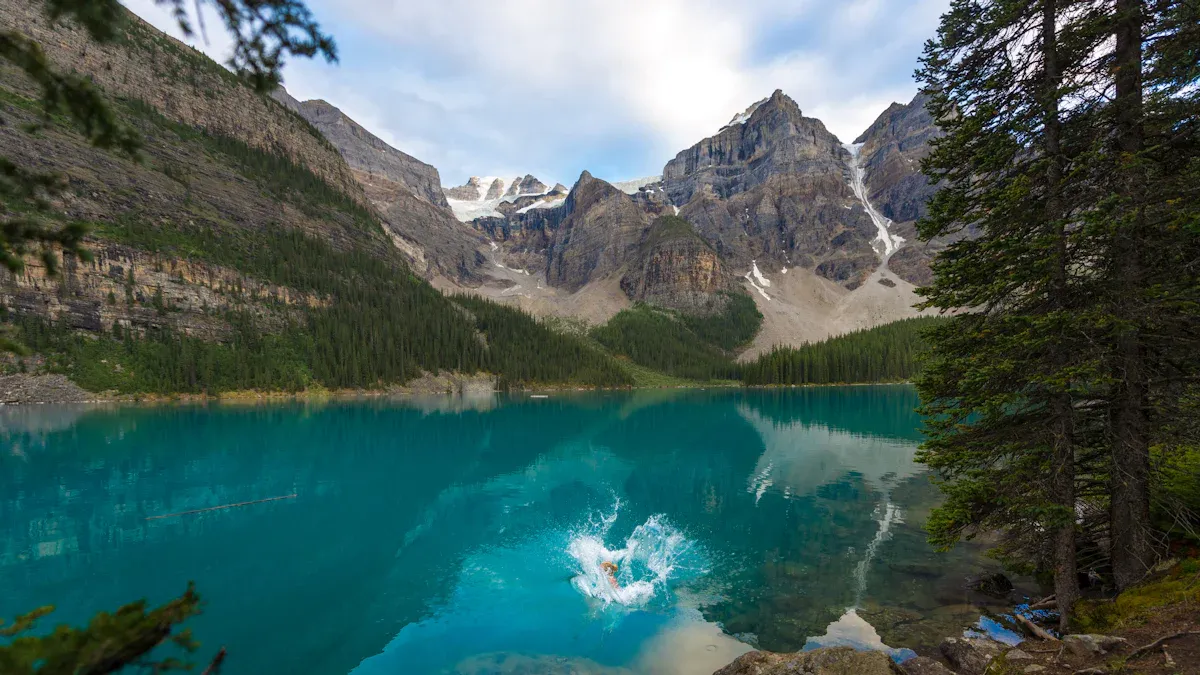
Banff National Park is a hiker’s paradise, offering trails for every skill level. Whether you’re looking for a leisurely stroll or a challenging trek, you’ll find something that suits your needs. Let’s explore some of the best hikes in Banff, categorized by difficulty.
Easy Hikes
If you’re new to hiking or just want a relaxing day outdoors, these easy hikes are perfect for you. They offer stunning views without requiring too much effort. Here are some popular options:
Sulphur Mountain Lookout: Take an 8-minute gondola ride to the top, then enjoy a boardwalk trail with benches for resting. The views from here are simply breathtaking!
Peyto Lake Panorama Viewpoint: This hike features a paved path leading to a scenic viewpoint overlooking the turquoise waters of Peyto Lake. It’s just a 35-minute drive from Banff.
Silverton Falls Trail: A hidden gem, this 1 km hike takes you through a forest to a beautiful three-tier waterfall.
Consolation Lakes Hike: Starting from Moraine Lake, this trail includes some uphill climbing but rewards you with stunning views of the lakes.
Johnston Canyon Hike to the Lower Falls: This kid-friendly hike features boardwalks and a cave experience near the waterfall, making it a fun adventure for families.
Tunnel Mountain Hike: The easiest mountain summit hike, it has a gradual elevation gain and offers fantastic views of Banff.
Sunshine Meadows Hike: This trail provides stunning views of Lake Louise and the surrounding mountains.
Here’s a quick reference table for some easy hikes:
Trail Name | Length (km) | Average Completion Time (hours) |
|---|---|---|
Johnston Canyon Lower | 1.1 | N/A |
Johnston Canyon Upper | 2.7 | N/A |
Stoney Outlook | 4.2 | N/A |
Boom Lake | 10 | 3-4 |
Sunshine Meadows | 3.6 | N/A |
Moderate Hikes
For those looking for a bit more of a challenge, moderate hikes offer a great balance of effort and reward. Here are some recommended trails:
Plain of Six Glaciers Trail: This hike leads you to a charming tea house with glacier views, starting near The Fairmont Hotel along Lake Louise.
Larch Valley/Minnestimma Lakes: Best visited in the fall, this trail showcases stunning yellow larch trees. It has a moderate difficulty level and a one-way distance of 4.3 km.
Wilcox Pass: Enjoy breathtaking views of the Athabasca Glacier and surrounding mountains on this moderate 4 km one-way hike.
Bow Glacier Falls: A 9 km round trip trail, this hike offers views of a glacier, waterfall, and lake, making it popular in both summer and winter.
Tunnel Mountain: Located in the heart of Banff, this 4.5 km return hike provides magnificent views of Bow Valley and the Fairmont Banff Springs Hotel.
Here’s a table summarizing the elevation gain and distance for some top moderate hikes:
Hike Name | Distance (km) | Elevation Gain (m) |
|---|---|---|
Stanley Glacier | 8.8 | 365 |
Bow Glacier Falls | 9.2 | 155 |
Lake Annette | 11.3 | 370 |
Challenging Hikes
If you’re an experienced hiker looking for a real adventure, these challenging hikes will test your limits while rewarding you with some of the most spectacular views in the Canadian Rockies:
Cory Pass: This hike requires serious leg power, but the spectacular views of Mt. Louis make it worth the effort.
Bourgeau Lake and Harvey Pass: Expect a steep climb through forests leading to meadows and impressive views of Mt. Assiniboine.
Larch Valley and Sentinel Pass: This moderate hike offers remarkable views of the Ten Peaks and stunning autumn colors in the larch trees.
Each of these hikes provides a unique experience and showcases the natural beauty of Banff National Park. So, grab your gear and hit the trails!
Mapping Your Hikes
When you set out to explore the stunning trails of Banff, having the right maps and navigation tools can make all the difference. Here’s how you can ensure you stay on track during your hiking adventures.
Trail Maps
Finding reliable trail maps is essential for a successful hike. Here are some great resources where you can access official and up-to-date trail maps for Banff National Park:
Source | Description |
|---|---|
Parks Canada’s trail conditions report | Check for trail conditions before heading out. |
Important Bulletins | Lists bear warnings and area closures. |
Trail Conditions | Full listing of trails with conditions and difficulty ratings. |
Visitor’s Centre Brochures | Free brochures available for popular hiking and cycling destinations. |
For digital maps, consider using these reliable sources:
Avenza Maps: This app offers a collection of digital maps for Banff National Park, compatible with Android and iOS devices, utilizing GPS for navigation.
National Geographic Maps: They provide detailed information about trails in Banff and Yoho National Parks.
Navigation Tips
Navigating the trails can be tricky, especially in the vast wilderness of Banff. Here are some tips to help you stay oriented:
Map and Compass: Always carry a map and compass. These traditional navigation tools are essential, and practicing with them can boost your confidence.
Gaia GPS: This app provides quick references for mileage, elevation, and route tracking, making it a handy tool for hikers.
Caltopo: Use this website for planning and tracking your hikes. It offers detailed topographic maps that can enhance your navigation experience.
Avoid common navigation mistakes by keeping these points in mind:
Always carry bear spray. It’s crucial for safety in bear country.
Don’t underestimate the weather. Be prepared with appropriate clothing and gear for mountain conditions.
Wear suitable footwear. Sneakers or flip-flops can be dangerous on rugged trails.
With the right maps and navigation tools, you can confidently explore the breathtaking trails of Banff National Park. Happy hiking!
Best Times for Hiking
When planning your hiking adventures in Banff National Park, timing is everything. The park offers a variety of experiences throughout the year, but certain seasons stand out for their ideal hiking conditions.
Seasonal Considerations
Hiking in Banff is possible year-round, but the best experience comes when trails are snow-free. Lower elevation trails often clear up by April or May, making them accessible for early hikers. However, if you’re aiming for higher elevations, expect snow to linger until July. This means that if you want to explore the stunning mountain passes, you should plan your trip for late summer or early fall.
Here’s a quick breakdown of what to expect in each season:
Spring (April – June): Snow begins to melt, and lower trails become accessible. Wildflowers start to bloom, creating beautiful scenery.
Summer (July – August): This is peak hiking season. Most trails are snow-free, and you can enjoy vibrant wildflower displays. Just be prepared for crowds!
Fall (September – October): Cooler temperatures and stunning fall colors make this a favorite time for many hikers. The larch trees turn a brilliant yellow, creating a breathtaking backdrop.
Peak Months
The ideal months for hiking in Banff National Park are from June to October. Here’s a closer look at what makes these months special:
June: Trails start to open up, and wildflowers begin to bloom. It’s a great time for those who prefer fewer crowds.
July to Mid-August: This period is perfect for wildflower viewing. Expect warm weather and vibrant landscapes, but also larger crowds.
Mid-September to Late October: This is when the fall colors peak, especially the larch trees. You’ll enjoy cooler temperatures and fewer hikers, making it a peaceful time to explore.
If you’re looking for the best time to visit Banff, September is often considered optimal due to dry trails and lower prices in town. Cooler temperatures make hiking more comfortable, and you can soak in the stunning views without the summer rush.
With this knowledge, you can choose the best time for your hiking adventures in Banff National Park!
Accessing Trailheads
Getting to the trailheads in Banff National Park is easier than you might think! You have several transportation options to choose from, making it convenient to start your hiking adventures.
Transportation Options
Here are some great ways to reach the trailheads:
Roam Transit: This local bus service connects you to popular hiking spots like Lake Louise and Johnston Canyon. It’s a reliable option, especially during peak season.
Shuttle Services: Parks Canada offers shuttles to Lake Louise and Moraine Lake. You can also catch the Roam Transit Route 8X from downtown Banff to Lake Louise.
Public Transit: Roam Public Transit Routes 1, 6, and 9 link various attractions, including Sulphur Mountain and Lake Minnewanka.
Other Options: Consider using Fairview Limousine or the Moraine Lake Bus Company for summer shuttles. Plus, there’s a free Banff Gondola shuttle during the summer months.
Tip: If you plan to visit Lake Louise, make sure to reserve your bus in advance to secure your spot!
Parking Information
If you prefer to drive, here’s what you need to know about parking:
Limited Parking: Parking at Lake Louise is extremely limited, and lots fill up early in the morning. To avoid disappointment, consider using the Parks Canada Park & Ride for access to Lake Louise and Moraine Lake during the summer.
Minnewanka Park & Ride: This option offers convenient access to the Lake Minnewanka area from June 27 to September 7.
Parking Fees: Be aware that parking fees apply at trailheads and are not included in the Canada National Park Pass. Park officials actively check for these passes, so make sure you have yours displayed.
With these transportation options and parking tips, you can easily access the stunning trails of Banff National Park. Enjoy your hiking experience!
In summary, hiking in Banff National Park offers something for everyone, from easy strolls to challenging treks. Remember to plan ahead by checking trail conditions and weather forecasts. Always carry bear spray and know how to use it. As you explore the stunning landscapes, like the turquoise waters of Peyto Lake and the majestic peaks of the Rockies, don’t forget to respect the environment.
So, lace up your hiking boots, pack your essentials, and get ready for an unforgettable adventure in Banff!
FAQ
What is the best time to hike in Banff?
The best time to hike in Banff is from June to October. During these months, most trails are snow-free, and you can enjoy beautiful wildflowers and stunning fall colors.
Are there any fees for hiking in Banff?
Yes, you need a Parks Canada pass to hike in Banff National Park. This pass covers entry fees and parking at trailheads. Make sure to display it clearly in your vehicle.
Can I bring my dog on the trails?
You can bring your dog on some trails in Banff, but they must be leashed and under control at all times. Always check specific trail regulations before heading out.
How do I prepare for wildlife encounters?
To prepare for wildlife encounters, make noise while hiking to avoid surprising animals. Carry bear spray and know how to use it. Stay calm and back away slowly if you see wildlife.
What should I pack for a day hike in Banff?
For a day hike in Banff, pack water, snacks, a map, a first aid kit, and weather-appropriate clothing. Don’t forget sunscreen and insect repellent, especially in summer!