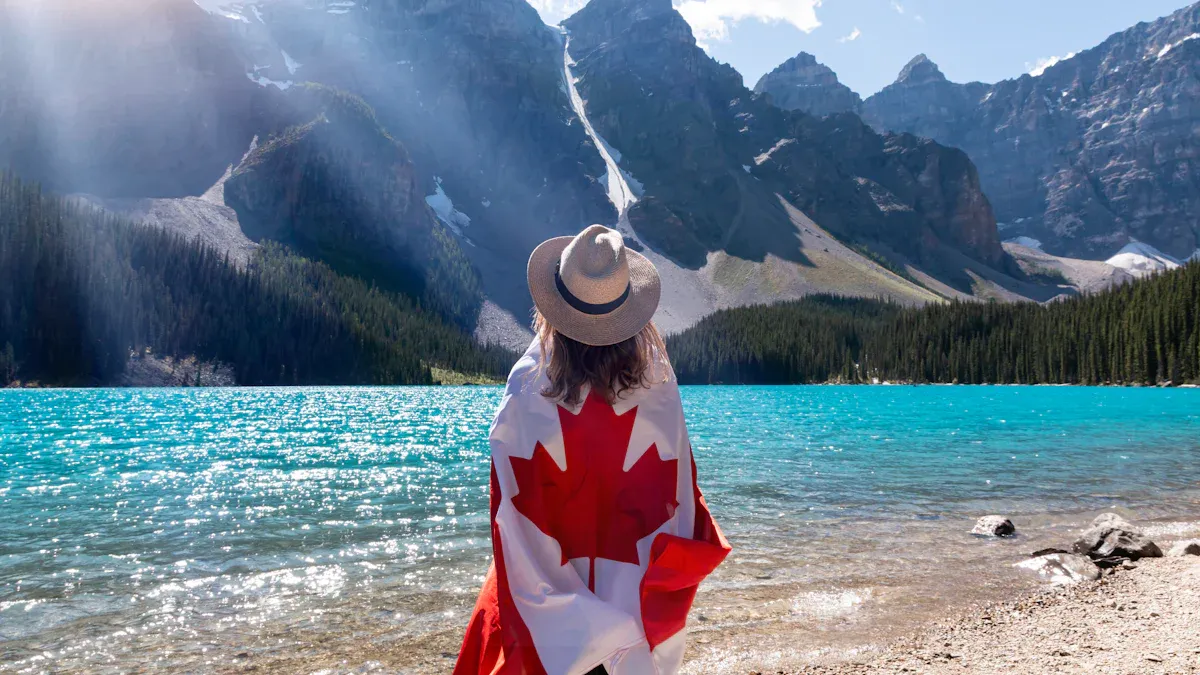
Canada boasts breathtaking landscapes and endless opportunities for outdoor adventures. From majestic mountains to serene lakes, there’s something for everyone. With 12.5% of its land designated as protected natural spaces, you can truly immerse yourself in nature. Planning is key to enjoying these experiences. Researching trails, checking weather conditions, and preparing essential gear will help you make the most of your adventures in Canada. So, get ready to explore the unique beauty and unforgettable moments that await you!
Key Takeaways
Canada offers diverse outdoor adventures, from hiking in national parks to skiing in winter resorts. Explore various activities to find what excites you.
Safety is crucial when enjoying outdoor activities. Always check weather conditions, wear proper gear, and know your limits to ensure a safe experience.
Wildlife watching is a highlight in Canada. Respect natural behaviors and maintain safe distances to enjoy observing animals in their habitats.
Camping requires preparation. Pack essential gear, know campground amenities, and follow park regulations to enhance your outdoor experience.
Plan your trips wisely. Research trails, obtain necessary permits, and inform someone about your plans to ensure a smooth adventure.
Hiking Adventures in Canada
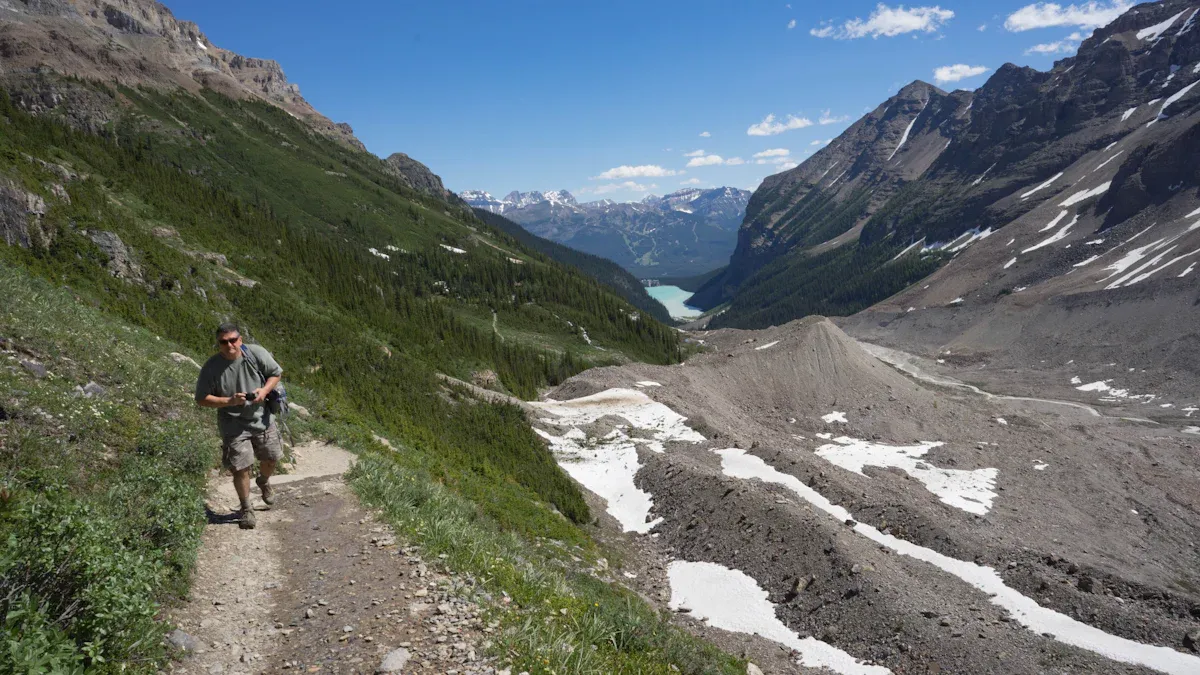
Hiking in Canada offers some of the most stunning views and diverse terrains you can imagine. Whether you’re a seasoned hiker or just starting out, there’s a trail for you. Here are some of the top trails that showcase the unique geographical features of this beautiful country:
Hiking Trail | Unique Geographical Features |
|---|---|
Berg Glacier Trail | Glaciers, alpine scenery, blue glacier-fed lake |
Plain of Six Glaciers | Glaciers, snow-covered peaks, glacially-fed lakes |
Skyline Trail | Vistas of the Gulf of St. Lawrence, rolling hills, rugged coastline |
West Coast Trail | Dramatic seascapes, ancient rainforests, secluded beaches |
Johnston Canyon | Narrow canyon, stunning waterfalls |
Cape Chignecto Coastal Trail | Steep cliffs, wild beaches, Bay of Fundy with highest tides |
Crypt Lake Trail | Thrilling hike, scenic views in Waterton Lakes National Park |
These trails not only provide breathtaking views but also a chance to connect with nature. As you explore, remember to take your time and soak in the beauty around you.
Now, while hiking can be an exhilarating experience, it’s essential to prioritize safety. Here are some top tips for exploring Canada’s trails safely:
Stay on Marked Trails: This helps protect the environment and keeps you safe from getting lost.
Check Weather Conditions: Weather can change quickly in the mountains. Always check the forecast before heading out.
Wear Proper Footwear: Good hiking boots can prevent injuries and provide support on uneven terrain.
Bring Enough Water and Snacks: Staying hydrated and energized is crucial, especially on longer hikes.
Know Your Limits: Choose trails that match your fitness level. It’s okay to turn back if you feel tired.
Injuries can happen, but many are preventable. Here are some common hiking-related injuries and how to avoid them:
Injury Type | How They Occur | Prevention Methods |
|---|---|---|
Ankle Sprains | Occur when a ligament is overstretched, often due to missteps on rough terrain. | Strengthen lower leg muscles, perform balance exercises, wear proper footwear, and use trekking poles. |
Sunburns | Result from excessive sun exposure leading to skin damage. | Use sunscreen with at least SPF 30, reapply every 2-4 hours, and wear UV-protective clothing. |
Bug Bites | Caused by insects like mosquitoes biting and triggering an inflammatory response. | Use bug spray, keep tent doors closed, and sleep under mosquito netting. |
Hypothermia | Occurs when body temperature drops due to cold, wet conditions. | Bring appropriate clothing and gear for the weather, including rain jackets and warm sleeping bags. |
By following these tips, you can enjoy your hiking adventures in Canada while staying safe and healthy. So lace up your boots, grab your gear, and get ready to explore the great outdoors!
Skiing and Snowboarding Guide
When winter rolls around, Canada transforms into a snowy paradise for skiing and snowboarding enthusiasts. With world-class resorts and stunning landscapes, you’ll find the perfect spot to hit the slopes. Here are some of the top-rated ski resorts you should consider for your next adventure:
Whistler Blackcomb – Known for its vast terrain and vibrant village atmosphere, this resort is a must-visit.
Tremblant – Located in Quebec, it offers a charming European vibe along with excellent skiing options.
Banff Sunshine – Nestled in the Rockies, this resort boasts breathtaking views and diverse runs.
Lake Louise – Famous for its stunning lake views and challenging slopes, it’s a favorite among experienced skiers.
Big White – This resort is known for its family-friendly atmosphere and abundant snowfall.
Revelstoke – If you’re looking for powder, this is the place to be with its incredible vertical drops.
Kicking Horse – Offers thrilling runs and spectacular mountain scenery.
Sun Peaks – A great choice for families, it features a charming village and varied terrain.
Mont Sainte Anne – Close to Quebec City, it’s perfect for those who want to combine culture with skiing.
Mt. Norquay – A smaller resort that’s great for beginners and offers stunning views of Banff.
With approximately 12% of skiers in Canada being international visitors, it’s clear that people from all over the world come to enjoy the slopes. Most of these visitors hail from the USA, followed by skiers from Mexico and Australia.
While you’re out there enjoying the snow, safety should always be your top priority. Here are some winter safety tips to keep in mind:
Top Tips for Exploring the Slopes:
Always wear a helmet. It’s one of the best ways to protect yourself.
Stay aware of your surroundings. Being conscious of other skiers and snowboarders helps prevent accidents.
Follow the Responsibility Code. This includes yielding to others and being mindful of your speed.
Understand avalanche risks. If you venture off-piste, make sure you know how to assess avalanche danger.
If you feel unwell or tired, take a break. It’s better to rest than to push yourself too hard.
Here’s a quick overview of effective safety measures to prevent injuries while skiing or snowboarding:
Safety Measure | Description |
|---|---|
Helmet Use | All skiers and snowboarders are encouraged to wear helmets for protection. |
Awareness | Being safety conscious on the slopes enhances enjoyment and risk management. |
Concussion Management | Early medical treatment and supervised return to activity are crucial for managing concussions. |
Follow Responsibility Code | Adhering to the Alpine and Nordic Responsibility Codes promotes safe skiing and snowboarding. |
Avalanche Awareness | Understanding avalanche dangers is essential for safety in both in-bound and out-bound terrain. |
By keeping these tips in mind, you can enjoy your skiing and snowboarding adventures while staying safe. So grab your gear, hit the slopes, and make the most of your time in Canada’s winter wonderland!
Water Sports Adventures
Canada is a paradise for water sports enthusiasts. With its stunning lakes, rivers, and coastlines, you can find countless opportunities for adventure. One of the most popular activities is kayaking, where you can paddle through breathtaking scenery and even encounter some incredible wildlife. Here are some of the best kayaking locations across the country:
Kayaking Locations
Destination | Wildlife Observed |
|---|---|
Northern Vancouver Island & Johnstone Strait, BC | Orcas, bears, Pacific marine life |
Great Bear Rainforest, BC | Coastal grizzlies, black bears, Spirit Bear |
Nuchatlitz Provincial Marine Park, BC | Sea otters |
Desolation Sound, BC | Orcas, salmon |
Broughton Archipelago, BC | Orcas, salmon |
Whistler, BC | Bears, beavers |
Maligne Lake, Alberta | N/A |
Baffin Island, Nunavut | Polar bears, narwhals |
Pacific Rim National Park Reserve, BC | Seals, sea lions, grey whales |
Cape Breton Island & Wild Islands, Nova Scotia | Atlantic salmon |
Churchill River, Manitoba | Beluga whales, polar bears, Arctic terns |
These locations not only offer stunning views but also provide a chance to see wildlife up close. Imagine paddling alongside orcas or spotting a bear on the shore!
If you’re planning to explore these waters, it’s crucial to prioritize safety. Here are some essential water safety tips to keep in mind:
Water Safety Tips
Top Tips for Staying Safe on the Water:
Always wear a life jacket. It’s your best defense against drowning.
Stay aware of your surroundings. Watch for changing weather conditions and other watercraft.
Avoid alcohol consumption while boating. It contributes to a significant number of water-related accidents.
Supervise children closely. Drowning is a leading cause of accidental death, especially among young kids.
Know the water conditions. Be aware of currents, tides, and potential hazards.
Drowning is a serious concern in Canada, with over 450 people drowning each year. Most incidents occur during recreational activities, particularly between May and September. By following these tips, you can enjoy your kayaking adventures while minimizing risks.
Canada’s provinces, like British Columbia, Alberta, and Quebec, offer some of the best water sports opportunities. Whether you’re kayaking in fjords, canoeing on serene lakes, or whitewater rafting, you’ll find something to suit your taste. So grab your paddle, and get ready to explore the beautiful waters of Canada!
Camping and Backpacking in Canada
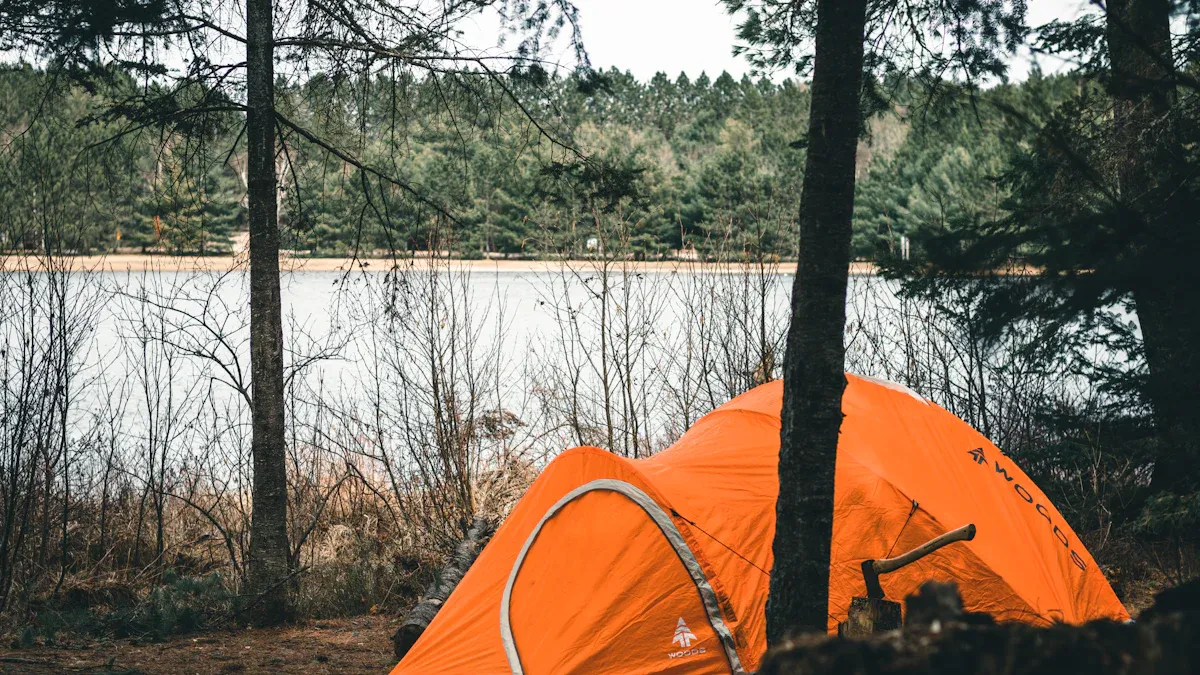
Camping in Canada offers a unique way to connect with nature. With its vast wilderness and stunning landscapes, you can find the perfect spot to pitch your tent or park your RV. Here are some of the most popular campgrounds across the country, along with the amenities they offer:
Campground Name | Amenities |
|---|---|
Bay of Fundy | Laundry facilities, kitchen shelters, Wi-Fi in some areas, backcountry sites available. |
Two Jack Main & Lakeside | Secluded sites, hiking access, requires National Park entry pass and camping permit. |
Green Point Campground | 113 drive-in sites, toilets, showers, fire-pits, beach access. |
Norris Point KOA | Oceanfront RV camping, oTENTik rustic cabins, views of the Aurora borealis. |
Kingsmere Lake | Pit toilets, picnic tables, fire-pit, bear cache, water access. |
Namekus Lake | Pit toilets, picnic tables, fire-pit, bear cache, fishing access, no motorized watercrafts. |
These campgrounds provide a range of amenities to enhance your experience. Whether you prefer a rustic cabin or a site with modern conveniences, you’ll find something that suits your needs.
When you head out for camping in Canadian national parks, having the right gear is essential. Here’s a list of must-have items to ensure a comfortable and safe trip:
Toilet paper: Bring extra in a plastic bag for convenience.
Dry Bag: Useful for hanging food and keeping items organized and dry.
Headlamp: Essential for visibility during nighttime activities.
Hammock: Great for relaxing during hikes or backcountry trips.
Hiking Poles: Helpful for stability on trails.
Towel: Lightweight option for swimming or showering.
Portable Charger: Ensures devices stay charged during the trip.
Gloves: Important for colder weather conditions.
Luxury Items: Consider a pillow, rope, entertainment, and a bug suit for comfort and practicality.
Other Items: Whistle, emergency bivy, sun protection, extra snacks, and water filtration options.
Packing these essentials will help you enjoy your outdoor adventures without unnecessary stress. Remember, preparation is key to a successful camping experience. So, gather your gear, choose a campground, and get ready to explore the great outdoors of Canada!
Wildlife Watching Experiences
Canada is a haven for wildlife enthusiasts. With its diverse ecosystems, you can spot a wide range of animals in their natural habitats. From the Arctic tundra to lush coastal forests, each region offers unique wildlife viewing opportunities. Here are some of the best locations to experience wildlife in Canada:
Churchill, Manitoba: Known as the “Polar Bear Capital of the World,” this Arctic town is famous for its polar bear migrations. You can also see beluga whales in the nearby waters during summer.
Vancouver Island, British Columbia: This coastal paradise is home to orcas, sea lions, and black bears. The island’s rich biodiversity makes it a prime spot for marine and terrestrial wildlife.
Ontario: With its diverse ecosystems, Ontario boasts large mammals like moose and black bears. You can also spot wolves, foxes, and various bird species in its many nature parks and sanctuaries.
These locations not only provide breathtaking views but also a chance to connect with nature. As you embark on your wildlife adventures, keep these tips in mind for responsible observation:
Tips for Responsible Wildlife Observation:
Respect natural behaviors by not feeding wildlife and observing from a distance.
Maintain safe distances: at least 100 meters from large mammals and 30 meters from smaller ones.
Use proper equipment like binoculars and telephoto lenses for better observation.
Leave no trace by staying on trails and minimizing noise.
Be cautious during bear encounters by making noise and carrying bear spray.
Choose eco-certified operators for marine wildlife viewing and maintain appropriate distances.
By following these guidelines, you can enjoy the thrill of observing wildlife in Canadian national parks while ensuring their safety and well-being. So grab your binoculars, head out into the wild, and immerse yourself in the beauty of Canada’s natural world!
Exploring National Parks
Canada is home to some of the best national parks, each offering unique experiences and breathtaking landscapes. If you’re planning to explore, here are a few must-visit parks that you shouldn’t miss:
Banff National Park – With over 4 million visitors each year, this park is famous for its stunning mountain scenery, outdoor activities like hiking and wildlife watching, and the iconic turquoise waters of Lake Louise.
Jasper National Park – This park attracts nearly 2.5 million visitors annually. It features majestic mountains, glaciers, and hot springs, making it perfect for rafting and hiking adventures.
Saguenay–St. Lawrence Marine Park – Known for its unique marine environment, this park draws over 1.2 million visitors. It’s a prime location for whale watching, where you can see these magnificent creatures up close.
Pacific Rim National Park Reserve – With around 1.1 million visitors, this park protects the Pacific Coast ecosystem. You can enjoy kayaking and exploring diverse wildlife along its beautiful shores.
Mount Revelstoke and Glacier National Parks – These parks welcome about 776,919 visitors each year. They are known for their breathtaking scenery and numerous hiking trails that showcase the best of Canada’s natural beauty.
As you plan your visit to these incredible parks, it’s essential to follow the guidelines set by Parks Canada to ensure a safe and enjoyable experience. Here are some important regulations to keep in mind:
Always register at the office of the superintendent before undertaking any hazardous activities in the park.
Make sure to register immediately upon completing or returning from such activities.
Look for posted information about designated activities within the park.
Avoid transporting firewood to prevent the spread of invasive species.
Respect regulations on drone usage to protect wildlife and preserve the natural soundscape.
Inform someone about your plans and expected return times for your safety.
By following these guidelines, you help protect the parks and ensure that future visitors can enjoy them just as you will. Remember, exploring Canada’s national parks is not just about adventure; it’s also about preserving the beauty of nature for generations to come. So, pack your bags, grab your hiking boots, and get ready to explore the wonders of Canada’s national parks!
Canada offers a treasure trove of outdoor adventures waiting for you to explore. From hiking the breathtaking trails of Banff National Park to camping in the serene landscapes of Jasper National Park, the options are endless. You can also enjoy thrilling skiing experiences at top resorts or witness incredible wildlife in their natural habitats.
To make the most of your adventures in Canada, remember to:
Complete a trip plan with details about your party and equipment.
Obtain necessary knowledge and skills for your chosen activities.
Know your limits to ensure a safe experience.
So, gather your gear and start planning your next adventure! The beauty of Canada awaits you.
FAQ
What are the best times to visit Canada for outdoor activities?
You should visit Canada during spring and summer for hiking and camping. Winter is perfect for skiing and snowboarding. Each season offers unique experiences, so choose based on your preferred activities.
Do I need a permit to camp in national parks?
Yes, you typically need a permit to camp in national parks. Check the specific park’s website for details on reservations and regulations. This ensures you follow the rules and enjoy your stay.
What wildlife can I see while exploring Canada?
You can see diverse wildlife, including bears, moose, and whales. Each region offers unique species, so research the area you plan to visit for the best viewing opportunities.
How can I prepare for a hiking trip in Canada?
To prepare, research your trail, check the weather, and pack essential gear like water, snacks, and a first-aid kit. Always inform someone about your plans before heading out.
Are there guided tours available for outdoor activities?
Yes, many companies offer guided tours for hiking, kayaking, and wildlife watching. These tours provide expert knowledge and enhance your experience while ensuring safety in the great outdoors.