
Traveling to Europe for the first time sparks a thrill like no other. You’ll find stunning landscapes, rich history, and vibrant cultures waiting for you at every turn. Did you know that about 40% of baby boomers choose Europe as their first international destination? This statistic shows just how special this continent is for travelers. To truly enjoy your adventure, preparation is key. Having a plan helps you make the most of your journey and ensures you don’t miss out on any essential tips for navigating this beautiful region.
Key Takeaways
Pack smart by bringing comfortable shoes and versatile clothing. Avoid overpacking to make travel easier.
Book accommodations that fit your budget and consider platforms that support local communities for a meaningful stay.
Familiarize yourself with transportation options. Trains offer convenience and scenic views, while budget airlines can save money if booked early.
Understand local customs and etiquette to enhance your travel experience and show respect for different cultures.
Stay safe by keeping your belongings secure and being aware of common tourist scams. Know emergency contact numbers for peace of mind.
Essential Tips for First Trip to Europe
Smart Packing
Packing smart is crucial for your first trip to Europe. You want to be comfortable while exploring, so choose your clothing wisely. Here are some essentials you should consider bringing:
Comfortable shoes are a must. Recommended types include:
One pair of ankle boots
One pair of stylish sneakers
Two pairs of flats
One pair of sandals (for summer)
A lightweight, secure purse that closes fully to protect against pickpockets.
An empty reusable water bottle to save on costs and reduce plastic waste.
A light jacket or topper for layering, suitable for various outfits.
Basic long-sleeved or short-sleeved shirts for everyday wear.
Two pairs of dark wash jeans or black joggers for versatility.
Avoid overpacking. It’s easy to bring too much, especially when you want to be prepared for everything. Remember, cobblestone streets and small hotel rooms can make lugging heavy bags a hassle. Each item should have a purpose, so think carefully about what you really need.
Booking Accommodations
Finding the best places to stay can make or break your trip. Consider your budget and preferences when booking accommodations. Here’s a quick look at average costs in major cities:
Accommodation Type | Average Cost (per night) |
|---|---|
Hotels in Geneva | $270 |
Hotels in London | Significant (lower than Geneva) |
Hotels in Paris | Significant (lower than Geneva) |
Luxury Villas | $500 – $10,000 |
When it comes to booking, platforms like Fairbnb and Socialbnb offer unique options that support local communities. They connect you with local hosts and projects, making your stay more meaningful.
Transportation Options
Getting around Europe can be a breeze if you know your options. Here’s a comparison of train travel and budget airlines:
Aspect | Train Travel | Budget Airline Travel |
|---|---|---|
Convenience | Direct access to city centers, spacious seating | Often flies from secondary airports, cramped seating |
Price | Can be affordable if booked early, but can rise | Low base price, but additional fees for luggage, etc. |
Travel Experience | Scenic views, comfortable journey | Fast travel, but less comfort and more hassle |
Booking | Best to book in advance for lower prices | Cheapest if booked early, but beware of extra costs |
Travel Time | Longer for some routes (e.g., Berlin to Munich) | Faster for short distances (e.g., Berlin to Amsterdam) |
Public transportation in Europe is often reliable and efficient. Familiarize yourself with local systems to save time and money.
Cultural Awareness
Understanding local customs can enhance your experience. Here are some important etiquette tips:
Country | Greeting Etiquette | Dining Etiquette | General Tips |
|---|---|---|---|
France | A light kiss on both cheeks is common among friends. | Keep hands above the table while eating. | Don’t assume everyone speaks English; ask politely if they do. |
Germany | A firm handshake with direct eye contact is expected. | Cutting potatoes with a knife is bad manners; use a fork. | Speak softly in public places; aim for a library volume. |
Italy | Warm embraces and handshakes are common. | Avoid ordering cappuccino after a meal. | Be polite; use social niceties when asking questions. |
Spain | Afternoon “siestas” are common. | ||
UK | Standing in line (queuing) is strictly followed. | ||
Scandinavia | Personal space is highly valued. |
Being aware of these norms can help you avoid misunderstandings and show respect for local cultures.
Safety Tips
Safety should always be a priority. Here are some essential tips to keep in mind:
Keep bags in front of you to prevent theft.
Bring a lock for your bags to secure valuables.
Know emergency contact numbers, like 112 for emergencies in Europe.
Identify and avoid common tourist scams, such as overpriced invites and late-night taxi overcharges.
Be aware of pickpockets, especially in crowded areas and tourist attractions.
Tourists often fall victim to petty crimes like pickpocketing, especially in busy areas. Stay vigilant and keep your belongings secure.
By following these essential tips, you’ll set yourself up for a fantastic first trip to Europe. Preparation is key, so take the time to plan and enjoy every moment of your adventure!
Top Destinations in Europe
Traveling to Europe offers you a chance to explore some of the most iconic cities in the world. Each destination has its unique charm and attractions that make it a must-visit for first-time travelers. Here are some of the top cities you should consider for your trip:
Paris and Its Landmarks
Paris, often called the City of Light, welcomes around 50 million visitors each year. This vibrant city is famous for its rich culture and stunning architecture. When you visit, don’t miss these iconic sights:
Eiffel Tower: This symbol of Paris is breathtaking, especially at sunset.
Louvre Museum: Home to the Mona Lisa, this is the world’s largest art museum, attracting 9 million visitors annually.
Palais Garnier: A stunning opera house known for its historical significance.
Sainte-Chapelle: Famous for its breathtaking stained-glass windows.
Moulin Rouge: An iconic cabaret that showcases vibrant shows.
You’ll find that Paris has excellent transport options, making it easy to navigate the city and visit its main tourist sights.
Amsterdam’s Canals
Amsterdam is another top destination, drawing about 8.9 million visitors each year. The city is renowned for its picturesque canals, which stretch over 100 kilometers. Here’s what makes Amsterdam unique:
Aspect | Description |
|---|---|
Historical Significance | Built during the Dutch Golden Age in the 17th century, reflecting the city’s prosperous past. |
Extensive Network | Over 100 km of canals, significantly more than Venice, with 160 canals and 1,700 bridges. |
Architectural Features | The Canal Ring is a UNESCO World Heritage Site, showcasing elegant 17th-century mansions. |
Unique Construction Style | Many houses tilt due to historical building practices and ground conditions, adding to their charm. |
As you stroll along the canals, you’ll appreciate the beautiful architecture and vibrant atmosphere.
Rome’s Historical Sites
Rome, with its rich history, attracts around 35 million visitors annually. This city is a treasure trove of historical sites. Here are some must-see attractions:
Colosseum: The largest amphitheater in the Roman Empire, it receives over 7 million visitors each year.
Roman Forum: Once the heart of ancient Rome, it features iconic ruins.
Pantheon: A well-preserved ancient temple, known for its architectural beauty.
Piazza Navona: A lively square filled with impressive fountains.
Rome’s historical significance and cultural offerings make it a top choice for travelers.
Vibrant Barcelona
Barcelona is famous for its vibrant food scene and stunning architecture, welcoming around 16 million visitors each year. Here are some highlights:
La Sagrada Família: Antoni Gaudí’s iconic church, which saw 4,833,658 visitors in 2024.
Barri Gòtic: Explore the Gothic Quarter with its winding streets and historic buildings.
La Rambla: A famous promenade that offers a lively atmosphere.
Montjuïc: A hill with historical significance and stunning views.
Barcelona’s unique blend of culture and nightlife makes it a fantastic destination for first-time travelers.
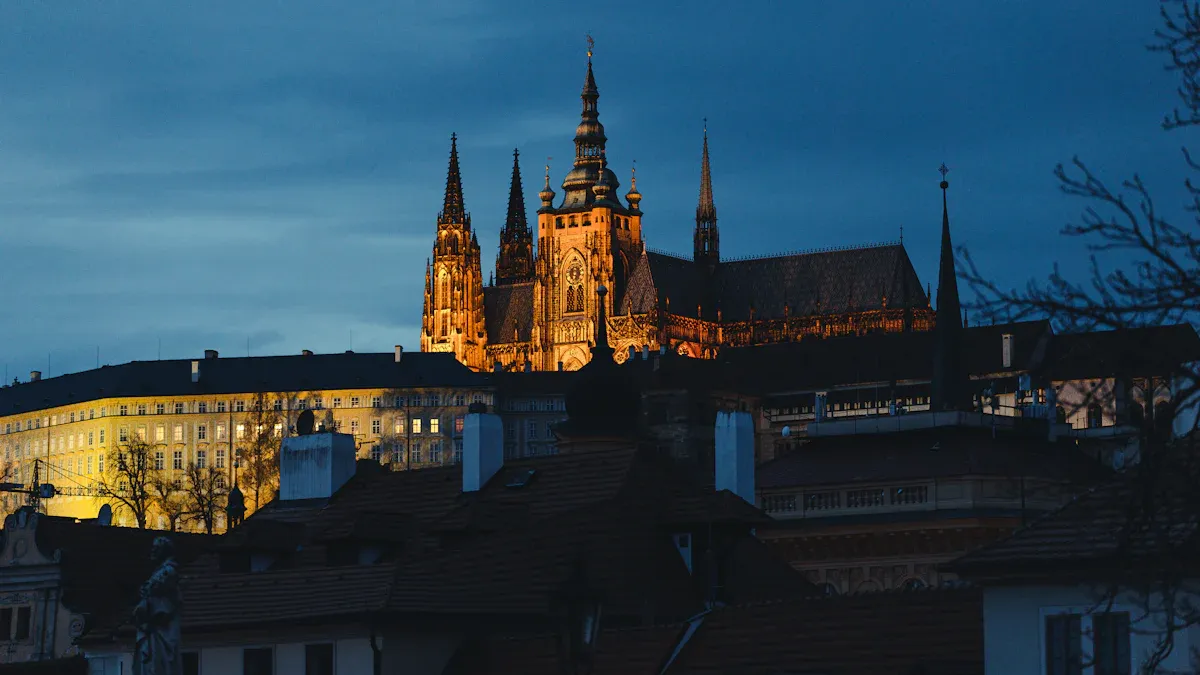
Hidden Gems in Prague
Prague, often overlooked, ranks as the 4th most-visited city in the European Union, with 9.5 million arrivals. This city offers a mix of history and charm. Here are some lesser-known attractions:
Malá Strana: A charming neighborhood near Prague Castle.
Klementinum: A stunning Baroque Library with panoramic views.
Vyšehrad Castle: A historic site with fewer crowds and significant Czech history.
Prague is enhancing its appeal by moving away from its previous image as a low-cost party destination. This shift is likely to improve visitor satisfaction and competitiveness with other European capitals.
With so many incredible destinations in Europe, your first trip will surely be filled with unforgettable experiences!
Unique Experiences and Activities
Local Cuisine to Try
When you travel to Europe, don’t miss the chance to indulge in local cuisine. Each country offers unique dishes that reflect its culture. Here are some must-try foods:
Black Pudding: A traditional Scottish breakfast item made from animal blood, known for its rich flavor.
Haggis: Another Scottish favorite, this dish combines sheep and cow parts with oatmeal, creating a savory experience.
Escargot: A French delicacy featuring cooked snails, often prepared with garlic and butter for a delightful taste.
Mussels: Popular in Belgium, these shellfish are known for their buttery flavor and are often served with seafood linguine.
If you want to connect with the culture, consider visiting cities like Lyon, France, known for its bouchons, or Bologna, Italy, famous for its tagliatelle al ragù. Each destination offers a culinary adventure that enhances your trip.
Festivals and Events
Europe is home to vibrant festivals that attract visitors from around the world. Participating in these events can enrich your travel experience. Here are some notable festivals:
Carnival of Venice: Experience the magic of Venice from February 22 to March 4, 2025, with street parades and masked balls.
St. Patrick’s Day: Celebrate in Dublin on March 17, 2025, with lively parades and concerts.
Oktoberfest: Join the festivities in Munich from September 20 to October 5, 2025, and enjoy Bavarian beer culture.
These festivals not only boost local tourism but also create a lively atmosphere that makes your trip unforgettable.
Off-the-Beaten-Path Suggestions
If you’re looking for unique experiences away from the crowds, consider these hidden gems:
Segura de la Sierra, Spain: A charming Andalusian town with cobblestoned streets and stunning views.
The High Tatras, Slovakia: Perfect for hiking enthusiasts seeking solitude amid breathtaking landscapes.
Maramures, Romania: Experience rural traditions and beautiful countryside.
Exploring these lesser-known destinations allows you to discover the authentic side of Europe, making your trip even more special.
Your first trip to Europe is an adventure waiting to unfold! Embrace the excitement and prepare to create unforgettable memories. Remember, a successful trip to Europe starts with planning. Choose well-known destinations to ensure ease of access and enjoyment. Check the weather before packing to avoid unnecessary items. Research transportation options to navigate public transport effectively.
As you explore, try to master a few phrases in the local language. This small effort can enhance communication and show respect for local customs. With an open mind and a spirit of adventure, you’ll find that Europe offers a bucket list experience like no other. So, get ready to discover what to expect and make your journey truly special!
FAQ
What is the best time to visit Europe?
The best time to visit Europe is during spring (April to June) and fall (September to October). You’ll enjoy mild weather, fewer crowds, and lower prices compared to the summer peak season.
Do I need a visa to travel to Europe?
Visa requirements depend on your nationality and the countries you plan to visit. Many travelers from the U.S., Canada, and Australia can enter Schengen Area countries for up to 90 days without a visa.
How can I save money while traveling in Europe?
To save money, consider using public transportation, eating at local markets, and booking accommodations in advance. Look for free walking tours and city passes that offer discounts on attractions.
Is it safe to travel alone in Europe?
Yes, many parts of Europe are safe for solo travelers. Stay aware of your surroundings, avoid risky areas at night, and keep your belongings secure. Trust your instincts and enjoy your adventure!
What should I learn before my trip?
Learn a few basic phrases in the local language, familiarize yourself with cultural customs, and research the destinations you plan to visit. This preparation will enhance your experience and help you connect with locals.