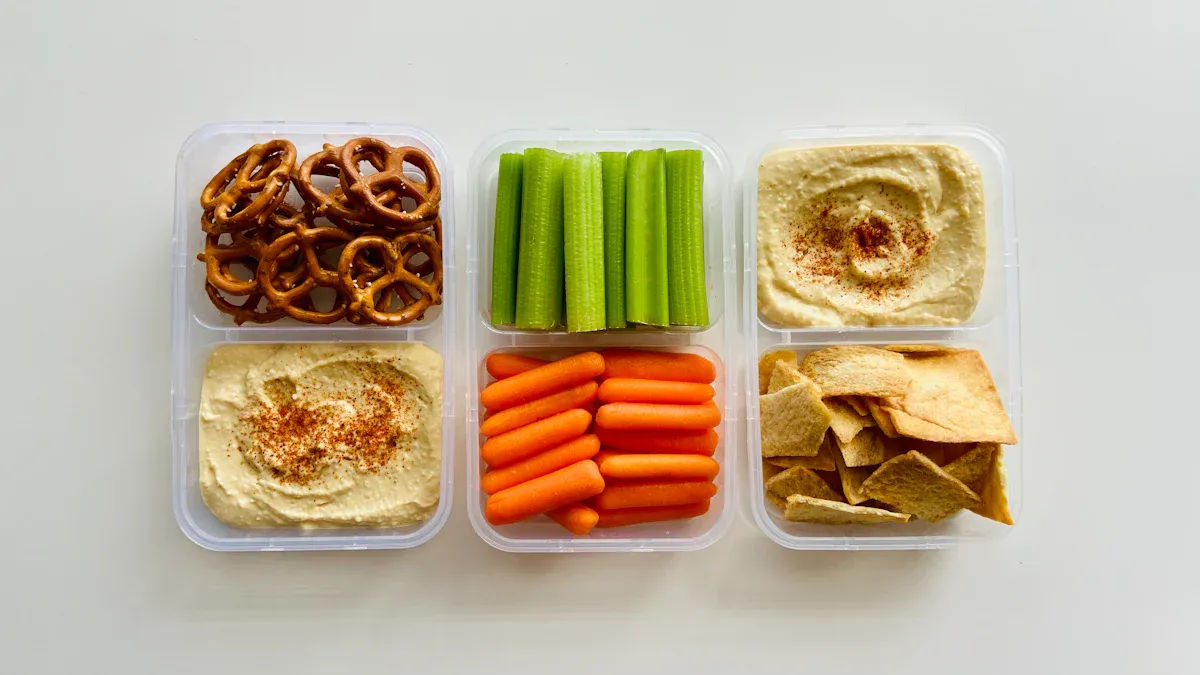
When you pack food for a train journey, choose items like crackers, granola bars, apples, bananas, hard-boiled eggs, cheese, and popcorn. You want easy snacks that stay fresh and safe to eat. Keep your food clean and use wipes for your hands. Check this table to avoid risky choices:
Food Type | Safety Concern |
|---|---|
Milk-based foods | Spoil quickly, may cause health issues |
Omelette | Prone to spoilage, can upset your stomach |
Fast Foods | Often unsanitary, may cause digestive problems |
Packed Juices | Spoil without refrigeration, risk of bacteria |
Non-Vegetarian Foods | High spoilage risk, possible food poisoning |
Spicy and Deep-Fried Foods | Can cause indigestion, often unhygienic |
Gravy Dishes | Spoil easily, may lead to illness |
Key Takeaways
Choose easy-to-pack snacks like crackers, granola bars, and fruits that stay fresh during your journey.
Avoid perishable foods like dairy and seafood to prevent spoilage and health risks.
Stay hydrated by drinking water regularly and packing water-rich snacks like grapes or apples.
Food for a Train Journey
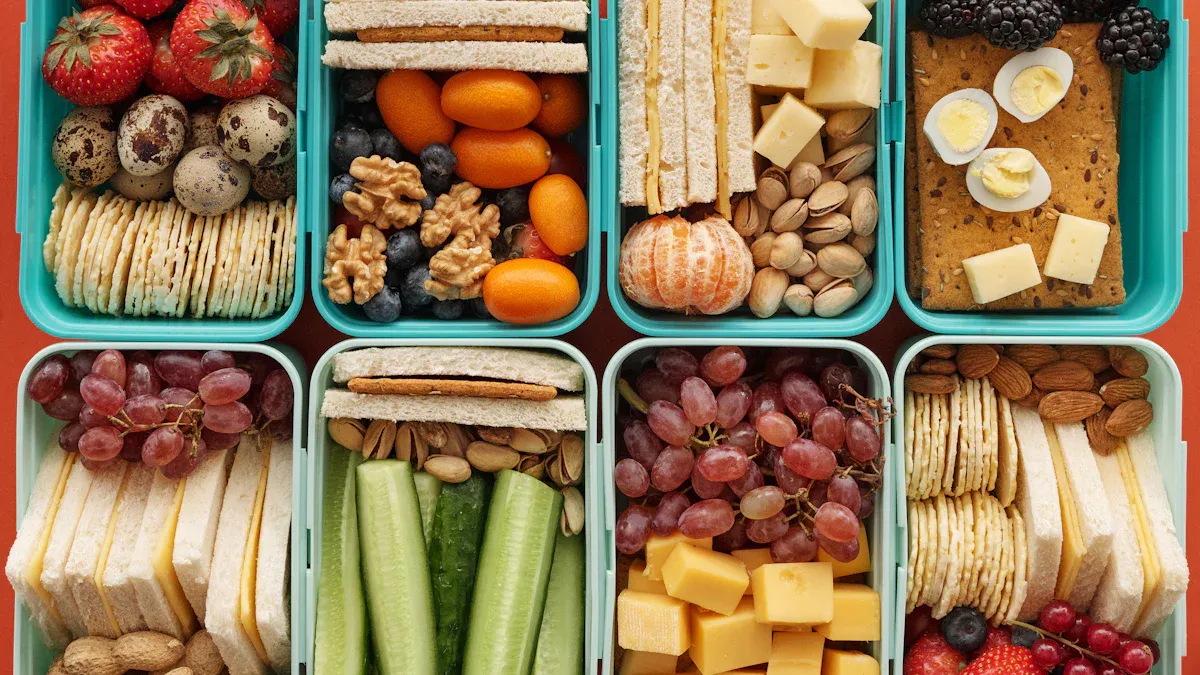
When you plan your Food for a Train Journey, you want snacks and meals that stay fresh, taste good, and are easy to carry. Let’s break down the best options for each category.
Dry Snacks
Dry snacks are the backbone of any Food for a Train Journey. You can pack them quickly, and they last for hours without spoiling. Nutritionists recommend these top picks:
Baked chickpeas: Crunchy, full of fiber, and packed with plant-based protein.
Nuts: Grab single-serving bags of unsalted nuts for healthy fats, vitamins, and minerals.
Trail mix: Mix nuts, seeds, and dried fruit for a snack that satisfies salty and sweet cravings.
Pretzels, crackers, and granola bars: These are easy to eat and store.
Popcorn and chips: Choose air-popped or baked versions for a lighter option.
Cereal like Chex or Cheerios: These work well dry or with milk if you have a cooler.
Tip: Store dry snacks in airtight containers or vacuum-sealed bags. This keeps them fresh and lowers spoilage risk. Avoid plastic zipper bags for long trips because they let in air and moisture.
Fruits
Fruits add variety and nutrition to your Food for a Train Journey. Some fruits travel better than others. Here are the best choices:
Apples: High in fiber and polyphenols, great for heart health. Protect them from bruising.
Oranges and mandarins: Easy to pack, less likely to bruise, and full of vitamin C.
Bananas: Quick energy and rich in potassium.
Dried fruits: Dried white peaches, apple chips, and fruit chips are space-efficient and last longer.
Strawberries and cherries: These can last several days if stored properly.
Cucumbers and watermelon: These last for weeks if kept cool.
Note: Avoid berries like raspberries and blueberries. They spoil fast and don’t travel well.
Fruits give you fiber, vitamins, and minerals. Lemons help boost immunity and aid digestion. Strawberries contain anthocyanins, which support heart health.
Homemade Foods
Homemade foods can make your Food for a Train Journey feel special. You control the ingredients and freshness. Here are some safe options:
Boiled eggs: Easy to pack and eat.
Potato bread or dumplings: Filling and less likely to spoil.
Pickled vegetables: Stay fresh longer and add flavor.
Ham and fried chicken: Only bring these if you have a cooler and can keep them cold.
Tip: Use a cooler and restock ice during your trip. This keeps homemade foods safe and fresh for hours.
Packaged Options
Packaged foods are perfect for a Food for a Train Journey. They are designed to last and are easy to eat on the go. Try these:
Protein bars and granola bars: Filling and non-perishable.
Beef jerky: High in protein and easy to store.
Canned tuna: Only open when you’re ready to eat.
Cheese sticks: Good for snacking if kept cool.
Non-perishable items: Trail mix, crackers, and dried fruit.
Travel experts suggest avoiding messy or strong-smelling foods like tuna, eggs, or curry. Stick to simple, easy-to-digest options. If you have a cooler, you can add carrot or celery sticks, sandwiches, or fruit slices.
Hydration
Staying hydrated is key during your Food for a Train Journey. Water is your best friend, but you have other options too.
Recommendation | Details |
|---|---|
General Fluid Intake | Adults should aim for about 64 ounces of water daily. |
Influencing Factors | Activity, weather, and diet can change how much you need. |
Hydration for Athletes | Start hydrating four hours before exercise, 5-7 mL per kg of body weight. |
Sip water regularly.
Pack water-rich snacks like grapes or apples.
Bring drinks that are easy to carry, such as bottled water or juice boxes.
Always bring extra water and snacks. Sometimes dining cars run out or change menus without warning.
Food for a Train Journey should be simple, safe, and satisfying. Choose a mix of dry snacks, fruits, homemade foods, and packaged options. Drink plenty of water and enjoy your trip!
Packing Tips and Safety
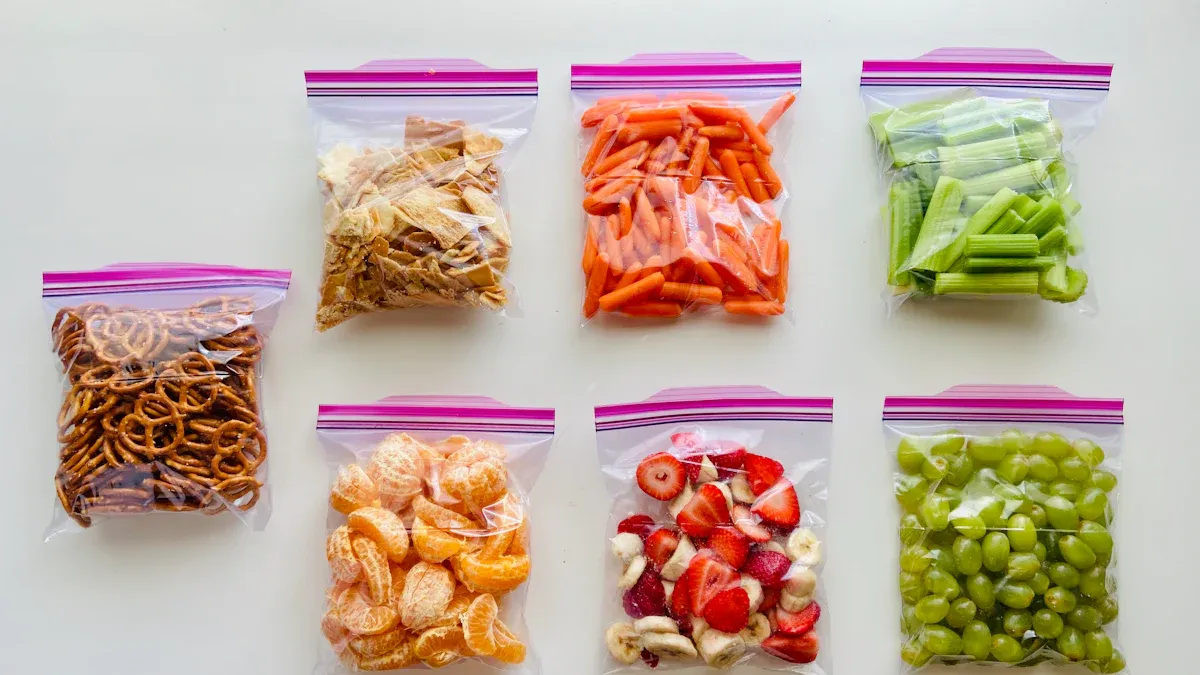
Storage
You want your food to stay fresh and safe during your trip. Here’s what works best:
Use insulated coolers or travel carriers with ice packs. These keep perishable foods cold for hours.
Wrap items like raw meat in aluminum foil or vacuum-sealed plastic. This helps prevent leaks.
Keep perishable foods in the freezer until you leave. Frozen items can act as ice packs for other foods.
Store all refrigerated and freezer foods together. This keeps everything cold longer.
Choose leak-proof containers for foods like yogurt or milk.
Tip: Perishable foods should not sit at room temperature for more than two hours. Cold foods need to stay at 40°F or lower. Hot foods should be at least 140°F in insulated containers.
Hygiene
Clean hands and surfaces help you avoid getting sick. Here’s what you should do:
Wash your hands and any surfaces that touch food, especially if you handle raw meat.
Check canned foods for signs of spoilage before eating.
Wash fresh fruits and vegetables with salt or vinegar water.
Use clean water for food prep.
Keep raw meats and vegetables separate by using different utensils and cutting boards.
Cook food thoroughly to kill germs.
Hand sanitizers and wipes help, but washing with soap and water works better. Alcohol-based sanitizers fight many bacteria, but they don’t work as well if your hands are dirty or greasy.
Ordering Food
You have several options if you want to order food on the train. Here’s a quick look:
Dining Option | Description |
|---|---|
Traditional Dining | Dining cars serve free meals for sleeper car passengers. |
Flexible/Delivery Dining | Free meal service for overnight routes; meals can be delivered to your seat. |
Cafe | Offers light meals and snacks; menu varies by train. |
You can order breakfast items like oatmeal or muffins, sandwiches, salads, hot foods like mac and cheese, and snacks such as cookies or chips. Drinks include water, juice, coffee, and tea. Many travelers choose onboard meals for comfort, quality, and convenience. You get a variety of choices, and ordering is easy.
Packing your own food for a train journey gives you fresh, healthy, and cost-effective options. You stay safe by keeping food cold and clean. Here are the top benefits:
You save money.
You eat whenever you want.
You choose what fits your taste.
Key Factor | Description |
|---|---|
Variety | Plan meals ahead for more choices. |
Safety | Use coolers to keep food fresh. |
Plan ahead and enjoy a comfortable trip!
FAQ
What foods should you avoid packing for a train journey?
You should skip foods that spoil fast, like dairy, seafood, and gravy dishes. These can cause stomach problems or go bad without refrigeration.
What containers work best for packing train snacks?
Choose airtight containers or vacuum-sealed bags. These keep snacks fresh and stop spills. Insulated lunch boxes help with temperature control.
What can you do if you run out of food on the train?
You can visit the dining car or order snacks from the onboard café. Some trains offer delivery to your seat. Always check the menu first.