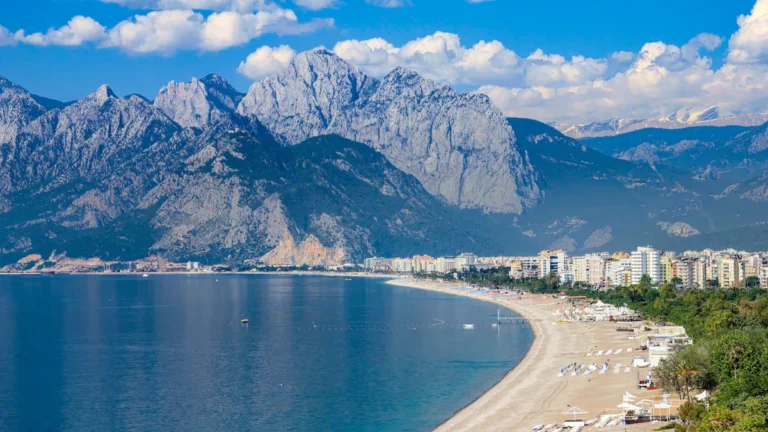
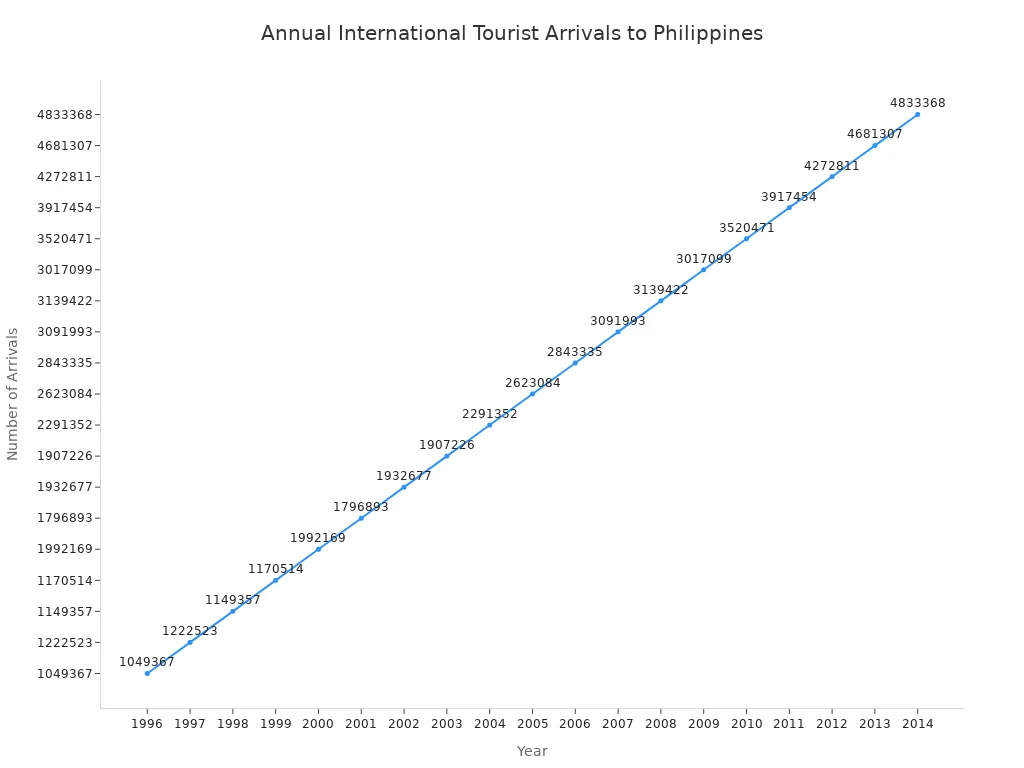
Imagine yourself on a pristine beach, the sun warm on your skin, and turquoise waters inviting you for a swim. The Philippines is truly an island paradise, a dream destination for many. You will find beautiful islands here with diverse marine life and peaceful retreats. More and more people discover this paradise each year.
You can explore Palawan and Boracay; they are prime examples of the Philippines’ stunning beauty. They offer picture-perfect beaches and vibrant experiences. This travel guide helps you discover the most incredible islands. It also provides essential tips for your adventure. You will love the unique allure of Filipino beaches and the warm hospitality. Add these islands to your bucket list!
Key Takeaways
The Philippines is an island paradise. It has beautiful beaches and rich marine life. You will find warm Filipino hospitality.
Palawan offers stunning natural beauty. You can explore El Nido’s lagoons and Coron’s shipwrecks. Puerto Princesa has an underground river.
Boracay is famous for its White Beach. You can enjoy water sports and lively nightlife. The island has been cleaned up for a better experience.
Other great islands include Siargao for surfing and Cebu for city and island hopping. Bohol has unique Chocolate Hills and tarsiers.
Plan your trip during the dry season. This is from January to April. Use planes or ferries to travel between islands. Try local foods like Lechon Manok and Halo-Halo.
Why Visit the Philippines
Unparalleled Natural Beauty
You will find the Philippines to be a truly breathtaking destination. Its natural beauty is simply unmatched. Imagine seeing over a thousand cone-shaped Chocolate Hills in Bohol, or walking on the fine white sand of Naked Island. Ben Garwood, a traveler, described the Philippines’ beauty as “so real and so untouched.” He also said, “Everywhere you go is literally so gorgeous.” You can explore stunning beaches, majestic waterfalls like Pinsal Falls, and unique rock formations. This tropical paradise offers a more laid-back and authentic experience compared to other popular spots in Southeast Asia. Plus, it is budget-friendly, giving you more value for your money on treats, meals, and experiences.
Rich Marine Life
The waters surrounding the Philippines teem with incredible marine life. You can dive into vibrant coral reefs, like those in Anilao, Batangas, which host over 300 coral species. You might even get to swim with whale sharks, an experience Ben Garwood called “unlike anything else.” The islands are home to many unique creatures.
Marine Species | Conservation Status |
|---|---|
Dugongs | Threatened |
Sea Turtles | Six out of seven species are endangered |
Napoleon Wrasse | Endangered |
Thresher Sharks | Not specified |
Pygmy Seahorses | Not specified |
You will discover a diverse underwater world, from tiny pygmy seahorses to majestic thresher sharks.
Warm Filipino Hospitality
Filipinos are famous for their incredible warmth and hospitality. They treat you like family, making you feel right at home. This “guest-first” mentality comes from a rich history, blending Spanish, Chinese, and pre-colonial influences. Locals often invite you to share meals, showing their generosity without expecting anything in return. Ben Garwood noted, “The locals are lovely. A lot of restaurants are actually held just outside of locals’ homes… You get served specific dishes and they take care of you.” They live by the “Bayanihan spirit,” which means helping others is part of their community. You will experience their “pakikisama,” a desire to ensure everyone feels comfortable and included. They even have a tradition called ‘pasalubong,’ where they bring small gifts when visiting others.
El Nido and Palawan: The Last Frontier Island
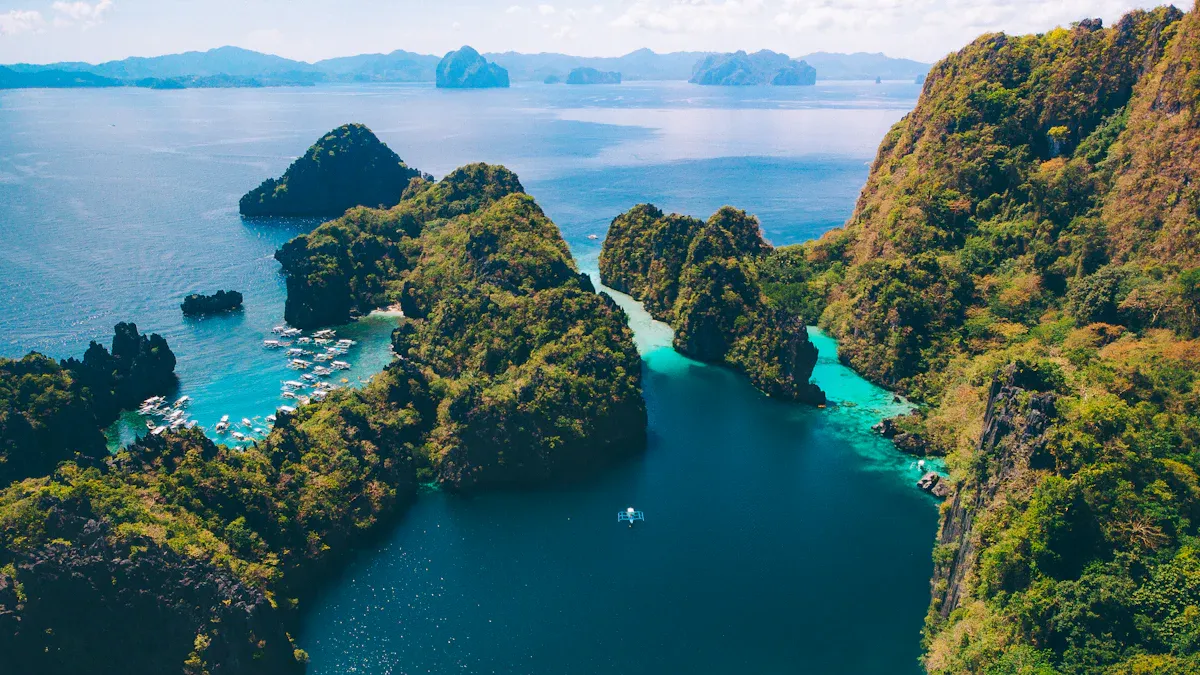
You will find Palawan consistently ranked among the world’s top island destinations. It truly is a jewel of the Philippines. Condé Nast Traveler even placed it 6th on their list of “17 Sunny Destinations That Are Still Hot in January.” This shows Palawan offers dependable sunshine and warm seas, even when other places are cold. You will discover a perfect mix of natural beauty and world-class hospitality here. Resorts like Amanpulo are famous globally for their exclusivity and untouched landscapes. El Nido Resorts Miniloc also blends luxury with traditional Filipino craftsmanship, keeping its cultural identity strong.
El Nido: Limestone Karsts
El Nido is often called Palawan’s most valuable asset. Its dramatic landscape will amaze you. The Bacuit Archipelago is a major draw, featuring stunning rock formations and towering limestone cliffs. You will find secret beaches and numerous hidden lagoons here, like Small Lagoon, Big Lagoon, and Secret Lagoon. These limestone karsts are highly eroded, showing whitish-reddish-greenish colors. You can see holes on the ceiling of Cudugnon Point Cave, letting sunlight stream in. These unique formations jut out of the sea all around El Nido.
You absolutely must try island hopping in El Nido. It is the best way to see these wonders. Here are some popular tours:
Tour A (Lagoons & Beaches): You will visit Big Lagoon, Secret Lagoon, Shimizu Island, and Seven Commando Beach. You can even snorkel with turtles!
Tour B (Caves & Secluded Islands): This tour takes you to Snake Island, Pinagbuyutan Island, Cudugnon Cave, and Cathedral Cave.
Tour C (Hidden Beaches & Shrines): Explore Helicopter Island, Matinloc Shrine, Secret Beach, Talisay Beach, and Hidden Beach.
Tour D (Secret Beaches & Snorkeling Spots): Discover Ipil Beach, Small Lagoon, Cadlao Lagoon, Paradise Beach, Pasandigan Beach, Natnat Beach, and Bukal Beach.
Each tour usually includes a delicious BBQ lunch on one of the beautiful islands.
Coron: Shipwrecks and Lakes
Coron offers a different kind of adventure, often more affordable than El Nido. It has a higher local-to-tourist ratio, giving you a more authentic feel. Coron Bay is famous for its incredible shipwreck diving sites. These wrecks are from a US Navy aerial attack on a Japanese supply fleet on September 24, 1944. American forces wanted to stop Japanese reinforcements in the Philippines. Fighters and dive bombers from the US Third Fleet launched a surprise attack. They targeted many Japanese vessels anchored in Coron Bay and around Busuanga Island, sinking them. This created the amazing underwater museums you can explore today.
Beyond the shipwrecks, Coron boasts unique freshwater lakes. Kayangan Lake is a brackish lake on Coron Island. The local Tagbanwa people maintain it. Many consider it one of the cleanest lakes in the country. It even received the Presidential Fame of Award. Kayangan Lake is one of thirteen lakes sacred to the Tagbanwa, who believe nature spirits live there. Barracuda Lake is another must-see. It has brackish water and unique temperature layers. You will feel a warm surface layer, then a cold middle layer, and then a significant temperature increase as you dive deeper. It is a surreal diving experience, sometimes with barracudas!
Puerto Princesa: Underground River
Puerto Princesa is home to the world-famous Subterranean River National Park. This UNESCO World Heritage Site features a stunning limestone karst mountain landscape. The St. Pauls Underground River Cave stretches over 24 kilometers. An 8.2-kilometer section of the Cabayugan River winds through this cave. It then flows directly into the South China Sea. You can take a boat tour for up to 4.3 kilometers from the sea. The cave has amazing stalactites and stalagmites. You will also see several large chambers, including the 360-meter-long Italian’s Chamber, one of the biggest cave rooms globally.
The park is also a haven for biodiversity. It protects a full mountain-to-the-sea ecosystem. You will find lush tropical rainforests here, home to many plants and animals. Look out for rare species like the Palawan hornbill, monitor lizards, and long-tailed macaques. The park protects Palawan’s unique biodiversity, including all 15 of the island’s endemic bird species.
Palawan: Accommodation Options
Palawan offers a wide range of places to stay, fitting every budget. You can find everything from cozy hostels to luxurious resorts.
Accommodation Type | Price Range (per night) | Key Features |
|---|---|---|
Budget (Hostels, Guesthouses) | From $10 | Basic amenities, comfortable place to rest, popular in Puerto Princesa and El Nido |
Mid-range Hotels | $50 – $150 | Additional amenities like swimming pools, on-site restaurants, tour services |
Luxury Resorts | $200 – Over $1000 | World-class amenities, private beaches, personalized services, unforgettable experience |
For budget-friendly options, consider Suites by Eco Hotel or Coron EcoLodge. If you want mid-range to luxury, places like Sunset Beach Resort, The Funny Lion, or Two Seasons Coron Island Resort & Spa offer fantastic experiences.
Palawan: Activities and Excursions
Beyond island hopping, Palawan offers many exciting activities. You will never run out of things to do!
Northern El Nido Excursions: Explore Lio Beach, the famous Nacpan and Calitang Twin Beaches, Nagkalit-Kalit Falls, and Makinit Hot Springs. You can also visit Duli Beach for surfing.
Southern El Nido Explorations: Relax at Maremegmeg Beach or chase waterfalls at Kuyawyaw Falls. You can also visit the historic Spanish Fuerza de Santa Isabel Fort in Tay Tay. For an adrenaline rush, try the Zipline connecting Las Cabanas to Depeldet Island.
In-water Activities: Kayak to nearby islands like Cadlao. Try kiteboarding in Sibaltan and Teneguiban, especially during the Amihan season. Diving with Dive Sibaltan lets you explore vibrant coral reefs and even a manta cleaning station.
Land-based Adventures: Rejuvenate at Namaste El Nido Yoga & Spa. For breathtaking panoramic views of Bacuit Bay, try the El Nido Canopy Walk. You will climb limestone cliffs for an unforgettable sight.
Boracay: White Sands and Nightlife
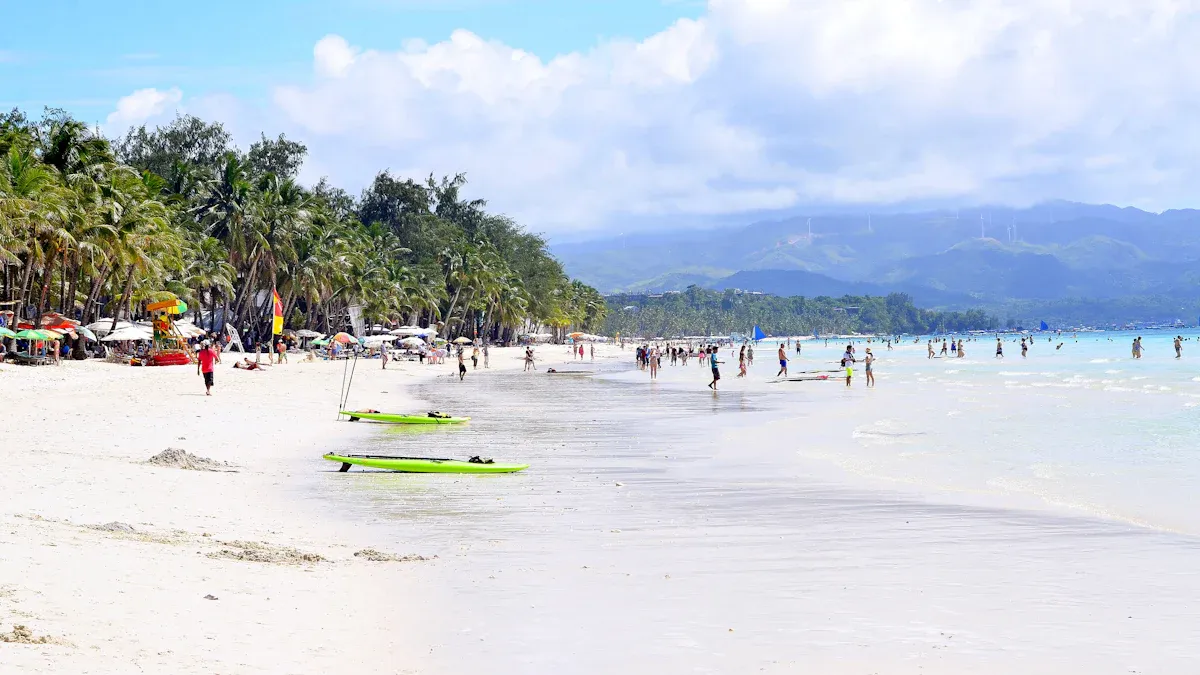
You will find Boracay famous for its vibrant nightlife and stunning White Beach. This island offers 2.5 miles of powdery white sand and clear waters. It is a place where you can relax by day and party by night. Boracay truly offers a unique blend of experiences.
White Beach: Iconic Shoreline
Boracay’s White Beach is truly iconic. It has earned global recognition for its breathtaking beauty. Travel + Leisure named it the ‘Best Island in the World’ in 2012. Condé Nast Traveler also put it on their ‘Best Islands in the World’ list in 2014. In 2016, it topped Condé Nast Traveler’s list of ‘Top 10 destinations to watch’. This makes it a main attraction and one of the best tourist spots in the Philippines.
You will love the pristine blue water and idyllic ocean views. The long stretch of white sand beach is perfect for strolling. You can witness unbeatable, magical sunsets here. After its rehabilitation, the beach became even more stunning. You now have more space for basking and walking. The sand is powder-white, often described as ‘sugary and powdery’. This gave the island its name ‘Boracay’ from the local word ‘borac’, meaning ‘white cotton’. You will also find crystal-blue waters and beautiful marine life. This destination offers relaxation, tranquility, and exciting nightlife. It truly is the best beach in the world for many.
Water Sports and Adventure
Boracay offers many thrilling water sports and adventure activities. You will find something for everyone here.
Island Hopping: This is one of the most popular Boracay activities. You can explore nearby islands and hidden coves.
Jet Skiing: Feel the rush as you speed across the waves.
Windsurfing and Kitesurfing: The winds here are perfect for these exciting sports.
Banana Boat Ride: This is a fantastic water activity for groups. You will laugh and splash together.
Fly Fish and UFO/Hurricane Ride: Hold on tight for these exhilarating towed rides.
Sunset Cruise: Enjoy the beautiful sunset while snorkeling, mermaiding, or paddleboarding.
Crystal Kayak: Paddle a transparent kayak and see the marine life below.
Flyboarding / Hoverboarding: These are some of the fastest-growing new water activities. You can fly above the water!
Underwater Scooter / Breathing Observation Bubble: Explore underwater without needing full scuba gear.
Freediving: This recently popular sport lets you dive deep on a single breath.
Helmet Diving: Walk on the seabed and see fish up close.
Mermaid Swimming: Learn to swim like a mermaid.
Swimming in Crystal Clear Waters: This is a must-do for every Boracay visitor. The water is incredibly inviting.
Snorkeling and Scuba Diving: Boracay is a renowned scuba diving destination. You will see vibrant coral reefs and diverse marine life.
Paddleboarding and Kayaking: Enjoy a peaceful glide over the calm waters.
Cliff Diving: For the adventurous, jump from designated cliffs into the sea.
Dining and Nightlife
Boracay’s nightlife is legendary. You will find a wide array of dining options and entertainment venues.
Clubs:
Epic: This is a resto-bar by day and a club by night. You will find it in Station 2 next to D’mall.
Summer Place: Popular with Western tourists, also in Station 2.
Boracay Stars: A new club in Station 3 with air conditioning.
Club Paraw: A favorite among locals, it has a large dance floor.
Guilly’s Island: Another popular spot for dancing.
Lounges with Live Music:
Bom Bom Bar: It has a great vibe and live music from 7:00 pm to 12:00 am.
Wave Bar and Lounge: This is a classy spot with a dance floor.
Treehouse: A bamboo-style resto-bar-lounge in Station 3 with live acoustic music.
Hobbit House: A restaurant with a small bar and live music.
Bars:
Red Pirates Pub: You will find a relaxing, chill-out vibe here. It often features musicians in Station 3.
Rumbas Sports Bar: This is the number one sports bar in D’mall.
Levantin Bar: A resto-bar with good food quality, located in front of Bulabog Beach.
Aplaya Beach Bar: This classy bar offers good quality Mediterranean food.
Exit Bar: Popular with locals and expats, it is a home base for the wind and kitesurfing crowd.
Coco Bar: Known for loud commercial dancing music and unique alternating red and blue lighting.
Pats Creek Bar: Enjoy reggae, acoustic, and jazz music here.
Nigi Nigi Nu Noos Bar: A favorite among expats, it plays classic rock music and is good for watching sports.
You can also find party organizers like Manic Monkey for regular and specialty events. Area 51 is famous for full moon parties on Bulabog Beach. Congas hosts DJs from Manila and international DJs for big parties. You can even join a Pub Crawl, a popular bar hopping organization that visits 5 out of 9 rotating bars/clubs nightly. Many of these venues also offer delicious dining options. Epic functions as a resto-bar during the day. Aplaya Beach Bar and Levantin Bar are known for their good food quality. Treehouse and Hobbit House also serve food.
Boracay: Rejuvenated Charm
Boracay underwent a major rehabilitation. This brought back its natural beauty and charm. The government implemented strict environmental regulations and tourism policies. You will notice a cap of 19,200 tourists per day. This helps protect the island from overcrowding. Public smoking and drinking are now banned in public areas and on beaches. This reduces litter and keeps the environment clean.
Large-scale parties like ‘Laboracay’ are no longer permitted. This ensures a more peaceful atmosphere. Beachfront activities like fire eating, masseuses, vendors, bonfires, and sandcastles are prohibited. Most water sports, except swimming, were temporarily forbidden during the initial cleanup. The Department of Energy donated 200 electric tricycles. These replace gasoline-powered ones, promoting sustainable tourism. The government even demolished 81% of buildings in the beach easement zone. This restored ecological integrity. These efforts have made Boracay even more beautiful and sustainable for you to enjoy.
Boracay: Where to Stay
Boracay’s White Beach divides into three main stations. Each station offers a distinct character and different accommodation types.
Station 1: This is the northern end. It is known for upscale resorts, a wider beachfront, and a more relaxed atmosphere. It is ideal for luxury seekers and families.
Discovery Boracay: This is one of the first luxury resorts. It offers first-class treatment, spacious suites, and multiple dining options.
The Lind Boracay: A newer resort, it blends world-class standards with Filipino hospitality. It features three outdoor pools and various dining choices.
Fridays Boracay Resort: It exudes an old Boracay feel with rustic architecture. It offers a quiet beachfront while staying close to dining options.
Station 2: This is the vibrant center of White Beach. It bustles with activity, dining options, bars, and shops.
Henann Palm Beach Resort: This world-class resort offers adequate prices. It features a spectacular outdoor pool with a pool bar. Rooms start at $116 a night.
Coast Boracay: A scenic beachfront resort with 71 rooms. It is known for ultimate rest and relaxation. Its partner is Cha Cha’s Beach Cafe.
Mandarin Island Hotel Boracay: It offers 52 rooms and suites with modern Filipino elements. It is known for its quality and daily live music.
Red Coconut Beach Hotel Boracay: A beloved hotel in Station 2. It offers private beachfront lounging and a stylish Coco Bar.
Station 3: This is the last part of White Beach to be developed. It offers a more laid-back environment with more greenery and less nightlife. It often appeals to budget travelers and backpackers.
Abozza Resort: A great budget hostel providing good service and room quality for around $38 per night.
Surfside Boracay Resort: Perfect for budget travelers. It offers accommodation in a quieter area starting from $46 per night. It also has an amazing spa center.
You can choose the station that best fits your travel style and budget.
Best Islands to Visit in the Philippines
You have already explored the wonders of Palawan and Boracay. Now, you can discover even more of the beautiful islands in the Philippines. This country offers a diverse range of experiences. You will find something for every type of traveler.
Traveler Interest/Activity | Example Island |
|---|---|
Beaches & surfing | Siargao |
Scenery & culture | Luzon |
Chocolate Hills & wildlife | Bohol |
Marine wildlife & diving | Malapascua |
Gorgeous beaches & nightlife | Boracay |
Paradise beaches & crystal clear waters | Balabac |
Scenery & adventurous activities | Palawan |
Coral reefs & the sardine run | Cebu |
Lagoons & kayaking | Miniloc |
Natural beauty & shipwreck diving | Coron |
This table shows you some of the best islands to visit based on your interests.
Siargao: Surfing Capital
Siargao is the undisputed surfing capital of the Philippines. You will find this tear-drop-shaped island on the northeastern coast of Mindanao. It offers world-class waves that attract surfers from all over. Even if you do not surf, you will love its laid-back vibe and stunning natural beauty.
You can find waves for all skill levels here:
Intermediate Surfers
Bumee: This spot offers a new challenge. You need focus and balance here.
Cemetery (Pesangan): You will find breaks in both directions. This is great for gaining experience before more difficult waves.
Daku Reef: This spot requires an intermediate level, especially during peak season. It is a good introduction to reef surfing.
Pansukian Reef: This place is ideal for both advanced and intermediate surfers. It has long, fast waves averaging 6 feet.
Pilar: You need at least intermediate skill and experience here. It offers good waves with fewer crowds after a long boat ride.
Salvacion: You will find strong, barreling swells here. Intermediate surfers can improve quickly.
Advanced Surfers
Stimpy’s: This spot requires advanced skill and experience. You can reach it by a 10-minute boat ride. It is best at low tide.
Cloud 9: This spot is world-renowned. It has huge, right-hand waves breaking over a shallow reef. It is exclusively for advanced surfers. It also hosts international competitions.
Pacifico: You will find long, hollow left breaks over a rocky reef here. It challenges advanced surfers and prepares them for Cloud 9.
Tuason’s Point: This spot is near Cloud 9. It offers tubing reminiscent of Cloud 9 for expert surfers. You can find manageable swells further out for intermediate surfers, but watch out for rocks at low tide.
Cebu: City and Island Hopping
Cebu offers a fantastic mix of urban attractions and incredible island hopping adventures. You can explore historical sites in Cebu City. Then, you can head out to the surrounding islands for marine encounters.
In Cebu City, you can visit these key attractions:
Magellan’s Cross: This marks the spot where Christianity began in the Philippines in 1521.
Fort San Pedro: This is Cebu’s triangular time capsule.
Cebu Metropolitan Cathedral: This 1800s coral-stone cathedral is known for its serenity.
Colon Street & Heritage Walk: This is Cebu’s oldest street. It offers a mix of colonial relics, street food, and bargain shops.
For island hopping, you have many popular destinations and activities around Cebu:
Moalboal Town: This town is famous for its sardine run at Panagsama Beach. You can also have turtle encounters at Talisay’s reefs and visit White Beach.
Oslob town: This is best for swimming with whale sharks, especially between 6:00 AM and 11:00 AM.
Kawasan Falls (Canyoneering): This is a thrilling 5-hour water adventure. You will go through turquoise gorges and waterfalls.
Mactan Island: This island offers affordable island hopping to spots like Gilutongan (Hilutongan) Island (marine sanctuary), Nalusuan Island (coral gardens), and Caohagan Island (white sand and local life).
Malapascua Island: This island is known as ‘Thresher Shark Central’. You can have guaranteed sightings of thresher sharks at Kimod Shoal, especially at 5:00 AM.
You can also explore other popular island-hopping destinations around Cebu:
Olango Island: This island is near Mactan. It is a wildlife sanctuary for migratory birds. It also features extensive coral reefs, camping, snorkeling, and water sports.
Camotes Island: This is a small paradise island. It has white-sand beaches, unique rock formations for cliff jumping, and underground caves with water pools.
Sumilon Island: This island is most visited in Southeast Cebu. It is known for whale shark swimming, 4 major dive sites with spectacular reefs, and a sandbar.
Bantayan Island: This island is at the northernmost part of Cebu. It is highly visited for its rich and serene white-sand waters, comparable to Boracay. It offers activities from beach bumming to caving and skydiving.
Malapascua Island: This is an unspoiled islet in the north. It is a haven for backpackers and divers. It boasts white sand beaches and easy dive site access to witness thresher sharks.
Bohol: Hills and Tarsiers
Bohol is another must-visit island. It is famous for its unique geological formations and adorable wildlife. You will love the iconic Chocolate Hills and the tiny tarsiers.
The Chocolate Hills are a true natural wonder. They are primarily composed of karst limestone. Over thousands of years, rainwater and rivers gradually eroded this soluble limestone bedrock. As water receded, the remaining limestone pillars emerged. This formed the iconic Chocolate Hills. The formation of the Chocolate Hills began millions of years ago. This was during the Late Pliocene to Early Pleistocene era when Bohol was submerged. Marine life and coral reefs thrived. Tectonic plates shifted and sea levels changed. These coral reefs were uplifted to form a limestone plateau. Over time, rainwater and other forms of erosion wore away at the limestone. This created the distinctive karst landscape. The hills were further sculpted by elements like rainwater and wind. This shaped the soluble calcium carbonate limestone into conical mounds. They are constantly changing due to ongoing erosion.
Bohol Island’s unique karst landscape, including the Chocolate Hills, is a result of millions of years of erosion on limestone formations. Karst landscapes form when soluble rocks like limestone are eroded by rainwater, underground streams, and acidic groundwater. This creates features such as sinkholes, caves, and exposed limestone. Specifically, the Chocolate Hills are cone-shaped limestone formations sculpted by wind and rain over vast periods.
Hidden Gems: Lesser-Known Islands
You might want to escape the crowds. The Philippines has many hidden gems. These islands offer unique experiences and untouched beauty.
Consider these less-known destinations for a truly authentic adventure:
Samar (Sohoton Natural Bridge National Park): This park is on the less touristy island of Samar. It features lush jungle, natural limestone structures, and the Sohoton River. You can explore Panhulugan Cave with its massive chambers. You can also kayak through limestone walls and discover the Natural Bridge. You will find few other tourists here.
Siquijor: This island is known for its legends of voodoo and witchcraft. It is still under the tourist radar despite its proximity to Cebu and Bohol. It offers waterfalls with rope swings, old churches, pristine beaches for snorkeling, and unique witchcraft-related souvenirs. Sunsets from the west side are also a highlight.
Kinatarcan Island: This is a small, untouched sanctuary off Cebu. People describe it as “Cebu’s last frontier.” It boasts a mystic lagoon, pristine white sand beaches, and enchanting caves. The island is developing eco-tourism with the Kinatarcan Wellness Resort. This resort is solar-powered, serves local food, and employs local staff. It offers a sustainable way to explore Laaw Lagoon, Clam Caves, and various beaches.
Batan Island: This island offers a deep dive into local culture. You will find no crowded beaches or party hostels. You can explore Basco Lighthouse, Diura fishing village, Ivatan-style houses in Itbud, and Chawa View Deck for stunning landscapes.
Sibuyan Island: This lesser-known island rewards visitors with endless white-sand beaches, lush jungles, waterfalls, and mountains. It features Mt. Guiting-Guitin, one of the country’s most challenging hikes. You can also find the secluded paradise of Cresta de Gallo.
Bantayan Island: This island remains relatively undisturbed despite being close to Cebu. It is ideal for downtime. Santa Fe is its hub for local restaurants and resorts. Attractions include Omagieca Obo-ob Mangrove Garden, Baigad Lagoon Beach, and Bantayan Central Plaza.
Calaguas Island: This is a rustic group of islands off Luzon. It is known for its laid-back vibe and lack of tourist amenities. Tinaga Island features Mahabang Buhangin Beach, a tropical paradise with deserted sands and turquoise waters. It offers options for guesthouses or camping.
Apo Island: This island is known for its abundance of friendly sea turtles in shallow waters. This makes it ideal for snorkeling and scuba diving. Electricity is limited. This encourages you to spend most of your time in the ocean.
Camiguin, Northern Mindanao: This volcanic island offers activities like hot and cold springs, a sunken cemetery, and day trips to Mantigue Island. Hiking Mt. Hibok-Hibok provides stunning views and a cool micro-climate.
Palaui, Cagayan Valley: This island is for adventurous travelers. You will find wild, barely touched land here. It offers a community-based eco-tourism experience with no electricity at night, fresh seafood, hikes to a 19th-century Spanish lighthouse, and hidden waterfalls. The journey is challenging but rewarding for those seeking rugged nature.
Jomalig, Quezon: People describe this island as “pure.” It features incredibly clear turquoise waters and long strips of golden, untouched sand at Lingayen Cove. It offers a tranquil escape with minimal tourist presence. It is ideal for unwinding without distractions.
Philippines Travel Guide: Plan Your Trip
You are ready to explore the beautiful Philippines. This guide helps you plan your adventure. You will find practical advice here. This guide covers everything from when to visit to what to eat. Planning your philippines itinerary carefully makes your trip smooth.
Best Time to Visit
You want to enjoy the best weather in the Philippines. The dry season is your best bet. This runs from January to April. January and February are particularly good. Temperatures are cooler then, around 25°C to 28°C. You will find hot yet pleasant conditions. Occasional afternoon showers can cool the land. This is a great time for your philippines itinerary.
The main typhoon season typically runs from July to October. Heavy rains and destructive typhoons can occur. These often hit the eastern coastline of Luzon, Samar, and Leyte. The inner Visayas region is more sheltered during this time. November and December are also good months to visit. They are past the main monsoon season. You will find pleasantly warm weather. There is still a chance of tropical storms. May is another option if you like warmer weather. Temperatures can peak in the high 30s. This month marks the transition to the rainy season.
The best time to visit the Philippines to avoid typhoon season is from December to February. Temperatures are coolest then. Rainfall is minimal. This makes hiking and city tours more pleasant. The dry season extends from November to April. March, April, and May are gloriously sunny. They bring the worst of the heat. Temperatures can reach the mid-30s. Cyclones are most likely from June to September. They can cause widespread disruption. Palawan and the southern Visayas are less prone to typhoons. The shoulder months of May and October offer lower prices and fewer tourists. The weather is still pleasant. They mark the beginning or end of the rainy season. October is cooler than May. Heavy rains from June to October can disrupt travel by planes, cars, and boats.
Getting Around
You will find the Philippines is a large archipelago. Inter-island travel can be a challenge. However, travel companies are improving options. New flight routes and charter ferry services are available. This reduces the need to always fly via Manila. Planning your philippines itinerary means considering how you will move between islands.
Here are common ways to travel between the islands:
Airplane: This is the fastest way for inter-island journeys. Flights typically last an hour or so. Major airlines include Philippine Airlines, Cebu Pacific, and AirAsia. Fares range from PHP1,200 to PHP4,000 one-way.
Fast Craft: These are convenient for exploring neighboring islands. Operators like OceanJet dominate the Visayas region. OceanJet offers up to 18 daily departures on popular routes. For example, Cebu to Bohol takes exactly 2 hours. Fares typically range from PHP600 to PHP1,000.
Ro-ro (Roll-on/Roll-off) Ship: These carry both vehicles and people. They are ideal for road trips to other islands. Fares are usually under PHP500.
Large Passenger Boats: You can use these for longer journeys between regions. Operators like SuperFerry are common. Fares range from PHP800 to PHP1,500.
Pump Boat / Banca: Locals often hire these outrigger canoes for island hopping. Special trips can cost PHP1,000 to PHP3,000.
Accommodation Tips
You will find many accommodation options in the Philippines. They fit every budget. Planning your philippines itinerary includes finding the right place to stay.
Location | Accommodation Type | Price (PHP) | Price (USD) |
|---|---|---|---|
Boracay (High Season) | Cheapest Private Room | 1,250 | 28.32 |
Boracay | Dorm Room | 600 | 13.60 |
Manila (Central) | Dorm Room | 600 | ~13.60 |
Siquijor | Private Room | 500 | 11.33 |
Philippines (Cheapest) | Dorm Room | 250 | 5.66 |
El Nido | Cheapest Private Room | 600 | 13.60 |
El Nido | Central Hostel Dorm | 600 | ~13.60 |
Makati | Budget Hotel (Red Planet) | N/A | Starting at 25 |
Average per night | Overall | 500 | 11.33 (2020: 10, 2023: 9.22) |
For budget-friendly options, consider these:
Hostels: Dorm beds can range from $6 USD in Palawan to $20 USD for posh backpacker hostels. Many include Wi-Fi and air conditioning.
Local Guesthouses and Huts: These are often cheaper than hostels. You can find huts on the beach for as little as $2 USD a night.
Couchsurfing: This is a popular option. You can meet locals and save on accommodation costs.
Camping: This is recommended for tight budgets. Free camping is possible on many beaches. Some hostels allow pitching tents in their gardens if you buy drinks.
You can use these platforms for booking:
Hostelworld: This is best for booking hostels. It has a large inventory and good deals.
Booking.com: This is recommended for guesthouses and cheap hotels. It consistently offers the cheapest rates.
Local Cuisine
You must try the delicious local food in the Philippines. Your philippines itinerary should include a culinary adventure.
Here are some must-try dishes and where to find them:
Kwek kwek: These are quail eggs coated in orange batter. They are deep-fried and seasoned with vinegar, chilies, and onions. Find them at street food stalls.
Lechon manok: This is roasted chicken stuffed with lemongrass. It is rubbed in a marinade of soy sauce, sugar, and kalamansi. Look for street food rotisserie chicken stalls.
Palabok: These are rice noodles with a thick sauce. The sauce is made from shrimp, minced pork, and fried pork skin (chicharon). Sometimes it has a hard-boiled egg. You can find it throughout Manila.
Halo-halo: This is a popular dessert. It has shaved ice, fruits, sweet beans, coconut, sweet milk, syrups, tubers, and jellies. It is widely available.
Balut: This is a partially developed duck egg embryo. Find it at street food stalls.
Banana Q / Turon: These are bananas coated in brown sugar and caramelized (Banana Q) or sliced banana and jackfruit wrapped in a lumpia wrapper and deep-fried (Turon). Find them on the streets throughout the Philippines.
Calamansi juice: This refreshing drink is made with local lime. It is widely available.
Kinilaw: This is a type of ceviche. It has raw fish in vinegar, lime, and spices. You can find it at local restaurants like Lantaw Native Restaurant in Dumaguete.
For specific dining experiences:
Bohol: Kasagpan resort offers healthy breakfasts. Fox & The Firefly has tasty local lunch options. Oasis Resort at Alona beach is recommended for good food.
Dumaguete: Sans Rival Cakes & Pastries is perfect for afternoon tea. Lantaw Native Restaurant is great for Filipino specialties.
Moalboal: Shaka opens early. It offers fresh smoothie bowls and combo deals.
Essential Travel Tips
You need to prepare well for your trip. This guide helps you with essential tips. Planning your philippines itinerary effectively makes a big difference.
Visa Requirements and Entry Rules: Check visa requirements for your nationality. Complete the eTravel app form before entry. Visa rules can change. Always verify the latest information on official government websites.
Choosing Which Islands to Include: The Philippines has over 7,000 islands. For first-timers, popular islands include Palawan (El Nido, Coron), Cebu, Bohol, Siquijor, Boracay, and Siargao. Do not try to see everything. This is especially true if you have less than three weeks. You will avoid travel fatigue.
How Long to Spend: You should spend at least two weeks. Focus on 2 to 3 islands. Travel times between islands can be long and unpredictable. Three weeks allows you to visit two different regions. For example, you can see Palawan and the Visayas without feeling rushed. This helps you create a balanced philippines itinerary.
Travel Insurance: Consider coverage for lost or stolen luggage. It also helps with flight cancellations or delays. Trip interruptions due to emergencies are covered. Stolen electronics or valuables are also included. Read policies carefully. Understand what is covered and up to what amount. This is a crucial part of your philippines itinerary planning.
You have seen the irresistible charm of the Philippines, a true island paradise. Its beautiful islands, like Palawan and Boracay, offer stunning beaches and diverse experiences. This travel guide helps you plan your perfect philippines itinerary. Use it to craft your ideal philippines itinerary. Your philippines itinerary will lead you to a tropical paradise. Every part of your philippines itinerary promises adventure. This philippines itinerary ensures unforgettable moments. Your philippines itinerary is your key to this island paradise. Go experience the magic of the Philippines for yourself. Unforgettable memories await you in this island paradise!
FAQ
How safe is it to travel in the Philippines?
You will find the Philippines generally safe for tourists. Exercise common sense, just like anywhere else. Stay aware of your surroundings. Keep your valuables secure. Avoid isolated areas at night. Many travelers enjoy their trips without issues.
What currency do they use in the Philippines?
You will use the Philippine Peso (PHP) here. You can exchange major currencies at banks or authorized money changers. ATMs are widely available in cities and popular tourist spots. It is always good to carry some smaller bills for local purchases.
Do I need a visa to visit the Philippines?
Your visa requirements depend on your nationality. Many countries have visa-free entry for a certain period, usually 30 days. Always check the latest requirements before your trip. You can find this information on the official Philippine embassy website in your country.
What is the best way to travel between islands?
You have several options for inter-island travel. Airplanes offer the fastest way for longer distances. Fast crafts and ferries connect closer islands. For island hopping tours, you will often use smaller pump boats. Choose based on your destination and budget.