

You’ll want boots that keep feet warm, dry, and sure-footed on winter trails. Pick from Timberland White Ledge Mid, Skechers Relment-Pelmo, Columbia Newton Ridge Plus, Mishansha insulated snow boots, and pair them with Alvada merino thermal socks. Look for waterproof sealed seams, gusseted tongues, insulated linings like fleece or Thinsulate, low-temp rubber outsoles with deep lugs, and a snug heel with slight toe room for layered socks. Keep going to learn fit tricks and care tips.
| Timberland Men’s White Ledge Mid Waterproof Hiking Boots |
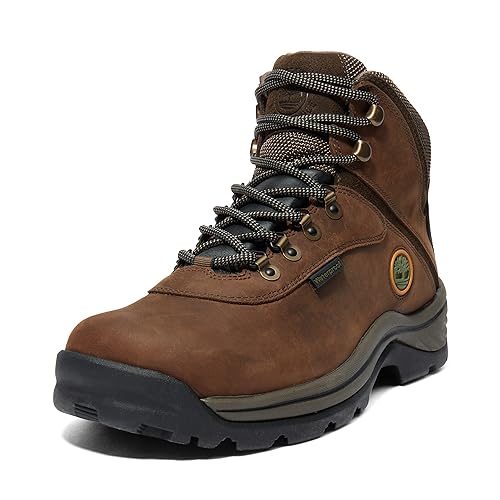
| Best All-Rounder | Waterproofing: Waterproof premium leather upper; fully gusseted tongue | Intended Use: Hiking (mid-height trail use) | Traction / Sole: Rubber outsole for durable traction | VIEW LATEST PRICE | Read Our Analysis |
| Alvada Merino Wool Thermal Hiking Crew Socks (3 Pairs) |

| Best Warmth Layer | Waterproofing: Moisture-management thermal wool (designed for winter hiking; not a boot but intended to manage moisture) | Intended Use: Hiking / rugged terrain / cold-weather hikes (thermal hiking crew socks) | Traction / Sole: (Sock) Shaped cushioning for foot stability; designed for rugged terrain (no sole) | VIEW LATEST PRICE | Read Our Analysis |
| Skechers Men’s Relment- Pelmo Hiking Boots |

| Best Cushioned Comfort | Waterproofing: Waterproof suede/synthetic/mesh upper | Intended Use: Hiking, work, casual/all-weather | Traction / Sole: Synthetic high-traction lug patterned outsole | VIEW LATEST PRICE | Read Our Analysis |
| Columbia Women’s Newton Ridge Plus Waterproof Hiking Boots |

| Best Traction-focused | Waterproofing: Waterproof construction (full-grain leather + mesh bootie) | Intended Use: Hiking / trail use in wet conditions | Traction / Sole: Rubber sole with Omni-Grip multi-terrain traction | VIEW LATEST PRICE | Read Our Analysis |
| Mishansha Men’s Waterproof Insulated Winter Snow Boots |

| Best Insulated Protection | Waterproofing: Water-resistant faux leather with sealed seams | Intended Use: Hiking, trekking, snow/commuting in cold weather | Traction / Sole: Rugged non-slip rubber sole for snow/ice/uneven ground | VIEW LATEST PRICE | Read Our Analysis |
More Details on Our Top Picks
Timberland Men’s White Ledge Mid Waterproof Hiking Boots
If you want a reliable, no-nonsense hiking boot that keeps your feet dry on wet trails, the Timberland White Ledge Mid is a solid pick for cold weather outings. You’ll get waterproof premium leather and a fully gusseted tongue that stop puddles and slush from sneaking in. The ReBOTL lining feels warm and thoughtful, while the EVA footbed and midsole cushion your steps without weighing you down. Rubber soles give steady traction on icy rocks. Ankle-height support and rustproof speed-lace hardware with top lace hooks help you dial fit and security quickly for long days outside.
- Waterproofing:Waterproof premium leather upper; fully gusseted tongue
- Intended Use:Hiking (mid-height trail use)
- Traction / Sole:Rubber outsole for durable traction
- Insulation / Warmth:Lightweight EVA cushioning (not heavily insulated; designed for comfort in cooler conditions)
- Closure / Fit:Lace-up with rustproof speed-lace hardware and lace hooks at top
- Upper Material:Waterproof premium Timberland leather
- Additional Feature:Fully gusseted tongue
- Additional Feature:Rustproof speed-lace hardware
- Additional Feature:Lightweight EVA midsole
Alvada Merino Wool Thermal Hiking Crew Socks (3 Pairs)
You’ll love these Alvada Merino Wool Thermal Hiking Crew Socks if you want reliable warmth and comfort on long, cold treks. You’ll notice the 80% merino blend feels soft and itch free, with nylon smoothing the fit. They stretch to hug your foot and lower calf, so boots stay comfortable. Cushioned shaping in the footbed eases fatigue on rugged trails, and moisture management keeps feet dry during long winter days. They come as three unisex pairs in crew length. Wash cold and air dry or tumble low. Don’t bleach. Made in the USA or imported.
- Waterproofing:Moisture-management thermal wool (designed for winter hiking; not a boot but intended to manage moisture)
- Intended Use:Hiking / rugged terrain / cold-weather hikes (thermal hiking crew socks)
- Traction / Sole:(Sock) Shaped cushioning for foot stability; designed for rugged terrain (no sole)
- Insulation / Warmth:80% Merino wool — thermal warmth for cold-weather hikes
- Closure / Fit:Stretch fit (crew sock); unisex fit
- Upper Material:Merino wool blend fabric (sock upper)
- Additional Feature:Shaped cushioning footbed
- Additional Feature:Itch-free blended knit
- Additional Feature:Pack of three pairs
Skechers Men’s Relment- Pelmo Hiking Boots
For hikers who want warm, dry comfort without fuss, the Skechers Men’s Relment Pelmo hiking boots are a smart pick thanks to their waterproof suede and mesh upper that keeps water out while letting your feet breathe. You’ll feel cushioned thanks to Air-Cooled Memory Foam insoles and a relaxed fit that won’t squeeze during long walks. Lace-up closure gives you a custom hold and reinforced stitching adds durability when trails get rough. The ankle-high shaft supports your lower leg while a high-traction lug patterned outsole helps prevent slips on wet rocks or muddy trails. They’re versatile for work, hikes, or everyday wear.
- Waterproofing:Waterproof suede/synthetic/mesh upper
- Intended Use:Hiking, work, casual/all-weather
- Traction / Sole:Synthetic high-traction lug patterned outsole
- Insulation / Warmth:Not specifically insulated — designed for all-weather protection (breathable materials)
- Closure / Fit:Lace-up closure; relaxed fit design
- Upper Material:Waterproof suede, synthetic, mesh
- Additional Feature:Air-Cooled Memory Foam
- Additional Feature:Reinforced durability stitching
- Additional Feature:Relaxed fit design
Columbia Women’s Newton Ridge Plus Waterproof Hiking Boots
Choose the Columbia Women’s Newton Ridge Plus Waterproof Hiking Boots when you want a dependable, cozy boot that keeps your feet dry on wet trails and steady on icy patches. You’ll feel the leather and mesh wrap your ankle with light support while breathability in the tongue prevents clamminess on long hikes. The waterproof build and durable materials handle slush and streams without complaint. A lightweight midsole cushions steps and returns energy so you tire less. Omni-Grip traction and a dual-zone winter tread hold on ice and snow, and the lace-up closure lets you dial fit and comfort for every outing.
- Waterproofing:Waterproof construction (full-grain leather + mesh bootie)
- Intended Use:Hiking / trail use in wet conditions
- Traction / Sole:Rubber sole with Omni-Grip multi-terrain traction
- Insulation / Warmth:Lightweight, durable midsole with cushioning; suited for extended wear in cooler conditions (not listed as insulated)
- Closure / Fit:Lace-up closure for adjustable, secure fit
- Upper Material:Full-grain leather and mesh bootie
- Additional Feature:Omni-Grip multi-terrain traction
- Additional Feature:Dual-zone winter tread
- Additional Feature:Full-grain leather + mesh
Mishansha Men’s Waterproof Insulated Winter Snow Boots
If you need a dependable boot that keeps your feet warm and dry on snowy trails, the Mishansha men’s waterproof insulated winter snow boots are a solid pick. You’ll like the water-resistant faux leather and sealed seams that block rain, slush, and packed snow. Inside, ultra-soft fleece lining traps heat so your toes stay comfortable on hikes or commutes. The high-top design with reinforced eyelets and sturdy laces gives ankle support and a snug fit. A rugged rubber sole grips icy, wet, and uneven ground. Lightweight yet durable, these boots work for trekking, shoveling, or gifting to an outdoor dad.
- Waterproofing:Water-resistant faux leather with sealed seams
- Intended Use:Hiking, trekking, snow/commuting in cold weather
- Traction / Sole:Rugged non-slip rubber sole for snow/ice/uneven ground
- Insulation / Warmth:Fully lined with ultra-soft fleece and insulated for cold temperatures
- Closure / Fit:Reinforced eyelets and sturdy laces; high-top ankle design for secure fit
- Upper Material:Faux leather outer material
- Additional Feature:Ultra-soft fleece lining
- Additional Feature:Sealed seams construction
- Additional Feature:12.58″ shaft circumference
Factors to Consider When Choosing Boots For Cold Weather Hiking
You’ll want to think about insulation and waterproofing first, since they keep your feet warm and dry when temps drop. Pay attention to traction, fit and the ability to layer socks, because a boot with a good outsole and proper sizing stops slips and lets you adjust warmth. Also look for durable materials and solid seals so your boots last season after season and don’t let cold or moisture sneak in.
Insulation And Warmth
Think about insulation as the part of the boot that keeps your feet warm when the air is bitter and the trail is long. You’ll want to check the insulation rating, usually given in grams for synthetic fill or tog for textiles. Higher numbers like 200 to 400 grams give more warmth for very cold days. Decide between down and synthetic fill. Down is light and compressible but loses warmth if it gets wet. Synthetic keeps insulating power when damp and dries faster. Look for proven linings such as fleece, wool blends, or 3M Thinsulate to wick moisture and add passive warmth. Make sure insulation works with a breathable moisture barrier to avoid sweat buildup. Leave thumb space in the toe box and plan to wear thermal socks.
Waterproofing And Sealing
Keep water out and warmth in by choosing boots with reliable waterproofing and tight sealing. You’ll want fully waterproof uppers and sealed seams so meltwater and rain don’t soak insulation and cut warmth by up to 40%. Also look for waterproof membranes paired with water-resistant outer fabric to block liquid but let sweat escape. A gusseted tongue or internal gaiter will stop snow, sleet, and creek splash from entering the collar during deep snow or stream crossings. Durable water-repellent coatings slow surface wetting and reduce ice buildup on the exterior. Choose rustproof hardware and a secure lacing system so the seal stays tight over long treks. These features work together to keep you dry, warm, and confident on cold hikes.
Traction And Outsole
Once your boots keep water and snow out, the next thing that can make or break a winter hike is how they grip the ground. You want deep multi-directional lugs, at least 4 to 6 mm, so they bite into snow and loose terrain and help with braking on steep slopes. Look for wide, aggressive tread with spaced lugs to stop snow packing and keep contact with the ground. Choose a rubber outsole made for low temperatures so it stays soft and grips ice and cold rock. Seek built-in siping or micro-patterns to boost edge grip on wet or packed surfaces. Check non-slip test ratings and real user reports to know how boots perform on icy trails.
Fit And Layering
Start by sizing your boots with the exact socks and liners you’ll wear on cold hikes, because a small change in thickness can turn warm toes into numb ones. Fit matters more than style. You want about 0.5 to 1.0 cm extra toe space so insulation stays lofted. At the same time you need a snug heel so your foot won’t slide and cause blisters or cold spots. Check the shaft and closure for comfortable layers. Lace-up designs and adjustable collars let you tighten the ankle without pinching socks. Measure circumference and leave 1 to 2 cm room if you’ll add gaiters or thicker socks. Test boots standing, walking downhill, and descending slopes with your full sock setup to find pressure points and guarantee good circulation.
Durability And Materials
When you pick boots for cold weather, durability and materials deserve almost as much attention as fit, because a boot that falls apart on a winter trail will leave you cold and stranded. You should favor full-grain leather or tightly woven synthetic uppers since they resist cuts and abrasion more than mesh. Look for sealed or taped seams and a compatible waterproof breathable membrane so moisture stays out without trapping sweat. Reinforced toe and heel caps and double or bar-tack stitching protect high-stress points and extend life. Choose dense high-abrasion rubber outsoles with multi-terrain lugs because rubber compound and sole hardness determine wear and traction. Finally, compare midsoles: PU lasts longer under heavy loads, EVA saves weight but wears faster, so match material to how you hike.