


You connect deeply with humanity’s past when you visit the world’s best historic sites. These historical places in the world offer a diverse journey, from ancient architectural wonders to culturally rich destinations. This blog guides you through a curated selection of the world’s most captivating historical places. You will embark on a journey through time. Discover the stories etched in these ancient wonders and ancient ruins. Cultural tourism is a significant part of global travel; it accounts for an estimated 40% of all tourism worldwide. This shows how much people value history. You will find many world historical places to add to your bucket list. Each destination offers a unique wonder and a profound bucket list experience.
Key Takeaways
Visiting historic sites helps you connect with humanity’s past.
Ancient wonders like the Pyramids of Giza show human skill.
Ancient ruins such as Machu Picchu offer insights into old civilizations.
Cultural sites like the Old City of Jerusalem show how different cultures met.
Plan your trip well and respect these sites to have a great experience.
Best Historic Sites: Ancient Wonders and Architectural Marvels
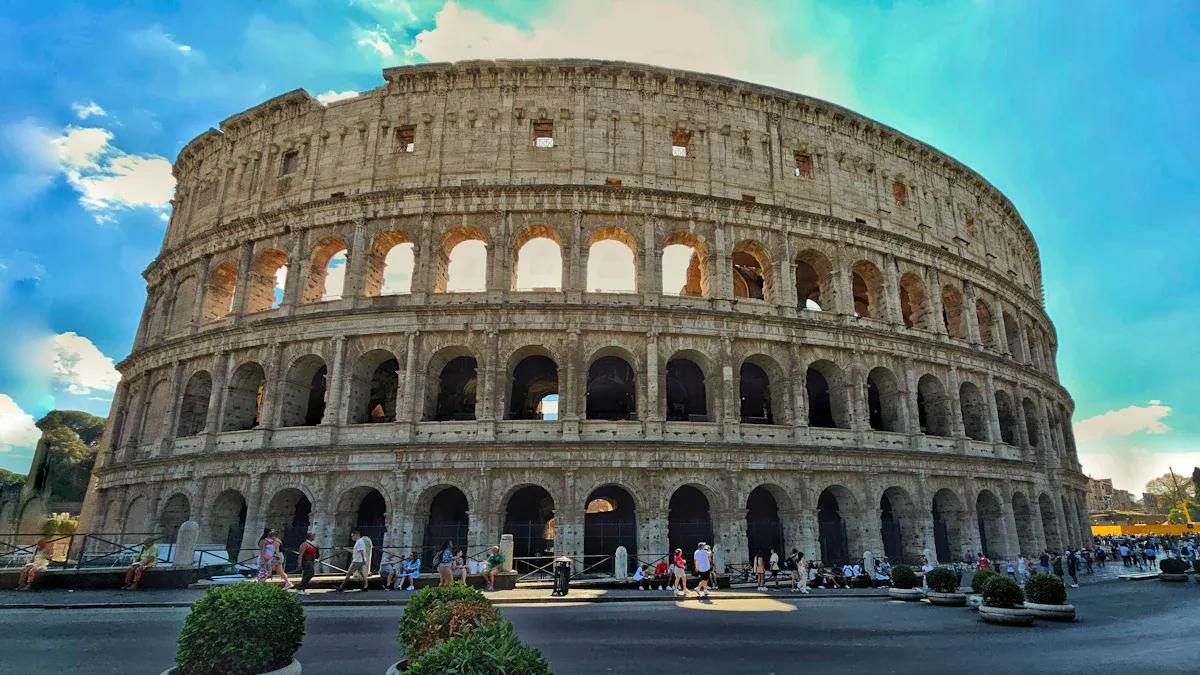
You will find some of the most breathtaking ancient wonders and architectural marvels among the best historic sites in the world. These historical places in the world stand as testaments to human ingenuity and ambition. They offer you a glimpse into civilizations long past. You can explore these ancient structures and understand their enduring significance. These are truly some of the best historical places you can visit.
The Pyramids of Giza, Egypt
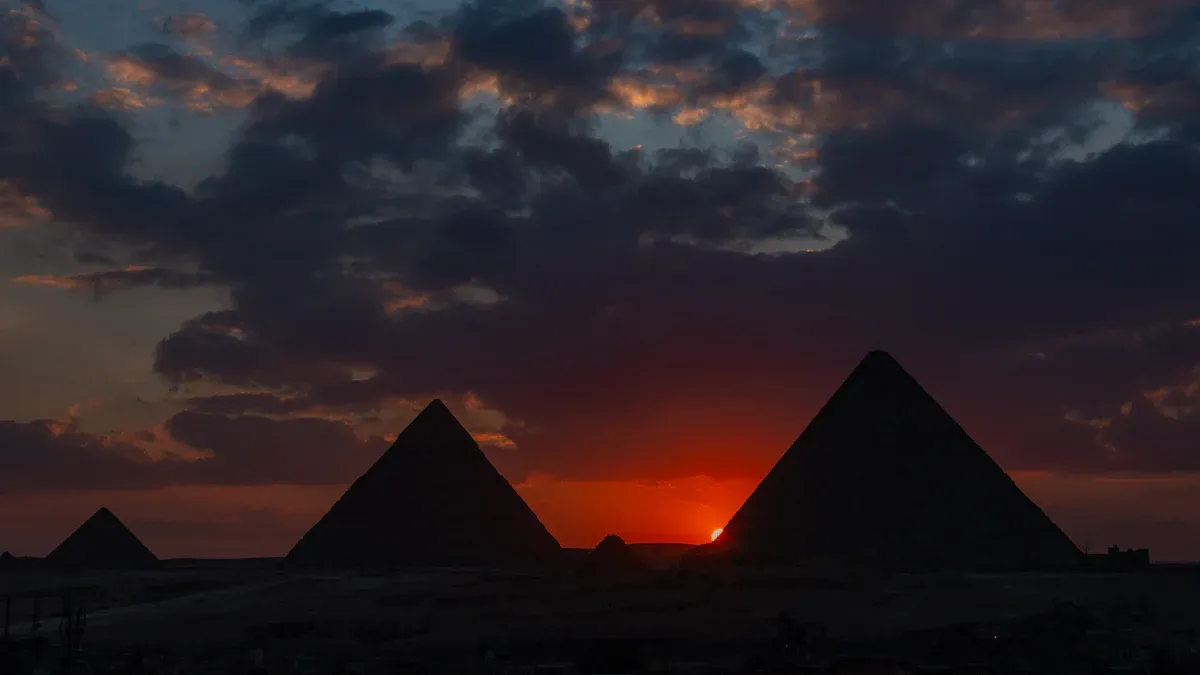
The Pyramids of Giza in Egypt are among the most iconic ancient wonders in the entire world. These massive structures, built around 2580-2560 BC, served as elaborate tombs for pharaohs like Khufu, Khafre, and Menkaure. Each pyramid was part of a larger complex. This complex included a mortuary temple and a causeway leading to a valley temple. Other smaller pyramids for royal family members also existed.
The Great Pyramid, for example, took about 20 years to build. It required a workforce of possibly 20,000 workers. This shows the incredible organization and skill of the ancient Egyptians. These pyramids remain a profound mystery. Their precise construction methods still puzzle experts today. They are a designated UNESCO World Heritage Site. You will feel a sense of awe standing before these ancient marvels. They are truly a wonder of the world.
The Great Wall of China, China
The Great Wall of China is another of the world‘s most impressive ancient wonders. This monumental defensive structure stretches thousands of miles across northern China. Its history began with fortifications built by various states. Qin Shi Huang connected these around 221 BC. He wanted to protect the Qin dynasty from nomadic invaders. Early sections used rammed earth and forced labor.
Later dynasties, like the Ming, greatly expanded and rebuilt the wall. The most extensive and best-preserved sections you see today date from the Ming Dynasty, starting around 1474. The wall’s strategic purpose was defense. It aimed to stop northern attacks. While it served as a useful deterrent, it sometimes failed. For example, Qing troops bypassed it in 1644. This ancient structure is a UNESCO World Heritage Site. It represents an incredible feat of engineering and a powerful symbol of Chinese history. It is one of the greatest world monuments.
Petra, Jordan
Petra, located in modern-day Jordan, is an extraordinary ancient city carved directly into rock faces. This site has been inhabited since about 7000 BC. The Nabataeans, a nomadic Arab people, settled here in the 4th century BC. Petra became the capital of their kingdom in the 2nd century BC. The Nabataeans made Petra a major trading hub. They controlled incense trade routes. This brought them great wealth. They were skilled in stone carving and water harvesting.
The architectural style of Petra’s rock-cut tombs, like Al-Khazneh (The Treasury) and Al-Deir (The Monastery), shows Hellenistic influences. You will see elements reminiscent of Alexandrian architecture. Some scholars even call this style ‘ancient Baroque’. The Treasury, for instance, is 24 meters wide and 37 meters tall. It features Greek gods and Egyptian deities. The Monastery is even larger, at 45 meters tall and 50 meters wide. It blends Nabataean and Greek styles. Petra is a remarkable UNESCO World Heritage Site. It is an ancient wonder that reveals a lost civilization’s artistry and ingenuity. You will find its ruins captivating.
Colosseum, Italy
The Colosseum in Rome, Italy, is one of the most famous historical places and a true historical landmark. Construction began between 70-72 AD under Emperor Vespasian. His son Titus completed the top level in 80 AD. The inaugural games took place shortly after. This massive amphitheater could hold 50,000 to 80,000 spectators. It stands as a symbol of Roman engineering and entertainment.
The Colosseum hosted a variety of events. You would have seen gladiatorial fights, which continued until the early 5th century AD. Animal hunts, called venationes, also took place. They featured exotic animals. Sometimes, the arena was even flooded for simulated sea battles, known as naumachiae. They recreated naval engagements. Dramas depicting mythological episodes also occurred. This ancient arena is a powerful reminder of the Roman Empire’s grandeur and its sometimes brutal spectacles. It is a UNESCO World Heritage Site. You will find it one of the most impressive ancient sites in the world.
Echoes of Lost Civilizations: Ancient Ruins
You can step back in time and explore the remnants of powerful societies. These ancient ruins tell stories of human ingenuity, belief, and eventual decline. You will find these ancient sites offer profound insights into past civilisations. They are truly some of the most captivating historical places in the world.
Machu Picchu, Peru
Machu Picchu, nestled high in the Andes Mountains of Peru, is a breathtaking example of Inca civilisations. This ancient city, built in the 15th century, showcases Inca art, urban planning, architecture, and engineering. You will see how it integrates exceptionally with its natural environment. Machu Picchu stands as a unique testament to the Inca civilization’s well-planned functional distribution. It also shows their territorial control and sophisticated social, productive, religious, and administrative organization.
The Spanish conquest in the 16th century led to its abandonment. Its approximately 200 structures include religious, ceremonial, astronomical, and agricultural centers. They are meticulously arranged on a steep ridge with stone terraces. The city’s rigorous plan divides it into lower and upper parts for farming and residential areas. A large square separates these sections.
The site hints at the Incas’ advanced understanding of astronomy and plant domestication. Many mysteries about this ancient city still remain. Hiram Bingham’s rediscovery of Machu Picchu and the Inca Trail in 1911 brought global awareness to the sophistication of Inca architecture and culture. His expedition unveiled an archaeological treasure. It highlighted the richness of a civilization previously shrouded in mystery. This profoundly impacted the world‘s understanding of the Incas.
The Inca Trail was a strategic masterpiece. It was used for efficient trade and as a symbol of spiritual beliefs. This shows the Incas’ advanced geographical knowledge. It served as a vital trade route and a sacred journey. It connected pilgrims with the spiritual essence of the Inca civilization through divine landscapes. Inca architectural techniques demonstrated unparalleled ingenuity.
Stone-paved pathways harmonized with the natural Andean contours. They featured impressive structures like Inti Punku. The Spanish conquest in the 16th century led to the fall of the Inca Empire. This caused the disuse and abandonment of the Inca Trail. It marked its decline from a vital conduit. This unesco world heritage site is one of the most incredible ancient ruins you can visit.
Pompeii, Italy
Pompeii, an ancient roman city near modern Naples, offers a unique window into daily life in the roman Empire. This famous historical places was destroyed by the catastrophic eruption of Mount Vesuvius in 79 CE. The eruption began with a mass of lava pebbles and boulders. A cloud of pumice then covered the city. Subsequent earthquakes and explosions of gaseous pumice, dust, ash, and cinders further buried the city under several meters of material. The primary cause of death was asphyxiation from lethal gases like carbon monoxide and sulfur dioxide.
The ash and pumice preserved the city in an astonishing state. You can see preserved clothes, hair texture, feet imprints, and facial expressions. Magnificently preserved streets and homes contain utensils, jewelry, doctors’ and tradesmen’s tools, lamps, and mirrors.
Beautifully painted walls display frescoes reflecting roman life. Wine storage jars found in villas indicate significant wine production. Public structures like the Forum, Temple of Giove, Basilica, Amphitheatre, Great Gymnasium, Thermal Baths, Temple of Apollo, Temple of Fortuna Augusta, Theatres, Temple of Iside, and city walls remain. Private and commercial establishments also exist. These include Lupanare (brothel), Thermopolia (fast-food establishments), bakeries, tanneries, greengrocers, and laundries (like Stephanus Laundry). These roman ruins provide an unparalleled glimpse into an ancient civilisations‘ daily existence. They are some of the most poignant ancient ruins in the world.
Acropolis of Athens, Greece
The Acropolis of Athens, Greece, is a globally recognized archaeological site. It symbolizes ancient greece civilization and its contributions to art, philosophy, and democracy.
Situated on a limestone hill, it houses significant classical structures. It reflects Athens’ power and cultural achievements from the 5th century BCE. Initially a religious center dedicated to Athena, it later served various purposes. These included a Christian church and a mosque. It endured damage through different historical eras. Today, it is a unesco world heritage site. It is a major tourist destination and a symbol of greece heritage. It undergoes continuous restoration.
You will find several iconic structures on the Acropolis. The Parthenon, built between 447-438 BCE, was the most important structure. Iktinos and Kallikrates designed it. Phidias created its sculptures. It was dedicated to Athena Parthenos. It set new standards in classical architecture. It symbolized Athens’ wealth and victory over the Persians. The Erechtheion, built between 421-406 BCE, is an unusual temple. It is dedicated to Athena and Poseidon. It is notable for its Caryatid columns. The Temple of Athena Nike is a small Ionic temple. It was built around 427 BCE. It commemorates Athens’ military successes. The Propylaia is a grand gateway. Mnesicles designed it. It serves as the main entrance to the Acropolis. These ancient ruins in greece offer a powerful connection to the birth of Western thought and democracy. They are truly world monuments of ancient greece.
Chichén Itzá, Mexico
Chichén Itzá, located in Mexico, is one of the most significant mayan ruins. The Maya civilization constructed it. They were skilled sky-watchers. They meticulously observed celestial body movements. Their fascination with astronomy is evident in the grand architecture of sites like Chichén Itzá. Buildings are aligned with significant cyclical astronomical events. These include solstices, equinoxes, the shifting moon, and the rise of planets. This ancient site offers a deep dive into the history of ancient civilisations.
A key astronomical event at Chichén Itzá is the spring equinox. This was significant for the Maya. It associated with the rainy season and the feathered serpent deity. While the importance of Venus to the Maya is clear, direct evidence of its alignment with Chichén Itzá is less certain. Observations of Venus were made there.
The Dresden Codex, containing Venus cycles, might have been written at the site. At Chichén Itzá, two diagonal alignments across the base platform of the Caracol align with the sunrise azimuth on the summer solstice. An alignment perpendicular to the lower platform’s base corresponds to the sunset azimuth on the summer solstice. A window in the round tower offers a narrow slit for viewing the sunset on the equinoxes. The Caracol was also utilized for observing the sun’s zenithal passage.
Alignments perpendicular to the upper platform’s base and from a doorway above the symbolate monument correspond to the sunset azimuth on zenith passage days. The Caracol at Chichén Itzá was primarily built to embody significant astronomical event alignments.
While not every alignment has a recognized astronomical match, the building’s design deliberately points to horizon events involving the sun and the planet Venus. Specifically, Venus setting points appear most plausible. This is due to their architectural accuracy and historical evidence of Venus’s importance to Mesoamerican people. Alignments in both the base and top of the tower relate to Venus. The solar equinox alignment in window I likely served to approximate the first days of spring and autumn. These ancient ruins showcase the advanced knowledge of the Maya. They are a vital part of our cultural heritage.
Cultural Crossroads: Historical Places in the World
You can discover places where different cultures met and shaped the world. These historical places in the world show how people lived, believed, and built their societies. They offer a deep look into our shared cultural heritage. You will find these world historical places are vibrant centers of history. They continue to influence the world today.
Old City of Jerusalem, Israel/Palestine
The Old City of Jerusalem is a truly unique destination. It holds immense importance for three major religions: Judaism, Christianity, and Islam. You will find its history spans thousands of years. The city has seen many changes.
Babylonian destruction caused a big drop in Jerusalem’s population. People lived only in the City of David.
Persian control made Jerusalem the capital of the Yehud province. It stayed small.
The Hellenistic (Hasmonean) period (150–50 B.C.E.) saw Jerusalem grow again. Its population reached about 8,000.
The Herodian (or Early Roman) period (50 B.C.E. to 70 C.E.) is well-known. It connects to Jesus. Population numbers vary widely for this time.
The Byzantine period (fourth–seventh centuries C.E.) made Jerusalem a Christian city. Its population may have reached 100,000.
Islamic Jerusalem began in 637 C.E. The city’s religious focus slowly changed. Its population went down. It eventually fit into the area of the present Old City.
You can visit many holy sites here.
Christian Sites:
The Church of the Holy Sepulchre is a key site. People believe Jesus was crucified, buried, and resurrected here.
The Church of the Redeemer is a 19th-century church. Its 40-meter-high bell tower gives you great views.
The Church of Saint Mark is one of the oldest churches. Many believe the Last Supper happened here.
The Via Dolorosa is a spiritual path. It marks Jesus’ route to His crucifixion. It has 14 Stations of the Cross.
The Monastery of the Flagellation remembers where roman soldiers flogged Jesus.
The Alexander Nevsky Church is a Russian Orthodox church. It has ancient findings. These include a part of the Byzantine-era Cardo and roman remains.
Muslim Sites:
The Dome of the Rock is an iconic landmark. It has a golden dome. People believe Prophet Muhammad ascended to Heaven from here.
The Al-Aqsa Mosque is the third holiest site in Islam. It sits on the Temple Mount. Prophet Muhammad is also believed to have ascended to Heaven from here.
The Temple Mount (Haram al-Sharif) is important for Jews, Muslims, and Christians. It holds the Dome of the Rock and Al-Aqsa Mosque.
The Islamic Museum on the Temple Mount shows Islamic history and art. It has artifacts from Al-Aqsa Mosque and the Dome of the Rock.
This ancient city truly is a crossroads of history and faith.
Historic Centre of Rome, Italy
The Historic Centre of Rome, Italy, is a living museum. It shows the power and influence of the roman Empire. You can trace its history from its very beginnings.
The Founding of Rome (753 BC) by Romulus and Remus started it all.
The Roman Republic and Empire made Rome the center of political and cultural life.
It became the Capital of the Christian world in the 4th century.
The Renaissance period brought artists like Michelangelo and Raphael.
You will see many famous historical places here. These world monuments tell the story of roman civilisations.
The Colosseum is a massive roman amphitheater.
The Roman Forum was the heart of ancient roman public life.
The Ara Pacis is an ancient altar.
Piazza del Popolo and Piazza Navona are beautiful squares.
The Circus Maximus was a huge roman chariot racing stadium.
The Arch of Titus celebrates roman victories.
The Domus Aurea was Emperor Nero’s grand roman palace.
The Basilica of St John Lateran is an important roman church.
The Altare della Patria is a large monument.
Piazza del Campidoglio was rebuilt by Michelangelo. It includes Palazzo Senatorio, Palazzo Nuovo, and Palazzo dei Conservatori.
The Pantheon is a well-preserved ancient roman temple.
Piazza di Spagna and the Spanish Steps are iconic spots.
The Trevi Fountain is a stunning roman fountain.
Palazzo del Quirinale is a historic palace.
Castel Sant’Angelo is an ancient roman fortress.
St. Peter’s Basilica is a massive church.
The Basilica Papale di Santa Maria Maggiore is another significant roman basilica.
You will feel the weight of roman history everywhere you go.
Kyoto, Japan
Kyoto remains Japan’s cultural heart. It served as the capital for over a thousand years, from 794 to 1867. This long history means it holds many treasures. You will find about 20% of Japan’s National Treasures here. It also has 14% of Important Cultural Properties. The city boasts 2,000 religious sites. These include 1,600 Buddhist temples and 400 Shinto shrines. You can also see palaces, gardens, and intact architecture. This makes it one of Japan’s best-preserved cities. Seventeen of its sites are a unesco world heritage site.
You can explore many famous places. These include Kiyomizu-dera, Kinkaku-ji, Ginkaku-ji, and Ryōan-ji. Imperial family sites like the Kyoto Imperial Palace and Katsura Imperial Villa are also here. Kyoto preserves its unique culture.
Architectural conservation keeps machiya townhouses, temples, shrines, and gardens in great condition.
Traditional crafts thrive. The Nishijin-ori textile industry uses old techniques.
Traditional festivals like the Gion Matsuri happen every year. This event started in the 9th century. It features floats and performances.
Geisha traditions continue in districts like Gion. Geiko and maiko carry on handed-down practices.
You will experience a rich cultural heritage in Kyoto.
Istanbul’s Historic Areas, Turkey
Istanbul’s Historic Areas show a blend of empires. The roman and Byzantine Empires greatly shaped this city. It was first known as Byzantion. Rome took it over in 146 BC. Constantine I chose it as his new capital in 326 AD. It officially opened in 330 AD. The city’s architecture shows the shift from the roman Empire to Byzantine civilisations. You will see how Christian influence changed roman buildings. Traditional roman elements like theaters and baths became less common.
You can visit many important religious buildings.
Hagia Sophia is a monumental structure. It comes from the early Byzantine period. It is famous for its design and long use. Its function changed over time.
Pantokrator Monastery (Zeyrek Mosque) is an architectural work by Nikephoros. It later became a mosque.
Hora Monastery has great history. Bones of Patriarch Cosmas moved from here. It was restored in the early 14th century. Then it became a mosque.
Kefeli Masjid may have been a church. It might have been built in the 9th century or late Byzantine period. It became a masjid around 1630.
Peribleptos Monastery Church of the Virgin Mary Church (Church of St. Mary of the Spring) was built around 1031-1034. Romanos Argyros III built it. It was for the Virgin Mary. Emperors were also buried there.
St. Irene is a community church. Like Hagia Sophia, it shows religious architecture. It has continuous use and history.
These ancient sites in Istanbul offer a fascinating look at world history. They are truly some of the best historical places you can explore.
Planning Your Journey to These Wonders
You can make your trip to these incredible wonders a smooth and memorable bucket list experience. Careful planning ensures you get the most from your visit to these best historic sites in the world.
Best Time to Visit
Choosing the right time to visit makes a big difference. For Petra, plan your trip for March or September. March offers rising spring temperatures and quiet sites. You will find perfect weather for walking, with wildflowers blooming. September marks the start of autumn. Temperatures begin to fall. These months help you avoid crowds and extreme heat. If Machu Picchu is on your bucket list, consider the dry season from May to November. You will enjoy warm, sunny days and cooler nights. The rainy season, from December to April, brings more rain and clouds. This means fewer tourists. However, heavy rain can affect trails and transportation.
Respecting the Sites
You must practice responsible tourism to preserve these world treasures. Always respect the local culture and environment. When you take photos, ask for consent, especially when photographing people. Think about how your photos might affect others. Avoid taking pictures in sensitive areas like burial sites. You should also remove location data from photos of archaeological sites. This protects their privacy. Help minimize your environmental impact. Stay on marked paths. Do not touch or climb on ancient structures. Support local communities by buying from local vendors.
Essential Packing List
You need to pack smart for these adventures. Comfortable shoes are a must. For extensive ancient ruins, wear hiking boots or trail running shoes. They give you good grip and ankle support on uneven terrain. Avoid regular trainers. Bring lightweight, breathable clothing. A wide-brim hat, sunglasses, and high-SPF sunscreen protect you from the sun. Always carry a reusable water bottle. Electrolyte tablets are helpful in hot climates. A small first-aid kit, hand sanitizer, and a camera complete your bucket of essentials. This prepares you for an amazing bucket list adventure.
You gain immense value from visiting these best historic sites. These historical places in the world offer profound insights into human ingenuity, resilience, and cultural evolution. You discover ancient wonders and the stories of ancient civilisations. Add these incredible ancient sites and ancient ruins to your bucket list. Each destination promises a unique bucket list experience. You will find a truly unforgettable bucket list experience. This is your ultimate bucket list experience. You will cherish this bucket list experience forever. The ancient world awaits your bucket list experience. You will find a rich bucket list experience. These historical places in the world offer a deep bucket list experience. This bucket list experience connects you to the past. You will have an amazing bucket list experience. Which best historical places in the world will you add to your bucket for a bucket list experience?
FAQ
What is a UNESCO World Heritage Site?
A UNESCO World Heritage Site is a place with special cultural or physical importance. The United Nations Educational, Scientific and Cultural Organization (UNESCO) protects these sites. They have outstanding universal value. You can find them all over the world.
What should I wear when visiting ancient ruins?
You should wear comfortable shoes, like hiking boots, for ancient ruins. Bring lightweight, breathable clothing. A wide-brim hat, sunglasses, and high-SPF sunscreen protect you from the sun. Always carry a reusable water bottle.
What is the best way to respect historic sites?
You must practice responsible tourism. Stay on marked paths. Do not touch or climb on ancient structures. Support local communities by buying from local vendors. You help preserve these treasures for everyone.
What is the significance of ancient civilizations?
Ancient civilizations show human ingenuity and resilience. They offer insights into past societies. You learn about their beliefs, daily life, and how they built their world. These sites connect you to our shared human history.

