

For 2026 travel, choose a lightweight mirrorless kit that balances image quality, portability, and battery life.
Full-frame options like the Sony a7 III deliver excellent low-light performance, while Canon’s EOS RP with an RF24‑105 offers comfortable handling and versatile reach.
APS‑C cameras such as the Canon R100 or Sony ZV‑E10 keep weight down and provide strong video features.
Pack a padded, lockable backpack, spare batteries, a compact tripod, and prioritize stabilization and USB‑C charging.
| Cwatcun Waterproof Camera Backpack with Laptop & Tripod |

| Travel Gear Essential | Camera Type: Camera backpack (accessory for cameras) | Portability: Travel-sized 31 L backpack (fits laptop & gear) | Video Capability: N/A (accessory; supports video gear transport) | VIEW LATEST PRICE | Read Our Analysis |
| Canon EOS RP Mirrorless Camera with RF24-105mm Lens |

| Compact Full-Frame | Camera Type: Full-frame mirrorless camera kit | Portability: Compact, lightweight travel/vlog camera (16 oz) | Video Capability: 4K UHD video (2160p) | VIEW LATEST PRICE | Read Our Analysis |
| Canon EOS R100 Mirrorless Camera with RF-S18-45mm Lens |

| Best Entry-Level | Camera Type: APS‑C mirrorless camera kit | Portability: Compact, lightweight EOS R series body | Video Capability: 4K up to 24 fps; 1080p up to 60 fps | VIEW LATEST PRICE | Read Our Analysis |
| Sony Alpha ZV-E10 Mirrorless Vlog Camera Kit |
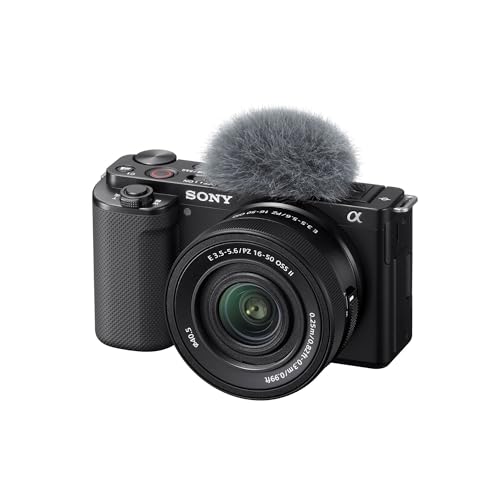
| Vlogger Favorite | Camera Type: APS‑C mirrorless vlog camera kit | Portability: Compact vlog-optimized mirrorless camera kit | Video Capability: 4K oversampled from 6K (high-quality 4K) | VIEW LATEST PRICE | Read Our Analysis |
| Sony a7 III Full-Frame Mirrorless Camera Body Bundle |

| Professional Workhorse | Camera Type: Full-frame mirrorless camera body bundle | Portability: Travel-capable full-frame body with travel accessories | Video Capability: 4K HDR movie recording (full-pixel readout) | VIEW LATEST PRICE | Read Our Analysis |
More Details on Our Top Picks
Cwatcun Waterproof Camera Backpack with Laptop & Tripod
For photographers who need a weatherproof, all-in-one carry solution for mirrorless bodies and a drone on extended trips, the Cwatcun Waterproof Camera Backpack with Laptop & Tripod offers a 31 L pack that holds two cameras and up to six lenses (or a DJI Mavic). It measures 17.3 x 13.4 x 8.1 inches, weighs 3.76 pounds, and fits a 14″ laptop or tablet. Constructed with a durable polyurethane exterior, waterproof zippers, 18 mm EPE padding and removable dividers, it provides reinforced stitching, lockable zippers and an anti-theft metal hook. Back and side access, tripod mounting and breathable straps suit travel and field use.
- Camera Type:Camera backpack (accessory for cameras)
- Portability:Travel-sized 31 L backpack (fits laptop & gear)
- Video Capability:N/A (accessory; supports video gear transport)
- Autofocus System:N/A (accessory; protects AF gear)
- Image Sensor Format:N/A (accessory; fits full-frame and APS‑C gear)
- Connectivity:N/A (accessory; no electronics)
- Additional Feature:Removable padded dividers
- Additional Feature:Lockable zippers/anti-theft hook
- Additional Feature:Backside secure access
Canon EOS RP Mirrorless Camera with RF24-105mm Lens
A compact full-frame option, the Canon EOS RP with the RF 24–105mm F4–7.1 IS STM kit is ideal for travelers who prioritize image quality and versatility without hauling heavy gear. The 26.2MP CMOS sensor and DIGIC 8 processor deliver detailed stills and 4K UHD video, while Dual Pixel CMOS AF with 4,779 points guarantees reliable focus. The lightweight 16-ounce body, articulating 3.0-inch touchscreen, and 0.70x EVF suit varied shooting scenarios. The kit lens covers 24–105mm with up to five stops IS and a useful macro mode. Connectivity includes Wi‑Fi, Bluetooth, HDMI and webcam support; one-year warranty.
- Camera Type:Full-frame mirrorless camera kit
- Portability:Compact, lightweight travel/vlog camera (16 oz)
- Video Capability:4K UHD video (2160p)
- Autofocus System:Dual Pixel CMOS AF (phase-detection, 4,779 points)
- Image Sensor Format:Full-frame CMOS (26.2 MP)
- Connectivity:HDMI, USB, Wi‑Fi, Bluetooth
- Additional Feature:Control ring on lens/body
- Additional Feature:5-stop optical IS (lens)
- Additional Feature:Clean HDMI output
Canon EOS R100 Mirrorless Camera with RF-S18-45mm Lens
The Canon EOS R100 with the RF‑S18‑45mm lens is an ideal travel companion for photographers seeking a lightweight, easy‑to‑use mirrorless system that still delivers strong image quality. Its 24.1MP APS‑C sensor and DIGIC 8 processor produce clear, detailed photos with pleasing bokeh. Dual Pixel CMOS AF covers up to 143 zones with face, eye, animal, and vehicle detection for reliable stills and video tracking. Shooting reaches 6.5 fps in One‑Shot AF. Video options include 4K/24p, 1080p/60, and 720p/120 for slow motion. The compact RF‑mount body and stabilized RF‑S kit lens suit travel and everyday use.
- Camera Type:APS‑C mirrorless camera kit
- Portability:Compact, lightweight EOS R series body
- Video Capability:4K up to 24 fps; 1080p up to 60 fps
- Autofocus System:Dual Pixel CMOS AF (up to 143 zones, face/eye detect)
- Image Sensor Format:APS‑C CMOS (24.1 MP)
- Connectivity:(Typical EOS R connectivity for mirrorless kits) — supports modern RF mount connectivity and accessories (Wi‑Fi/Bluetooth implied)
- Additional Feature:Human/animal/vehicle detect AF
- Additional Feature:Lightweight entry-level body
- Additional Feature:RF-S compact kit lens
Sony Alpha ZV-E10 Mirrorless Vlog Camera Kit
Who benefits most from the Sony Alpha ZV-E10 Mirrorless Vlog Camera Kit? Travel vloggers and content creators seeking compact, versatile imaging gain the most. The 24.2MP APS-C Exmor CMOS sensor paired with a fast BIONZ X processor delivers detailed stills and responsive performance. Video is strong: 4K is oversampled from 6K with full pixel readout and no pixel binning, ensuring clarity. Product Showcase autofocus and a Background Defocus button simplify shifts between faces and objects. Interchangeable lenses expand creative options, while single-cable USB streaming enables live broadcasts without extra hardware. The black ZVE10KB kit balances portability and professional features for travel use.
- Camera Type:APS‑C mirrorless vlog camera kit
- Portability:Compact vlog-optimized mirrorless camera kit
- Video Capability:4K oversampled from 6K (high-quality 4K)
- Autofocus System:Fast hybrid autofocus (optimized for product showcase)
- Image Sensor Format:APS‑C Exmor CMOS (24.2 MP)
- Connectivity:USB streaming (single-cable), other standard camera ports
- Additional Feature:Product Showcase setting
- Additional Feature:Background Defocus button
- Additional Feature:USB plug-and-stream simplicity
Sony a7 III Full-Frame Mirrorless Camera Body Bundle
Photographers seeking a versatile travel-ready full-frame shooter will value the Sony a7 III for its 24.2MP back-illuminated sensor paired with 5-axis in-body stabilization, a combination that delivers sharp stills and steady 4K video across challenging conditions. The ILCE-7M3 body offers Fast Hybrid AF with 693 phase-detection and 425 contrast points covering ~93% of the frame, up to 10 fps continuous shooting, full-pixel readout 4K HDR, and expansive ISO and 15-stop dynamic range. This bundle includes dual UHS-II-capable slots, NP-FZ100 power and spare charger, memory cards, tripods, protective gear, cleaning tools, software suite, and a padded travel organizer.
- Camera Type:Full-frame mirrorless camera body bundle
- Portability:Travel-capable full-frame body with travel accessories
- Video Capability:4K HDR movie recording (full-pixel readout)
- Autofocus System:Fast Hybrid AF (693 phase-detect + 425 contrast-detect)
- Image Sensor Format:Full-frame BSI CMOS (24.2 MP)
- Connectivity:USB‑C, Micro USB, dual card slots (UHS-II support)
- Additional Feature:5-axis in-body stabilization
- Additional Feature:Dual UHS-II media slots
- Additional Feature:Includes spare NP-FZ100 battery
Factors to Consider When Choosing Mirrorless For Travel
When I pick a mirrorless for travel, I balance size and weight against the image quality I need. I also think about lens versatility, battery life, and whether the camera or lenses offer stabilization. Those factors usually decide what I pack and how much I can shoot on the road.
Size And Weight
Weight matters. I aim for mirrorless bodies and lenses that keep the total kit around 1.5–2 kg (3.3–4.4 lb) so handheld shooting and long treks stay comfortable. I favor compact bodies and collapsible or pancake lenses—trim a few centimeters and the camera fits overhead bins or small daypacks. I weigh performance against mass: sometimes a slightly heavier body with in-body stabilization lets me use lighter lenses, lowering total kit weight. I always include accessory weight in calculations—spare batteries, a charger, memory cards and a travel tripod can add 200–800 g. Finally, I consider sensor format: APS-C systems generally mean smaller, lighter lenses than full-frame for comparable focal lengths, which affects what I carry.
Image Quality Needs
How much image quality do you actually need on the road? I pick sensor size by what I’m willing to carry: full-frame gives better low-light and dynamic range, APS-C keeps gear smaller and lighter while still delivering excellent results. For most travel work I aim for 20–30 MP—enough for generous crops and high-quality prints without huge files. I also check stabilization: bodies with IBIS plus lenses with OIS make handheld shooting at dusk and with telephotos much more reliable. Native ISO performance matters—usable output to ISO 3200–6400 saves shots in clubs, rooms, or night streets. Finally, I require RAW (14-bit or better) so I can recover highlights and shadows from high-contrast scenes in post.
Lens Versatility
Sensor choice sets the baseline for image quality, but lens selection determines the shots you’ll actually capture, so I focus next on versatility. I choose lenses with wide focal ranges—think 24–105mm equivalent—to handle landscapes, portraits, and short telephoto needs without constant swaps. For travel I favor compact, lightweight zooms or sharp pancake primes to keep pack weight down while preserving image quality. Optical stabilization rated around five stops (or pairing lenses with in-body stabilization) helps keep handheld shots usable in low light. I weigh maximum aperture: f/4–7.1 zooms stay small and light; f/1.8–2.8 primes give low-light advantage and separation but add bulk. Finally, I check filter thread sizes and close-focus or macro capability (around 0.4x) to expand creative options.
Battery Life Concerns
I often find battery life to be the single most practical constraint on travel shoots, so I plan for it from the moment I pick a camera. Mirrorless bodies use EVFs and keep the sensor active, so expect fewer shots per charge than DSLRs; CIPA ratings usually sit around 200–500 shots, which I use to set realistic expectations for a day. I always carry at least one spare for short trips and two or more for longer journeys because cold, heavy video use, and wireless functions drain power fast. I extend runtime by switching off image review, dimming screens, using the EVF, disabling Wi‑Fi/Bluetooth, and enabling sleep modes. I also check USB‑C charging and whether the camera can run while plugged into a power bank.
Stabilization Options
I usually pick stabilization based on how I shoot: if I’m mostly handheld at night or hiking without a tripod, strong IBIS that gives 4–5 stops of correction is a game changer; if I’m shooting long telephoto wildlife or lots of video, lens OIS—or better yet a body-and-lens system that coordinates IBIS+OIS—keeps subjects steady without resorting to heavy supports. I prioritize IBIS for low-light and travel portability, since it fights multi-axis shake and reduces tripod dependence. For telephoto work I favor lenses with proven OIS, because lens elements handle long focal lengths better. When systems combine IBIS+OIS I get the best results for both stills and panning video. I use electronic stabilization sparingly due to crop and resolution loss.
Connectivity And Streaming
When I travel with a mirrorless, I lean on its connectivity to keep shoots flowing and streams stable. I check built‑in Wi‑Fi and Bluetooth versions so transfers and phone pairing are fast and reliable; newer Bluetooth generally beats 4.0 for stability. I prefer USB/USB‑C tethering that supports live streaming or webcam mode over one cable—no extra capture hardware simplifies airport setups. Clean HDMI output with useful frame/bitrate options (4K/30p or 1080/60p) matters if I use an external recorder or capture device for higher‑quality streams. On‑camera controls and app features let me adjust exposure, AF behavior and mic levels without interrupting a stream. Finally, I factor battery drain and USB PD or external battery options, since streaming eats power quickly.
Security And Protection
Although travel brings unpredictable weather and crowded streets, I won’t gamble with my gear—so I prioritize weather‑sealed bodies and lenses plus robust physical and digital protection. I choose dust‑ and splash‑resistant camera and lens combos to cut risk from rain, sand, and humidity. I carry gear in a padded, lockable camera bag with dedicated dividers and at least 18 mm of foam to prevent impact damage and stay organized. For city use I prefer a backpack with a secure backside or anti‑theft access panel and lockable zippers to deter opportunistic theft. I always pack a spare battery and at least one backup memory card stored separately. I also insure high‑value gear, register serial numbers, and keep digital copies of receipts and serials in encrypted cloud storage.