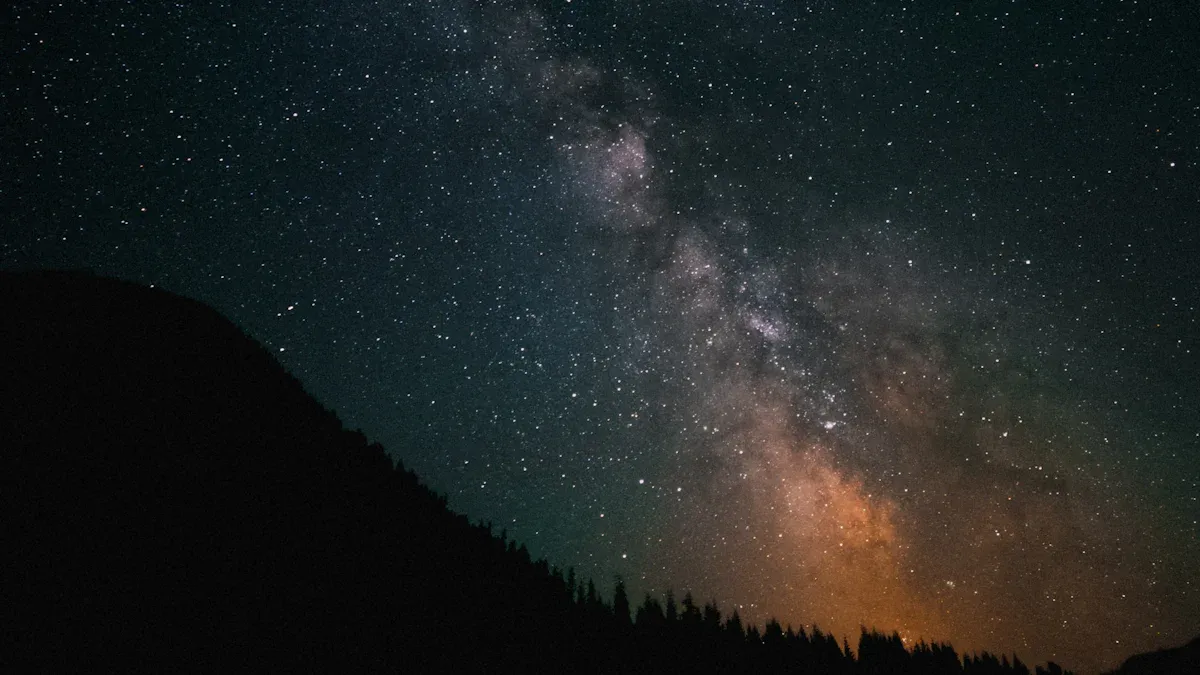
Washington offers unparalleled opportunities for exceptional stargazing. You can find some of the best stargazing spots in the United States right here. Over 80% of the global population lives under light-polluted skies. This makes Washington’s dark night sky a precious resource for stargazing enthusiasts. You will discover incredible stargazing experiences. Consider places like Olympic National Park or Goldendale Observatory State Park for your next stargazing adventure. These locations provide clear views for your stargazing.
Key Takeaways
Washington has many dark places perfect for stargazing, like Olympic National Park and Goldendale Observatory State Park.
Light pollution makes it hard to see stars, so dark sky parks protect our view of the universe.
Plan your stargazing trips during a new moon and check the weather for clear skies.
Bring a red flashlight, binoculars, warm clothes, and a comfortable chair for the best stargazing experience.
Always tell someone your plans and follow ‘Leave No Trace’ rules to keep nature clean and safe.
Why Washington Excels for Stargazing
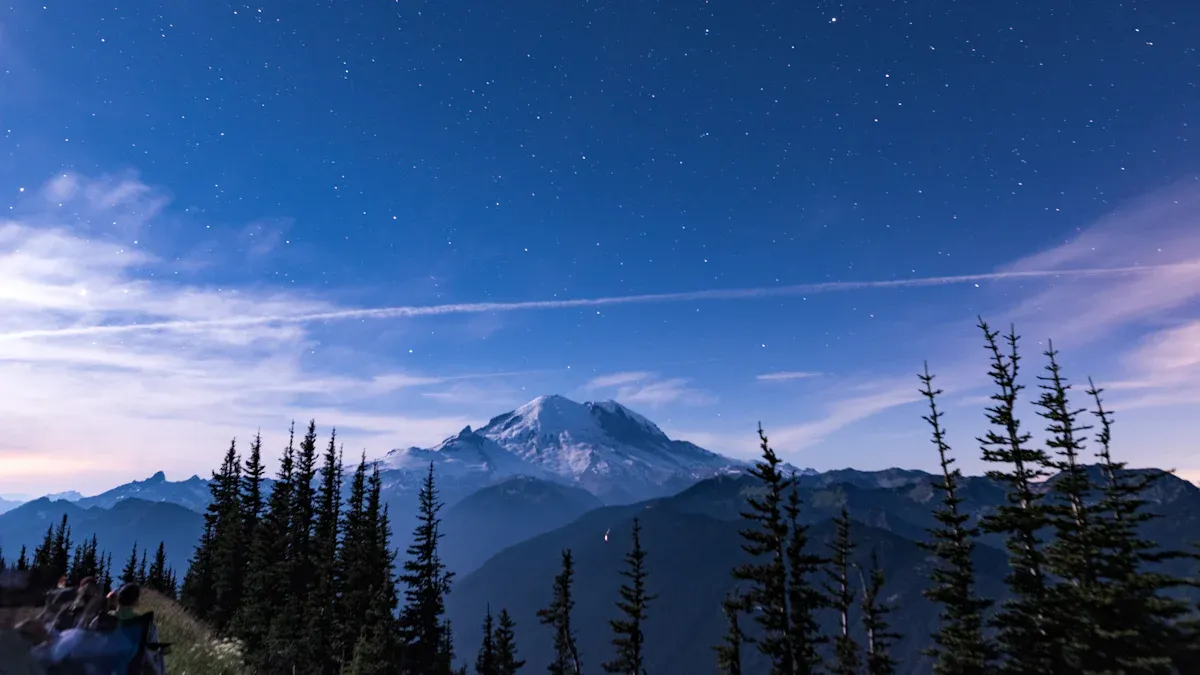
Washington offers unique advantages for stargazing. You can find truly dark skies here. These conditions make it an ideal place to explore the cosmos.
Diverse Landscapes and Clear Skies
Washington’s varied geography creates many excellent dark sky locations. The Olympic Mountains and Peninsula provide isolation from city lights. This gives you excellent darkness. While often cloudy, clear nights offer unparalleled visibility. The Columbia Plateau features high elevation and dry air. This leads to low light pollution and wide-open horizons. The Rocky and Columbia Mountains also provide high, remote spots. These ensure clear views for stargazing. River valleys and basins, especially in Eastern Washington, offer secluded areas. These places are away from city lights and have clearer skies.
You can find consistently clear night skies in specific regions. The Okanogan-Wenatchee National Forest, including Lake Wenatchee State Park, has minimal light pollution. Olympic National Park is 95% wilderness. It has very little human-caused light pollution. Summer dry seasons bring clear skies. Ideal stargazing spots include Third Beach and Hurricane Ridge. Mount Baker Wilderness also offers clear, dark skies at places like Artist Point. Palouse Falls State Park, in the desert, helps you escape city lights. It provides crystal clear night skies. Sun Lakes-Dry Falls State Park also shows thousands of stars.
Understanding Light Pollution
Light pollution is a major challenge for stargazing. It is artificial light at night. This light spreads far from its source. It can travel hundreds of kilometers. This pollution affects natural protected areas. It makes it harder to see the night sky. Light emissions increase over time. This makes it more difficult to find truly dark skies. This increase can be as much as 7% to 10% per year in the human visual band. This means the night sky is getting brighter for us.
The Importance of Dark Sky Parks
Dark sky parks are crucial for preserving our view of the universe. These special places protect the night sky from light pollution. They offer optimal conditions for stargazing. You can observe celestial objects without interference. These dark sky parks also help local ecosystems. They maintain natural nocturnal rhythms. This is vital for many animals. Nocturnal species avoid disorientation from artificial light. This preserves their natural behaviors. Reducing nighttime brightness also saves energy. This lowers costs and greenhouse gas emissions. Washington’s dark sky parks are important for both astronomy and nature.
Top Stargazing Spots Across Washington
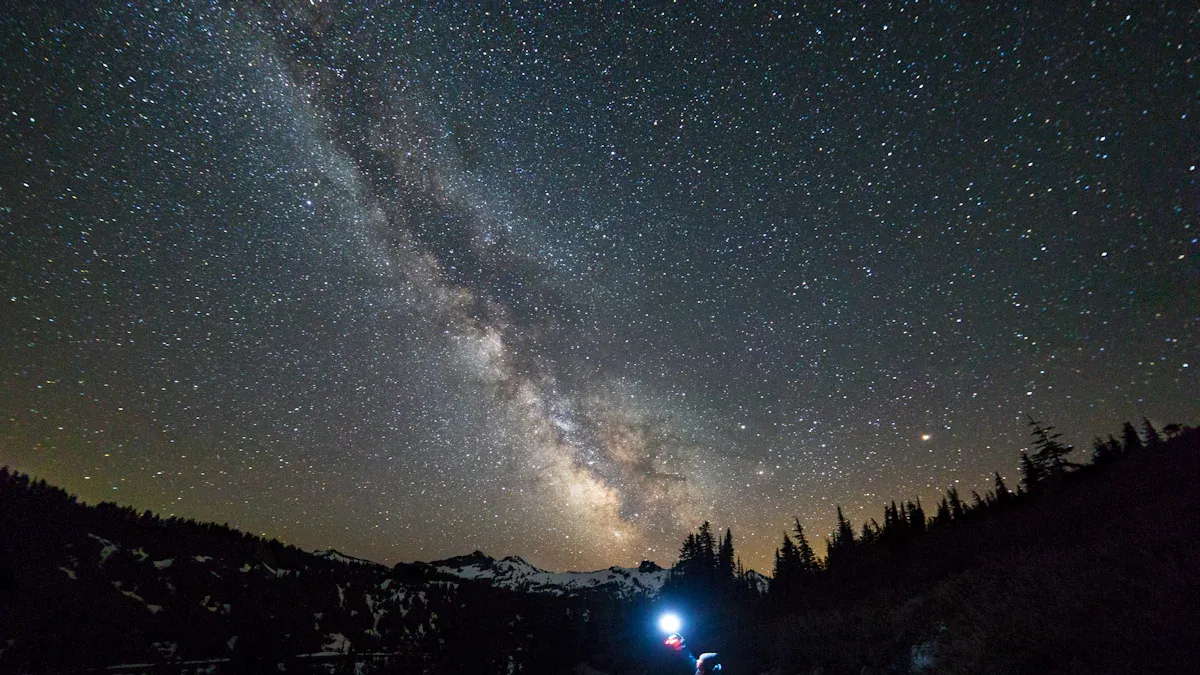
Washington offers many of the best stargazing spots in the country. You can find incredible night sky views here. This section details some of the top dark sky locations for your next adventure.
Olympic National Park
Olympic National Park is a prime destination for stargazing. It is remote and has high elevations, like Hurricane Ridge. This means very little light pollution. You can often get above cloud cover for clear views. The park has a Sky Darkness Score of 2, making it one of the darkest places.
For the best stargazing spots within the park, consider these areas:
Hurricane Ridge: This is the top spot due to its high elevation. Local stargazers often gather here and share telescopes.
Lake Quinault: The old Golf Course near Lake Quinault Resort is a good choice.
Lake Crescent: The eastern end of Lake Crescent offers open space away from artificial lights.
The best time to visit is during summer and fall for clearer skies. Roads to Hurricane Ridge are generally accessible. You will find visitor centers, campgrounds, and stargazing programs like the Hurricane Ridge Astronomy Program. This makes it one of the best national parks for stargazing.
Mount Rainier National Park
Mount Rainier National Park provides iconic views and high altitudes. Areas like Paradise and Sunrise often sit above cloud cover. This gives you excellent night sky views. Mount Fremont is a prime location for clear views of celestial objects. The Sunrise area offers some of the best stargazing spots in the Pacific Northwest due to very low light pollution. Paradise, at 5400 feet, also provides great opportunities.
You can frequently observe the Milky Way from Mount Rainier National Park. It looks as if the peak touches it. Park staff offer regular night-sky programs at the Paradise Visitor Center during summer. These stargazing events happen when skies are clear. The best time to visit is late summer to early fall. Roads to Paradise and Sunrise are well-maintained. You will find visitor centers, lodging, and campgrounds. This is another of the best national parks for stargazing.
North Cascades National Park
North Cascades National Park is a rugged wilderness. It offers extremely dark skies, especially around Diablo Lake and Ross Lake. It is also less crowded. This park is about two hours from Seattle. It covers 600,000 acres of protected wilderness. Its remote location means low light pollution. This makes it an ideal spot for stargazing. Backcountry camping areas like Pelton Basin, Sahale Glacier, Basin Creek, or Johannesburg are excellent.
While Big Bend National Park has the least light pollution in the lower 48 states, North Cascades still offers pristine conditions. Great Sand Dunes National Park and Preserve is an official International Dark Sky Park. North Cascades also provides amazing night sky views. The ‘Base Camp Learning and Lodging’ program offers ‘Stargazing with a star wheel and starry storytelling.’ This is one of their outdoor learning adventures. The best time to visit is late summer. Road access is limited, and some areas require hiking or boating. You will find primitive campgrounds and visitor centers. This is one of the best national parks for stargazing.
Goldendale Observatory State Park
Goldendale Observatory State Park is a dedicated public observatory. It offers educational programs and powerful telescopes. It is home to one of the few large telescopes available for public viewing in Washington. The original 24.5-inch Cassegrain mirror was in service until 2018. Now, you can study the sun and its sunspots.
The observatory features a 24.5-inch (0.6 meter) reflecting telescope in the South Dome. This telescope was built by amateur astronomers at Clark College. It is mounted on a computer-controlled equatorial mount. A 6-inch (150 mm) refractor telescope is also attached. Other instruments include:
Portable Dobsonian telescopes
Permanently mounted Hydrogen-Alpha solar telescope
A 14-inch Schmidt-Cassegrain telescope
A 14-inch GoTo Dobsonian telescope
A 152mm Hydrogen-Alpha Solar Telescope
The best time to visit is year-round. Check their program schedules for stargazing events. Accessibility is easy by road. You will find observatory facilities, restrooms, and interpretive displays. This state park is a fantastic place for stargazing.
Methow Valley
Methow Valley is renowned for some of the darkest skies in the country. It is excellent for stargazing and potential Northern Lights views. Its clear, dark, and ideally moonless skies make it perfect for aurora viewing. Its northerly latitude and abundant dark skies also help.
For accessible viewing spots, check the Methow Dark Sky Coalition home page. It offers a ‘plan your trip’ section, a local light pollution map, and aurora forecasts. Pearrygin Lake State Park, a few miles east of Winthrop, is a designated dark sky destination. It is ideal for stargazing and astronomy. The best time to visit is fall and winter for aurora. Summer is great for general stargazing. It is accessible by road. You will find lodging, dining, and various outdoor activities.
Rattlesnake Ledge
Rattlesnake Ledge is a popular spot near Seattle. It helps you escape city lights. It offers good night sky views after a hike. This location is great for a quick getaway from urban glow. The best time to visit is on clear nights, from spring to fall. It requires a moderate hike to reach the viewing area. You will find parking and trails.
Lake Wenatchee State Park
Lake Wenatchee State Park is popular for Seattle residents. It offers dark mountain skies. It is a good escape from light pollution. This state park provides many amenities for overnight stargazing trips:
Campsites: 197 sites, including standard and partial utility sites. Winter camping is also available.
Comfort Stations: Centrally located with hot showers. Heated restrooms and showers are available for winter.
Trailer Dump: Located in the North Campground.
Park Store: Offers camping supplies, firewood, and ice.
Basic Amenities: Drinking water, fire pits, restrooms, showers, trash service, and accessible facilities.
The best time to visit is summer and early fall. It is accessible by road. You will find camping, restrooms, and lake access.
Steamboat Rock State Park
Steamboat Rock State Park is in Eastern Washington. It has a dry climate and clear nights. It also features unique geological formations. This state park offers excellent stargazing opportunities. The best time to visit is from spring to fall. It is accessible by road. You will find camping, restrooms, and lake access.
Essential Stargazing Trip Tips
You can make your stargazing trip successful and responsible. Follow these practical tips.
Checking Conditions and Phases
Plan your stargazing adventure carefully. You should aim for new moon phases. These offer the darkest skies. Ideally, you will observe between midnight and dawn. Always check weather forecasts for clear skies. Avoid areas with heavy cloud cover. Tools like Clear Outside provide 7-day hourly cloud and weather forecasts. This website and app also show moon phases and rise/set times. You can see civil, nautical, and astronomical darkness times. Astrospheric offers hyperlocal forecasts. It includes data on cloud cover, sky transparency, and seeing conditions. These resources help you find the best night for stargazing.
Recommended Gear for Stargazers
Bring the right equipment for comfortable stargazing. A red flashlight is crucial. It helps you see without ruining your night vision. Your eyes need up to 45 minutes to adapt to darkness. Even a short bright light resets this. Binoculars are portable and easy to use. They offer a wide view of constellations and star clusters. Pack a comfortable camping or stargazing chair. This lets you stay still for long periods. Warm clothing layers are essential. Temperatures drop significantly at night. A power bank keeps your phone or astronomy apps charged. Star charts or apps like Star Walk and SkySafari guide you. They help identify celestial objects during stargazing events.
Safety and Dark Adaptation
Your safety is important, especially in remote areas. Tell someone your plans. Share your location and expected return time. Bring navigation tools like a map, compass, or GPS. Always carry a first-aid kit and a whistle. Dress in layers to stay warm. Wear sturdy shoes with good traction. Avoid white clothing. It can reflect light. Stay aware of your surroundings. Maintain a safe distance from hazards. Do not climb unstable rocks. These steps ensure a safe experience for your night sky views.
Practicing Leave No Trace
Protect the natural environment during your stargazing trips. Research and follow local regulations. Know where stargazing is permitted. Always stick to designated trails. Use red flashlights to minimize light pollution. This helps preserve the dark night sky. Avoid disturbing wildlife. Maintain a safe distance from animals. Be mindful of where you step. This protects vegetation. Respect private property boundaries. These actions help keep our natural areas pristine for everyone. Many state park locations encourage these practices.
Washington provides unparalleled stargazing opportunities. You can discover many best stargazing spots across the state. These dark sky locations offer breathtaking night sky views. Embrace the magic of the cosmos. Plan your next stargazing adventure responsibly. Protect these precious dark skies for future generations to enjoy. Go out and experience the wonder of stargazing yourself!
FAQ
What makes Washington ideal for stargazing?
Washington offers many dark locations. You can enjoy excellent stargazing. These areas have minimal light pollution. This provides clear night sky views. Many state park locations and best national parks for stargazing host stargazing events. You find great stargazing in Washington.
Where can I find stargazing events in Washington?
You can find many stargazing events. Goldendale Observatory State Park hosts regular stargazing events. Mount Rainier National Park also offers stargazing events. These are some of the best national parks for stargazing. Lake Wenatchee State Park and Steamboat Rock State Park provide great stargazing events. These state park locations are excellent. You will find more best national parks for stargazing.
What gear do I need for stargazing in Washington’s best national parks for stargazing?
Bring a red flashlight. This protects your night vision. Binoculars enhance your stargazing. A comfortable chair helps you relax. Warm layers are essential for stargazing events. Many state park locations are cold at night. These are the best national parks for stargazing. You will enjoy stargazing events at any state park.
When are the best times for stargazing events in Washington’s state park locations?
Plan your stargazing events during new moon phases. This ensures the darkest skies. Check weather forecasts for clear skies. Summer and fall often provide the best conditions for stargazing. Many state park and best national parks for stargazing offer specific stargazing events schedules. These are the best national parks for stargazing. You can find more state park options.