

For camping in 2026, pick a compact travel router or hotspot that balances fast 5 GHz streaming with 2.4 GHz range and runs on USB-C power banks so you won’t lose juice; consider the TP-Link TL-WR1502X for AX1500 Wi‑Fi 6 speed, the TL-WR902AC for ultra‑compact AC750 convenience, RoamWiFi units for worldwide auto‑select data and short plans, and the SIMO Solis Hero for an integrated hotspot and powerbank with lifetime data, and you’ll learn which fits your trip needs next.
| TP-Link TL-WR1502X Wi‑Fi 6 AX1500 Travel Router |

| Best Performance | Connectivity Type: Dual‑band Wi‑Fi 6 (2.4 & 5 GHz) + USB tethering | Multi‑device Support: Shares connection with multiple devices (typical router capacity) | Portability / Size: Ultra‑portable, pocket‑sized travel router (compact) | VIEW LATEST PRICE | Read Our Analysis |
| TP-Link AC750 Nano Travel Router (TL-WR902AC) |

| Most Portable | Connectivity Type: Dual‑band AC Wi‑Fi (2.4 & 5 GHz) | Multi‑device Support: Designed for multiple devices (home/travel use) | Portability / Size: Travel‑sized, small and lightweight | VIEW LATEST PRICE | Read Our Analysis |
| RoamWiFi 4G LTE Portable Travel Hotspot (Worldwide) |
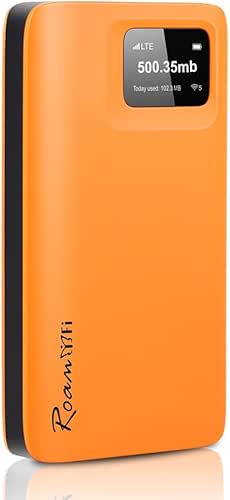
| Best Global Coverage | Connectivity Type: 4G LTE mobile hotspot (cellular) | Multi‑device Support: Up to 10 devices simultaneous | Portability / Size: Compact, pocket‑friendly hotspot | VIEW LATEST PRICE | Read Our Analysis |
| SIMO Solis Hero 4G LTE Hotspot with Lifetime Data |
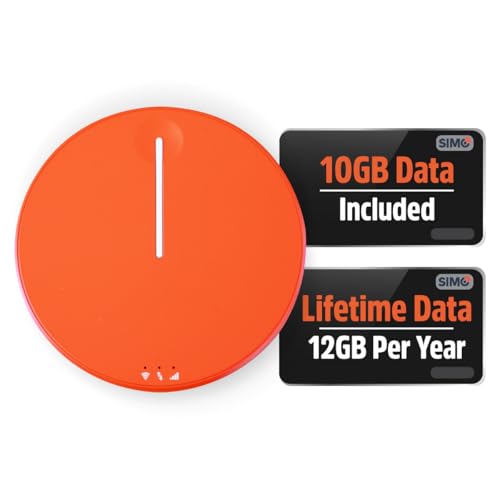
| Best Long-Term Value | Connectivity Type: 4G LTE mobile hotspot (cellular) | Multi‑device Support: Up to 10 devices simultaneous | Portability / Size: Portable hotspot with integrated powerbank (hand‑held) | VIEW LATEST PRICE | Read Our Analysis |
| RoamWiFi 4G LTE Mobile Hotspot — US & Global |

| Best Data Allowance | Connectivity Type: 4G LTE mobile hotspot (cellular) | Multi‑device Support: Up to 10 devices simultaneous | Portability / Size: Compact, pocket‑friendly hotspot | VIEW LATEST PRICE | Read Our Analysis |
More Details on Our Top Picks
TP-Link TL-WR1502X Wi‑Fi 6 AX1500 Travel Router
If you want solid, reliable WiFi while camping and you carry a compact power bank, the TP-Link TL-WR1502X is a smart choice. You’ll get AX1500 dual-band speeds, 1201 Mbps on 5 GHz and 300 Mbps on 2.4 GHz, which keeps streaming and maps smooth. It’s pocket-sized and durable, so you won’t worry about bumps. You can power it with USB-C and most 9V or 12V PD or QC power banks. It runs multiple modes like router, access point, range extender, hotspot, client, and modem mode with a compatible USB modem. Setup is quick with the Tether app and USB tethering adds phone data sharing.
- Connectivity Type:Dual‑band Wi‑Fi 6 (2.4 & 5 GHz) + USB tethering
- Multi‑device Support:Shares connection with multiple devices (typical router capacity)
- Portability / Size:Ultra‑portable, pocket‑sized travel router (compact)
- Power / Battery Options:USB‑C powered (works with 9V/12V PD or QC power banks)
- Global / Travel Coverage:Designed for travel (works wherever Ethernet/USB tethering/compatible modem available)
- Setup / Management App or Ease:Tether App for quick setup and captive‑portal handling (Android/iOS)
- Additional Feature:AX1500 Wi‑Fi 6 speeds
- Additional Feature:USB-C PD/QC powered
- Additional Feature:Captive-portal conversion
TP-Link AC750 Nano Travel Router (TL-WR902AC)
You’ll like the TP-Link AC750 Nano Travel Router when you want steady WiFi without hauling bulky gear, because it packs dual-band AC750 speeds into a tiny, travel-ready package. You’ll hold a small, lightweight unit that runs on micro USB power, so you can plug into a power bank or laptop. It supports 2.4 GHz and 5 GHz for smoother HD streaming depending on distance and walls. A single switch gives Router, Hotspot, Bridge, Range Extender, Access Point, and Client modes, and an Ethernet port creates WiFi from wired hotel lines. You’ll get a USB 2.0 port, two-year warranty, and 24/7 support.
- Connectivity Type:Dual‑band AC Wi‑Fi (2.4 & 5 GHz)
- Multi‑device Support:Designed for multiple devices (home/travel use)
- Portability / Size:Travel‑sized, small and lightweight
- Power / Battery Options:Micro‑USB powered (adapter or portable charger)
- Global / Travel Coverage:Travel‑ready for hotels and on‑the‑road use (local Wi‑Fi creation)
- Setup / Management App or Ease:Tether App support and firmware updates
- Additional Feature:AC750 dual-band Wi‑Fi
- Additional Feature:Single physical mode switch
- Additional Feature:Ethernet WAN/LAN port
RoamWiFi 4G LTE Portable Travel Hotspot (Worldwide)
RoamWiFi is perfect for travelers who want reliable internet without the hassle of swapping SIM cards or hunting for local networks, especially when you’re camping with family or friends and need to keep several devices connected. You’ll get service in 170+ countries and a built-in 1 GB plan that works across the United States, Canada, and Mexico for 30 days. The pocket-sized unit lets up to 10 devices connect, and it auto-selects the best carrier so you don’t fiddle with settings. It has long battery life, no contract, 24/7 support, and easy pay-as-you-go plans for any trip.
- Connectivity Type:4G LTE mobile hotspot (cellular)
- Multi‑device Support:Up to 10 devices simultaneous
- Portability / Size:Compact, pocket‑friendly hotspot
- Power / Battery Options:Built‑in battery (long battery life)
- Global / Travel Coverage:Global coverage in 170+ countries (no SIM required)
- Setup / Management App or Ease:Plug‑and‑play; automatic network selection (no complex settings)
- Additional Feature:No SIM required
- Additional Feature:Auto carrier selection
- Additional Feature:Built-in short-term data
SIMO Solis Hero 4G LTE Hotspot with Lifetime Data
For campers who want steady internet and a backup battery in one compact tool, the SIMO Solis Hero 4G LTE hotspot is an excellent choice that helps you stay connected without fuss. You get a 2-in-1 device with a 5250 mAh powerbank that charges phones while sharing Wi‑Fi. It connects up to 10 devices, so your group can stream, map, and message together. SignalScan AI finds the best carrier without a physical SIM or long contracts. It works in 140+ countries with 300+ carriers, includes 10 GB one-time data, and gives 1 GB monthly for life. Use the included cable for best results.
- Connectivity Type:4G LTE mobile hotspot (cellular)
- Multi‑device Support:Up to 10 devices simultaneous
- Portability / Size:Portable hotspot with integrated powerbank (hand‑held)
- Power / Battery Options:Built‑in 5250 mAh powerbank (recharges devices)
- Global / Travel Coverage:Coverage in 140+ countries / 300+ carriers (no SIM required)
- Setup / Management App or Ease:Simple setup with SignalScan AI; no SIM/contract required
- Additional Feature:5250 mAh powerbank
- Additional Feature:Lifetime recurring data
- Additional Feature:SignalScan AI carrier access
RoamWiFi 4G LTE Mobile Hotspot — US & Global
If you crave reliable internet on long trips and want to keep a small group connected, this mobile hotspot is a smart pick that won’t slow you down. You’ll enjoy global coverage in over 170 countries, with a built-in plan offering 50 GB local data for US, Canada, Mexico and 1 GB for everywhere else. You won’t need a SIM or contract, and both plans last 60 days. It connects up to 10 devices and picks the best carrier automatically. The pocketable unit has long battery life, turns on to work instantly, and includes 24/7 support when you need help.
- Connectivity Type:4G LTE mobile hotspot (cellular)
- Multi‑device Support:Up to 10 devices simultaneous
- Portability / Size:Compact, pocket‑friendly hotspot
- Power / Battery Options:Built‑in battery (long battery life)
- Global / Travel Coverage:Global coverage in 170+ countries (no SIM required)
- Setup / Management App or Ease:Power‑on automatic connection; no complex settings
- Additional Feature:50 GB US plan
- Additional Feature:60‑day plan validity
- Additional Feature:Included global 1 GB
Factors to Consider When Choosing Wifi For Camping
When you’re choosing wifi for camping, think first about signal strength and coverage so you know where you’ll actually get online. Also weigh power and battery life, device compatibility, and how flexible the data plans are, because those factors work together to shape your experience. Finally, consider portability and durability so your gear can handle the trail and still keep everyone connected.
Signal Strength Coverage
Because your campsite can throw up trees, tents, and noisy neighbors, signal strength matters more than fancy speed numbers. You’ll want to check the advertised outdoor range or coverage radius, knowing real conditions can cut that by half or more. Choose dual band or multiple band gear so you can pick 2.4 GHz for longer reach or 5 GHz when you’re close and need speed. Antenna gain and placement matter a lot; higher dBi and putting the antenna up and clear improves distance. Also look at transmit power and receiver sensitivity, since better specs boost connections through foliage. Finally, test RSSI or dBm at your tent and vehicle spots to spot interference from nearby campers and RV electronics.
Power And Battery
Plan your power like it’s part of the campsite checklist so you don’t end up dark and offline. Check battery capacity and run time before you leave. A 5,000 mAh hotspot often gives 10–20+ hours of moderate use, while smaller cells may die in a few hours under constant load. Prefer USB-C PD or Quick Charge input so you can top up fast from power banks or solar generators, for example 9V or 12V PD cuts downtime. Estimate total draw—hotspots 2–6 W, phones 3–7 W each while tethering—and size your power bank in watt-hours. For multi-day trips pick a recharge strategy: solar panels plus a power bank or a device with an integrated battery, and carry spares. Use low-power modes and sleep timers to stretch runtime.
Device Compatibility Options
Pick devices that actually talk to each other and you’ll save time and frustration at the campsite. First, check wireless standards like Wi‑Fi 5 or Wi‑Fi 6 so your phone, laptop, and hotspot match and deliver the speeds you expect. Next, match frequency bands. Use 2.4 GHz for longer range and 5 GHz for faster streaming nearby. Also confirm connection types. Some routers accept Ethernet or USB tethering, others need a SIM or modem. Think about how many devices will join. Many hotspots handle five to ten connections, so plan if you’ll share with family. Finally, make sure your operating systems and apps work with the hotspot for setup and captive portal logins. These checks keep setup simple and your group connected.
Data Plan Flexibility
When you plan your camping trip, choose a data plan that bends to your needs so you’re not stuck paying for more than you use or scrambling for extra data. Look for short term options like daily or weekly passes so you only pay while you’re away. Pick pay as you go or refillable plans so you can add data for streaming or navigation without waste. Also consider plans that let you pool or share data across phones, tablets, and a hotspot to keep everyone connected and costs down. Check how long data lasts and aim for at least 30 to 60 day validity for longer trips. Finally verify roaming rules, regional coverage, and overage fees so you won’t face surprise charges.
Portability And Durability
Even if you’re carrying a tight pack, you can bring reliable WiFi gear that won’t weigh you down or fall apart on the trail. Pick a pocket-sized unit or one under about 200 g so it slips into your bag without bulking up. Choose rugged, impact-resistant housings and models with no moving parts so drops and jostling don’t kill your connection. Look for IP ratings or water-resistant features and reinforced ports to keep out dust, rain, and humidity. Match power to your trip by picking USB-C PD or QC compatibility, support for power-bank use, or built-in batteries around 5,000 mAh or more. Favor low-power designs and energy-saving modes to stretch runtime between charges.
Frequently Asked Questions
Can These Devices Charge Other Gadgets via USB Power Bank?
Yes — many portable camping Wi‑Fi devices double as USB power banks, so you can charge phones, cameras, or tablets. Check capacity (mAh), output amperage, and simultaneous charging limits to make certain they meet your needs.
Are Mesh Networking Features Available for Campground-Wide Coverage?
Yes — some camping routers and mesh systems support mesh networking so you can extend coverage across a campground. You’ll want units with outdoor nodes, easy setup, and robust backhaul options to handle distance and interference.
Do Any Models Support Satellite Backhaul or Starlink Integration?
A lone lighthouse: yes, some routers support satellite backhaul and Starlink integration. You’ll find models with USB/ethernet WAN, built-in Starlink compatibility, or third-party firmware that bonds Starlink for reliable campground connectivity.
What Environmental Certifications or Ruggedness Ratings Exist?
You’ll find IP67/IP68 dust‑and‑water ratings, MIL‑STD‑810 shock/vibration/temperature tests, RoHS and CE for environmental safety, Energy Star or ENERGY STAR for efficiency, and sometimes FCC/UL electrical compliance for rugged camping gear.
Are Firmware Updates User-Friendly Without Technical Expertise?
Right off the bat, you’ll find firmware updates usually user-friendly; many push automatically or use one‑click apps, so you won’t need a PhD—just follow prompts, and you’ll be up and running in no time.