
Yes, you can get a pretty good idea of how full a flight is. A seat map alone won’t tell the whole story. Airlines often block or shuffle seats before departure. Check the seat map, fare classes, and upgrade offers together for a clearer read.
A flight can look packed long before most seats are actually sold. Airlines hold back seats for elites, airport control, or last-minute changes, so the cabin often appears fuller than it is. Looking at a few signs together gives you a better sense of crowding, extra space, and your chances for a more relaxed trip.
Can You See How Full a Flight Is?
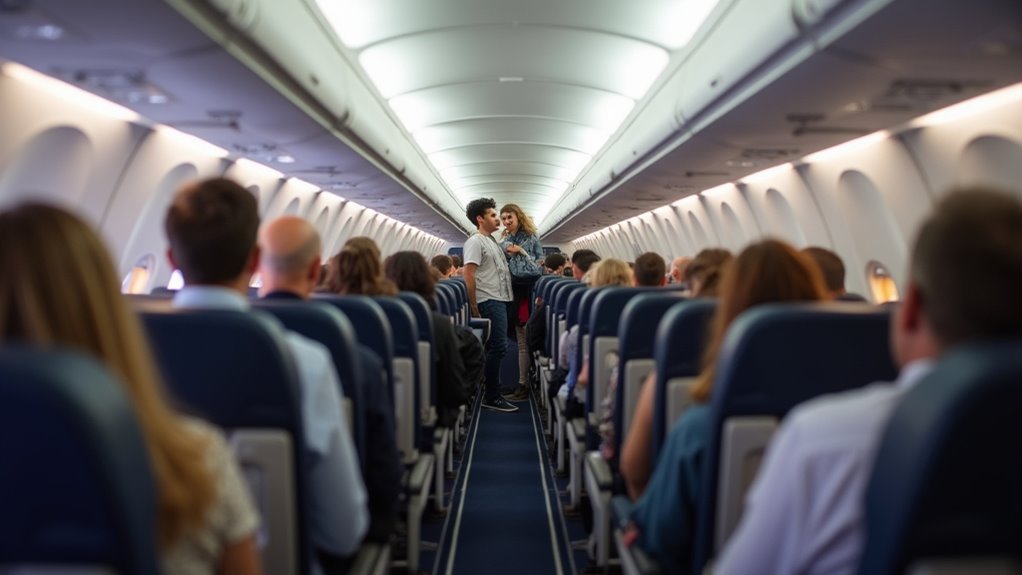
How can you tell whether a flight is full before you book or head to the airport? You can’t see every occupied seat directly, but you can read the signals airlines and industry groups track. Whenever you follow flight occupancy metrics, you get a clearer sense of whether demand is light, average, or crowded.
Start with passenger load factor, the share of seats filled compared with total seats offered. Airlines and groups like the Bureau of Transportation Statistics and IATA report these numbers from real traffic, not guesses. That matters because load factor trends show how busy routes, regions, and seasons feel over time. For example, scheduled US airlines posted about 78.7% in January 2026, which suggests moderate fullness. So, whenever you check recent carrier and market data, you travel feeling more informed and less alone.
How Seat Maps Show Flight Fullness
While a seat map can’t show the exact number of people on board, it often gives you a useful snapshot of how full a flight might be. When you open it, you’re seeing which seats are still open to choose. That helps you feel more prepared and part of the flow before you board.
As you look closer, seat map colors can guide you fast. One color could mark open seats, while another can show premium spots, blocked rows, or seats already taken. The cabin occupancy legend explains what each color means, so you’re not guessing.
Together, these visual cues help you spot fuller sections, quieter rows, and better chances for extra space. Whenever most seats appear unavailable across the cabin, your flight likely looks busy. Whenever many remain open, it could feel roomier.
When Seat Maps Are Misleading
Even though a seat map looks packed, it doesn’t always mean the flight is truly full. Airlines often hold seats for elites, families, crew moves, or airport control, so you might see misleading cabin views before check-in opens. That can make you feel shut out, even though space still exists.
| What you see | What it might mean |
|---|---|
| Many gray seats | Seats are blocked, not sold |
| Empty rows missing | Basic fares can’t pick them |
| Cabin split oddly | Airline is balancing weight |
| Last seats left | More could open later |
These blocked seat illusions happen a lot. You aren’t reading the whole story, just one snapshot. As booking windows shift and seat rules change, the map can look tougher than reality. So though a flight seems crowded, give it a little grace.
Which Sites Show Flight Fullness Best?

Seat maps can fool you, so the best sites are the ones that show more than a row of gray boxes. You’ll get better clues from tools that track bigger patterns, not just seat selections. That helps you feel more in the know, like a traveler with the inside scoop.
Start with load factor trackers that use airline and market data to show how full routes usually run. They don’t promise an exact passenger count, but they reveal strong signals. Next, look for route capacity alerts, which flag added seats, cutbacks, and seasonal shifts. Those changes often hint at whether your flight might feel packed or open.
Industry data sites, aviation analytics platforms, and fare tools with trend views usually serve you best. Together, they help you read fullness with more confidence, and less guesswork.
When Airlines Show Seat Availability
How can you tell when an airline is showing real seat availability and when it’s only giving you a partial peek? You look for signs that the display reflects active inventory, not just a seat map. If seats disappear and reappear as dates change, you’re likely seeing controlled availability. That helps, but it still doesn’t equal exact occupancy.
Next, compare what you see with broader load factor metrics and carrier utilization trends. Airlines track seats, passengers, and capacity constantly, and those patterns shape what appears during booking. A flight may look open because the carrier is managing inventory, not because the cabin feels empty.
When you know that, you’re less likely to feel left out or rushed. You can read the airline’s signals with more confidence and make your choice feeling informed, calm, and included.
What Ticket Types Reveal About Open Seats
Whenever you check ticket types, you can spot clues about how many seats the airline still plans to sell.
Fare buckets and booking classes show which price levels are open, and that often hints at whether the flight is wide open or starting to fill up.
Fare Buckets Explained
Although airlines don’t publish a simple “this flight is 82% full” label for every trip, fare buckets can give you a strong clue about how many seats could still be open. Whenever you search, each fare level reflects a slice of remaining pricing inventory, and that helps you read demand with more confidence.
Should you notice strong fare bucket depth, the airline likely still has plenty of lower priced seats to sell.
Whenever only pricier options remain, demand may be rising and open seats may be shrinking.
You can also watch the inventory class spread.
A wide spread often suggests broader seat availability across price points, while a narrow spread can hint that cheaper inventory is drying up.
That doesn’t make you an outsider.
It helps you book like someone who truly gets how air travel works.
Booking Classes And Availability
Fare buckets show price pressure, and booking classes show the seat story behind that price. When you check a fare, you’re really seeing how many seats remain in each code, like Y, M, or V. If cheaper classes disappear, demand is rising. If many classes stay open, the flight likely has breathing room.
That’s where fare inventory signals help you feel in the know. You can watch which classes close first, then spot booking class leakage, when lower fares still appear after higher ones sell down. That can mean uneven demand, a recent inventory update, or a route the airline still wants your booking on.
Together, fare buckets and booking classes help you read availability with more confidence, so you’re not guessing alone. You’re learning the same clues frequent flyers notice before they book smarter.
How Upgrade Offers Signal Empty Seats
If you start getting last-minute upgrade emails or cheap bid offers, the airline might be trying to fill better seats that didn’t sell.
That can hint at extra space in premium cabins, and sometimes it suggests coach demand didn’t land where the airline expected.
Last-Minute Upgrade Emails
As an airline sends you a last-minute upgrade email, it often means the cabin mix on that flight hasn’t sold as planned and the carrier wants to fill higher-value seats before departure. That message can quietly tell you the front cabin still has room, even though the main cabin feels busy. You’re not imagining it. Airlines use upgrade timing and email triggers to nudge travelers like you into seats that would otherwise leave with less value.
Because these emails arrive close to departure, they often reflect real demand shifts, missed premium sales, or no-shows. Whenever you receive one, you’re seeing a small window into how the airline is balancing the flight. It’s also a reminder that you matter to the airline’s plan. Sometimes that inbox ping is less about luxury and more about filling space smartly.
Bid Offers And Space
When an airline invites you to bid for an upgrade, it often means more than a simple sales push because the carrier still sees open seats in a higher cabin and wants to fill them before takeoff. That message can help you read seat availability with more confidence. Airlines use bid offer patterns and empty seat pricing to earn extra revenue while making you feel included in a better cabin experience.
- More emails usually mean more premium seats remain
- Lower minimum bids can hint at lighter demand
- Wider bid windows often suggest unsold space
- Repeat notices perhaps signal slow upgrade sales
- Premium cabins rarely get bid offers when full
Why Flight Fullness Gets Clearer Late
Although airlines publish schedules and seat counts far in advance, a flight’s true fullness usually comes into focus much later because load and capacity data change as real passengers book, cancel, miss connections, or get rebooked.
That’s why you often get a clearer view closer to departure. Your booking timing matters, but so do other travelers’ choices. Families lock in holiday seats early, while business flyers often appear late. Then airlines swap aircraft, open blocked seats, and move people from delayed routes.
As departure trends sharpen, the manifest starts reflecting who’s actually traveling, not just who once planned to. You’re seeing a living snapshot, not a fixed number. In that final stretch, the flight feels less like a guess and more like a real crowd taking shape, one update at a time together.
How to Use Flight Fullness Before Booking

That last-minute clarity can still help you much earlier, because a flight’s fullness gives you practical clues before you ever hit buy.
Whenever seats already look tight, you can expect fewer choices, higher prices, and less flexibility. That helps you decide at what time to book and whether another flight fits you better.
- Check seat maps for open rows
- Compare nearby departures on the same route
- Watch fares rise as fuller flights sell out
- Use loyalty perks to open better seat options
- Prioritize family seating before limited spots vanish
From there, you can book with more confidence and less stress. A fuller flight may mean overhead bin pressure, while a lighter one can improve comfort. Whenever you want to sit together, move fast.
You deserve a trip that feels smoother, simpler, and more like it was planned for your people.
Frequently Asked Questions
How Do Airlines Calculate Passenger Load Factor?
Passenger load factor is calculated by dividing revenue passenger miles by available seat miles. This measures how much of your seat capacity is actually sold across your flights, helping you assess route performance and plan capacity with greater precision.
What Is a Good Average Load Factor for Airlines?
A strong average load factor for airlines falls between 78% and 82%, reflecting high seat occupancy and efficient use of capacity. Levels above 80% are generally considered healthy and competitive for scheduled carriers.
Why Are Non-Scheduled Flight Load Factors Much Lower?
Non-scheduled flights usually have lower load factors because charter bookings are uneven, many trips are tied to peak seasons, and some aircraft must fly empty to reach their next assignment. Unlike regular airline service, these operations are built around specific customer requests, one off missions, and group travel, so maximizing seat occupancy is often less important than timing, convenience, or operational necessity.
Where Do Official Airline Occupancy Statistics Come From?
Official airline occupancy statistics come from operational data that airlines report to agencies such as BTS and IATA. These filings combine seat capacity, passenger counts, and distance flown to produce standard industry occupancy measures.
How Often Do Airline Capacity and Load Factor Data Update?
Capacity data updates on different schedules. Airline and airport operational systems often refresh weekly or on a regular basis, while official load factor statistics are usually published monthly. For reporting lag analysis, industry datasets are a reliable source.