Traveling can be a whirlwind of excitement, but it can also bring stress. That’s where a pre-flight checklist comes in handy. This simple tool helps you stay organized and ensures you don’t forget anything important before you take off. By using a checklist, you can avoid those last-minute scrambles and focus on enjoying your journey. So, take a moment to create your own checklist. It’ll make your travel experience smoother and more enjoyable.
Key Takeaways
Use a pre-flight checklist to stay organized and avoid forgetting important items.
Perform essential safety checks on your aircraft to prevent in-flight issues.
Double-check your documents, including ID and boarding pass, to ensure a hassle-free travel experience.
Arrive at the airport early to handle unexpected issues and reduce stress.
Manage your time effectively by planning ahead and keeping tasks organized.
Importance of Pre-Flight Checklist

When you think about flying, safety should always be your top priority. A pre-flight checklist plays a crucial role in enhancing safety and reducing stress. By following a structured checklist, you ensure that you cover all necessary steps before taking off. This not only helps you feel more prepared but also minimizes the chances of overlooking something important.
Tip: Think of your checklist as a safety net. It catches any potential oversights before they become problems.
A thorough pre-flight checklist can prevent last-minute issues that could derail your travel plans. For instance, if you forget to check your fuel and oil levels, you might face serious complications mid-flight. By verifying these details ahead of time, you can avoid unnecessary stress and focus on enjoying your journey.
Here’s how a pre-flight checklist enhances safety:
Aspect | Benefit |
|---|---|
Aircraft Readiness | Verifying aircraft readiness minimizes risks and enhances operational efficiency. |
Compliance | Following a structured pre-flight procedure ensures compliance with aviation regulations, which is crucial for maintaining safety. |
Oversight Prevention | A structured checklist prevents oversights, ensuring that every critical step is executed before departure, thus minimizing human error. |
Moreover, studies show that using checklists can significantly reduce travel mishaps. For example, a study titled “The Redesign of a Checklist for Evaluating Driver Impairment” demonstrated how a well-designed checklist improved usability and helped identify impaired drivers more effectively. This principle applies to flying as well; a well-structured checklist can help you avoid common travel pitfalls.
Airlines and airports also promote the use of pre-flight checklists to passengers. They encourage you to keep lines of communication open about health concerns and regulations. Meeting the pilot at the airport’s small aircraft terminal and listening to their instructions can make a big difference. Remember, the pilot is the ultimate authority regarding safety, so don’t hesitate to ask questions if something makes you uncomfortable.
Pre-Takeoff Checklist
Before you take off, it’s crucial to run through your pre-takeoff checklist. This checklist helps ensure that everything is in order for a safe flight. Here are the key components you should focus on:
Safety Checks
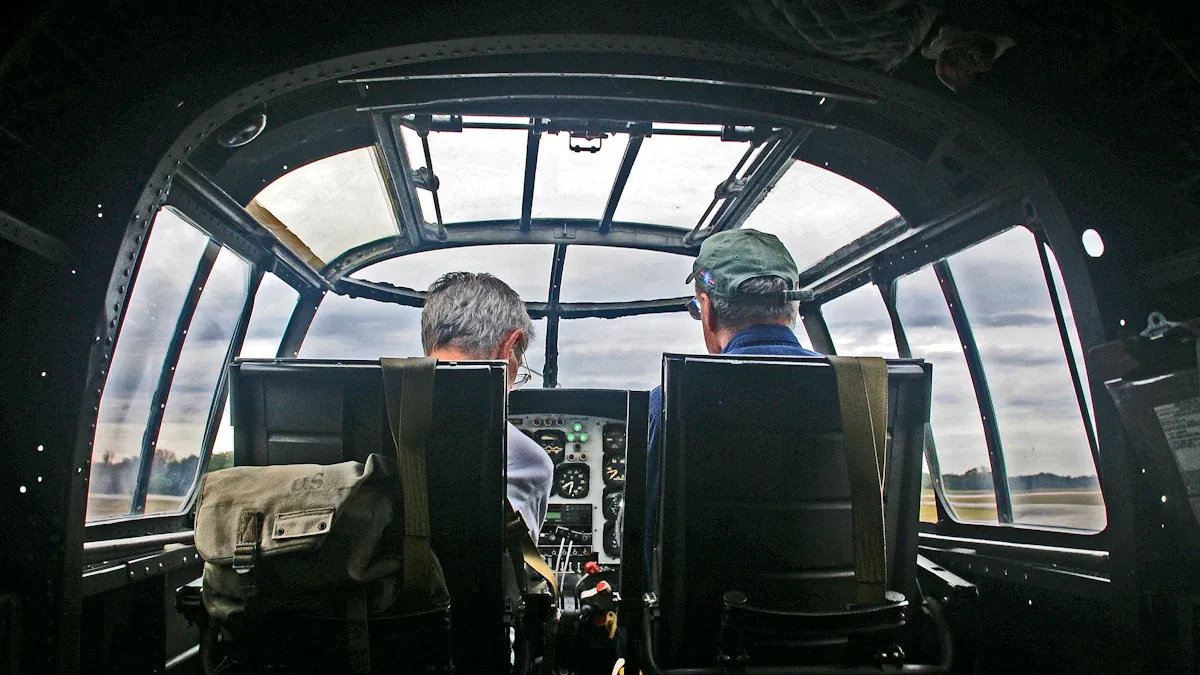
Safety checks are the backbone of your pre-takeoff checklist. They help you identify any potential issues before they become serious problems. Many in-flight problems can trace back to inadequate pre-flight inspections. A thorough inspection is emphasized from the first lesson in flying, highlighting its critical role in preventing accidents.
Here’s a quick list of essential safety checks you should perform:
Inspect the aircraft for any visible damage.
Check the engine and control surfaces.
Verify fluid levels, including oil and hydraulic fluids.
Ensure all safety equipment is onboard and functional.
Tip: Always follow the aircraft’s written checklist. This ensures thoroughness and safety, as overlooking a single switch can lead to significant safety issues.
Fuel and Oil Levels
Next, you need to check your fuel and oil levels. These checks are vital because fuel contamination or incorrect levels can lead to delays or even cancellations. Here’s a breakdown of common issues related to fuel and oil levels:
Issue | Impact on Flight Operations |
|---|---|
Fuel contamination | Can clog fuel filters, leading to warnings in the cockpit. |
Microbial growth | Causes incorrect fuel quantity readings and structural corrosion. |
Water detection | Triggers maintenance actions due to nuisance messages. |
Fuel Quantity Indication System issues | Can lead to fuel imbalance alerts, prompting emergency landings. |
By checking these levels, you can avoid unnecessary stress and ensure a smooth flight.
Document Review
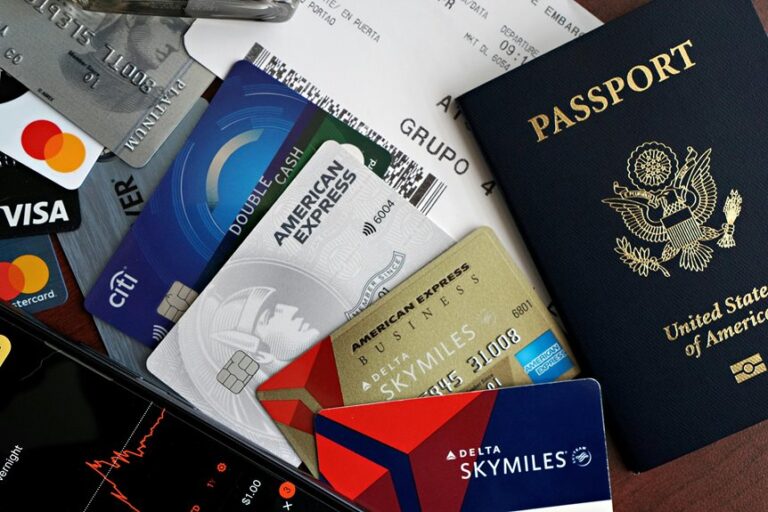
Finally, don’t forget to review your documents. This step is often overlooked but is crucial for a hassle-free travel experience. Here’s a list of documents you should double-check:
ID (often left at home)
Boarding pass (make sure it’s printed or accessible on your phone)
Travel insurance documents
Any necessary medical documents or prescriptions
Flight itinerary and confirmation emails
Note: Forgetting essential documents can lead to delays or even prevent you from boarding your flight. Always keep a packing list handy to ensure you have everything you need.
Incorporating these elements into your pre-takeoff checklist will help you feel more prepared and confident as you head to the skies. Remember, a well-organized checklist not only enhances safety but also makes your travel experience more enjoyable.
Air Travel Checklist for Days Before Flight
As your flight day approaches, you’ll want to make sure everything is in order. Here’s a handy air travel checklist to help you prepare in the days leading up to your flight.
Confirming Flight Details
First things first, confirm your flight details. Double-check your departure time, terminal, and gate information. Flight schedules can change, so staying updated is crucial. You can use airline apps or websites to get real-time updates.
Tip: Set reminders on your phone for any changes. This way, you won’t miss important notifications.
Preparing Your Home
Next, take some time to prepare your home before you leave. This step not only gives you peace of mind but also enhances security. Here are some tasks to consider:
Eat, freeze, or donate perishable foods.
Clean the kitchen and do the dishes.
Unplug electronics to save energy.
Lock all windows and doors.
Inform your neighbors or a friend about your trip.
Additionally, consider installing a security system. Cameras and alarms can help monitor your home while you’re away. Motion-activated lights can also deter potential intruders by creating the illusion of occupancy.
Managing Your Time
Finally, managing your time effectively can make your pre-flight preparations smoother. Here are some strategies to help you stay organized:
Strategy | Description |
|---|---|
Plan ahead | Start planning your flight one day before to familiarize yourself with the weather and route. |
Be organized | Keep all papers and equipment in order to avoid frustration during preparation. |
Think before you start | Ensure you have all necessary information and tools before beginning a task to avoid interruptions. |
Use your experience | Reflect on how you managed similar situations in the past to improve your current approach. |
Look for better ways | Continuously seek more efficient methods to optimize your tasks. |
Pace your work | Prioritize tasks instead of attempting to complete everything at once. |
By following this air travel checklist, you’ll feel more prepared and less stressed as your flight day approaches. Remember, a little preparation goes a long way!
Final Preparations on Flight Day

As your flight day arrives, it’s time to finalize your preparations. These last-minute checks can make a big difference in ensuring a smooth travel experience.
Arriving at the Airport
Arriving early at the airport is crucial. It gives you enough time to handle any unexpected issues that may arise. Airlines recommend the following arrival times:
Flight Type | Recommended Arrival Time |
|---|---|
Domestic Flights | 2 hours before departure |
International Flights | 3 hours before departure |
If you arrive late, you might face several common issues, such as:
Flight delays and cancellations
Lost or delayed luggage
Long check-in and security lines
Missed connections
By planning ahead, you can avoid these headaches and start your journey on the right foot.
Security Checks
Security checks can feel overwhelming, but knowing what to expect can ease your stress. Here’s a quick overview of the standard procedures:
Step | What to expect | How to respond |
|---|---|---|
Pre-screening | Present ID and boarding pass; remove items only when asked; confirm what will happen next | Ask for clarification: “Could you confirm what is being checked and why?” |
During screening | Pat-downs may occur; explosives check; private area may be used; e-readers and authentication may be involved | Keep hands visible; request privacy if needed; ask for explanations and written guidance if available |
Post-screening | Clearance to rejoin the line or receive further instructions | Ask for documentation; confirm next steps and where to go |
To speed through checkpoints, remember these tips:
Pack liquids in a single clear bag (100 ml per container) and place electronics on top.
Keep your passport or ID and boarding pass in a front pocket.
Organize bags for quick access: place electronics in a dedicated bin and avoid overstuffing pockets.
Boarding Procedures
Once you clear security, it’s time to board your flight. Here’s what to expect during the boarding process:
Most flights start boarding 30 – 50 minutes before scheduled departure.
Boarding ends 15 minutes before departure.
Customers needing special assistance can board early at the gate.
Boarding order is based on group classifications, starting from ConciergeKey® members to Basic Economy.
Make sure to arrive at the boarding gate at least 10 minutes before departure. This way, you won’t miss your flight and can enjoy a smooth boarding experience.
By following these final preparations, you’ll feel ready and confident as you embark on your journey. Remember, a little planning goes a long way!
In summary, a pre-flight checklist is your best friend when it comes to traveling smoothly. By staying organized, you can avoid common travel pitfalls. Here are some key takeaways:
Keep essential documents like your passport, visa, and travel insurance handy.
Organize your packing by category and label your bags for easy recovery.
Create a final to-do list to ensure you arrive at the airport on time.
Travel experts emphasize that using a pre-flight checklist enhances safety and efficiency. It helps you manage tasks systematically, reducing the chances of mistakes. So, make it a habit to use a checklist before your next flight. You’ll feel more prepared and ready to enjoy your journey! ✈️
FAQ
What should I include in my pre-flight checklist?
You should include safety checks, fuel and oil levels, and document reviews. Don’t forget essential items like your ID, boarding pass, and travel insurance documents.
How early should I arrive at the airport?
Aim to arrive at least 2 hours before domestic flights and 3 hours before international flights. This gives you enough time to handle any unexpected issues.
What if I forget my boarding pass?
If you forget your boarding pass, you can usually retrieve it through your airline’s app or website. Many airports also have kiosks where you can print a new one.
How can I speed through security checks?
To speed through security, pack liquids in a clear bag, keep your ID and boarding pass handy, and organize your bags for quick access.
What should I do if my flight gets delayed?
Stay calm and check your airline’s app or website for updates. You can also ask airline staff for assistance and information about rebooking if necessary.