You face unique challenges when you work as a traveling professional. Over 1,733,502 travel nurses work in the United States each year. Many struggle with understanding their tax home, which is your main residence and the place you return to regularly. You must keep records of rent payments, utilities, and ties like your driver’s license or voter registration to prove your tax home.
Common issues include not choosing a tax home, staying in one location for too long, and forgetting to track expenses.
You can reduce mistakes by keeping detailed records and knowing your state income tax rules. The Tax on Traveling Professionals depends on your tax home and how you manage your pay structure. This guide helps you stay compliant and maximize your deductions.
Key Takeaways
Establish a tax home to qualify for tax-free stipends and deductions. Keep records of your main residence and related expenses.
File tax returns in every state where you earn income, even for short assignments. Understand each state’s tax rules to avoid penalties.
Maintain detailed records of your contracts, pay stubs, and assignment dates. This documentation supports your tax claims and deductions.
Consult a tax professional familiar with travel nursing to navigate complex tax laws and maximize your deductions.
Stay organized and review your records regularly. Proper planning helps you avoid mistakes and keep more of your earnings.
Tax on Traveling Professionals
Tax Home Basics
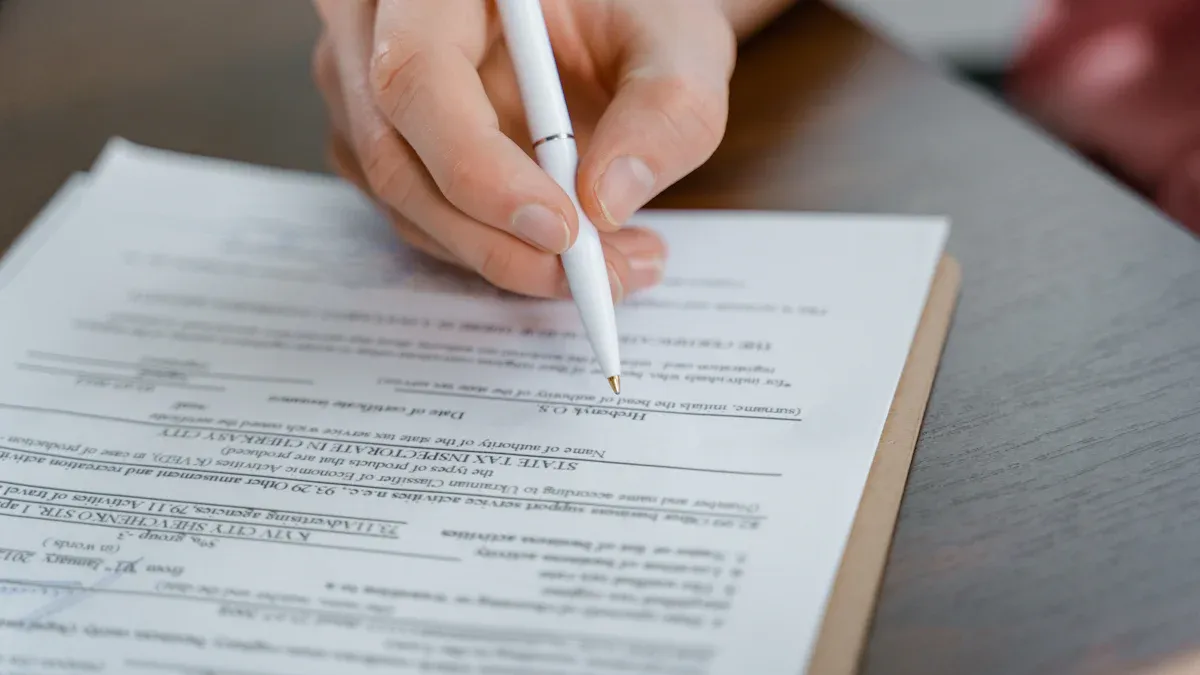
Understanding your tax home is the first step in managing the tax on traveling professionals. The IRS defines your tax home as the general area of your main place of business, employment, or post of duty, regardless of where you maintain your family home.
“Your tax home is the general area of your main place of business, employment, or post of duty, regardless of where you maintain your family home. Having a ‘tax home’ in a given location does not necessarily mean that the given location is your residence or domicile for tax purposes.”
You must establish a tax home to qualify for tax-free stipends and deductions. Travel nurses and other traveling professionals often need to prove their tax home by providing documentation. Before you start a contract, you should declare your permanent tax home with your agency. This step is essential for structuring your compensation package and ensuring you receive tax-free stipends.
Travel nurses must declare their permanent tax home by completing and signing a form with their travel nursing agency before starting a contract.
This declaration is essential for structuring compensation packages that include tax-free stipends.
It is advisable to confirm the required documentation in advance to ensure all necessary paperwork is ready.
If you do not maintain a tax home, you may lose the ability to receive tax-free stipends. This can increase your tax liability and make your tax situation more complicated. The tax on traveling professionals becomes much harder to manage without a clear tax home.
Permanent Residence
Your permanent residence, or domicile, plays a key role in determining your tax status. The IRS uses specific criteria to decide if you meet the requirements for residency. You must pay attention to these rules to avoid mistakes.
Criteria | Description |
|---|---|
Current Year | Must be present for at least 31 days |
Last Three Years | Must total 183 days, calculated as follows: all days in the current year, 1/3 of the days from the previous year, and 1/6 of the days from the year before that |
Domicile reflects where an individual has established their permanent home.
It plays a crucial role in determining residency for tax purposes.
Taxpayers with multiple residences must consider domicile when filing taxes.
Even if you meet the substantial presence test, you may still be classified as a nonresident alien if you spend fewer than 183 days in the current year, keep a tax home in another country, and have a closer connection to that country. For travel nurses, not maintaining a permanent residence can create several problems:
Travel nurses without a permanent residence may struggle with tax-free stipends and state tax management.
They are required to file tax returns in every state where they earn income, complicating their tax situation.
Not maintaining a tax home can lead to increased tax liabilities and potential audits.
The tax on traveling professionals depends on your ability to prove your permanent residence and tax home. You should keep records of your housing, bills, and ties to your home state.
Multiple States
Many traveling professionals work in more than one state each year. This situation creates unique challenges for tax on traveling professionals. You may need to file tax returns in several states, even if you only worked there for a short time. This process is called multi-state tax filing.
State Requirement | Description |
|---|---|
Total States Requiring Filing | 23 |
Filing Requirement | Nonresidents must file if they work even one day in the state |
States with Thresholds | Some states have thresholds to relieve filing obligations for limited work or minimal income |
If you work in a state that requires nonresidents to file, you must submit a return even for a single day of work. Some states offer relief if your income or time in the state is very limited. You should check each state’s rules before you start an assignment.
The tax on traveling professionals becomes more complex when you work in multiple states. You must track your income and days worked in each location. Failing to file in the correct states can lead to penalties and audits. Always keep detailed records and consult a tax professional if you feel unsure.
Travel Nursing Tax Guide

Travel Nurses
You face unique tax rules when you work as a travel nurse. You must file taxes in every state where you earn income, even if you do not live there. This rule can make your tax situation more complicated than for other professionals. Many travel nurses work in several states each year. Each state has its own tax laws and forms. You need to keep track of where you work and how much you earn in each place.
Tip: Always keep a record of your contracts, pay stubs, and assignment dates for each state.
Travel nurses must also prove they have a tax home. This means you need to show you have a main place where you live and pay bills. If you do not have a tax home, you may lose the benefit of tax-free stipends for housing and meals. Many travel nurses struggle with this because they move often. The IRS may see you as an itinerant worker if you live in an RV or van, which can change your tax status.
Here are some common tax filing errors made by travel nurses:
Not keeping proper documentation of expenses and income.
Not understanding the difference between non-taxable and taxable income.
Not consulting a tax professional who knows about travel nursing tax guide rules.
Lack of a permanent residence.
Not duplicating living expenses.
Staying in one location for over 12 months.
Underreporting income or incomplete reporting.
Travel nurse agencies like Travel Nurse Across America help you with tax compliance. They have specialists who guide you through the process and answer your questions. This support lets you focus on your job instead of worrying about tax rules.
Pay Structure
Your pay as a travel nurse includes several parts. Each part has different tax rules. Understanding your pay structure helps you follow the travel nursing tax guide and avoid mistakes.
Component | Description |
|---|---|
Base Pay | Most travel nurses earn between $30 and $50 per hour, depending on location, experience, and specialty. |
Housing Stipend | Money to cover accommodation costs, either through agency-provided housing or a stipend. |
Meals and Incidentals | Daily or weekly allowance for food and everyday expenses. |
Sign-On Bonus | One-time payment for signing a contract, ranging from $1,000 to $5,000. |
Completion Bonus | Bonus for completing an assignment as per contract terms. |
Referral Bonus | Payment for referring other nurses to the agency. |
You may receive a housing stipend and a meal allowance. If you have a valid tax home, these stipends are tax-free. The IRS allows you to receive tax-free money for housing, meals, and travel if you meet their rules. You must keep proof of your tax home and show that you duplicate living expenses. If you do not have a tax home, these stipends become taxable income.
Note: Many travel nursing expenses can be tax-free if you meet IRS guidelines. Always check if your housing, meals, and travel allowances qualify.
Bonuses are also part of your pay. You might get a sign-on bonus, a completion bonus, or a referral bonus. These bonuses are usually taxable. You need to report them on your tax return.
Forms and Filing
You need to file several forms as a travel nurse. You must file a federal tax return every year. You also need to file a state tax return in every state where you worked, even if you are not a resident there. Some states require you to file as a non-resident. If you move and become a resident of a new state, you may need to file as a part-year resident in both states.
Here is a list of forms you may need:
State Tax Returns: File in any state where you earn income.
Federal Tax Return: Report all income earned.
Non-Resident Taxation Forms: States tax non-residents on income earned within their borders.
Part-Year Resident Forms: Use these if you move and change your state of residence.
You may work as a W-2 employee or a 1099 contractor. Each type has different tax rules.
Aspect | W-2 Employee | 1099 Contractor |
|---|---|---|
Employee Status | Works for a staffing agency | Independent contractor, not tied to an agency |
Tax Responsibilities | Taxes withheld by employer | Responsible for calculating and paying own taxes |
Pay and Benefits | Lower base pay, benefits included (health, PTO) | Higher pay, no benefits, must cover own expenses |
Flexibility | Less flexibility in work hours and assignments | More freedom in choosing work and hours |
Deductions | Limited tax deductions | Access to various deductions (travel, supplies) |
If you are a W-2 employee, your agency withholds taxes for you. You get a W-2 form at the end of the year. If you are a 1099 contractor, you must pay your own taxes. You get a 1099 form and may need to use Schedule C with your Form 1040. Contractors can deduct more expenses, but they also have more paperwork.
Tip: Always check which forms you need before tax season. This step helps you avoid missing deadlines or making mistakes.
The travel nursing tax guide can help you understand which forms to use and how to report your income. If you feel unsure, ask a tax professional who knows about travel nurses.
Tax Rules
Deductions
You can lower your tax bill by claiming travel nurse tax deductions. Many travel nurses use tax-free stipends for housing, meals, and travel reimbursements. You must keep records to prove your expenses. Receipts, business purpose notes, and activity logs help you support your claims. You need proof for every deduction you take.
Here is a table showing the most common travel nurse tax deductions:
Deduction Type | Description |
|---|---|
Transportation | Airfare, car rentals, and mileage for business travel. |
Baggage | Fees for checked bags. |
Shipping | Costs for sending work materials to assignments. |
Dry Cleaning and Laundry | Cleaning work clothes while traveling. |
Lodging | Hotels or other accommodations during assignments. |
Meals | Food and drinks while working away from home. |
Wi-Fi and Communications | Internet and phone services needed for work. |
You can also deduct education and licensing fees, medical supplies, and professional expenses. These travel nurse tax deductions help you keep more of your pay. Always keep receipts and records for travel reimbursements and tax-free stipends.
Tip: You must document the business purpose for each expense. Keep records of your activities and relationships for business meals.
State Taxes
You pay state taxes in every state where you work. Travel nursing taxes change based on each state’s rules. Some states have no income tax, so you keep more of your tax-free stipends for housing. Others have higher rates, which can reduce your take-home pay.
Rank | State | Effective Tax Rate | Marginal Rate |
|---|---|---|---|
1 | Alaska | 0% | 0% |
2 | Florida | 0% | 0% |
3 | Nevada | 0% | 0% |
4 | New Hampshire | 0% | 0% |
5 | South Dakota | 0% | 0% |
6 | Tennessee | 0% | 0% |
7 | Texas | 0% | 0% |
8 | Washington | 0% | 0% |
9 | Wyoming | 0% | 0% |
10 | North Dakota | 0.8% | 1.1% |
You must check each state’s tax rate before you accept an assignment. This step helps you plan for travel nursing taxes and tax-free stipends. States like New York, New Jersey, and California have higher rates. You may need to file in more than one state if you work in several places.
Nonresident Returns
You must file nonresident returns for every state where you earn income. Review your W-2 forms to see which states you worked in. Complete nonresident state income tax returns for those states. File your home state return as usual. Report all income, including out-of-state earnings, on your home state return.
Your home state may give you a credit for taxes paid to other states. You must follow each state’s rules for travel nursing taxes and travel reimbursements. You may get refunds if you meet state-specific thresholds. Always report income earned in each state, even if you receive tax-free stipends for housing or non-taxable stipends.
Note: You must understand the tax laws in every state where you work. Filing correctly helps you avoid penalties and keeps your tax-free stipends safe.
Tax Tips
Recordkeeping
Good recordkeeping helps you stay organized and avoid tax problems. You should keep receipts for all travel-related purchases and maintain a travel log with dates, business purpose, and locations. Use a mileage log if you drive your own car for work. Digital tools make this easier. Apps like Mint, Shoeboxed, and Hubdoc help you track expenses, scan receipts, and link financial accounts. Shoeboxed lets you store receipts in an IRS-accepted format, which makes filing for reimbursements simple.
Best Practice | Description |
|---|---|
Use digital tools for receipt tracking | Log expenses in real time to prevent lost receipts and improve accuracy. |
Automate approvals and policy checks | Automation ensures compliance with travel policies. |
Provide real-time visibility | Track reimbursement status to reduce questions and build trust. |
Issue corporate cards | Streamline expenses and minimize out-of-pocket costs. |
Update policies annually | Revise policies to match IRS updates on travel reimbursements. |
Tip: Record the cost of each travel expense, document travel dates, and note the business purpose for every trip. These tax tips help you prepare for tax season and avoid IRS audits.
Professional Help
You may find tax rules confusing, especially when you work in many states. A qualified tax professional, such as a CPA, can guide you through multi-state filings and state income taxes. Expert tax solutions offer specialized advice for travel nurses. CPAs know about the unique financial challenges you face. They help you maximize deductions, stay compliant with state regulations, and give you peace of mind during audits.
Benefit | Description |
|---|---|
Expertise in tax laws | Professionals navigate complex tax laws and ensure compliance. |
Maximizing tax deductions | They identify all possible deductions for traveling professionals. |
Compliance with state regulations | Ensures you follow state tax laws and avoid penalties. |
Peace of mind | Professionals handle audits so you can focus on your work. |
Tip: Consult a tax professional to understand your tax obligations in your home state and the states where you work. These tax tips save you time and reduce stress.
Common Mistakes
Travel nurses often make mistakes that lead to penalties or audits. You may forget to research tax laws, miss important deductions, or underestimate costs from housing stipends and meal allowances. Missing state-specific requirements can cause problems with compliance. Believing tax myths may mislead you about what is deductible or tax-free. Proper documentation helps you avoid these mistakes. Keep copies of W2s, contracts, tax-home declarations, and travel expense reports. Learn about IRS red flags, such as low taxable income with multiple dependents, to avoid triggering audits.
Tip: Stay informed and organized. These tax tips help you file correctly and keep more of your earnings.
You face many tax rules as a traveling professional. Remember these key points:
File taxes in every state where you work and in your home state, unless a reciprocity rule applies.
Non-resident states tax you on income earned there.
Your home state gives credit for taxes paid to other states.
Keep a resident tax return to support your multi-state license.
Check your first paystub for correct tax withholding.
Stay organized and review your records often. If you feel unsure, ask a tax expert for help. Careful planning helps you avoid mistakes and keep more of your pay.
FAQ
What is a tax home, and why does it matter?
Your tax home is your main place of work or business. You need a tax home to qualify for tax-free stipends. If you do not have one, you may pay more taxes on your travel income.
Do I have to file taxes in every state where I work?
Yes, you must file a tax return in each state where you earn income. Some states have special rules or no income tax. Always check each state’s requirements before you file.
Are housing and meal stipends always tax-free?
No, housing and meal stipends are only tax-free if you have a valid tax home and duplicate living expenses. If you do not meet these rules, the IRS may tax your stipends as regular income.
What documents should I keep for tax season?
Keep these items:
Pay stubs
Contracts
Receipts for travel and housing
Tax home proof (like lease or utility bills)
Good records help you claim deductions and avoid IRS problems.