Imagine a place where rich history meets vibrant culture, a captivating French town waiting for you. Abbeville, France, offers a unique charm. You will discover the best things to do in Abbeville, a destination blending historical significance, cultural vibrancy, and natural beauty. Abbeville buzzes with life, hosting vibrant city festivals and events. These gatherings generate a significant annual economic impact, showing the town’s lively spirit and rich heritage. Prepare for an unforgettable journey through the best things to do in this remarkable place in 2026.
Key Takeaways
Abbeville offers a rich mix of history, culture, and nature.
Visit the Collégiale Saint-Vulfran to see a Gothic masterpiece.
Explore the Jardin d’Emonville for a peaceful escape.
Learn about ancient history at the Musée Boucher de Perthes.
Enjoy local foods like Flamiche Picarde and Ficelle Picarde.
1. Visit Collégiale Saint-Vulfran
Abbeville’s Gothic Masterpiece
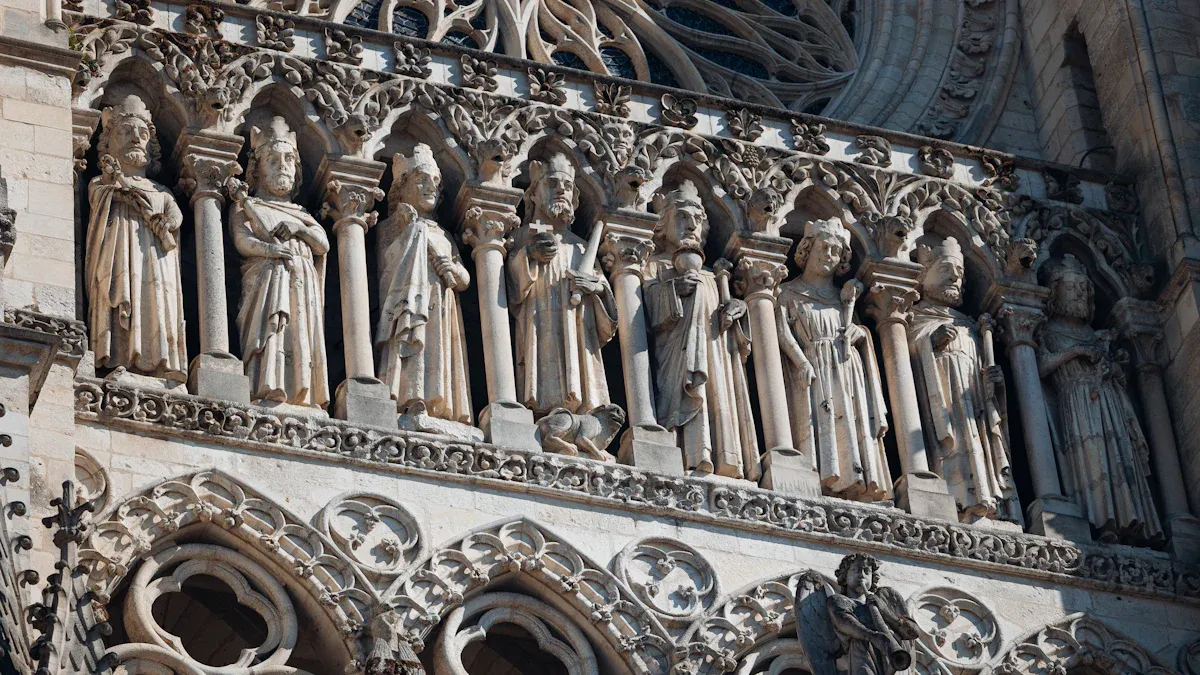
Your journey through Abbeville absolutely must include a visit to the magnificent Collégiale Saint-Vulfran. This isn’t just another old building; it stands as a true masterpiece of Flamboyant Gothic architecture. As you approach, you will immediately notice its incredibly intricate details, from the delicate stone carvings to the soaring spires that reach towards the sky. People often call it a 15th-century marvel, and you will quickly understand why when you stand before its grand facade. The sheer scale and breathtaking beauty of this structure will undoubtedly impress you, making it one of the most unforgettable sights in Abbeville. Take your time to admire the craftsmanship that went into every arch and window.
Architectural Grandeur and History
The Collégiale Saint-Vulfran holds so much fascinating history within its ancient walls. Workers began its construction on June 7, 1488, a monumental undertaking for its time. They meticulously built the nave, the main body of the church, until 1539, creating the vast and inspiring space you walk through today. Much later, from 1661 to 1663, they added the choir, the area around the altar. This section features a slightly simpler, yet still elegant, style, finally completing the entire church in 1663. This blend of architectural styles tells a compelling story of different eras and changing tastes.
You can also trace the church’s deep roots back to a significant figure: Wulfram of Sens. His body moved to the collegiate church of Our Lady in Abbeville in 1058, a pivotal moment. Following this, they re-dedicated the church in his name, honoring his legacy. You can even find an annual commemoration of this important event on October 15th, a tradition that continues to this day. This rich historic architecture truly connects you to Abbeville’s profound past, offering a tangible link to centuries of faith and artistry.
2. Wander Jardin d’Emonville
Serene Urban Oasis
After exploring Abbeville’s grand architecture, you will want a peaceful escape. Head to Jardin d’Emonville. This beautiful garden offers a serene urban oasis right in the heart of the city. You can easily spend an hour or two here, just unwinding and enjoying the quiet. Imagine strolling along winding paths, surrounded by lush greenery. The garden provides a perfect spot to relax, read a book, or simply enjoy nature’s calm. It feels like a hidden gem, a tranquil haven away from the city’s hustle and bustle. You will find it a refreshing change of pace.
Botanical Beauty and Relaxation
Jardin d’Emonville truly showcases botanical beauty. As you walk through, you will discover a rich variety of plants. The garden features vibrant flowers that add splashes of color everywhere you look. You will also see a mix of native and exotic plants, highlighting the botanical diversity of the region. Keep an eye out for some rare and exotic plant species from different regions, too. The garden staff works hard to create stunning seasonal floral displays, so there is always something new to admire. You can also find historic trees that have stood for many years, offering shade and a sense of timelessness. This garden is more than just pretty; it is a place where you can truly connect with nature and find a moment of peace.
3. Explore Musée Boucher de Perthes
Prehistory and Local Collections
You should definitely visit the Musée Boucher de Perthes. This museum in Abbeville is very special. It honors Jacques Boucher de Perthes, often called the “Father of Prehistory.” He was a pioneering archaeologist. He found very old tools in the Somme region. These discoveries helped us understand human life thousands of years ago in northern France. The museum shows how people lived and adapted over time. You will see how local craftspeople shaped art and expression. The Musée Boucher de Perthes has two main types of collections. One focuses on ancient times, and the other on art and local history.
Art and Archaeological Discoveries
The museum’s collections are truly amazing. You can explore a rich archaeological section. It includes items from the Paleolithic era, like fossils and early stone tools from the Somme Valley. You will also find Bronze Age axes and swords, and artifacts from Roman villas. These pieces trace a long history. Then, you can move to the art collections. These include paintings, sculptures, and decorative arts. You will see works from medieval times to today. The museum features beautiful medieval art, like a 12th-century bronze Christ. It also has 17th and 18th-century masterpieces. A special part of the collection comes from local talent, including works by painter Alfred Manessier. The Musée Boucher de Perthes also explores regional plants and animals. You can learn about the diverse birdlife of the Somme Bay. This museum offers a deep dive into both ancient history and artistic traditions.
4. Stroll Along the Somme River
Picturesque Riverside Views
You’ve explored Abbeville’s grand buildings and peaceful gardens. Now, it’s time for a different kind of beauty. Head to the Somme River. It winds gracefully through the heart of Abbeville. You will find some of the most picturesque views here. Imagine the sunlight dancing on the water. Old trees stand tall along the banks, their leaves rustling softly. The river creates a calm, reflective surface. It mirrors the sky and the charming buildings nearby. This spot is perfect for a quiet moment. You can simply watch the gentle flow of the Somme. It truly adds a serene touch to your visit in Abbeville. Consider packing a small picnic. You can enjoy it by the water’s edge.
Leisurely Walks and Nature
Ready for a truly relaxing experience? The paths along the Somme River are ideal for a leisurely walk. You can stroll for miles, enjoying the fresh air and peaceful surroundings. This area is a haven for nature lovers. The Somme Estuary, just a short distance away, boasts an incredible variety of natural habitats. You’ll discover vast marshes and extensive mudflats when the tide is low. There are also rolling sand-dunes, dense woodlands, and green farmlands. Even beautiful coastlines are part of this rich landscape. Keep your eyes peeled for wildlife. This region is famous for its birdwatching opportunities. You might spot many bird species. Think about graceful swans and various ducks gliding on the water. You could also see unique waders foraging in the mud. Even some rare songbirds hide in the trees. The Somme offers a true escape into nature, a chance to reconnect with the wild beauty of France. It’s a perfect way to unwind after a day of sightseeing.
5. Ascend the Abbeville Belfry
UNESCO World Heritage Site
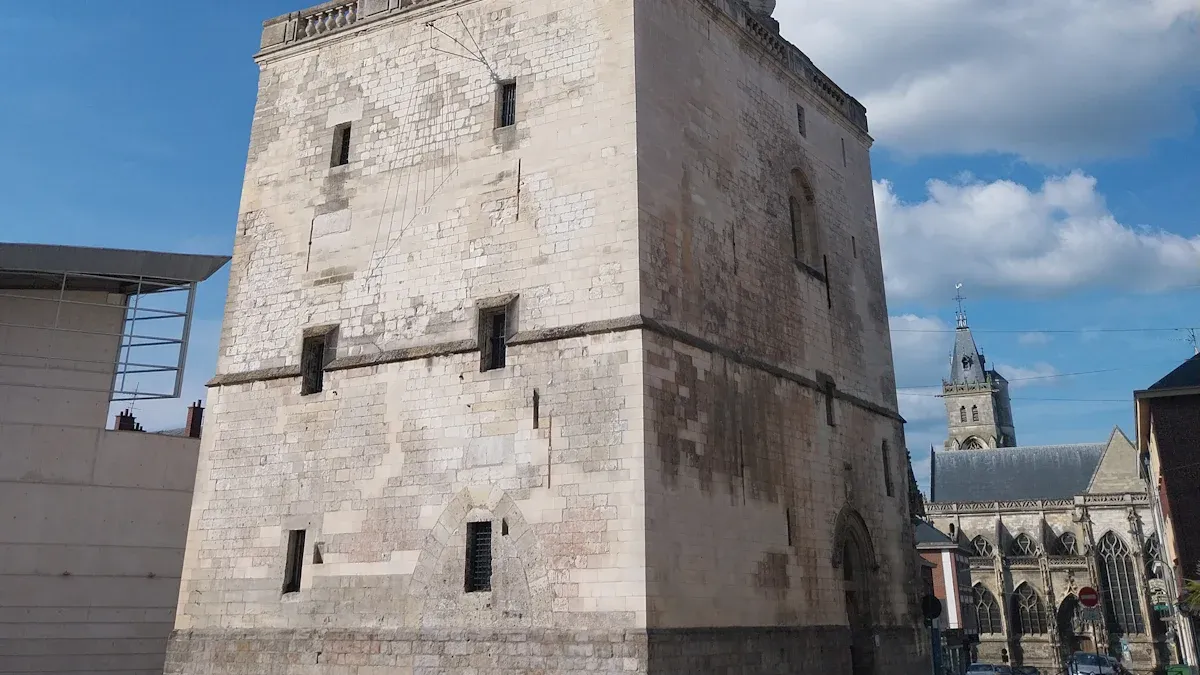
You absolutely must climb the Abbeville Belfry. This isn’t just any old tower; it stands as one of France’s oldest belfries, built way back in 1209! Imagine the history held within its stones. The Abbeville Belfry has seen centuries of change. People recognized its importance early on. They designated it an historic monument in 1926. Sadly, a bombing on May 20, 1940, damaged its roof during World War II. But the town rebuilt this important belfry in 1986, showing its resilience. In 2005, UNESCO classified the belfry as a World Heritage Site. This honor recognizes its role in the rise of municipal power and its unique architecture. You can truly feel the medieval heritage here. Since 1954, this historic belfry has also housed the city’s museum.
Panoramic City Vistas
Get ready for some amazing views when you ascend the Abbeville Belfry. Climbing to the top rewards you with breathtaking panoramic vistas of Abbeville. You will see the charming rooftops, the winding Somme River, and the surrounding countryside spread out below. It’s a perfect spot to get your bearings and appreciate the layout of the town. From this high vantage point, you can spot other landmarks you have visited or plan to explore. The climb itself offers a journey through time, as you pass ancient stone walls and imagine the watchmen who once stood guard. This belfry offers a unique perspective on the city’s history and its present-day beauty. Don’t forget your camera! The views from the top of this belfry are truly unforgettable.
6. Experience Marché d’Abbeville
Local Flavors and Crafts
You simply cannot visit Abbeville without experiencing its vibrant Abbeville Market. This market is a feast for your senses. You will find it bustling with activity, usually on Saturday mornings. Imagine rows of colorful stalls. Local producers proudly display their freshest goods. You can pick up ripe, seasonal fruits and vegetables. Think about crisp apples or juicy berries, depending on the time of year. You will also discover artisanal cheeses, still warm from the local bakeries. Don’t forget to grab a crusty baguette! Beyond food, you will find unique handmade crafts. Local artisans sell their creations. You might see beautiful pottery, intricate jewelry, or charming textiles. These items make perfect souvenirs or gifts. The market truly showcases the rich bounty and talent of the region.
Authentic French Market Life
Stepping into Marché d’Abbeville feels like stepping into a classic French painting. The air fills with lively chatter. Vendors call out their daily specials. Shoppers haggle good-naturedly. You will hear the sounds of laughter and friendly greetings. The aromas are incredible. Fresh bread, fragrant cheeses, and blooming flowers mix in the air. This market is more than just a place to buy things. It is a social hub. Locals meet friends and catch up on news. You can observe daily life in this charming French town. It offers a genuine glimpse into the local culture. You will feel the authentic rhythm of French market life. Take your time. Wander through the aisles. Sample some local delicacies. You will create lasting memories of your visit to Abbeville.
7. Take a Somme Canal Boat Trip
Unique City Perspective
You have seen Abbeville from its streets and from its belfry. Now, try a new view! Take a boat trip on the Somme Canal. This offers a truly unique way to see the charming town. You will glide along the water. The city’s buildings look different from this angle. You can spot hidden gardens or quiet corners you missed on foot. It is a peaceful way to explore. Many tours start right from Abbeville. For example, some multi-day adventures combine cruising with cycling. You can stay on a barge like the ‘Fleur’ and bike each day. This gives you a fresh look at the Somme region.
Tranquil Waterways and Scenery
The Somme Canal offers more than just city views. It provides a tranquil escape into nature. You will pass through beautiful landscapes. Green fields and quiet villages line the Somme River. The water is calm, making for a very relaxing journey. Imagine cruising past historic sites. Some trips even take you to places like the Castle of Rambures or the Château of Long. You can visit a goat cheese farm or explore medieval underground caves. Other options include cycling west to the English Channel or visiting the Samara Historical Park. These trips on the Somme waterway offer a blend of relaxation and adventure. You will enjoy the peaceful scenery and discover many hidden gems along the Somme.
8. Discover Château de Bagatelle
Eighteenth-Century Elegance
You’ve explored Abbeville’s urban charm, but now prepare for a journey into pure elegance at the Château de Bagatelle. This isn’t just any old building; it’s a neoclassical palace with a fascinating history. Imagine this: in 1777, the Comte d’Artois, brother-in-law to Marie-Antoinette, made a famous wager. He bet he could build a grand new château on the site of an old hunting lodge in just 63 days! And he did it! This rapid construction resulted in the remarkable Château de Bagatelle you see today. Its white stone facades and delicate decorative details truly showcase eighteenth-century style. You’ll notice the Latin inscription “Parvus sed aptus” on the entrance facade, meaning “Small but suitable.” This perfectly describes the château’s refined character. This beautiful château, miraculously spared during the Revolution, later served as a restaurant and even a hunting lodge under Napoléon.
Historic Gardens and Interiors
Step inside this magnificent château, and you’ll find interiors that whisper tales of luxury. The Summer Salon, for example, features a stunning elliptical shape with turquoise décor and Louis XVI style wood paneling. You’ll see painted vases and floral arrangements, plus a ceiling painting of an American eagle. The Winter Salon, decorated in shades of blue, has a ceiling painted to resemble the sky. The Dining Room shines with light green hues. Beyond the exquisite rooms, the gardens of this château are equally captivating. You can wander through the baroque garden, framed by meticulously pruned linden trees. Then, explore the ten-hectare English landscape garden, established in the 19th century. This historic château also boasts notable plants, including a 250-year-old horse chestnut and various 150-year-old trees. The Château de Bagatelle truly offers a blend of architectural grandeur and natural beauty.
9. Savor Picardy Cuisine
Gastronomic Delights
You have explored Abbeville’s sights. Now, get ready to treat your taste buds! Picardy cuisine offers a delightful journey for food lovers. This region of France has many unique flavors. You will find dishes that are hearty and comforting. They often use fresh, local ingredients. The food here tells a story of the land and its people. It is a true gastronomic delight. You will discover traditional recipes passed down through generations. These dishes reflect the rich agricultural history of the area.
Traditional Dishes and Restaurants
You must try some of the traditional dishes. One famous dish is Picardy Flamiche. This is a savory leek pie. To make the crust, chefs use plain flour, butter, salt, egg yolk, and water. The filling has diced leeks, butter, crème fraîche, egg, and seasoning. Some versions also include Maroilles cheese. They boil the leeks, then cook them with butter. Then, they mix crème fraîche with egg and seasonings. They put this all into a tart pan and bake it.
Another must-try is Picardy Ficelle. This is a savory crêpe. It comes from northern France. The crêpes are filled with ham and mushrooms. Cooks sauté mushrooms with shallots. They add white wine for more flavor. A creamy béchamel sauce binds the filling. This keeps the crêpes soft. They roll the crêpes and arrange them in a baking dish. Then, they top them with more béchamel and shredded Emmental cheese. They broil it until it is golden brown. You can find these delicious local cuisine options in many Abbeville restaurants. Ask locals for their favorite spots. You will enjoy a truly authentic meal.
10. Visit the Church of Saint Sepulcre
Historic Religious Site
Your journey through the Somme region brings you to another significant site: the Church of Saint Sepulcre. This church holds immense historical importance. It stands as a monumental record of Christian history. Emperor Constantine I first built it in the 4th century CE. It featured a basilica and a rotunda over Christ’s tomb. Byzantine restorations added decorative elements. This church, like many historical sites in the Somme, holds deep stories. It has seen many changes. The Persian conquest in 614 CE led to transformations. The Crusades in 1099 CE saw it rebuilt after destruction. This inspired the Christian conquest of Jerusalem. Crusaders later built a Romanesque church, consecrated in 1149. You will find its story intertwined with the broader history of the Somme valley.
Architectural Details and Significance
This church is a unique, multi-layered structure. During the 12th-century Crusader era, they extensively rebuilt it. You can see Romanesque elements like barrel vaults and a bell tower. These unified the sites of Golgotha and the tomb under one roof. Subsequent Mamluk and Ottoman periods added chapels and altars. These reflect various Christian denominations. A fire in 1808 partially destroyed the Crusader basilica. Greeks and Armenians then built a new church, dedicated in 1810. Modern restorations focus on preserving its historical integrity. This makes it an architectural palimpsest. It embodies nearly two millennia of religious, cultural, and political history. As you reflect on the history of the Somme, this church offers a unique perspective. It stands as a testament to the enduring faith found across the Somme.
You can explore many unique features here. The Parvis, a courtyard, was once a marketplace. The 12th-century Bell Tower stands to the left of the façade. The Southern Entrance features highly carved wooden doors. You can also visit the Chapel of the Franks, dedicated to Our Lady of Sorrows. The Stone of Anointing is where tradition says Jesus’ body was laid. The Aedicule encloses the Holy Sepulchre. The Catholicon, a Crusader structure, houses the main altar. This church in Abbeville truly offers a deep dive into faith and history.
11. Explore Australian Battlefields
Somme Region History
You will find a profound connection to Australian military history in the Somme region. After the Gallipoli Campaign, Australian Imperial Force (AIF) infantry divisions moved to the Western Front in Europe. This brought them directly to the battlefields of the Somme. The Battle of the Somme, from July 1st to November 18th, 1916, was a brutal conflict. Four Australian divisions fought along the River Somme in northern France. This battle caused immense suffering. It resulted in about 1.2 million casualties overall. Allied forces lost 600,000 soldiers, and German forces lost 600,000. Australian forces alone sustained nearly 23,000 casualties in just 45 days of fighting. Australian divisions were vital. They defended strategic positions and led many assaults. The Fifth Australian Division also fought in the Battle of Fromelles, suffering significant losses. Later, Australian forces participated in the Second Battle of the Somme as part of the ‘Hundred Days Offensive’. You can truly feel the weight of this history as you visit these sites.
Sir John Monash Centre
To truly understand Australia’s role in the Somme, you must visit the Sir John Monash Centre. This modern interpretive center offers a powerful and moving experience. It tells the story of Australian soldiers on the Western Front during World War I. You will learn about their courage and sacrifice through interactive displays and personal accounts. The center uses advanced technology to bring their stories to life. It helps you connect with the soldiers’ experiences. You can see how their actions shaped the outcome of the war. The Sir John Monash Centre is near Villers-Bretonneux, a short drive from Abbeville. It serves as a vital memorial. It ensures future generations remember the significant contributions of Australian forces in the Somme region.
12. Reflect at British Military Cemetery
World War Commemoration
You have explored many vibrant parts of Abbeville and its surroundings. Now, you can take a moment for quiet reflection. Visit one of the British Military Cemeteries in the Somme region. These cemeteries stand as solemn reminders of the immense sacrifices made during World War I. You will find many of these sites near Abbeville, each one a testament to courage and loss. They honor soldiers from various nations who fought for freedom. Walking through these grounds helps you connect with a significant chapter in world history. You can feel the weight of the past here.
Somber History and Remembrance
As you walk among the rows of headstones, you will notice a profound sense of peace. These cemeteries are carefully designed spaces for remembrance. You will see the Stone of Remembrance, a key feature in larger cemeteries. Sir Edwin Lutyens designed this stone in 1917. It commemorates the dead of both World Wars. Its geometry is very precise, based on studies of the Parthenon. Each stone is 3.5 meters long and 1.5 meters high. It has subtle curves, not straight sides. If you extended these curves, they would form a sphere over 1,800 feet wide! This careful design gives it a “curious power and symbolic strength.”
The stone bears a powerful inscription: “THEIR NAME LIVETH FOR EVERMORE.” Rudyard Kipling suggested this phrase, taken from an ancient text. The design avoids specific religious symbols. It aims to appeal to “all faiths and none,” ensuring everyone feels included. This secular approach promotes equality in remembrance. You will also often see the Cross of Sacrifice, another important memorial. These elements work together to create a place where you can truly honor the fallen. You can reflect on their stories and the enduring impact of their sacrifice.
13. Discover Parc de la Bouvaque
Natural Reserve and Wildlife
You have explored Abbeville’s historical sites and bustling markets. Now, you need a breath of fresh air. Head to Parc de la Bouvaque. This beautiful natural reserve sits just outside the main town. It offers a wonderful escape into nature. You will find a diverse ecosystem here. The park features wetlands, ponds, and wooded areas. These habitats support a wide variety of wildlife. You can spot many different animals. Look for small mammals darting through the undergrowth. You might even see some amphibians near the water. The park works hard to protect these natural spaces. They ensure the wildlife thrives. It is a perfect place to connect with the natural world.
Birdwatching and Peaceful Retreat
Parc de la Bouvaque is a paradise for birdwatchers. You will discover many bird species throughout the year. Grab your binoculars! You can see ducks, geese, and various wading birds. They gather around the ponds and marshy areas. Keep an eye out for migratory birds too. They often stop here during their long journeys. The park provides quiet trails. You can walk along these paths. Enjoy the peaceful atmosphere. The sounds of nature surround you. You hear birds singing and leaves rustling. This park offers a tranquil retreat. It is a perfect spot to relax. You can clear your mind and enjoy the calm. It truly is a hidden gem for nature lovers.
14. Wander Old Town Streets
Charming Architecture and Boutiques
You have seen the grand monuments. Now, take time to wander the charming Old Town streets of Abbeville. You will discover a delightful mix of architectural styles. Many buildings tell stories of different eras. For example, the Abbeville Opera House opened in 1908. It adds a touch of early 20th-century elegance. You can also see the Trinity Episcopal Church. Its Gothic style dates back to just before the Civil War. The Abbeville Bank and Trust Co. building, from 1894, shows Romanesque Revival design. These buildings create a beautiful backdrop for your stroll. You will find unique boutiques tucked into these historic structures. They offer local goods and souvenirs.
Hidden Alleys and Local Life
As you explore, you will find hidden alleys. These narrow passages offer a glimpse into local life. They often lead to unexpected discoveries. For instance, Crate & Quill has an alley right beside it. This is called Abbeys Alley. You can explore Abbeys Alley. It features many “awesome booths” with reasonable prices. These spots are perfect for finding unique gifts or local crafts. You will feel the authentic pulse of this charming town. The historic center truly invites you to slow down and soak it all in. You can enjoy the quiet corners and the friendly atmosphere.
15. Enjoy Théâtre Municipal
Cultural Hub and Events
You have explored Abbeville’s history and natural beauty. Now, immerse yourself in its vibrant cultural scene. The Théâtre Municipal stands as a true cultural hub in the city. This beautiful venue hosts a wide array of events throughout the year. You can catch live performances, from captivating plays to classical concerts. They also feature modern dance shows and musical acts. Check their schedule when you plan your visit. You might find a local production or a touring company. The theater brings art and entertainment to the heart of Abbeville. It offers a wonderful way to experience the local culture.
Live Entertainment and Architecture
The Théâtre Municipal is not just a place for shows; it is also an architectural gem. Many municipal theaters across the world share a grand vision. They represent a city’s pride and cultural ambition. For example, the Theatro Municipal in Rio de Janeiro, built in the early 20th century, shows this perfectly. It symbolized a new era for Brazil’s capital. Its design drew inspiration from the famous Paris Opera. It features an eclectic style with Art Nouveau elements. Such theaters often have beautiful exteriors. They inscribe the names of classic artists on their walls. These buildings are often near other cultural landmarks. They become central to a city’s artistic life. Abbeville’s own Théâtre Municipal, while perhaps on a different scale, embodies this same spirit. You will appreciate its design and the rich history it holds. Enjoy a night out and experience the magic of live entertainment in this historic setting.
You have explored the best things to do in Abbeville, France. This charming town offers history, nature, and culture. These are truly the best things to do in Abbeville for an unforgettable experience. Plan your visit to France in 2026. Discover all the best things to do this amazing town has. Create lasting memories in Abbeville, France. You will love this part of France. Experience the best things to do in Abbeville.
FAQ
When is the best time to visit Abbeville?
You will find Abbeville charming all year! Spring (April-June) offers pleasant weather and blooming gardens. Summer (July-August) brings warm days and lively events. Fall (September-October) shows beautiful foliage. You can enjoy fewer crowds and mild temperatures then.
How can I travel around Abbeville?
You can easily explore Abbeville on foot, especially the Old Town. For longer distances, you will find local buses available. Consider renting a bike to enjoy the riverside paths. If you plan to visit surrounding areas, like the Somme battlefields, a car gives you more flexibility.
What local dishes should I definitely try?
You must try the Picardy Flamiche, a delicious leek pie. Also, savor the Picardy Ficelle, a savory crêpe filled with ham and mushrooms. Many local restaurants serve these traditional dishes. You will love the authentic flavors of Picardy cuisine!
Is Abbeville a good place for families?
Yes, Abbeville welcomes families! You can enjoy the Jardin d’Emonville and Parc de la Bouvaque for outdoor fun. The Somme Canal boat trips offer a unique adventure. The Musée Boucher de Perthes has interesting archaeological exhibits. You will find activities for everyone.