Brazil’s coastline stretches over 4,600 miles, tracing a path from the sun-drenched beaches of the northeast to the dramatic cliffs and lush rainforest of the south, making it one of the most diverse and captivating coastal destinations on Earth.
Like, You are standing on the busy sand of Copacabana in Rio de Janeiro. Then you blink and find yourself alone among huge white dunes. When you travel to Brazil coast, you experience a 7,491 km stretch along the Atlantic Ocean with about 2,095 beaches. That is a huge mix of places to see.
So why travel to Brazil coast? You can see famous beaches, lively cities, and natural wonders all in one trip. The culture changes from area to area. That mix of cultures makes every stop feel new. A travel to Brazil coast blends sun, music, and views like nowhere else. This coast really has something for you.
Top Beaches on the Brazil Coast
Brazil has 37 beaches with Blue Flag awards, based on 2024 data. That number means a lot. This coastline cares about its beaches.
Iconic Beaches: Copacabana and Ipanema
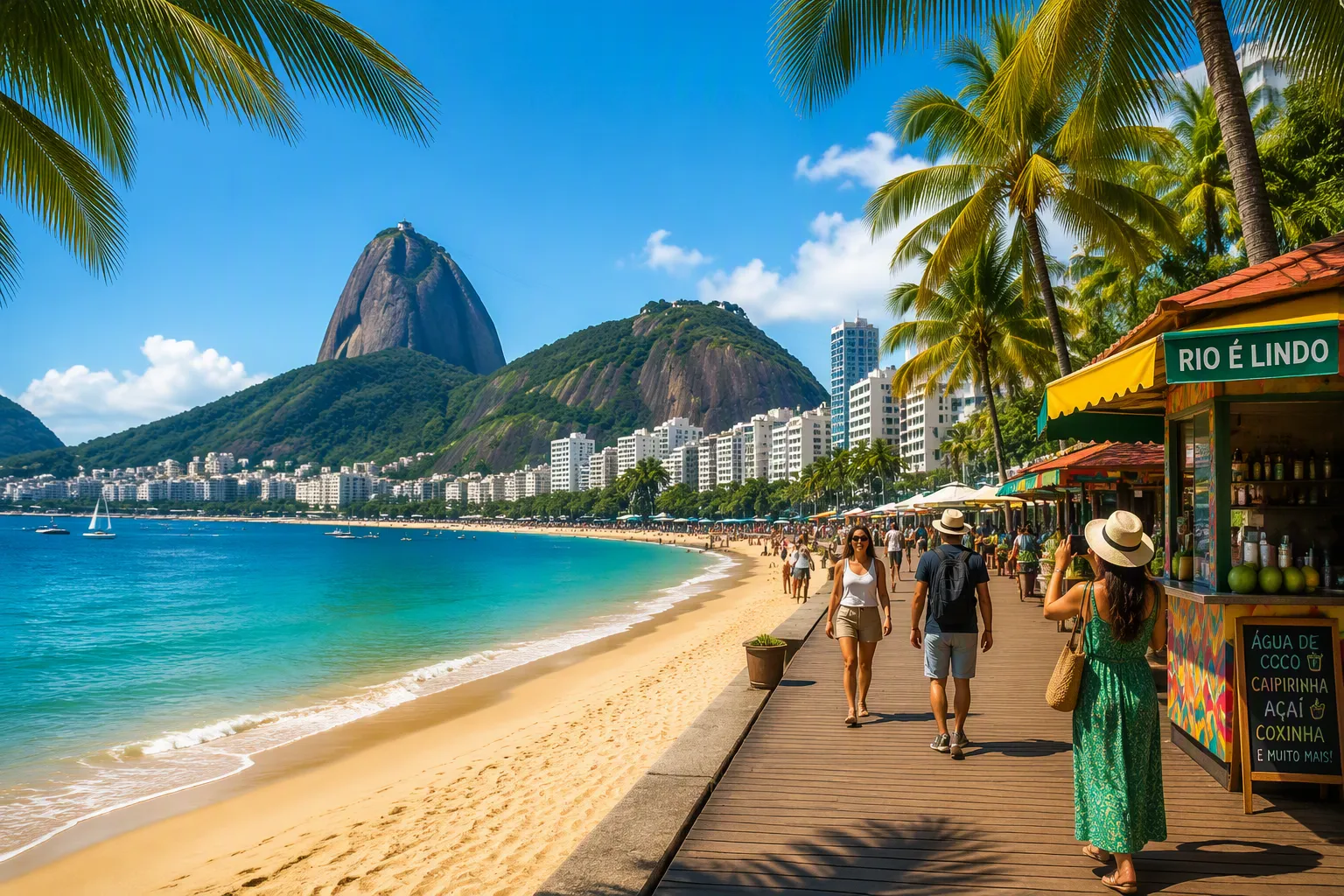
Copacabana and Ipanema show what a perfect beach day in Rio is like. Copacabana is full of energy all day. Vendors sell on the sand, beach bars stay open late, and the walkway stays busy. Ipanema is a little quieter. Police are clearly present in both areas during the day.
When you go changes your experience. From November to February, days are longest and nightlife is most active. March to May has warm weather, fewer people, and cheaper prices. Mid-April to November is a nice low season. Humidity goes down, skies are clear, and temperatures are about 20 to 25°C. That is warm enough for beach days and water sports.
Safety is important. Theft and pickpocketing are the biggest issues on Rio’s beaches. Keep your valuables locked in your hotel room. Do not leave your things alone, even for a short time. Go with a group so someone can watch items while others swim. Stay away from the beaches after dark. Stay in the South Zone to be near the beach and have better security. Use rideshare or official taxis at night.
Hidden Gems: Jericoacoara and Fernando de Noronha
Jericoacoara is in the northeast. You get there by a rough road that keeps many tourists away. But it is worth the trip. Kite surfing attracts people from all over the world. Local teachers are good with beginners. A buggy tour takes you over sand dunes, lagoons, and nearby beaches. Watch the sunset from the dunes. That evening event brings locals and visitors together. Nightlife has forró dancing on Sundays and live samba on Fridays.
Fernando de Noronha is even more remote. This island group limits visitors to 132,000 per year, or 11,000 per month. In 2025, about 139,900 people came. So demand is higher than the limit. Costs also add up. The TPA environmental tax is R$105.79 per day in 2026. National park tickets cost R$192 for Brazilians and R$384 for non-Brazilians. Each ticket is good for 10 days. Snorkeling is the top activity here. The clear water and sea life make every swim special.
Both places are worth planning for. Book flights and places to stay early, especially in high season. These two beaches are among the best in the world. They show how different this coastline really is.
Coastal Cities in Brazil Worth Exploring
Brazil’s coastal cities pulse with life. Each one offers a different mix of history, music, food, and natural beauty. You can find world-class art, colonial streets, and unforgettable parties along this coastline. The cities here are not just stops on a map. They are destinations that shape your whole trip.
Rio de Janeiro: Beaches and Culture
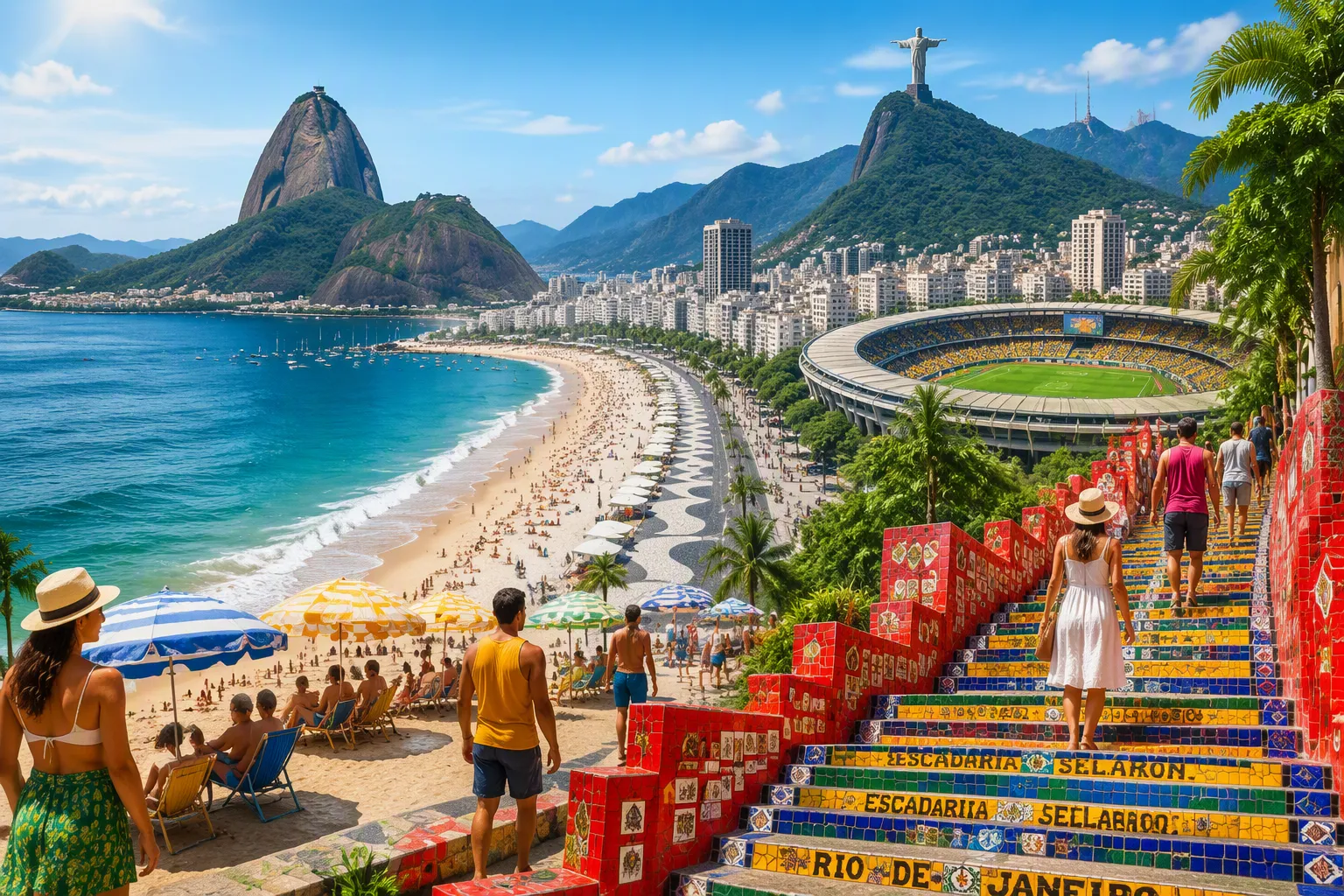
Rio de Janeiro earns its nickname, marvelous city. The city blends stunning landscapes with a rich beach culture. You can ride a cable car up Sugarloaf Mountain for iconic views, especially at sunset. Christ the Redeemer watches over the city from Corcovado. These landmarks sit close to famous beaches like Copacabana and Ipanema.
The best things to do in Rio go beyond sightseeing. You can visit Mirante Dona Marta for panoramic sunrise views facing Sugarloaf, with no hiking required. The Escadaria Selarón, a colorful tiled staircase, draws people for photos, drinks, and dancing. A free Lapa walking tour covers historic spots like Colombo Bakery, the Municipal Theater, and the National Library. Sports fans can catch a Flamengo or Fluminense football match for pure Brazilian energy. For samba lovers, Pedra do Sal hosts Monday night parties with live music and street food. Samba City offers a backstage tour of Carnaval preparations, where you can see floats, costumes, and even try on outfits.
Safety matters in Rio. The table below shows key precautions for different areas.
| Safety Category | Precaution |
|---|---|
| Beach (Ipanema & Copacabana) | Bring nothing you cannot afford to lose; phone snatches from towels are the most common tourist incident. Carry only cash and a card in a waterproof pouch worn in the water. Leave phone, camera, and bag at the hotel. Early mornings are lower risk. |
| Areas to Avoid | Skip Zona Norte and Zona Oeste entirely. Centro Histórico is fine during weekday business hours but becomes risky after 6pm. Lapa requires extra awareness at night. All Zona Sul areas require attention to valuables. |
| Transportation | Uber is the safest and most practical option. Never accept rides from anyone approaching you at the airport or outside a restaurant. |
| Common Scams | Stay polite and move on if a friendly stranger demands money. Confirm the taxi meter is running before the car moves. Ask before accepting unordered items at restaurants. |
| If Something Goes Wrong | Comply if robbed. Go to DEAT (tourist police) at Rua Voluntarios da Patria, 190, Botafogo. Emergency numbers: Police 190, Ambulance 192, Fire 193. |
Here are some practical tips for your Rio visit. Dress casually and avoid flashy jewelry. Keep your phone in an anti-theft money belt under your clothing in crowded places. When you must use your phone, step inside a shop or restaurant. Do not stand on the pavement close to flowing traffic. If you visit for Carnival, consider bringing a burner phone with essential apps. When buying travel insurance, get the add-on for electronics theft.
Salvador and Recife: Historic Coastal Cities
Salvador sits at the heart of Afro-Brazilian culture. The city pulses with drum beats, axé energy, and the flavors of moqueca. You can feel the African influence in everything from music to coastal cuisine. The Pelourinho district offers colonial architecture, colorful streets, and African-inspired handicrafts. Visit early mornings on weekdays for a quieter experience. The Museu Afro-Brasileiro displays religious artifacts, traditional costumes, and historical documents. Casa do Benin showcases Yoruba culture and Candomblé traditions, though tours fill up quickly.
Salvador hosts vibrant festivals throughout the year. Carnival celebrations run February to March. The Festa de Iemanjá takes place on February 2. Lavagem do Bonfim happens on the second Thursday of January. Festas Juninas peak on June 23–24. Réveillon brings New Year’s Eve celebrations on December 31.
Recife and nearby Olinda shine with frevo music and dance. Their Carnaval festivities rank among the liveliest in Brazil, including the famous Galo da Madrugada. The northeast coast carries a unique cultural flavor you will not find elsewhere. Festas Juninas also peak here on June 23–24.
If you travel the coast from Fortaleza to Salvador, you will pass through some of the best places to visit in Brazil. Each city adds its own rhythm to your journey. The mix of colonial history, African heritage, and modern energy makes this stretch unforgettable.
Exploring the Northeast Coast and Beyond
Lençóis Maranhenses and the Amazon Delta
Lençóis Maranhenses looks like a desert full of water. From May to September, rain fills the dunes with clear lagoons. You can swim in them under bright skies. This is high season, so book your stay early in Barreirinhas or Atins. May and September offer fewer crowds and better prices. Fly into São Luís Airport, then take a bus or transfer to the gateway towns. Plan at least 3–5 days to explore the park with a guide.
The Amazon Delta is a vast water world you can see from space. You can canoe through flooded forests and hike jungle trails. The Marajo Archipelago holds about 2,500 islands, and bird lovers spot around 540 species. Local families live in wooden stilt houses and fish for a living. A short jungle walk teaches you about native plants and animals.
Costa Verde: Rainforest and Beach Towns
The Costa Verde stretches 325 miles between the Atlantic Forest and emerald water. This coastline hides nearly 400 islands and quiet beaches. Paraty is the favorite town here, with UNESCO colonial streets and car-free lanes. You can use it as a base for schooner trips and island tours.
Driving from São Paulo along this southeast coast makes a great road trip. You pass rainforest, fishing villages, and calm bays the whole way. Other stops include Ilha Grande and Angra dos Reis. Farther north, the Maraú Peninsula and its quiet beaches reward travelers who want a slower pace. The Maraú Peninsula sits near Morro Branco and Canoa Quebrada, two spots known for cliffs and dunes. These are some of the best places to visit if you love nature. This brazil coastline mixes jungle, sand, and sea in a way few places can match.
Plan Your Travel to Brazil Coast
Getting Around: Road Trips and Flights
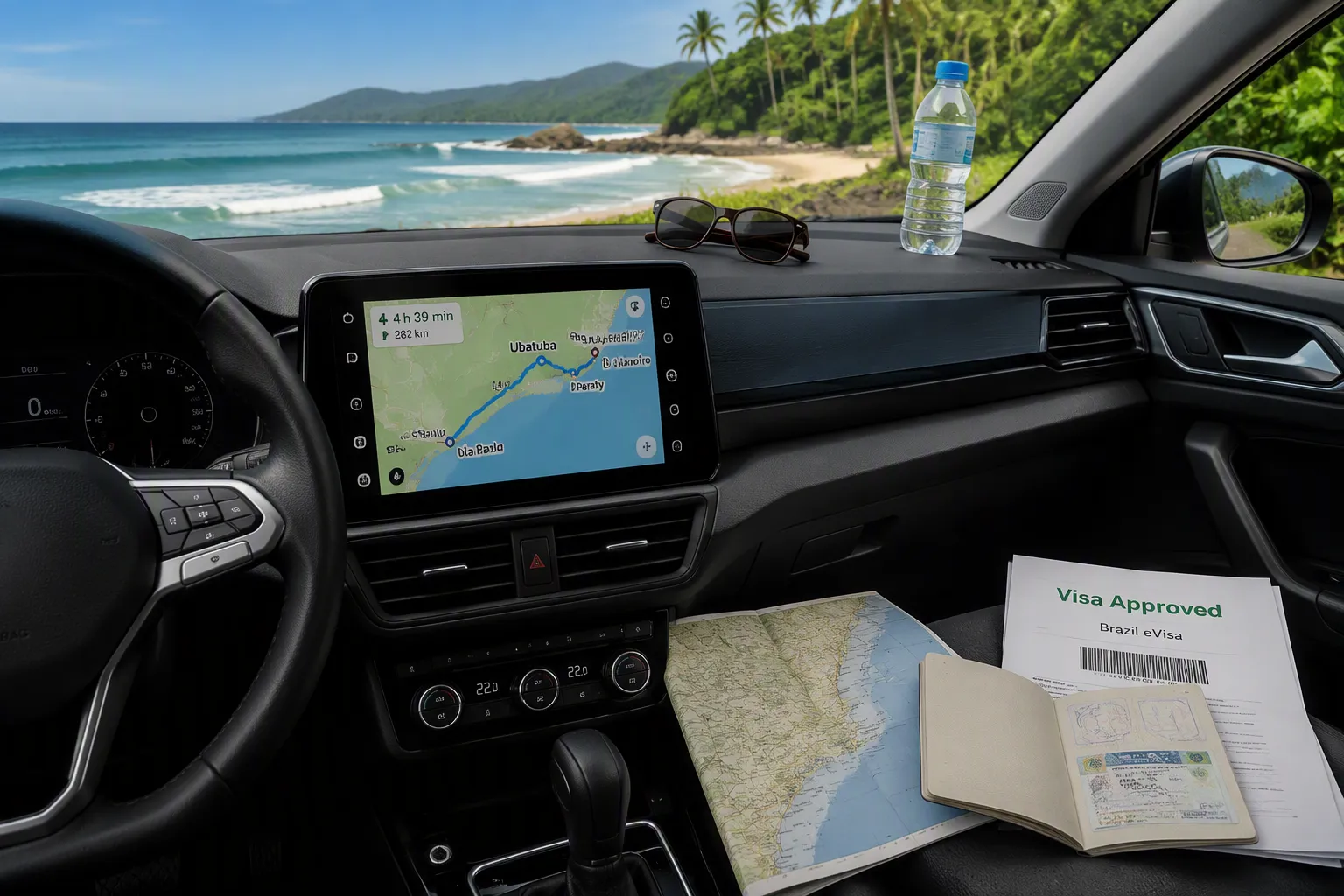
There are two main ways to travel along the coast. Driving gives you freedom, while flying saves time. A road trip from São Paulo to Paraty stops in Ubatuba first. In Ubatuba, you can swim in the ocean, relax on the beach, and surf at Itamambuca Beach. Next is Paraty, which has cobblestone streets, restaurants, and great snorkeling. Then you arrive in Rio de Janeiro to see Copacabana and Sugarloaf Mountain.
Renting a car is a good choice for this route. Book online early during busy seasons. You need a valid driver’s license from your home country, and an International Driving Permit is helpful. Drivers usually must be 21 with two years of experience. Some companies charge more for drivers under 25. In Brazil, people drive on the right side, and the steering wheel is on the left. Check the car before you leave. Fill the tank before returning it to avoid extra fees.
Flights link major cities like Rio, Salvador, and Recife quickly. This works well for travelers with tight schedules. For camping on the coast, look for simple tent spots near the beach during the day. Ask a nearby business for permission first.
Visa Requirements and Safety Tips
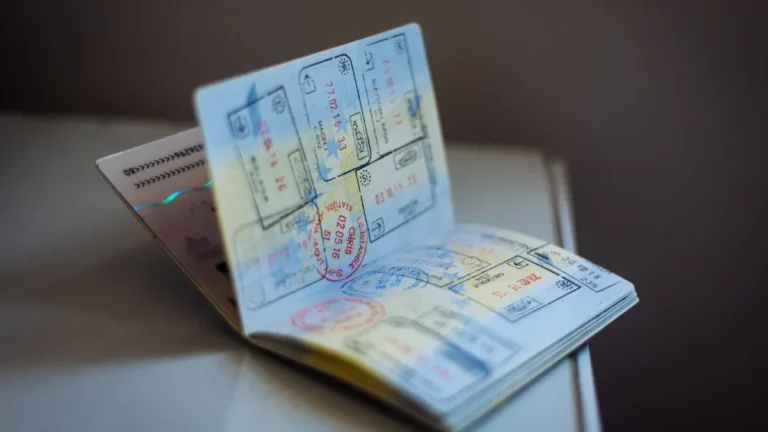
People from the US, Canada, and Australia now need a visa. Brazil ended the visa exemption through Decree no. 11,982, starting April 10, 2025. Apply for an electronic visit visa online. The fee is USD 80.90, and it takes about 5 business days to process. Send your application at least 15 days before you travel. Print the approved PDF and show it when you board.
The State Department’s safety level for Brazil is 2, which means “Exercise Increased Caution.”
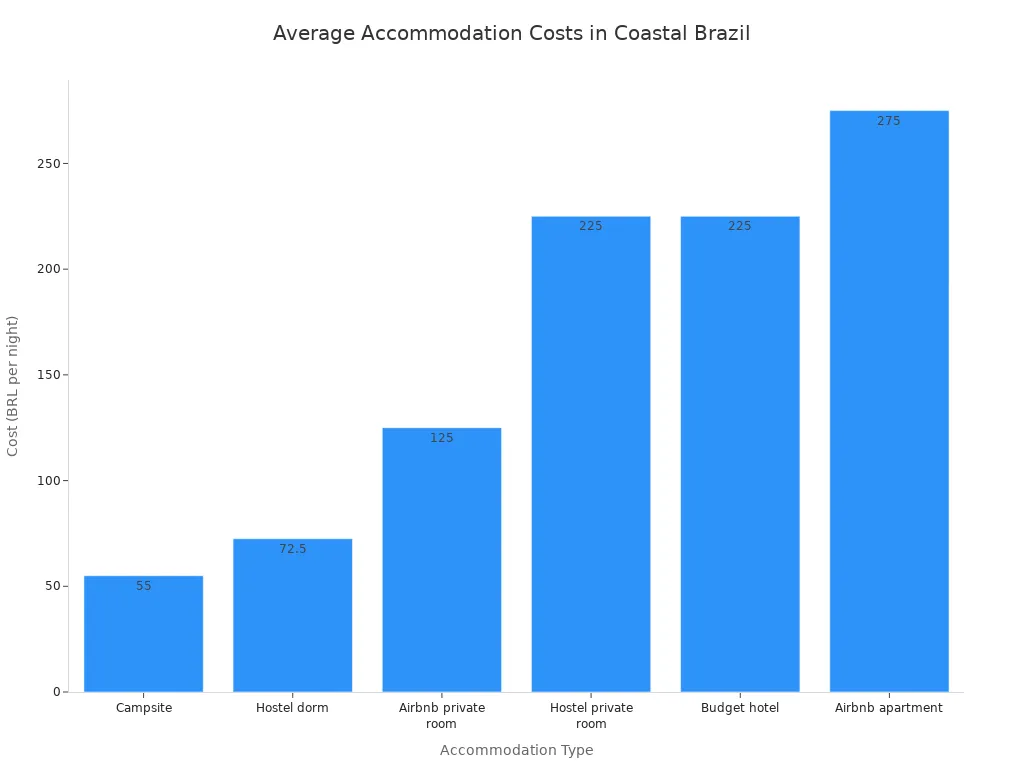
A kidnapping risk warning is in effect. Stay away from favelas and informal housing areas at all times. Avoid Brasilia’s satellite cities after dark. These travel tips help keep you safer. For your budget, backpackers spend about 215 BRL a day, while midrange travelers spend around 420 BRL. Fernando de Noronha costs twice as much. Use maps and exchange rate tools to plan ahead. These tips help your Brazil travel budget stay on track.
You now understand what the Brazil coast gives you. You saw the famous beaches in Rio, the deep culture of Salvador and Recife, and wild spots like Lençóis Maranhenses. This coast has something for all types of travelers.
Do you want busy nightlife, calm dunes, or a road trip through rainforest? Your perfect trip is waiting for you. Start planning your travel to Brazil coast today. First, check your visa and safety rules. Then book a trip that mixes beaches, cities, and nature. Your amazing Brazilian trip starts now.
FAQ
Do I need a visa for the Brazil coast?
Yes, if you come from the US, Canada, or Australia. Brazil ended the visa exemption starting April 10, 2025. Apply for an electronic visit visa online. The fee is USD 80.90. Processing takes about 5 business days. Send your application at least 15 days before you travel.
When is the best time to visit the Brazil coast?
It depends on your goals. November to February brings the longest days and busiest nightlife. March to May offers warm weather, fewer crowds, and lower prices. Mid-April to November has clear skies and temperatures around 20 to 25°C. That works well for beach days and water sports.
Is the Brazil coast safe for tourists?
Safety varies by area. Rio’s beaches see pickpocketing, so leave valuables at your hotel. The State Department rates Brazil at level 2, which means “Exercise Increased Caution.” Stay away from favelas and informal housing areas. Use Uber or official taxis at night. The tourist police (DEAT) can help if something goes wrong.
What makes the Brazil coast different from other beach destinations?
You get 7,491 km of coastline and about 2,095 beaches. That range covers lively urban sands like Copacabana and remote islands like Fernando de Noronha. The culture shifts from region to region. You can find colonial towns, Afro-Brazilian festivals, rainforest, and dunes all along one coast.