Do you dream of standing atop a mountain, gazing at breathtaking views? You might think mountain climbing is only for seasoned adventurers, but that’s a common misconception! Many accessible beginner mountains offer incredible experiences. We define “beginner-friendly” as mountains with a well-marked trail, moderate elevation gain, and no need for technical skills. Even a simple hike helps you explore emotions, build self-belief, and manage fear, much like therapeutic climbing. These experiences foster a positive body image and can even reduce depressive symptoms. This guide will help beginner hikers find their first memorable mountain experiences in the US. Remember, preparation and safety are key for any climb.
Key Takeaways
Many mountains in the US are good for beginners. They have clear paths and are not too steep.
Always plan your trip. Tell someone where you are going and pack important gear like a first-aid kit and extra water.
Safety is very important on the trail. Check the weather and know when to turn back if needed.
Prepare your body for hiking. Do exercises that make your legs and core strong.
Protect nature by staying on paths and taking all your trash with you.
Northeast: Easy Mountains to Climb
Before you tackle these easy mountains to climb in the Northeast, know that mountain weather here is moody. When it’s bad, it’s really bad. You will face:
Heat and humidity, with summer temperatures averaging mid to upper 80s.
Tick and chigger season, requiring caution on grassy ledges and potentially harmful bug repellents.
Mount Major, New Hampshire
Mount Major offers a great easy hike for beginners. You will find it in Alton Bay. The summit sits at 1,786 feet. You can choose from a few popular routes:
Route Name | Distance | Elevation (feet) | Difficulty |
|---|---|---|---|
Boulder Loop Trail to Brook Trail | 3.8 miles | 1,150 | Moderate |
Main Trail to Brook Trail | 3.6 miles | 1,150 | Moderate |
Jesus Valley/Beaver Pond Trail to Boulder Trail | 4.6 miles | 1,259 | Moderate |
Overall, expect a distance of about 3.7 miles with an elevation gain of 1,162 feet. The best time to climb is spring through fall. You will get amazing views of Lake Winnipesaukee from the top.
Mount Pierce, New Hampshire
Mount Pierce is another fantastic option in the White Mountains. Its elevation is 4,310 feet. A typical round trip covers 6.2 to 6.4 miles. You will gain about 2,400 feet from the parking area to the summit. The best time to climb is from late spring through early fall, specifically May through October. July and August offer the most stable conditions.
Trail Name | Miles | Elevation Gain | Time |
|---|---|---|---|
Mount Pierce via Crawford Path | 5.9 | 2,398 ft | 4+ hours |
Mount Eisenhower, New Hampshire
You will need a White Mountain National Forest parking pass for Mount Eisenhower. You can buy an annual pass or pay a $3 daily fee at the self-service station. This beginner mountains offers a rewarding experience.
Attribute | Value |
|---|---|
Elevation | 4760 feet |
Distance | 10.6 miles |
Elevation Gain | 3150 feet |
You will find it near Bretton Woods. The best time to climb is summer and early fall. You get incredible 360-degree views of the Presidential Range.
Mount Tammany, New Jersey
Mount Tammany gives you stunning views of the Delaware Water Gap. This scenic hike offers breathtaking overlooks and diverse wildlife. The loop trail covers about 3.5 miles. You will experience an elevation gain of around 1,200 feet. The Mount Tammany trail itself is a great experience. You can see Mount Minsi on your way up. A spur near the summit leads to an Instagram-famous lookout point. It provides expansive views across the Delaware Water Gap.
Western US: Top Beginner Mountains
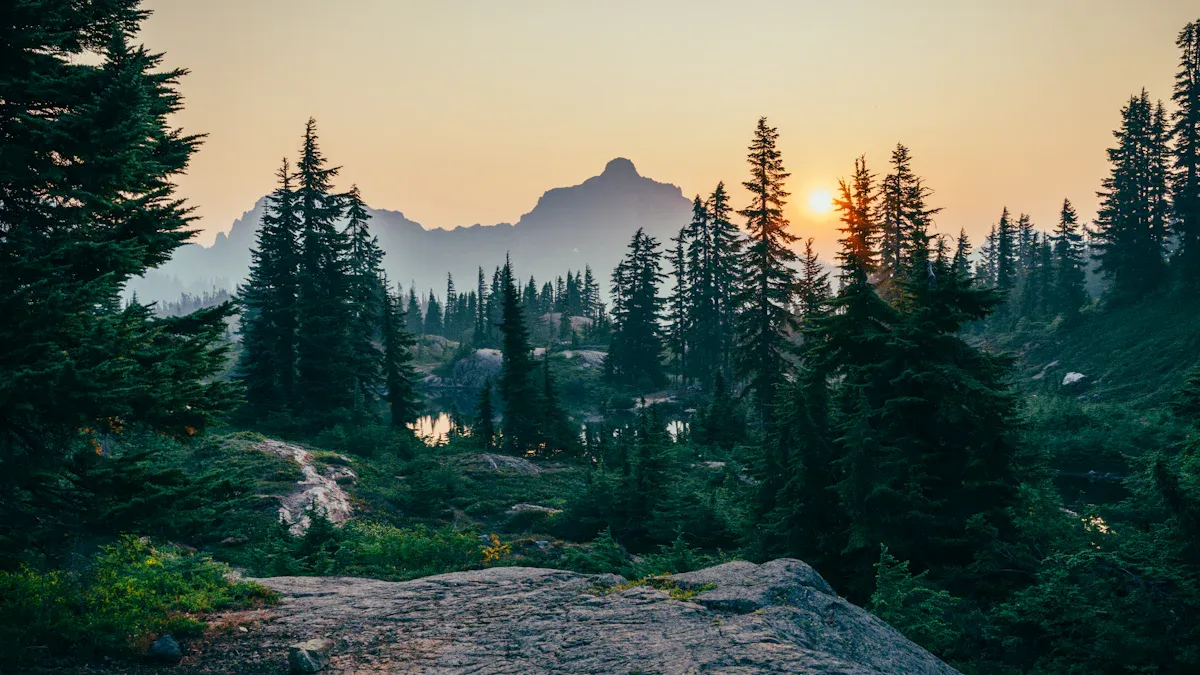
The Western US offers some truly spectacular landscapes. You can find many accessible beginner mountains here. These easy mountains to climb give you iconic views without needing advanced skills. Get ready to explore some of the best peaks in the United States.
Mount Sanitas, Colorado
First, head to Boulder, Colorado, for Mount Sanitas. This is an easy hike with great rewards. The summit sits at 6,811 feet. You will cover about 3.62 miles with an elevation gain of 1,289 feet. The Mount Sanitas Trail ascent alone is 1.2 miles with 1,300 feet of vertical gain. You have a few popular routes to choose from:
Metric | Value |
|---|---|
Elevation | 6,811 feet |
Distance | 3.62 miles |
Elevation Gain | 1,289 feet |
Mount Sanitas Trail
East Ridge Trail
Sanitas Valley Trail
Mount Elbert, Colorado
Next, consider Mount Elbert, Colorado. It is the highest peak in Colorado. Its summit reaches 14,440 feet. You can choose from a couple of main routes. The best time to hike is from mid-June to mid-September.
Metric | Northeast Ridge | South Mount Elbert Trail |
|---|---|---|
Mileage | 9 miles round trip | 11 miles round trip |
Elevation Gain | 4,700 feet | 5,100 feet |
Dog Mountain, Washington
In Washington, Dog Mountain offers stunning views of the Columbia River Gorge. This hike is popular, especially during wildflower season. The full loop covers about 6.9 miles with an elevation gain of 2,820 feet. The peak elevation is 2,948 feet. You need to know about permits. During the peak balsamroot bloom, usually April to June, permits are required on weekends. You can get one by riding a shuttle or buying it online. Also, you need a Northwest Forest Pass for parking at the trailhead year-round.
Angels Landing (Scout Lookout), Utah
Finally, visit Zion National Park in Utah for Angels Landing (Scout Lookout). This trail gives you incredible views. The round trip is about 4.97 miles (8 km) with an elevation gain of 1,630 feet (497 m). From Scout Lookout, you will see amazing sights.
Metric | Value |
|---|---|
Distance | 4.97 miles (return) |
Elevation Gain | 1,630 ft |
The Great White Throne and Cable Mountain across the valley.
Spectacular views down Refrigerator Canyon.
The road and Virgin River looking down from Scout Lookout.
Southern & Midwest Beginner Mountains
The Southern and Midwestern US offer unique landscapes for your first mountain adventures. You will find everything from lush forests to dramatic desert peaks. These regions provide excellent options for beginner mountains.
Brasstown Bald, Georgia
Brasstown Bald, Georgia, offers a fantastic experience for those new to mountain climbing. This peak stands at 4,784 feet. You can take the Brasstown Bald Summit Trail. It is only 1.1 miles long with an elevation gain of 390 feet. This makes it an easy walk to the top. For a bigger challenge, the Appalachian Trail offers a strenuous 9.63-mile route with 3,918 feet of gain.
Clingmans Dome, Tennessee/North Carolina
Next, explore Clingmans Dome, located on the border of Tennessee and North Carolina. It is the highest point in the Great Smoky Mountains at 6,643 feet. You can enjoy a paved hike to the observation tower. This walk is 0.5 miles one way, making it 1 mile round trip. You will gain 331 feet in elevation. For the best experience, visit on weekday mornings for fewer crowds. Clear, sunny afternoons give you stunning views. Even foggy days offer a unique, moody atmosphere.
Organ Mountains, New Mexico
In New Mexico, the Organ Mountains provide a dramatic backdrop. The highest point is Organ Needle, reaching 8,982 feet. You can enjoy many day hikes here. For example, Organ Mountain Peak is a 10.0-mile round trip with 4,066 feet of elevation gain. You do not need permits for most day hikes in the Organ Mountains-Desert Peaks National Monument. If you plan to camp, you will need reservations and permits.
Black Elk Peak, South Dakota
Finally, head to South Dakota for Black Elk Peak. This peak, formerly Harney Peak, is the highest point in the state at 7,242 feet. The most popular route starts from Sylvan Lake. This route is 6 miles roundtrip. You will gain about 1,550 feet in elevation. From the summit, you get awe-inspiring views. On clear days, you can see into Wyoming, Montana, and Nebraska.
Essential Mountain Climbing Tips
Planning Your Trip
Before you hit the trails, you need a good plan. Always tell someone your route and when you expect to be back. This is super important for your safety. You should also check your iron levels with a blood test before a big trip, especially if you plan to go to high altitudes. Drink plenty of water and avoid alcohol to help your body get used to the height. Test all your gear at home. Make sure your backpack fits well and wear your hiking boots to break them in. Download navigation apps like Gaia GPS or AllTrails on your phone. They work even without cell service.
Gear Checklist
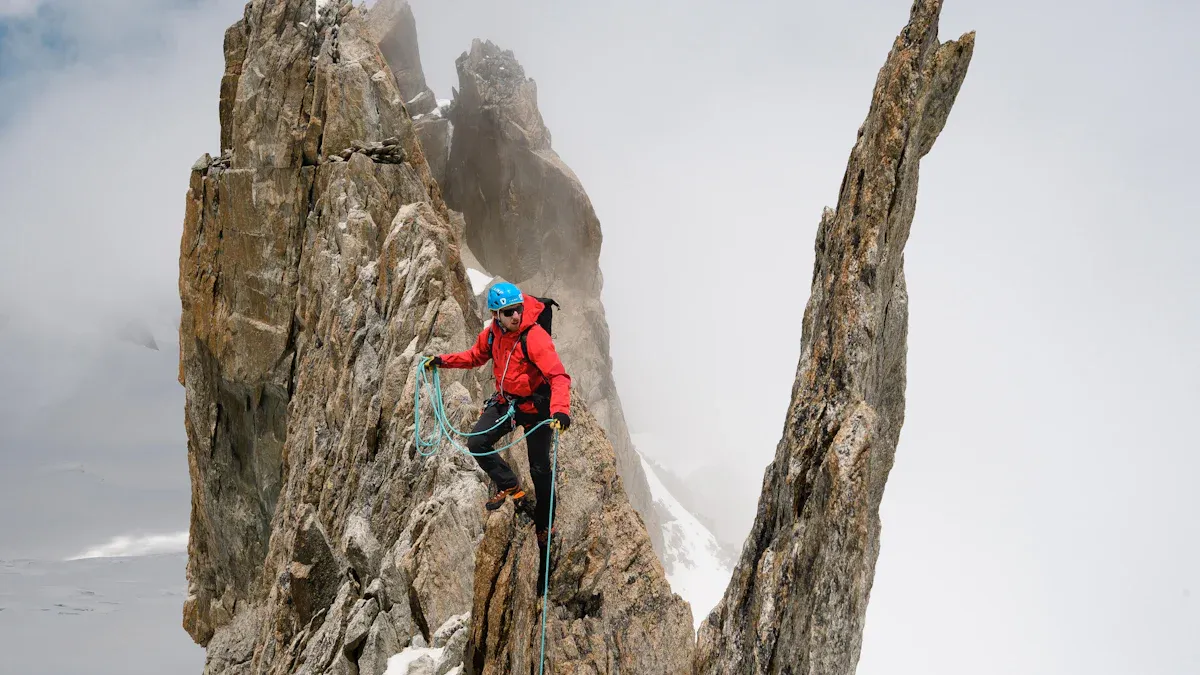
Packing the right gear keeps you safe and comfortable. Always carry the “10 Essentials.” These include navigation tools, a headlamp, sun protection like sunscreen and sunglasses, and a first-aid kit. Bring a knife, fire starter, and a lightweight emergency shelter. Pack extra food, water, and clothes. Think about layers: a base layer to wick sweat, a mid-layer for warmth, an insulating puffy jacket, and a waterproof shell. Don’t forget a helmet and a communication device like a satellite messenger for emergencies.
Safety on the Trail
Your safety comes first on any trail. Always check the weather forecast before you start. Mountain weather can change fast. If the weather gets bad, or you feel too tired, it’s okay to turn back. You should know basic first aid. If you get lost or hurt, stay calm. Call for help right away if you have cell service. If not, use a satellite device. Stay in one safe spot and wait for rescuers.
Environmental Responsibility
When you enjoy nature, you must protect it. Always follow “Leave No Trace” principles. Pack out everything you pack in, including all your trash. Stay on the well-marked trail to avoid damaging plants and soil. Be respectful of other hikers. If you are going downhill, let people coming uphill pass you. This helps everyone have a good time.
Physical Preparation
Getting your body ready makes your climb much easier. You need to build strength and endurance. Focus on exercises that work your legs, core, and shoulders. The “mountain climbers” exercise is a great full-body workout. Start in a plank position. Bring one knee to your chest, then switch legs quickly. This builds cardio and core strength. Practice carrying a heavy backpack to get used to the weight.
You now know that mountain climbing is for everyone! Many beginner mountains across the US offer amazing views and rewarding experiences. Remember to start small, prepare well, and always respect nature. Take that first step onto a trail. You will find joy and personal growth with every climb. Go explore these trails and share your adventures!