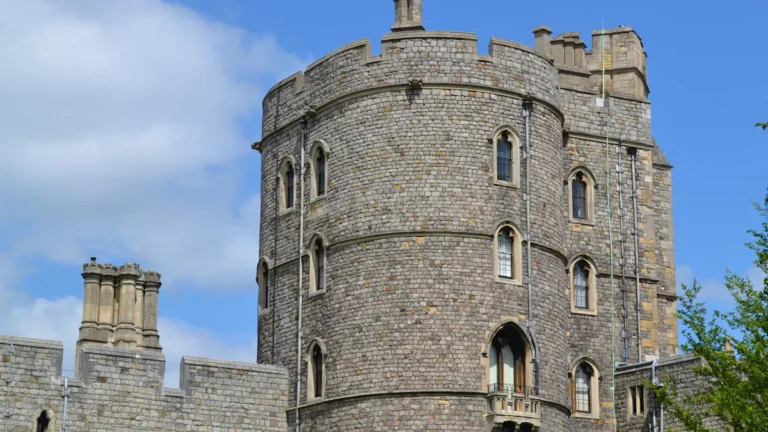
Oʻahu offers a captivating blend of history and culture that shapes its identity today. Understanding the island’s past reveals how diverse influences have woven together to create a rich tapestry of traditions and practices. From the arrival of foreign settlers in the late 1700s, which led to a devastating decline of over 90% of the native population, to the illegal overthrow of the Hawaiian Kingdom in 1893, Oʻahu’s history is marked by significant events. Today, you can experience this vibrant culture, where a remarkable 76% chance exists that two randomly chosen residents belong to different racial or ethnic groups.
Key Takeaways
Oʻahu’s history is shaped by diverse influences, from early Polynesian settlers to European contact, creating a rich cultural tapestry.
Kamehameha I’s conquest in 1795 unified the Hawaiian Islands, establishing the Hawaiian Kingdom and transforming governance and society.
Immigrant laborers significantly contributed to Oʻahu’s economy and culture, enriching local traditions and culinary practices.
Cultural landmarks like ʻIolani Palace and Kūkaniloko Birthstone State Monument reflect Oʻahu’s unique heritage and history.
Visitors can help preserve Oʻahu’s culture by participating in local festivals and respecting cultural sites, fostering a deeper understanding of its traditions.
Polynesian History
Early Settlements
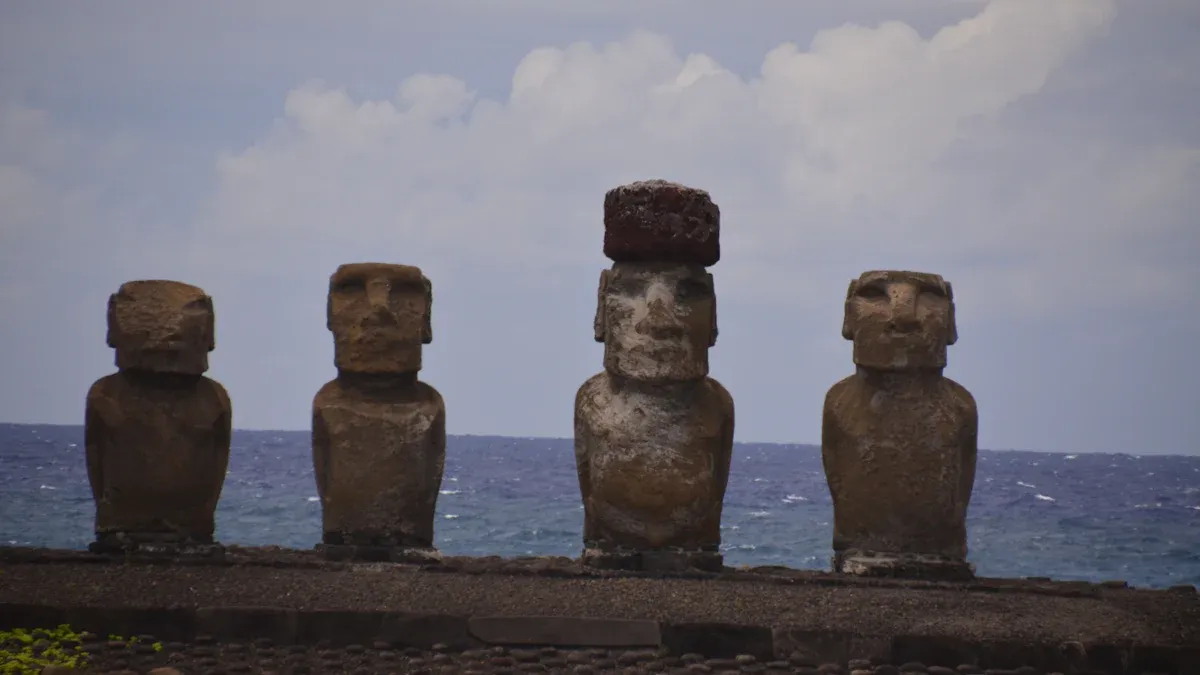
Around 500 CE, early Tahitian settlers arrived on Oʻahu, likely coming from the Marquesas Islands, particularly Hiva ‘Oa. Archaeologists suggest that these settlers established permanent communities in the windward areas of Oʻahu between A.D. 300s and 600s. Favorable agricultural conditions supported their growth. The Hawaiian language shows significant similarities to the dialects of Hiva ‘Oa, indicating a strong cultural connection.
You can see how oral histories and traditional stories reveal the significance of locations like Kāneʻohe Bay and Kualoa. These narratives document the interconnectedness of the community through the extended family system, known as ‘ohana. They highlight the importance of agriculture, fishing, and religious practices in shaping settlement patterns. Kualoa served as a ceremonial landing place for early settlers and became a refuge where chiefs forgave transgressions, showcasing its cultural importance in Hawaiian history.
Cultural Practices
The cultural practices of early Polynesian settlers on Oʻahu reflect their deep connection to the land and community. Here are some key aspects of their culture:
Storytelling: This vital practice connects natives to their heritage and environment.
Traditional Arts: Forms like Hula and mele serve to tell stories and preserve history.
Community Practices: Activities such as loʻi kalo (taro farming), fishing, and canoe building emphasize their bond with nature.
Religion played a significant role in shaping these cultural practices. Early Hawaiian spirituality connected deeply with natural forces like tides and volcanic activity. Major deities, including Kāne (god of the sky), Kū (god of war), Lono (god of peace), and Kanaloa (god of the ocean), influenced daily life and rituals. The belief in a harmonious relationship with nature guided their actions and community values.
The concepts of ‘ohana (family) and Aloha, which embodies love, peace, and compassion, remain central to Hawaiian culture today. Hula performances and mele have transformed from rituals into art forms that unite Hawaiians. Efforts to revitalize the Hawaiian language, ʻŌlelo Hawaiʻi, over the past 50 years reflect a commitment to preserving this rich cultural heritage.
European Contact and History
First Encounters
In 1778, Captain James Cook became the first European to encounter the Hawaiian Islands during his third voyage. He sighted Oʻahu on January 18 and landed at Kauai shortly after. Initially, Cook’s visit involved exploration and curiosity. However, tensions escalated during his return in January 1779, leading to a violent confrontation at Kealakekua Bay. This incident marked a significant moment in the history of Oʻahu, illustrating the complex dynamics between European explorers and native Hawaiians.
Cultural Impact
The arrival of Europeans brought profound changes to the native population and social structure of Oʻahu. The introduction of new material goods, such as iron tools and firearms, transformed traditional technologies and warfare. You would notice that the shift from a subsistence economy to a barter system altered economic interactions. The new concepts of property rights changed land use and social structures.
The arrival of Captain Cook in 1778 and subsequent visitations by Europeans introduced a myriad of new material goods and concepts, as well as problems. New, unknown diseases and a declining birth rate would decimate a once healthy population. The nation’s economic base would shift from a subsistence economy to a barter system, and the rising importance placed on the acquisition of Western goods would redefine social interactions and the culture’s value system.
The overthrow of the kapu system dismantled existing social regulations. This change led to a reconfiguration of social relationships among the native Hawaiians. Additionally, the arrival of missionaries facilitated the conversion to Christianity, further influencing cultural practices. These transformations reshaped the identity of the Hawaiian people and their way of life, leaving a lasting impact on the history and culture of Oʻahu.
The Monarchy Era in Oʻahu
Kamehameha I’s Conquest
In 1795, Kamehameha I completed his conquest of Oʻahu, unifying the Hawaiian Islands under one rule. This event marked the establishment of the Hawaiian Kingdom, a significant political change in the region. The conquest transformed ancient Hawaiian society into a constitutional monarchy. You can see how this shift altered governance and social structures across the islands.
Here are some key consequences of Kamehameha I’s conquest:
Consequence | Description |
|---|---|
Establishment of the Hawaiian Kingdom | Kamehameha I established the Hawaiian Kingdom in 1795, marking a significant political change. |
Transformation of Society | Ancient Hawaiian society was transformed into a constitutional monarchy, altering governance. |
Cultural Changes | The unification led to significant changes in cultural practices as European influences increased. |
Changes in Society
After King Kamehameha I’s death in 1819, the Hawaiian Kingdom faced new challenges. His passing led to a shift in power dynamics, land tenure, and the administrative organization of the kingdom. The new government structure he established included appointing governors for each island. This change removed the autonomy of individual chiefs and helped unify commerce and communication.
Kamehameha’s death led to a shift in power dynamics, land tenure, and the administrative organization of the Hawaiian Kingdom. The new government structure he established, which included appointing governors for each island, removed the autonomy of individual chiefs and helped unify commerce and communication. This change in governance continued to shape the political landscape of Oʻahu after his death.
The monarchy era also influenced the architectural development of Oʻahu. You can see this in surviving structures like ʻIolani Palace, built in 1882. It stands as the only royal palace in the United States, showcasing a blend of Italian Renaissance and Hawaiian architectural motifs. Other notable sites include Aliʻiōlani Hale and the Bishop Museum, which reflect the historic richness of Hawaiian architecture during this period.
As you explore Oʻahu, remember that the legacy of Kamehameha I and the monarchy era continues to shape the culture and traditions of the islands today.
Modern Oʻahu and Cultural Influences
Immigrant Contributions
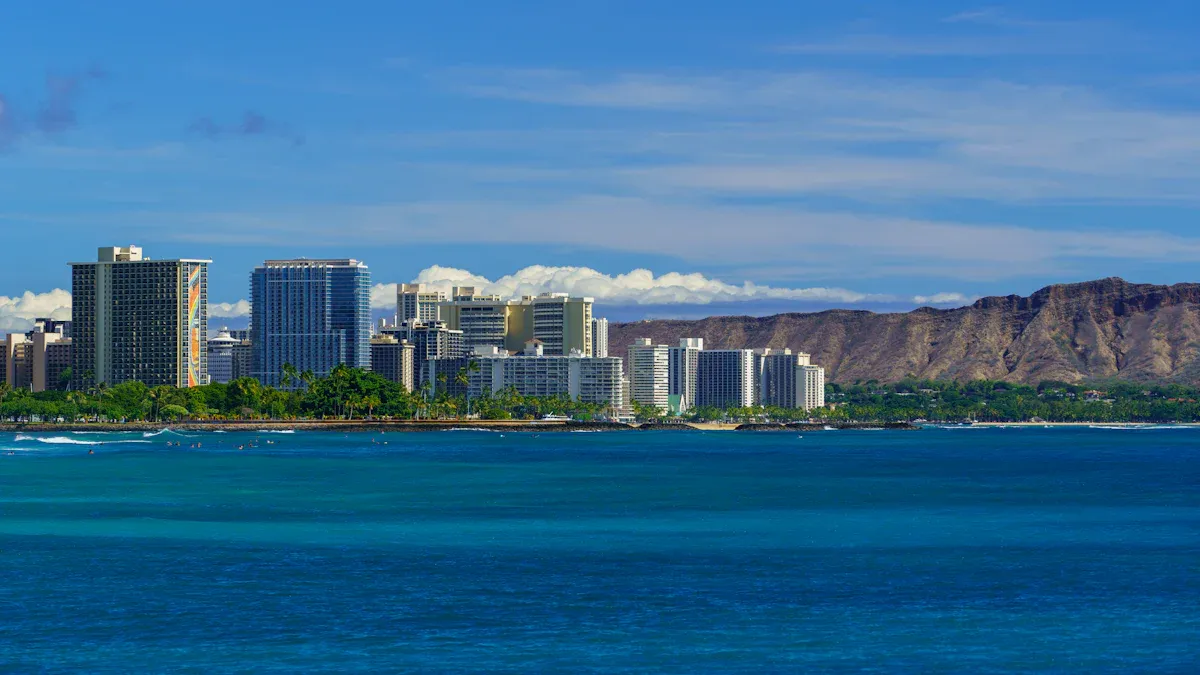
Immigrant laborers have played a crucial role in shaping the culture and economy of Oʻahu. The sugar industry, which dominated the economy in the 19th and early 20th centuries, relied heavily on these workers. By 1870, five major plantations, known as the Big Five, emerged as economic powerhouses. They depended on imported labor from Asia due to the drastic decline of the native population.
Between 1885 and 1894, around 29,000 Japanese immigrants arrived as contract workers, becoming the largest ethnic group on the islands. Over 200,000 Japanese immigrants came to Hawaiʻi as plantation laborers between 1885 and 1924. Chinese laborers were the first significant immigrant group, numbering more than 50,000 between 1852 and 1887. Their contributions helped establish communities and enrich local culture.
You can see the impact of these immigrant groups in various sectors today. For instance, immigrants fill 46% of jobs in tourism and 37% in crop production. They also comprise 46% of cooks and 45% of bakers in Hawaii’s food industry. This diverse workforce has created a unique blend of culinary traditions, combining Hawaiian dishes with flavors from Japan, China, Korea, and the Philippines.
The cultural landscape of Oʻahu reflects this rich tapestry of influences. Different immigrant groups have contributed to the evolution of Oʻahu’s cultural identity. Here’s a summary of their contributions:
Immigrant Group | Contributions to Cultural Landscape | Key Characteristics |
|---|---|---|
Japanese | Established strong cultural ties and traditions | Family structure, generational roles |
Chinese | Created thriving communities like Honolulu’s Chinatown | Emotional expression, stereotypes |
Filipino | Introduced new agricultural practices and culinary traditions | Blending into Hawai‘i’s society |
Cultural Landmarks
Oʻahu is home to many significant cultural landmarks that reflect its diverse history. These sites tell the story of the island’s past and its multicultural heritage. Here are some of the most visited cultural landmarks:
ʻIolani Palace: Built in 1882, this palace provides insight into the Hawaiian monarchy and efforts to preserve sovereignty. It is the only royal palace on American soil and served as the residence of the Hawaiian monarchy until 1893.
Kūkaniloko Birthstone State Monument: This site is significant for its historical use as a royal birthsite. It features approximately 180 lava-rock stones believed to ease childbirth, showcasing the cultural beliefs surrounding this important life event.
The restoration of ʻIolani Palace to its original beauty and the presence of significant artifacts reflect the rich cultural heritage of Hawaii. Each site carries profound significance that demands respectful visiting.
Oʻahu also hosts numerous cultural festivals that celebrate its diverse traditions. Events like the Merrie Monarch Festival honor Hawaiian arts and hula, while the Aloha Festivals showcase the music and dance of the islands. These celebrations help to preserve the multifaceted history of Oʻahu and promote cultural understanding among residents and visitors alike.
As you explore Oʻahu, take the time to appreciate these cultural landmarks and the stories they tell. They serve as reminders of the island’s rich history and the ongoing efforts to celebrate and preserve its cultural heritage.
Oʻahu’s rich history and diverse cultural influences shape its identity today. Key events, such as the first contact with Europeans in 1778 and Kamehameha I’s unification of the islands in 1795, transformed the social and political landscape. The arrival of immigrants during the sugar plantation boom further enriched the island’s culture.
You can see how modern Oʻahu embraces its heritage while facing challenges in preservation. Efforts to maintain cultural traditions are vital for future generations. By visiting cultural landmarks and participating in local festivals, you contribute to the ongoing story of Oʻahu.
Remember, preserving Oʻahu’s unique heritage enhances visitor experiences and fosters a deeper understanding of its history.
FAQ
What is the significance of Kamehameha I’s conquest in 1795?
Kamehameha I’s conquest unified the Hawaiian Islands under one rule, establishing the Hawaiian Kingdom. This event marked a major political shift and transformed ancient Hawaiian society into a constitutional monarchy.
How did European contact affect native Hawaiian culture?
European contact introduced new goods, ideas, and diseases, drastically altering native Hawaiian culture. The shift from a subsistence economy to a barter system changed social structures and relationships among the Hawaiian people.
What role did immigrants play in shaping Oʻahu’s culture?
Immigrants significantly influenced Oʻahu’s culture, especially during the sugar plantation era. They brought diverse traditions, culinary practices, and community structures, enriching the island’s cultural landscape.
What are some important cultural landmarks in Oʻahu?
Key cultural landmarks include ʻIolani Palace, the only royal palace in the U.S., and Kūkaniloko Birthstone State Monument, a significant royal birth site. These sites reflect Oʻahu’s rich history and heritage.
How can visitors contribute to preserving Oʻahu’s culture?
Visitors can support cultural preservation by participating in local festivals, respecting cultural sites, and learning about Hawaiian traditions. Engaging with the community fosters understanding and appreciation of Oʻahu’s unique heritage.