When you plan your trip to Bali, timing is everything. You want to soak up the sun and enjoy the beautiful scenery, not get caught in heavy rain or massive crowds. Travel experts say that choosing the right time can make or break your experience. With over 5 million tourists visiting in the last year, knowing the worst time to travel can help you avoid disappointment.
Key Takeaways
Avoid traveling to Bali during the rainy season from December to February. Expect heavy rainfall, high humidity, and potential disruptions to outdoor plans.
Plan your trip around Nyepi Day, the Day of Silence, as it brings strict travel restrictions. Respect local customs to avoid fines and enjoy a unique cultural experience.
Travel during off-peak months like April-May or September-October for fewer crowds and better prices. Early morning or late evening visits to popular spots can also help you avoid the rush.
Worst Time to Travel Overview
Rainy Season
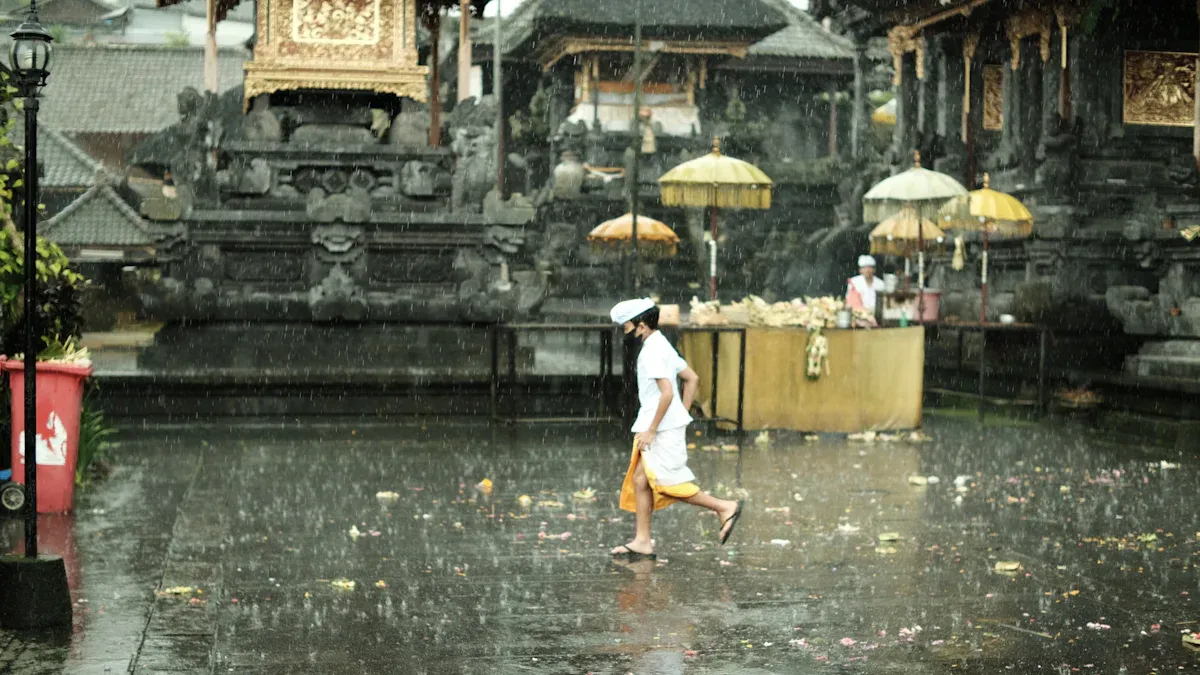
When you think about the worst time to travel to Bali, the rainy season stands out. This season runs from October to March, bringing heavy rainfall and high humidity. You might find that sudden rain showers can disrupt your plans. For example, if you plan to hike or visit outdoor attractions, you may want to schedule those activities for the morning. This way, you can avoid the afternoon downpours that often occur.
During the rainy season, you should also be aware of how the weather affects accessibility to popular tourist spots. Flooding can make some areas tricky to reach, especially in rural or mountainous regions. While major attractions like Tanah Lot and Ubud Monkey Forest usually remain open, you might need to adjust your itinerary. Here are some things to keep in mind:
Flooding can make access to some areas awkward, but the waters clear quickly after rain stops.
Trekking becomes more challenging due to mud and slippery conditions.
Popular attractions like temples and beach clubs typically reopen quickly after the rain.
Health and Safety Concerns
Traveling during Bali’s rainy season also brings health and safety concerns. The increased humidity can lead to fatigue and dehydration, making it essential to stay hydrated. Additionally, the rainy season sees a rise in mosquito activity, which can spread diseases like dengue fever and chikungunya. Here are some common health risks to consider:
Increased mosquito activity leading to diseases like dengue fever and chikungunya.
Higher humidity causing fatigue and dehydration.
Greater spread of viral infections in crowded indoor spaces.
Moreover, the annual monsoon season can lead to waterborne diseases, landslides, and flash floods. Recent reports indicate that heavy rains and flooding in Bali have resulted in fatalities and evacuations. This correlation between the rainy season and health risks is crucial for travelers to understand.
Bali’s tourism authorities work hard to keep you informed about weather and safety advisories. They use real-time monitoring systems and recommend following official channels for updates. By staying informed, you can navigate the rainy season more safely and enjoy your trip despite the challenges.
Worst Months for Travel
When planning your trip to Bali, you should pay close attention to the months of December, January, and February. These months mark the peak of the rainy season, and they can significantly impact your travel experience.
Month | Average Rainfall (inches) | Average Rainfall (mm) |
|---|---|---|
December | N/A | N/A |
January | 13.8 | 350 |
February | N/A | N/A |
January stands out as the rainiest month in Bali. During this time, you can expect heavy rainfall and high humidity. The temperatures typically range from 22°C to 31°C, which can make it feel muggy. Even though you might see 5-6 hours of sunshine daily, the frequent tropical downpours can disrupt your outdoor plans. Here are some things to keep in mind about January:
The rainy season peaks, leading to heavy rainfall and high humidity.
Outdoor activities like diving and snorkeling may be affected due to cloudy sea conditions.
Roads can become muddy and slippery, making transportation tricky.
Despite the rain, January is considered low season for tourism, meaning fewer crowds and potentially lower prices for accommodations and flights.
If you’re looking for a quieter experience, January might be appealing. However, be prepared for the weather challenges. Many travelers find that the rain can lead to unexpected changes in their plans.
In terms of costs, you’ll notice a significant drop in hotel and flight prices after the New Year. Here’s a quick look at how prices fluctuate during these months:
Service Category | Peak Season Premium | Off-Season Rate | Price Increase |
|---|---|---|---|
Accommodation | $70-225/night | $50-120/night | 1.4-2.3x increase |
Flight Tickets | $445-487 | $350 | 1.3-1.4x increase |
Restaurant Dining | $10-25/meal | $10-25/meal | No significant increase |
Tour Activities | $7-64/person | $7-64/person | 0-15% increase |
Transportation | $35-53/day | $33-50/day | 0-10% increase |
So, while January might be the worst time to travel due to the rain, it can also offer you a chance to enjoy Bali with fewer tourists and lower prices. Just remember to pack your rain gear and stay flexible with your plans!
Nyepi Day Impact

Nyepi Day, also known as the Day of Silence, holds great significance in Balinese culture. It marks the New Year in the Saka calendar and emphasizes quiet reflection and self-purification. This day symbolizes the purification of evil spirits and the maintenance of balance and harmony. You’ll notice that Nyepi fosters a deep sense of community among the Balinese people. Traditional rituals and ceremonies enhance their cultural identity, and you can engage with these customs to gain insights into Bali’s rich heritage.
However, if you plan to visit during Nyepi Day, be prepared for strict travel restrictions. Here’s a quick overview of what to expect:
Restriction Type | Details |
|---|---|
Airport Operations | The airport is completely closed, with no flights in or out. |
Transportation | Roads are empty, and all transportation is halted. |
Business Operations | Shops, restaurants, and beaches are off-limits. |
Outdoor Activities | No one is allowed outside, including tourists and non-Hindu residents. |
Noise and Entertainment | No lights, no entertainment, and minimal noise are permitted. |
Enforcement | Local security officers known as Pecalang patrol the streets. |
Exceptions | Only medical emergencies and women in labor are exceptions, as hospitals remain open. |
Violating these restrictions can lead to fines starting at 1 million rupiah (about $65 USD). Serious violations may even involve police intervention. Pecalang patrols monitor compliance, so it’s best to respect the local customs during this unique time.
If you’re considering the worst time to travel to Bali, keep Nyepi Day in mind. While it offers a fascinating glimpse into Balinese culture, it also comes with significant travel limitations.
Peak Holiday Overcrowding

Bali can get pretty crowded during peak holiday seasons. If you want to enjoy your trip without feeling overwhelmed, it’s good to know when these busy times occur. Here are some major holidays that lead to increased tourist activity:
High Season (July-August): Families from Europe and Australia flock to Bali during their summer break.
Holiday Season (December-January): Christmas and New Year’s celebrations draw in many visitors, making it a bustling time.
Local Festivals: Events like Galungan and Kuningan can also affect travel plans and access to attractions.
During these peak times, you might find hotels fully booked. For instance, the Meru Sanur hotel reached a staggering 98% occupancy during the Eid al-Fitr holiday. With so many tourists around, transportation can become a hassle. Expect longer wait times, especially in popular areas from 8-11 a.m. and 4-7 p.m.
To make the most of your trip, consider these tips for avoiding crowds:
Travel Off-Peak: Visit during shoulder seasons like April-May or September-October for a quieter experience.
Opt for Early Morning or Late Evening Visits: Popular spots are less crowded during these times.
Seek Less Popular Regions: Explore areas like North Bali (Lovina and Munduk) for a peaceful retreat.
Consider a Cruise: This allows you to access hidden gems away from the usual tourist paths.
By planning wisely, you can dodge the worst time to travel and enjoy Bali’s beauty without the crowds!
Choosing the right time to visit Bali can greatly enhance your experience. Remember these key points:
The rainy season runs from December to February, bringing high humidity and frequent storms.
You might find dirty beaches during these months, but fewer crowds and lower prices can be appealing.
Traveling during the dry season (May to September) offers better weather and a more authentic experience.
By planning wisely, you can avoid the worst time to travel and fully enjoy Bali’s beauty and culture!