
The best hiking shoes for arthritic feet combine cushioning, support, stable soles, and roomy toe boxes to reduce joint stress and improve balance. This list highlights seven solid options for 2026: Columbia Newton Ridge Plus, Joomra Trail Barefoot, Merrell Moab 2 Vent, Merrell Moab 3, Merrell Siren Edge 3, KEEN Targhee 3 Low, and Merrell Moab 3 Waterproof.
Each model offers different mixes of removable insoles, shanks, breathable or waterproof membranes, and fit choices to suit varied needs. Below are clear details and fit tips to help pick the right pair.
| Columbia Women’s Newton Ridge Plus Waterproof Hiking Boots |

| Best For Wet Trails | Upper Material: Full-grain leather + mesh bootie | Outsole / Sole Material: Rubber outsole | Breathability / Lining: Mesh tongue lining for breathability | VIEW LATEST PRICE | Read Our Analysis |
| Joomra Women’s Trail Barefoot Minimalist Running Shoes |
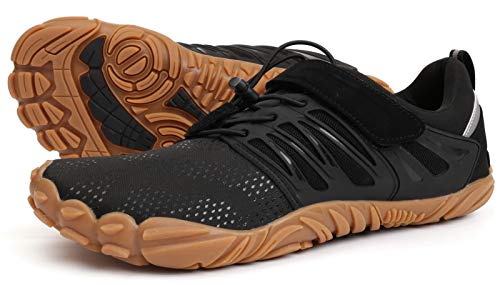
| Best Minimalist Option | Upper Material: Premium elastic fabric (textile upper) | Outsole / Sole Material: Rubber outsole | Breathability / Lining: Textile inner lining | VIEW LATEST PRICE | Read Our Analysis |
| Merrell Womens Moab 2 Vent |

| Best Breathable Choice | Upper Material: Suede leather + mesh | Outsole / Sole Material: Vibram sole | Breathability / Lining: Mesh (ventilated) lining | VIEW LATEST PRICE | Read Our Analysis |
| Merrell Women’s Moab 3 Hiking Shoes |

| Best All-Purpose Support | Upper Material: Pigskin leather + mesh | Outsole / Sole Material: Rubber sole | Breathability / Lining: 100% recycled mesh lining | VIEW LATEST PRICE | Read Our Analysis |
| Merrell Women’s Siren Edge 3 Shoes |

| Best Lightweight Comfort | Upper Material: Mesh + TPU | Outsole / Sole Material: Rubber sole | Breathability / Lining: Breathable mesh lining | VIEW LATEST PRICE | Read Our Analysis |
| KEEN Womens Targhee 3 Low Height WaterproofHiking Shoes |

| Best Toe-Space Fit | Upper Material: 100% fabric (textile) | Outsole / Sole Material: Rubber outsole | Breathability / Lining: Breathable fabric upper (KEEN.DRY membrane) | VIEW LATEST PRICE | Read Our Analysis |
| Merrell Women’s Moab 3 Waterproof Hiking Shoe |

| Best Waterproof Support | Upper Material: Pigskin leather + mesh | Outsole / Sole Material: Rubber (Vibram TC5+) | Breathability / Lining: 100% recycled mesh lining | VIEW LATEST PRICE | Read Our Analysis |
More Details on Our Top Picks
Columbia Women’s Newton Ridge Plus Waterproof Hiking Boots
I recommend the Columbia Newton Ridge Plus if you need sturdy, supportive boots that hold up on wet, uneven trails—its full-grain leather upper and lightweight cushioned midsole give reliable protection and high energy return, which helps reduce joint strain for arthritic feet. I find the waterproof construction and durable mesh lining keep feet dry and breathable on long hikes. The Omni-Grip rubber outsole and dual-zone winter tread supply confident traction on mud, ice, and rocky ground. Lace-up closure and ankle-height shaft let you dial in support, while the feminine styling keeps them versatile for trail and town use.
- Upper Material:Full-grain leather + mesh bootie
- Outsole / Sole Material:Rubber outsole
- Breathability / Lining:Mesh tongue lining for breathability
- Footbed / Insole (removable or contoured):Lightweight cushioning midsole (high energy return)
- Closure / Fit Adjustment:Lace-up closure
- Intended Outdoor Use / Traction:Trail hiking — Omni-Grip multi-terrain traction
- Additional Feature:Full-grain leather upper
- Additional Feature:Dual-zone winter tread
- Additional Feature:Feminine contrasting styling
Joomra Women’s Trail Barefoot Minimalist Running Shoes
If you’re looking for a minimalist trail shoe that eases forefoot pressure, I’d point you to the Joomra Women’s Trail Barefoot Minimalist Running Shoes — their removable insoles let me shift support away from the ball of the foot, which can really help if arthritis flares in the forefoot. I like the zero-drop, wide-toe-box design that encourages natural movement and toe splay without forcing my foot into a cramped position. The premium elastic upper and thicker topline hug my foot securely; drawstring plus Velcro fine-tunes fit. Rubber outsoles with circular lugs offer dependable traction, and a heel reflector boosts low-light safety.
- Upper Material:Premium elastic fabric (textile upper)
- Outsole / Sole Material:Rubber outsole
- Breathability / Lining:Textile inner lining
- Footbed / Insole (removable or contoured):Removable insole (arch support, redistributes pressure)
- Closure / Fit Adjustment:Drawstring + Velcro closure
- Intended Outdoor Use / Traction:Trail running/outdoor — rubber outsole with circular lug pattern
- Additional Feature:Zero-drop barefoot construction
- Additional Feature:Wide toe box
- Additional Feature:Reflective heel strip
Merrell Womens Moab 2 Vent
You’ll want the Merrell Womens Moab 2 Vent if you need a breathable, supportive hiking shoe that eases arthritic foot pain on long walks. I’ve found its leather and mesh upper keeps my feet cool while the Vibram outsole grips uneven terrain. The air cushion under the heel absorbs shock on hard surfaces, and the durable nylon arch shank gives reliable midfoot support so my arches don’t tire. It’s imported but built to last, balancing durability with ventilation. If you need stability, cushioning, and breathability in one package, this Moab 2 Vent delivers without unnecessary bulk.
- Upper Material:Suede leather + mesh
- Outsole / Sole Material:Vibram sole
- Breathability / Lining:Mesh (ventilated) lining
- Footbed / Insole (removable or contoured):Air cushion + durable nylon arch shank (insole support)
- Closure / Fit Adjustment:Traditional lace-up (implied)
- Intended Outdoor Use / Traction:Hiking — Vibram outsole for trail durability
- Additional Feature:Vibram outsole
- Additional Feature:Durable nylon arch shank
- Additional Feature:Air cushion heel
Merrell Women’s Moab 3 Hiking Shoes
For walkers with arthritis who often need reliable cushioning and stability, I recommend the Merrell Women’s Moab 3 for its Kinetic Fit ADVANCED removable contoured insole and reinforced heel cushioning that deliver medium support without feeling bulky. I like its pigskin leather-and-mesh upper and protective toe cap for durability and toe protection on trails. The bellows tongue keeps out debris, and the rubber sole gives dependable traction. It’s lined with 100% recycled mesh, and laces/webbing are recycled too, which I appreciate. Made in the USA or imported, the Moab 3 balances comfort, sustainable touches, and practical construction for arthritic walkers.
- Upper Material:Pigskin leather + mesh
- Outsole / Sole Material:Rubber sole
- Breathability / Lining:100% recycled mesh lining
- Footbed / Insole (removable or contoured):Kinetic Fit ADVANCED removable contoured insole
- Closure / Fit Adjustment:Lace-up closure (laces/webbing noted)
- Intended Outdoor Use / Traction:Hiking — rubber sole, protective toe, debris-blocking tongue
- Additional Feature:Protective toe cap
- Additional Feature:Bellows tongue design
- Additional Feature:Recycled-material laces
Merrell Women’s Siren Edge 3 Shoes
I recommend the Merrell Women’s Siren Edge 3 when you need a lightweight, breathable hiking shoe that still gives structured support for arthritic feet. I like its mesh and TPU upper for ventilation and durable structure, plus the breathable inner lining keeps feet cooler on long walks. The traditional lace closure and bellows tongue help secure fit and keep debris out. The rubber sole offers reliable traction, while the Kinetic Fit BASE removable contoured insole provides flexible, supportive cushioning you can swap for custom orthotics. Made in USA or imported, it’s a practical choice when you want comfort without bulk.
- Upper Material:Mesh + TPU
- Outsole / Sole Material:Rubber sole
- Breathability / Lining:Breathable mesh lining
- Footbed / Insole (removable or contoured):Kinetic Fit BASE removable contoured insole
- Closure / Fit Adjustment:Traditional lace closure
- Intended Outdoor Use / Traction:Hiking/active use — rubber sole, breathable upper
- Additional Feature:Mesh + TPU upper
- Additional Feature:Kinetic Fit BASE insole
- Additional Feature:Breathable ventilation design
KEEN Womens Targhee 3 Low Height WaterproofHiking Shoes
If you’re managing arthritis and need roomy, supportive hiking shoes, I recommend the KEEN Targhee 3 Low for its generous toe box and removable metatomical footbed that cradle and support painful joints. I find the KEEN.DRY membrane keeps my feet dry without trapping moisture, so long outings stay comfortable. The low-profile upper, padded tongue and collar reduce pressure points while the external support shank and contoured heel improve balance on rocky trails. Its ALL-TERRAIN rubber outsole grips mud and stone, yet is non-marking for indoor use. At 2.44 inches shaft height and with a removable footbed, it’s adaptable to custom orthotics.
- Upper Material:100% fabric (textile)
- Outsole / Sole Material:Rubber outsole
- Breathability / Lining:Breathable fabric upper (KEEN.DRY membrane)
- Footbed / Insole (removable or contoured):Removable metatomical footbed (arch support)
- Closure / Fit Adjustment:Lace-up with padded tongue (KEEN Original Fit)
- Intended Outdoor Use / Traction:Hiking — KEEN All-Terrain rubber outsole, high-traction
- Additional Feature:KEEN.DRY waterproof membrane
- Additional Feature:External support shank
- Additional Feature:KEEN Original generous toe
Merrell Women’s Moab 3 Waterproof Hiking Shoe
I’d recommend the Merrell Moab 3 Waterproof if you need reliable cushioning and stability for arthritic feet—its Kinetic Fit ADVANCED contoured insole with reinforced heel cushioning plus a molded nylon arch shank give steady support without feeling overly stiff. I’ve found the lightweight EVA midsole and Merrell Air Cushion heel absorb shock on uneven trails, reducing joint strain. The pigskin leather and mesh upper with protective toe cap and bellows tongue keeps debris out while the waterproof membrane blocks moisture yet breathes. A Vibram TC5+ rubber outsole grips well for confidence on wet rocks. It’s practical, comfortable, and sustainably minded.
- Upper Material:Pigskin leather + mesh
- Outsole / Sole Material:Rubber (Vibram TC5+)
- Breathability / Lining:100% recycled mesh lining
- Footbed / Insole (removable or contoured):Kinetic Fit ADVANCED removable contoured insole
- Closure / Fit Adjustment:Lace-up closure (laces/webbing noted)
- Intended Outdoor Use / Traction:Hiking — Vibram TC5+ rubber sole, waterproof for trails
- Additional Feature:Waterproof membrane
- Additional Feature:Merrell Air Cushion heel
- Additional Feature:Vibram TC5+ outsole
Factors to Consider When Choosing Hiking Shoes for Arthritic Feet
When selecting hiking shoes for arthritic feet, attention centers on cushioning and shock absorption to reduce joint impact. Equally important are stable support with a supportive shank, a wide toe box, and a low heel-to-toe drop to promote natural alignment. A secure, adjustable fit completes the priority list by preventing pressure points and excessive motion.
Cushioning And Shock Absorption
Choose hiking shoes with substantial cushioning and reliable shock absorption to minimize peak impact forces on arthritic joints. Preferred midsoles are thick and responsive—typically 20–30 mm stack height—providing a buffer that lowers transmitted forces. Dual-density or EVA foams with energy-return properties absorb shock and reduce repetitive loading on knees, hips, and ankles during prolonged hikes. Visible heel-to-toe cushioning systems, such as air or gel pockets or recessed heel cushions, are beneficial for heel-affected arthritis by decreasing impact at heel strike. Adequate underfoot padding and a contoured removable insole permit custom orthotics or softer inserts to redistribute pressure away from painful forefoot or metatarsal areas. Finally, select midsoles rated for high rebound and compression resistance so cushioning remains effective over 300–500 miles.
Stable Support And Shank
After cushioning reduces impact, stable support and a firm shank take over to control foot motion and protect arthritic joints from torsion and excessive midfoot bending. A supportive shank—commonly nylon or thermoplastic—placed between midsole and outsole limits torsion and midfoot flex, lowering joint stress. Molded or reinforced shanks that provide medial-lateral stability help maintain sole rigidity across varied terrain, preventing overpronation or collapse. Stiffer outsoles paired with a well-positioned shank shift load away from inflamed forefoot and midfoot joints, reducing peak pressures and improving gait efficiency. Optimalized designs extend the shank from heel toward the forefoot or at least under the arch to preserve alignment and cut repetitive shear forces. Balance necessary shank rigidity with cushioning or rocker geometry to avoid transferring stress to adjacent joints.
Wide Toe Box
A wide toe box allows the toes to splay naturally, reducing pressure on arthritic joints and accommodating common deformities like bunions and hammertoes. It should provide at least 1–1.5 cm more forefoot room than a typical shoe to permit swelling and prevent rubbing. This extra space helps redistribute weight away from individual metatarsophalangeal joints, lowering localized stress during uphill and downhill walking. When paired with a stable midsole and appropriate footbed, a roomy toe box also supports balance and limits compensatory gait changes that can worsen pain. Material matters: a flexible or stretchable upper in the toe area guarantees the added width becomes usable comfort rather than creating rigid pressure points. Fit should be confirmed with on-trail testing.
Low Heel-To-Toe Drop
In evaluating heel-to-toe drop, a low profile (0–4 mm) often reduces forefoot loading and can relieve stress on metatarsophalangeal joints for those with forefoot or toe arthritis. Lower drop promotes a more natural midfoot or forefoot strike, which can decrease peak knee extension moment and potentially lessen pain for knee or hip osteoarthritis. Phasing in gradually—reducing drop by no more than about 2 mm every few weeks—helps prevent calf or Achilles strain. Low-drop models should pair forefoot cushioning and a roomy toe box to accommodate deformities and redistribute pressure away from sensitive areas. Combining low drop with adequate arch support and shock-absorbing midsoles maintains stability and reduces impact forces on arthritic joints, balancing comfort with biomechanical benefit.
Secure Adjustable Fit
Secure adjustable fit systems—such as multi-eyelet lacing, hook-and-loop straps, and drawcords—allow wearers to fine-tune tightness across the forefoot, instep, and ankle to offload swollen or painful areas and prevent internal slipping. Shoes should permit independent forefoot loosening from ankle tension so toes can splay and forefoot pressure is relieved without compromising heel security. A firm heel counter and adjustable ankle height or straps reduce internal movement that worsens joint pain and bursitis. Closure designs must enable easy on/off plus micro-adjustments during the day to accommodate fluctuating swelling. Preference should be given to models that accept aftermarket orthotics or removable insoles and that allow internal volume adjustment via lacing patterns or inserts, maintaining a snug supportive fit while avoiding localized pressure.
Waterproof Breathability Balance
Once adjustable closures and firm heel support control internal movement, attention shifts to how the shoe handles moisture and air flow. For arthritic feet, a waterproof membrane that still permits high moisture-vapor transmission (MVTR) is essential to prevent external water ingress without trapping sweat. Materials combining breathable membranes with mesh panels or perforated linings reduce friction, hotspots and inflammation caused by trapped heat and moisture. Moisture-wicking linings and removable insoles allow faster drying and accommodate custom orthotics; retained moisture worsens soreness and joint stiffness. In cold, wet climates prioritize waterproof designs with higher vapor permeability to limit internal condensate. Verify breathability via MVTR figures or independent tests and practice regular drying and rotation to maintain a dry microclimate that minimizes pain and skin issues.
Lightweight Flexible Sole
Choose a lightweight, flexible sole to cut energy cost per step and lessen load on arthritic hips, knees, and ankles. A lighter sole reduces overall shoe mass and joint stress, while low flexion resistance at the forefoot permits a natural toe-off, minimizing forced extension and gait pain. Prefer soles with measured stiffness (low N·m bending resistance) or descriptions such as “minimal” flex; overly rigid midsoles can transfer stress to arthritic joints. Combine moderate cushioning with flexibility rather than zero-drop padding to attenuate shock while preserving ground adaptability and reducing impact peaks. Outsoles with segmented flex grooves or multi-directional flex points promote smoother roll-through and lower torsional strain compared with one-piece rigid designs, improving comfort and endurance on varied terrain.