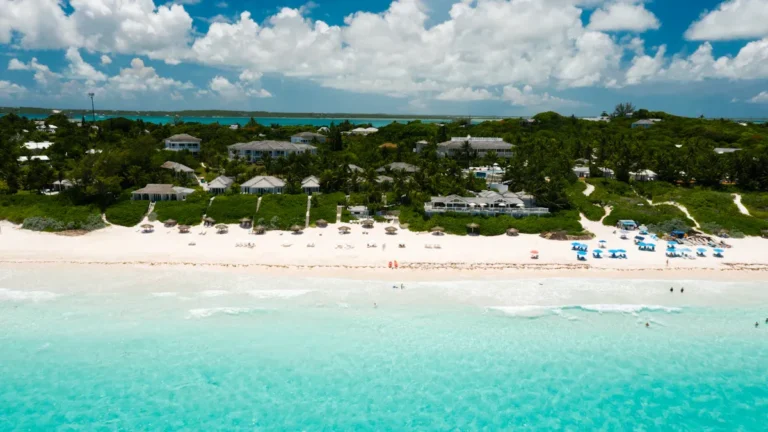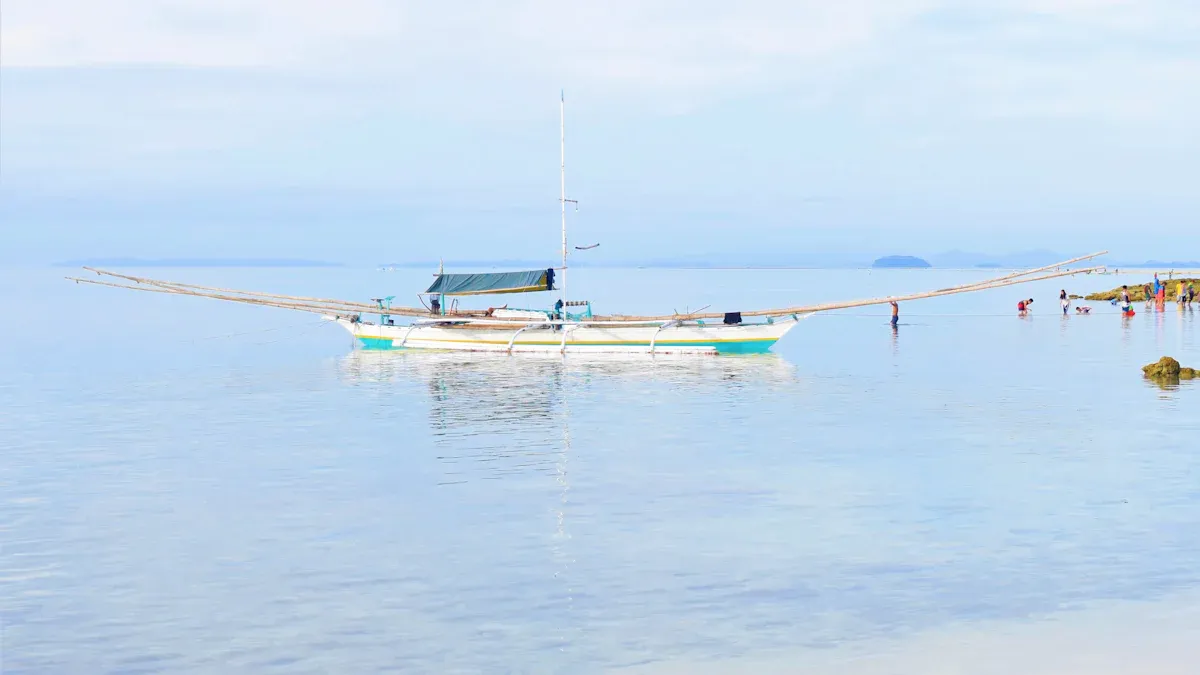
Many people think travel to beautiful places like the Philippines must cost a fortune. But I assure you, affordable adventures are incredibly rewarding in the Philippines! While one source suggests a budget traveler might spend about $56 daily, another indicates a higher average of $136. This blog provides the best travel tips and practical budget travel tips for the Philippines. It’s your ultimate Philippines travel guide.
I will show you how to save money on every part of your trip, ensuring an authentic Philippines experience. Get ready to explore this amazing budget travel destination, whether you are backpacking the Philippines or just looking for a great adventure.
Key Takeaways
Plan your trip during the rainy season, from June to October. This time offers the lowest prices for flights and hotels.
Choose local options for sleeping, eating, and moving around. Hostels, homestays, street food, and public transport save money.
Look for free or cheap activities. Enjoy beaches, go hiking, visit local markets, and attend cultural festivals.
Always compare prices for flights, hotels, and ride-hailing apps. This helps you find the best deals.
Bring a reusable water bottle and refill it often. This saves money and helps the environment.
Smart Planning: Your Budget Travel Foundation
Smart planning is your first step to truly save money in the Philippines. I always say, a little foresight goes a long way, especially when you’re on a budget. This section gives you essential things to know before you even pack your bags.
Best Time for Budget Travel
Timing your trip can significantly impact your overall budget. I’ve found that the cheapest time to visit the Philippines is during the rainy season, from June to October. During this period, demand slows, and costs drop. Hotels and flights are at their lowest prices, and attractions are quieter.
Time Period | Price Level | Why It Matters |
|---|---|---|
June – Oct (Rainy Season) | Lowest | Typhoon season, cheapest hotels & flights |
Early November | Low | Pre-holiday shoulder, affordable rates |
Late May – Early June | Low–Mid | Post-summer lull, budget-friendly stays |
Early November, before the holiday rush, also offers affordable rates and less crowded tourist spots. Late May to early June, after the domestic summer and before the monsoon, provides good value with lighter crowds and discounts on hotels in popular areas like Boracay, Cebu, and Palawan.
Finding Cheap Flights to the Philippines
Finding cheap flights is crucial for any budget travel tips. I always look for flights during the off-season, which is typically June to September. You can find great hotel and airfare deals then, despite the hot and potentially rainy weather. September, in particular, often has the most flight deals. This is a key part of my Philippines travel guide for those low on budget or time.
Visa Requirements and Costs
Before you book anything, check the visa requirements for the Philippines. Many nationalities enjoy visa-free entry for an initial stay of thirty (30) days. This is great for keeping typical costs down! You just need a passport valid for at least six months beyond your stay and a return or onward ticket.
For example, nationals from countries like the USA, UK, Canada, Australia, and most of Europe can enter visa-free for 30 days. Brazil and Israel even get 59 days!
However, some countries have specific rules:
Indian nationals:
14-day visa-free entry for tourism with a valid passport, confirmed hotel, proof of funds, and return ticket.
30-day visa-free entry if you hold valid American, Japanese, Australian, Canadian, Schengen, Singapore, or UK visas.
Chinese nationals:
7-day visa-free entry for Hong Kong British passport holders and Mainland Chinese tourists with a valid Australian, Japanese, Canadian, Schengen, or US visa, plus a return ticket. This can extend to 21 days.
14-day visa-free entry for Hong Kong SAR and Macau SAR passport holders.
Always remember, your passport needs to be valid for at least six months beyond your departure date. These visa policies are essential things to know to avoid unexpected costs.
Budget Accommodation: Sleep Smart, Save Big
You might think staying in the Philippines means spending a lot on hotels. But I’ve found you can comfortably spend around $25–30 USD per day on accommodation. This is where smart choices really pay off. Finding great budget accommodation is key to making your travel dreams a reality in the Philippines.
Hostels and Guesthouses
Hostels are a backpacker’s best friend, and I love them for their social vibe and low costs. You meet other travelers, swap stories, and often find great local tips. In popular tourist spots across the Philippines, a dorm bed in a hostel typically costs between $6 and $15 USD per night. I’ve even seen dorm beds in places like Palawan for as little as $6 USD! If you want something a bit fancier, some posh backpacker hostels might charge up to $20 USD per night for a dorm bed. Guesthouses offer a similar budget-friendly option, often with private rooms at a lower price than traditional hotels. They usually have a more homey feel, which I appreciate.
Homestays and Local Inns
For a truly immersive experience, I always recommend homestays or staying in local guesthouses. This type of accommodation offers so much more than just a bed. When you choose a homestay, you get to engage with the community. I’ve had amazing shared cultural experiences and heard incredible stories from local families. It’s not just about seeing a place; it’s about becoming part of it, even for a short time. You gather sensory perceptions, understand them, and become part of the visited community. This leads to learning and sweet memories that last longer than any photograph.
Here’s what I love about homestays:
You eat delicious, authentic, home-cooked food. It’s a taste of real Filipino cuisine!
You build remarkable relationships with locals. I’ve made friends for life this way.
You get to partake in family traditions, experiencing daily life, holidays, and interactions firsthand.
You have the freedom to ask cultural questions about customs, directions, and appropriate behavior without feeling embarrassed.
You get numerous opportunities to improve your language skills in a safe and supportive environment.
You truly live like a local, learning their routines, activities, and pastimes.
It’s an experience that truly enriches your travel.
Fan Rooms vs. Air-Conditioned
When you’re looking at budget accommodation, you’ll often see a choice between fan rooms and air-conditioned rooms. Fan rooms are almost always cheaper, and I often opt for them, especially in cooler areas or during the dry season. They can be perfectly comfortable, especially if you’re out exploring all day. However, in hotter, more humid areas, or if you struggle with the heat, an air-conditioned room might be worth the extra cost. It’s a personal choice, but remember that saving a few dollars on a fan room can add up over your trip. Just make sure the fan works well!
Booking Platforms for Deals
To find the best deals on accommodation in the Philippines, I rely on a few key booking platforms. Websites like Booking.com, Agoda, and Hostelworld are my go-to. They offer a wide range of options, from hostels to local guesthouses and even some budget hotels.
I always compare prices across different sites because sometimes one platform will have a special deal. Also, look for places with good reviews, especially regarding cleanliness and location.
Sometimes, booking directly with a guesthouse or homestay can get you a better rate, especially if you’re staying for a longer period. Don’t be afraid to send an email or make a call! This Philippines travel guide is all about smart choices.
Affordable Transportation Across the Philippines
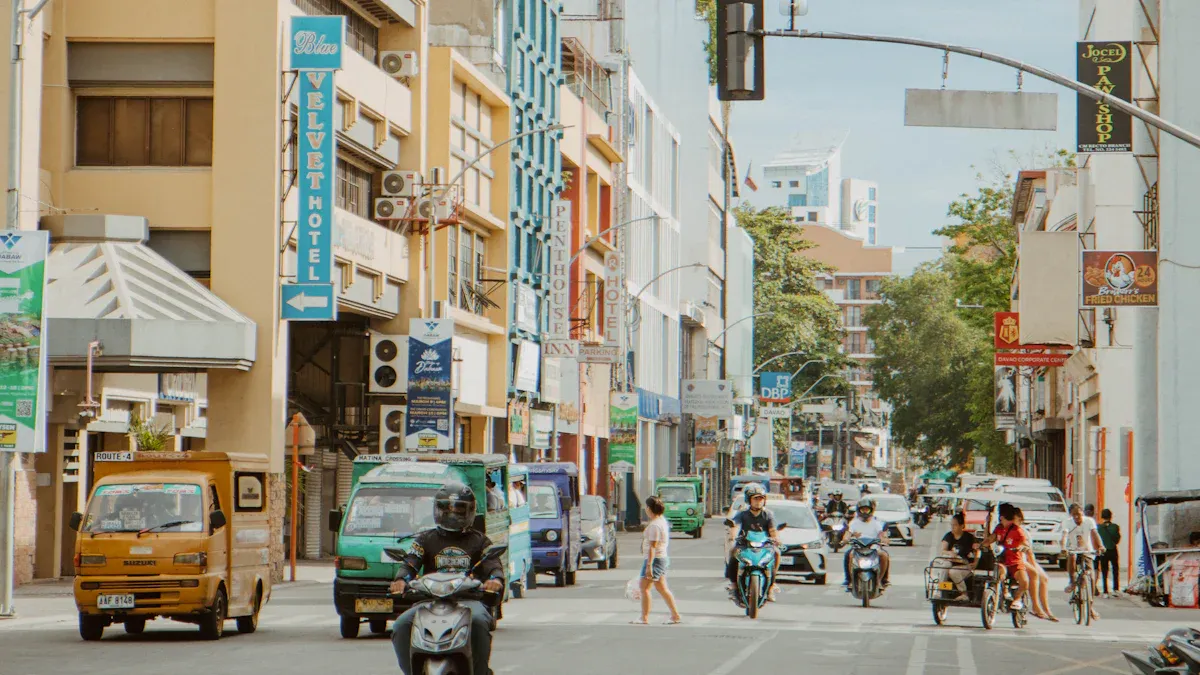
Getting around the Philippines does not have to break your bank. I have found that using local public transportation is the best way to save money. It also gives you a real feel for daily life here. This part of my Philippines travel guide shows you how to navigate the islands without spending too much.
Local Buses and Jeepneys
Buses are great for long distances between cities on the larger islands. I often choose them for inter-city travel. They are comfortable enough and very affordable. For example, a long-distance bus journey from Manila to Baguio, a popular tourist destination, can cost approximately $10 to $15.
Here are some typical bus costs I have encountered for popular routes:
Route | PHP | USD |
|---|---|---|
Puerto Princesa to Port Barton | ₱600 | ~$11 |
Port Barton to El Nido | ₱600 | ~$11 |
El Nido to Puerto Princesa | ₱700 | ~$12.52 |
Cebu City to Maya Port | ₱320 | ~$5.73 |
Jeepneys are iconic in the Philippines. They are colorful, unique, and a very cheap way to get around cities and towns. For short routes, jeepney rides often have a fixed rate. This typically ranges from ₱8 to ₱10. For longer distances, the fare depends on how far you go. It usually falls between ₱12 and ₱50. I always ask a local or the driver for the exact fare if I am unsure.
Here are some sample jeepney fare estimates:
Distance | Fare (PHP) |
|---|---|
First 4 km | 13.00 |
Every km after | 2.00–3.00 |
Sample Fare Estimates:
SM Cebu → Ayala Center = ₱13
Colon → IT Park = ₱16
Lahug → Carbon Market = ₱18–₱20
Tricycles and Habal-Habal
Tricycles are motorcycles with sidecars. You see them everywhere in the Philippines. They are perfect for short trips within towns or to nearby attractions. Habal-habal are motorcycle taxis. They are common in areas where roads are narrow or unpaved. Both are very convenient and affordable.
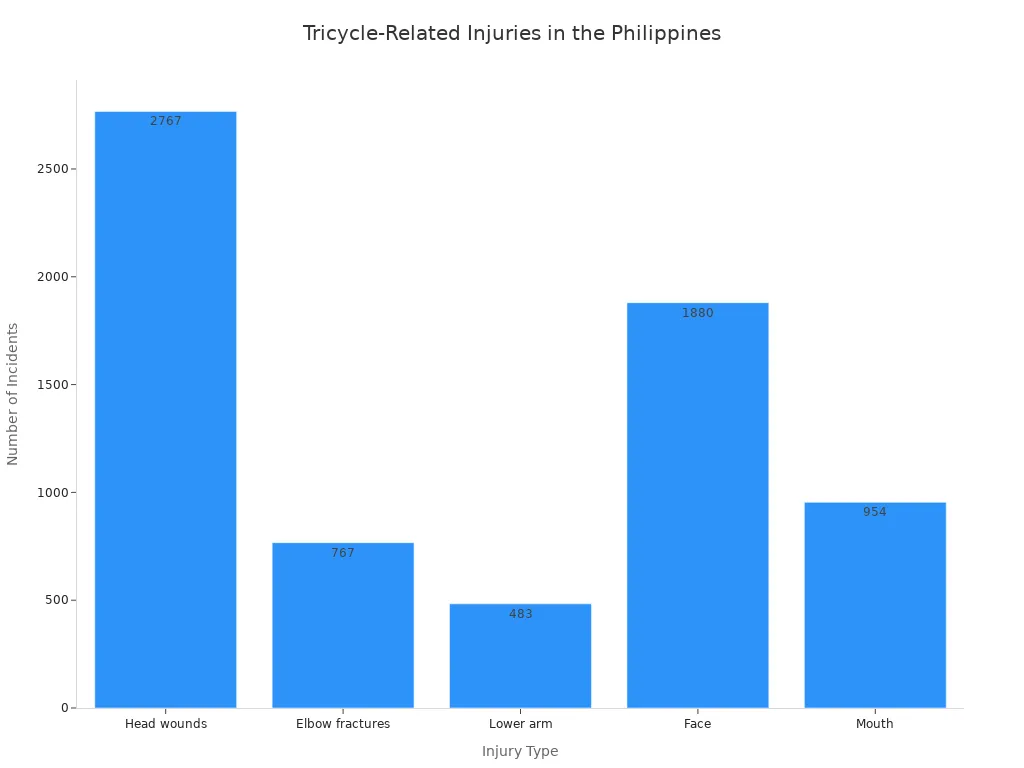
However, I always consider safety when I use them. While tricycles are highly used for their convenience and affordability, some safety concerns exist. Here is a look at some injury types from a two-year data period:
Injury Type | Percentage/Count (from 2-year data) |
|---|---|
Head wounds | 30% of injuries (2767 incidents) |
Elbow fractures | 8% of injuries (767 incidents) |
Other upper body damages | Not specified (483 lower arm, 1880 face, 954 mouth) |
Hospital admissions | 2.4% of tricycle users |
For habal-habal, some groups have tried to improve safety. They have mandatory day-long motorcycle safety training for their members. Riders are also required to wear helmets and safety vests.
A fixed route system helps track members and manage accidents. They also have self-regulation measures, like temporary suspension for riders found at fault in accidents. However, because habal-habal are often illegal, they cannot provide safety nets like accident insurance for passengers. I always try to choose reputable drivers and wear a helmet if one is offered.
Ferry Travel for Inter-Island Hopping
The Philippines has over 7,000 islands. So, travelling between islands is a big part of any trip here. Ferries are the most common and budget-friendly way to do this. I love taking ferries because they offer great views and a chance to relax.
Here are some popular ferry routes and their typical costs:
Route | Travel Time | Economy SPR (Typical Price) | Tourist SPR (Most Popular) | Business SPR (Premium Benefits) |
|---|---|---|---|---|
Cebu ↔ Bohol (Tagbilaran) | 2 hours | 20-30% less than Tourist class | Standard comfort, best value | Enhanced seating, priority boarding |
Cebu ↔ Ormoc (Leyte) | 3 hours | N/A | N/A | N/A |
Batangas ↔ Oriental Mindoro | 2.5-3 hours | N/A | N/A | N/A |
Cebu ↔ Siquijor | Via connecting routes | N/A | N/A | N/A |
Bohol ↔ Siquijor | Direct afternoon service | N/A | N/A | N/A |
When travelling between islands, I usually choose the economy class. It is the cheapest option and perfectly fine for most journeys.
Smart Use of Ride-Hailing Apps
In major cities, ride-hailing apps are a convenient way to get around. They offer competitive pricing and ease of booking. I find them very useful, especially in Metro Manila or Cebu. The ride-hailing market in the Philippines has grown a lot. Customers prefer them for their convenience and affordability.
Here are some of the most common apps I use:
Grab: This is a leading superapp. It offers ride-hailing cars and motorcycle taxi services. You can find it in Metro Manila, Cebu City, Davao City, and other major cities.
Angkas: This app specializes in motorcycle taxi services. It is a faster and more cost-effective option during peak hours. You can find it in Metro Manila, Cebu, and other areas.
Move It: This company is under Grab Holdings. It also dominates motorcycle taxi services. They offer discounts, which can make it very cost-effective.
JoyRide: Similar to Angkas, JoyRide offers motorcycle taxi services. They also have car and tricycle services in many cities. It helps beat traffic efficiently.
Toktok: This app started as a delivery service. Now it has a car-hailing service called TokTokGo. It is available nationwide and is a strong contender among Grab alternatives.
OWTO: This is a Filipino-owned company. It offers car services in Metro Manila and nearby areas. They focus on safety and security.
ePickMeUp: This app offers car and motorcycle services, delivery, and personalized services nationwide. It puts many services into one app.
Lalamove: This is mainly an on-demand delivery platform. It has many types of vehicles. It is available in Manila, Cebu, and other regions. They aim for fast, simple, and affordable delivery.
Transportify: This app specializes in moving large items. It operates across key locations in the Philippines. They ensure reliability, affordability, and and convenience for goods transport.
I always compare prices on different apps before booking. This helps me get the best deal.
Eating Well: Filipino Food on a Budget
Eating well doesn’t have to be expensive in the Philippines. I’ve found delicious food for cheap across the Philippines. This is one of my favorite parts of budget travel!
Local Eateries and Street Food
This is where you find the real flavors and save money. I love trying local dishes. Many are affordable, accessible, and come with lots of dipping sauces. For example, I’ve enjoyed Empanadas, especially the deep-fried Vigan style, and the iconic Fish Balls and Chicken Balls. These are quintessential Filipino street food items. I’ve bought Sotanghon (cellophane noodles) for 20 PHP ($0.40) and a half Lechon manok (roasted chicken) for 85 PHP ($1.71). A refreshing Buko (young coconut) costs about 30 PHP ($0.60), and I’ve grabbed street ice cream or Taho (soft silken tofu) for just 20 PHP ($0.40) each.
Wet Markets for Self-Catering
If you have access to a kitchen, wet markets are great. I buy fresh produce and seafood there. It’s much cheaper than eating out every meal. You can find amazing ingredients and cook your own Filipino feasts.
Water Refills for Savings
Buying bottled water constantly adds up. I always look for refill stations. In Manila, Crystal Clear stations are common, sometimes on “every other corner” near Intramuros. Hotels and restaurants may also refill bottles for you. In Boracay, I found refill stations on Main Road for 5 pesos (14 cents) per liter. White Beach also has two water bubblers at Station 2 and Station 3. This is a smart travel tip for any trip to the Philippines.
Avoiding Tourist Trap Restaurants
I always avoid places with inflated prices. They often cater to tourists and don’t offer authentic experiences. Stick to local spots for better food and prices. This is a key part of my philippines travel guide for an affordable adventure.
Free and Low-Cost Adventures in the Philippines
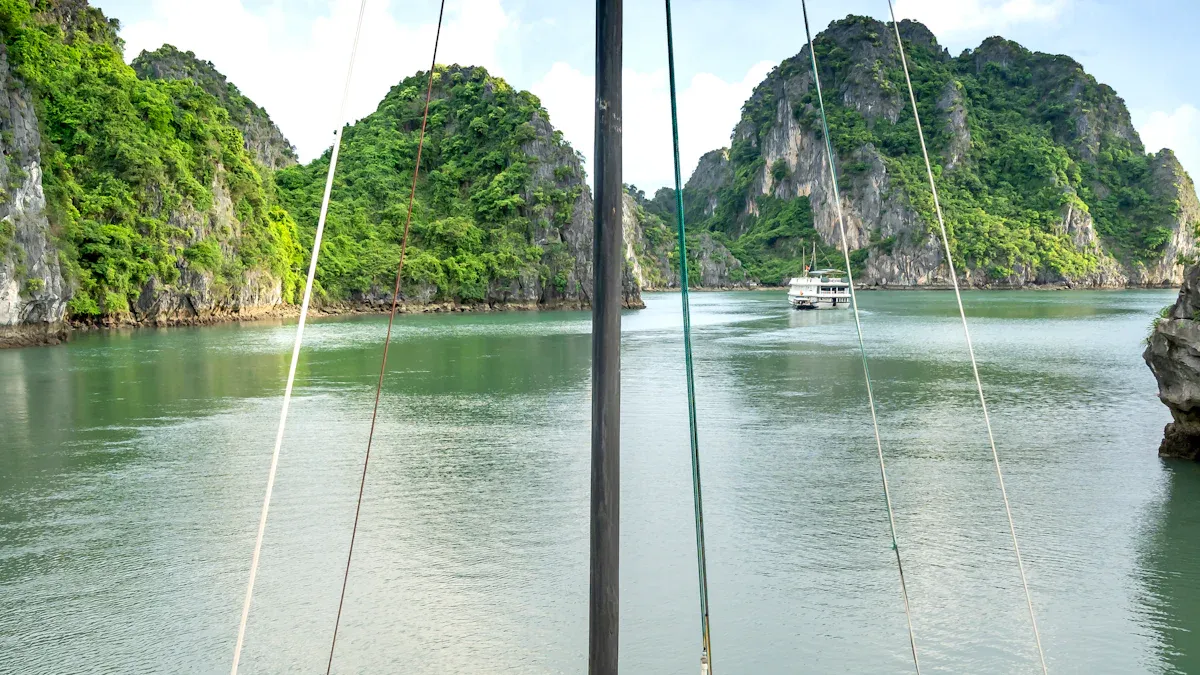
You can explore the Philippines without spending a lot. I love finding unique destinations and activities that don’t break the bank. This part of my Philippines travel guide shows you how to have amazing experiences for free or very little.
Beach Hopping and Swimming
The Philippines has incredible beaches, and many are free! I love spending days just relaxing by the water. You can find stunning white-sand beaches like those in the Calaguas Islands, known for deep blue waters and sunsets. El Nido also offers turquoise waters and limestone cliffs.
For a truly peaceful spot, Jomalig Beach is breathtaking. I also enjoy places like White Island in Camiguin, a beautiful sandbar with mountain views, or Alona Beach in Bohol with its clear waters. Nacpan Beach in El Nido is another favorite, perfect for a relaxing getaway.
Hiking and Nature Trails
I find hiking a fantastic way to see the natural beauty of the Philippines without high costs. Many trails offer amazing views. For example, Panimahawa Ridge in Bukidnon gives you wide panoramic views, a sea of clouds at sunrise, and emerald hills. It’s an easy walk with a big reward. Lake Holon Viewpoint Trail in South Cotabato is another easy hike through shady pine forests to a stunning high-altitude lake. If you want something a bit more challenging, the Mt. Pinatubo Crater Trail in Zambales offers a moonscape of lahar fields and an incredible turquoise crater lake.
Exploring Local Markets and Towns
I always make time to explore local markets. They offer a real glimpse into Filipino culture and usually cost nothing to enter. Poblacion Market Central in Davao City is a great example. It showcases Mindanao’s rich heritage with indigenous art and crafts from 11 tribes. You can see intricate textiles and traditional carvings. Malatapay Market is another thriving center for regional artisanal goods. I just pay for what I buy, making it a fun and affordable cultural experience.
Cultural Experiences with Low Fees
Experiencing local culture doesn’t have to be expensive. The Philippines has many festivals that are free to attend, though you might spend a little on food or souvenirs. I’ve seen the Sinulog Festival in Cebu City, which honors the Santo Niño with grand parades and street dancing.
The Ati-Atihan Festival in Kalibo is known as the ‘Mother of All Philippine Festivals,’ with participants dancing in traditional attire. The Pahiyas Festival in Lucban celebrates the harvest with streets decorated with rice and fruits. These events are vibrant and offer a deep dive into local traditions.
DIY Island Hopping
Island hopping is a must-do in the Philippines, and you can do it yourself to save money. For a DIY trip, I always pack essentials like a dry bag for my passport and ID, a reusable water bottle, and reef-safe sunscreen. Bug spray, a power bank, and at least three swimsuits are also on my list. I also bring my own snorkel and mask. While true self-drive boat options are limited, you can charter a simple motorized outrigger boat.
These usually cost around $300–$700 for a full day, including a captain and crew. For example, a one-day “Reef and Wrecks” tour in Coron for two people can be around ₱14,250. It’s a great way to explore the beautiful islands at your own pace.
I hope this Philippines travel guide showed you that budget travel in the Philippines is absolutely possible. It even makes your travel more authentic! Remember my key budget travel tips:
Smart planning
Choosing local for accommodation, food, and transport
Embracing free and low-cost activities
These budget travel tips help you create an unforgettable and affordable Filipino adventure. Start planning your travel to the Philippines now! You will discover the unique rewards of budget travel.