

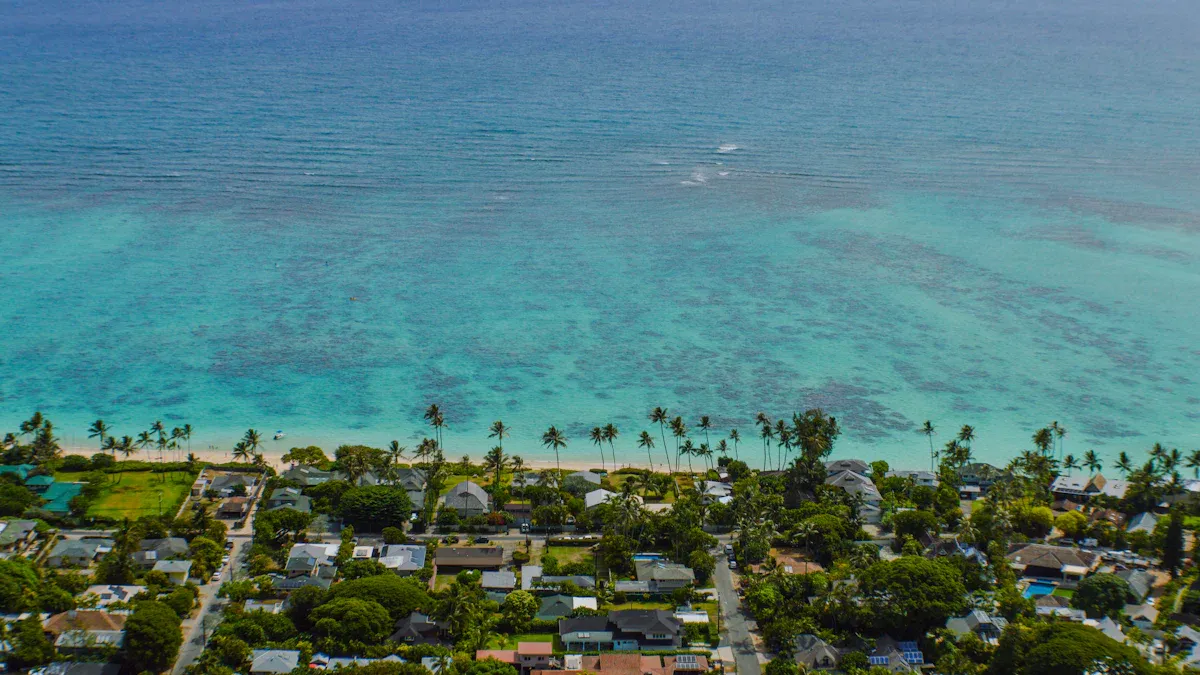
Choosing between Hawaii vs Caribbean for your next vacation can feel overwhelming. Both destinations offer stunning views and unique experiences. You might be drawn to Hawaii for its secluded beaches, breathtaking waterfalls, and volcanic landscapes. On the other hand, the Caribbean entices travelers with its rich culture, historic forts, and rum distilleries. Imagine lounging on a powder-soft beach while sipping a tropical drink. Whether you’re planning a family vacation or a romantic getaway, both Hawaii and the Caribbean promise unforgettable moments in a tropical paradise.
Key Takeaways
Hawaii offers unique volcanic landscapes and diverse beach types, including black and green sand beaches, making it ideal for nature lovers.
The Caribbean is known for its vibrant culture, historic sites, and powdery white sand beaches, perfect for those seeking relaxation and cultural experiences.
Consider your budget: Hawaii tends to be more expensive, while the Caribbean often has affordable all-inclusive options for travelers.
Plan your activities based on your interests; Hawaii excels in adventure sports like surfing and hiking, while the Caribbean is great for swimming and beach lounging.
Check entry requirements and health precautions before traveling to ensure a smooth and safe vacation experience.
Geography
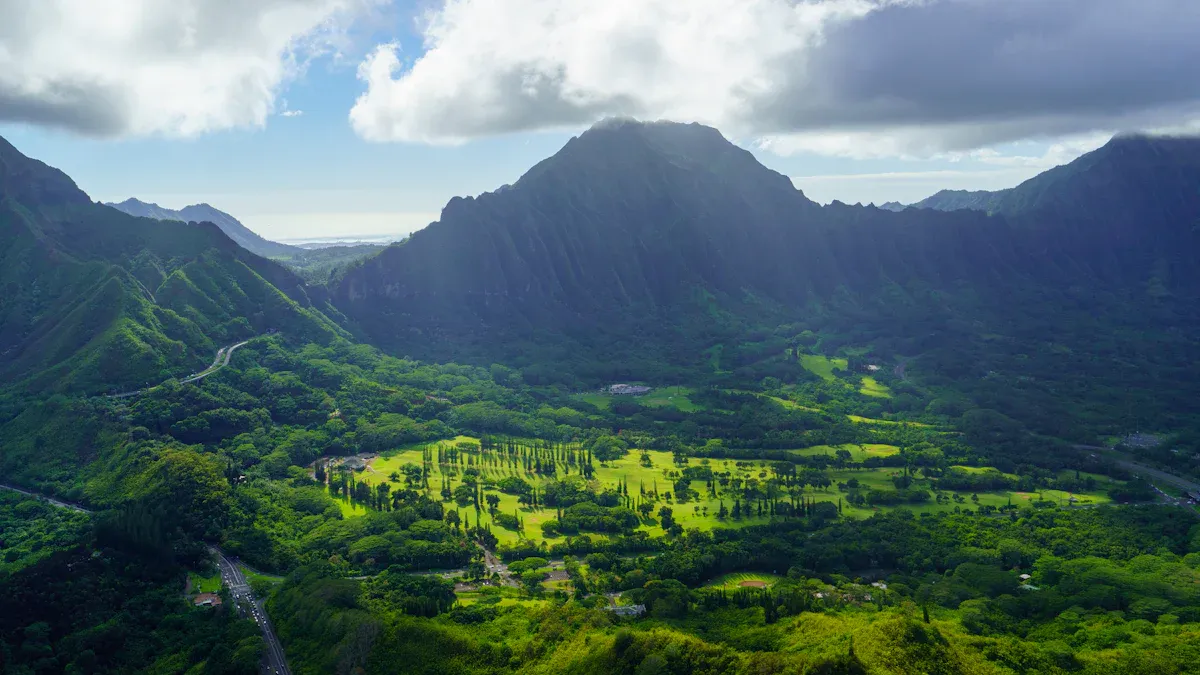
When you think about tropical paradises, the geography of Hawaii and the Caribbean plays a huge role in shaping your experience. Both regions boast stunning landscapes, but they offer different vibes and features that can influence your vacation.
Unique Landscapes
Hawaii is an archipelago located in the central Pacific Ocean, about 2,400 miles from California. It features dramatic volcanic landscapes, lush rainforests, and breathtaking waterfalls. The Hawaiian Islands, including popular spots like Maui and the Big Island, are known for their active volcanoes, such as Mauna Loa and Mauna Kea. These geological wonders create unique environments that you won’t find anywhere else.
On the other hand, the Caribbean islands, nestled in the western Atlantic Ocean, are famous for their colonial cities, vibrant cultures, and beautiful beaches. Islands like Barbados, Jamaica, and Puerto Rico each have their own charm, with rich histories and diverse influences from African, European, and indigenous cultures.
Here’s a quick comparison of the geographical aspects of both regions:
Aspect | Hawaiian Islands | Caribbean Islands |
|---|---|---|
Location | Central Pacific Ocean, 2,400 miles from California | Western Atlantic Ocean, bordered by Gulf of Mexico |
Islands | Archipelago with main islands like Hawaii, Oahu | Numerous islands including Cuba, Jamaica, Puerto Rico |
Political Status | Part of the United States (50th state) | Independent countries and territories |
Culture | Unique indigenous Hawaiian culture with Polynesian influences | Mix of African, European, and indigenous cultures |
Language | English and Hawaiian as official languages | English, Spanish, French, and Dutch |
Climate | Tropical climate with variations across islands | Tropical climate with warm temperatures and distinct seasons |
Types of Beaches
When it comes to beaches, both Hawaii and the Caribbean have their own unique offerings. In Hawaii, you can find a variety of beach types, including:
White Sand Beaches: Made from crushed corals and shells, these beaches are soft and inviting.
Black Sand Beaches: Found primarily on the Big Island, these beaches are formed from volcanic material, giving them a striking appearance.
Red Sand Beaches: These unique beaches result from iron-rich cinder cones eroding over time.
Green Sand Beaches: Composed of olivine-rich basalt, these beaches offer a rare green hue.
Glass Beach: Located on Kauai, this beach is made up of colorful sea glass, a unique feature that attracts visitors.
In contrast, the Caribbean is known for its powdery white sand beaches, which are perfect for sunbathing and swimming. The sand here is primarily made up of calcareous materials derived from coral reefs.
Here’s a quick look at the different beach types:
Beach Type | Sand Composition Description |
|---|---|
White Sand Beaches | Mainly made up of calcareous, reef-derived material, such as crushed corals and shells. |
Black Sand Beaches | Composed of volcanic material, primarily found on the Big Island, created when lava flows into the ocean. |
Red Sand Beaches | Result from erosion of iron-rich cindercones, providing a unique reddish hue. |
Green Sand Beaches | Composed of basaltic lava with high olivine content, resulting in a greenish sand color. |
Glass Beach | Made up of colorful sea glass, a unique feature found on Kauai. |
Water Clarity and Temperature
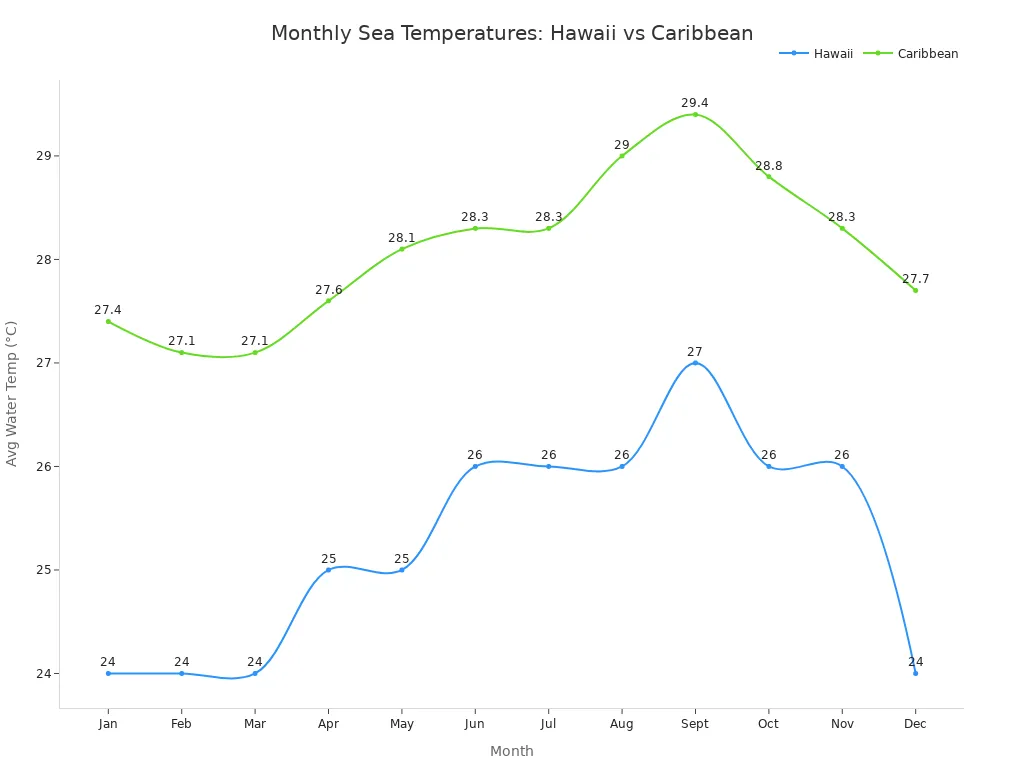
Water clarity and temperature can greatly affect your beach experience. In Hawaii, the average water temperature ranges from 24°C (76°F) in winter to 27°C (80°F) in summer. The waters are generally clear, making them ideal for snorkeling and diving.
In the Caribbean, the average water temperature is slightly warmer, ranging from 27°C (81°F) in winter to 29°C (84°F) in summer. The Caribbean Sea is known for its warm and clear waters, perfect for swimming and water sports.
Here’s a comparison of average water temperatures:
Location | Average Water Temperature (°C) | Average Water Temperature (°F) |
|---|---|---|
Hawaii (Jan) | 24 | 76 |
Hawaii (Feb) | 24 | 75 |
Hawaii (Mar) | 24 | 75 |
Hawaii (Apr) | 25 | 76 |
Hawaii (May) | 25 | 77 |
Hawaii (Jun) | 26 | 78 |
Hawaii (Jul) | 26 | 78 |
Hawaii (Aug) | 26 | 79 |
Hawaii (Sept) | 27 | 80 |
Hawaii (Oct) | 26 | 79 |
Hawaii (Nov) | 26 | 78 |
Hawaii (Dec) | 24 | 76 |
Caribbean (Jan) | 27.4 | 81.4 |
Caribbean (Feb) | 27.1 | 80.8 |
Caribbean (Mar) | 27.1 | 80.8 |
Caribbean (Apr) | 27.6 | 81.6 |
Caribbean (May) | 28.1 | 82.5 |
Caribbean (Jun) | 28.3 | 83 |
Caribbean (Jul) | 28.3 | 83 |
Caribbean (Aug) | 29 | 84.2 |
Caribbean (Sept) | 29.4 | 84.9 |
Caribbean (Oct) | 28.8 | 83.9 |
Caribbean (Nov) | 28.3 | 82.9 |
Caribbean (Dec) | 27.7 | 81.9 |
Cuisine
When it comes to food, both Hawaii and the Caribbean offer mouthwatering dishes that reflect their unique cultures. You’ll find a variety of flavors and ingredients that make each destination special.
Traditional Dishes
In Hawaii, traditional dishes often feature fresh seafood, tropical fruits, and local meats. Here are some iconic Hawaiian dishes you should try:
Dish Name | Description |
|---|---|
Laulau | Pork wrapped in taro leaves, cooked in an underground oven until tender and smoky. |
Kalua Pig | Pork slow-roasted in an underground oven, resulting in a tender texture with a smoky flavor. |
Poke | Bite-sized cubes of raw fish, often ahi, marinated in various sauces, served fresh. |
Lomi Salmon | Cured salmon mixed with tomatoes and onions, creating a flavorful salsa-like garnish. |
Chicken Long Rice | A dish inspired by Chinese cuisine, featuring clear mung bean noodles in chicken soup, often with a gingery flavor. |
Fresh Fruit | Tropical fruits like pineapple and passion fruit, often served as a refreshing end to a meal. |
The Caribbean also boasts a rich culinary scene. You can savor dishes influenced by African, European, and indigenous cultures. Popular Caribbean islands like Barbados offer their own specialties, such as flying fish and cou-cou, a dish made from cornmeal and okra.
Dining Experiences
Dining in Hawaii can vary widely based on your budget and preferences. You might enjoy a casual meal at a food truck or indulge in a fine dining experience with ocean views. However, keep in mind that food prices in Hawaii have risen significantly, with the average daily food cost around $128 per person. Typical meal prices include:
Breakfast: $13 to $38
Lunch: $19 to $51
Dinner: $38 to $89
In contrast, the Caribbean offers a more laid-back dining atmosphere. You can find local markets where you can sample street food and fresh produce. Puerto Rico, for example, is known for its affordability compared to Hawaii, making it a great option for budget-conscious travelers.
Whether you choose Hawaii or the Caribbean, you’re in for a treat. Each destination offers a unique culinary adventure that reflects its culture and history.
Activities
When it comes to activities, both Hawaii and the Caribbean offer a treasure trove of options for adventure seekers and culture enthusiasts alike. You’ll find thrilling sports and unique cultural experiences that make each destination special.
Adventure Sports
If you’re an adrenaline junkie, you’ll love the adventure sports available in both regions. Here’s a quick comparison:
Surfing: Hawaii is famous for its massive waves, making it a surfer’s paradise. If you’re an experienced surfer, you’ll want to hit the legendary North Shore of Oahu. In contrast, the Caribbean has calmer waters, perfect for beginners looking to catch their first wave.
Snorkeling and Scuba Diving: The Caribbean shines in this area. With its warmer, clearer waters, you can explore vibrant coral reefs and diverse marine life. While Hawaii also offers great diving spots, the Caribbean’s conditions are often more favorable for these activities.
Hiking: If you enjoy hiking, Hawaii has the edge. The islands boast numerous trails that take you through lush rainforests and up volcanic mountains. You’ll find breathtaking views and unique landscapes that are hard to beat. The Caribbean has some hiking options, but they often don’t compare to the variety and challenge found in Hawaii.
Other Adventure Sports: The Caribbean offers unique activities like ziplining through the jungle or taking an ATV tour along scenic coastlines. These experiences add a different flavor to your vacation compared to Hawaii, where adventure sports focus more on water activities.
Cultural Experiences
Both destinations also offer rich cultural experiences that you won’t want to miss. Here are some highlights:
Aloha Spirit: In Hawaii, you’ll encounter the Aloha Spirit, a cultural philosophy that emphasizes harmony, love, and peace. This welcoming attitude permeates daily life and interactions.
Hula Dance: Experience the traditional hula dance, which tells stories through movement and music. You might even get a chance to learn a few steps yourself!
Lei Making: Participating in lei making is a must. This beautiful craft symbolizes love and friendship, and you’ll often see leis exchanged during celebrations.
Kapa Making: Discover the ancient art of kapa making, where you’ll learn how to create cloth from tree bark. This traditional practice connects you to Hawaii’s rich history.
In the Caribbean, you can dive into a mix of cultures:
Poke: While poke is a Hawaiian dish, you’ll find similar fresh seafood options in the Caribbean. Try local variations that highlight the region’s flavors.
Loco Moco: This hearty Hawaiian meal features rice, a hamburger patty, a fried egg, and gravy. You can find similar comfort foods across the Caribbean islands.
Shave Ice: Cool off with shave ice, a refreshing treat flavored with tropical syrups. It’s a popular snack in both Hawaii and the Caribbean.
Whether you’re surfing the waves in Hawaii or exploring the vibrant culture of Barbados, both destinations promise unforgettable activities and experiences. So, what are you waiting for? Pack your bags and get ready for an adventure!
Unique Experiences
When you think about unique experiences, both Hawaii and the Caribbean offer vibrant festivals and rich local customs that can make your vacation unforgettable.
Festivals
Hawaii hosts several notable festivals that celebrate its culture and traditions. Here’s a quick look at some of the most popular ones:
Festival Name | Date | Location |
|---|---|---|
Merrie Monarch Festival | April 20 – April 26, 2025 | Hilo, Hawaii (Big Island) |
Aloha Festivals | September 7 – September 28, 2024 | Various locations across Hawaii |
Kona Coffee Cultural Festival | November 1 – November 10, 2024 | Kailua-Kona, Hawaii (Big Island) |
Pan-Pacific Festival Parade | June 15, 2025 | Kalakaua Ave, Honolulu, Hawaii |
Mango Jam Honolulu | June 21-22, 2025 | Frank Fasi Municipal Building, Honolulu |
Prince Lot Hula Festival | July 20-21, 2025 | Moanalua Gardens, Oahu |
Hawaii State Farm Fair | July 26-28, 2025 | Kualoa Ranch, Hawaii |
In the Caribbean, you’ll find colorful carnivals and festivals that reflect the islands’ diverse heritage. For example, the Trinidad Carnival showcases lively music and dance, blending African and European influences. Each island has its own unique celebrations, making the Caribbean a vibrant place to explore.
Local Customs
Local customs in Hawaii and the Caribbean also highlight their distinct cultures. In Hawaii, storytelling through hula and traditional feasts during luaus play a significant role in community life. You might find yourself enjoying a delicious meal while watching a captivating hula performance that narrates the islands’ legends.
On the other hand, the Caribbean is known for its rich tapestry of music styles like reggae and salsa. The islands celebrate their heritage through colorful carnivals, where you can dance to infectious rhythms and enjoy local delicacies.
Here’s a quick comparison of cultural traditions:
Hawaiian culture emphasizes storytelling through hula and traditional feasts during luaus.
Caribbean culture features a mix of African, Spanish, French, and Dutch influences, leading to diverse music, food, and language across the islands.
Whether you’re dancing at a carnival in Barbados or enjoying a luau in Hawaii, both destinations promise unique experiences that will leave lasting memories.
Accommodations
When planning your trip, choosing the right place to stay can make all the difference. Both Hawaii and the Caribbean offer a wide range of accommodations to suit every traveler’s needs.
Types of Lodging
In Hawaii, you can find everything from luxurious resorts to cozy vacation rentals. Here are some popular options:
Resorts: Many resorts in Hawaii provide stunning ocean views and top-notch amenities. You can enjoy pools, spas, and fine dining right at your doorstep.
Hotels: If you prefer a more traditional stay, hotels offer comfortable rooms and convenient locations. Look for ones near the beach for easy access to the sun and surf.
Vacation Rentals: For a more home-like experience, consider renting a condo or a house. This option is great for families or groups who want to cook their meals and enjoy some privacy.
The Caribbean also boasts a variety of accommodations. Here’s what you can expect:
All-Inclusive Resorts: Many Caribbean islands, like Barbados, feature all-inclusive resorts. These places let you enjoy meals, drinks, and activities without worrying about extra costs.
Boutique Hotels: If you’re looking for charm, boutique hotels offer unique decor and personalized service. They often reflect the local culture and provide a cozy atmosphere.
Guesthouses and Hostels: For budget travelers, guesthouses and hostels are popular choices. They provide a chance to meet fellow travelers and experience the local vibe.
Costs
When it comes to costs, Hawaii tends to be pricier than the Caribbean. Here’s a quick comparison:
Hawaii Accommodations: Expect to pay around $200 to $500 per night for hotels and resorts. Vacation rentals can vary widely, but you might find options starting at $150 per night.
Caribbean Accommodations: In contrast, you can find great deals in the Caribbean. Prices for hotels and resorts often range from $100 to $300 per night. All-inclusive resorts in Barbados might cost a bit more, but they often include meals and activities.
Ultimately, whether you choose Hawaii or the Caribbean, you’ll find accommodations that fit your style and budget. Just remember to book early, especially during peak travel seasons, to secure the best deals!
Weather
When planning your trip, understanding the weather can help you choose the best time to visit Hawaii or the Caribbean. Both destinations have unique climates that can affect your vacation experience.
Seasonal Variations
Hawaii enjoys a stable tropical climate year-round. You can expect mild temperatures around 80°F, rarely exceeding 90°F. This makes it a great destination no matter when you decide to travel. However, rainfall can vary significantly across the islands. For instance, Hilo receives about 10 feet of rain annually, while Kona gets much less.
In contrast, the Caribbean experiences hot and humid conditions, especially during the rainy season from June to November. The rainiest months in Hawaii often coincide with the driest months in the Caribbean. So, if you’re looking for sunny beach days, the Caribbean might be your best bet during those rainy months in Hawaii.
Here’s a quick comparison of the weather patterns:
Hawaii:
Stable tropical climate with mild temperatures.
Best months to visit: April, May, October, and November for warm and dry weather.
Ideal for surfing in winter and hiking in spring and fall.
Caribbean:
Hot and humid with a rainy season from June to November.
Hurricane season can be more volatile compared to Hawaii.
Diverse climates across the islands, from rainforests to savannas.
If you want to avoid crowds, consider visiting Hawaii during the shoulder months of April, May, October, and November. These months typically have smaller crowds and pleasant weather.
Ultimately, whether you choose Hawaii or the Caribbean, knowing the weather patterns can help you plan the perfect vacation filled with unforgettable experiences.
Safety
When you travel to tropical destinations like Hawaii and the Caribbean, keeping safety in mind is crucial. Both regions offer stunning experiences, but they also come with their own set of safety concerns. Here are some tips to help you stay safe and healthy during your vacation.
Health Considerations
Before you pack your bags, consider getting vaccinated. Here’s a quick table of recommended vaccines for travelers:
Vaccine | Details |
|---|---|
Hepatitis A | Recommended for most travelers to protect against hepatitis A, which spreads through contaminated food and water. |
Polio | An additional adult booster is recommended due to global cases. |
Rabies | Recommended for long-term travelers and those who may come into contact with animals. |
Hepatitis B | Recommended for travelers to most regions to protect against hepatitis B, transmitted through blood and body fluids. |
Influenza | Vaccine components change annually; recommended for all travelers. |
COVID-19 | Recommended for travel to all regions; proof of vaccination and negative test results may be required for international travelers. |
While enjoying your time in Hawaii or the Caribbean, keep these safety tips in mind:
Secure Your Valuables: Don’t flaunt wealth. Keep your belongings safe and secure, especially at the beach.
Stay on Designated Trails: This helps you avoid risky situations while hiking or exploring.
Use Reef-Safe Sunscreen: Protect your skin without harming the delicate marine ecosystem.
Be Aware of Ocean Conditions: Drowning risks are a concern, especially in Hawaii, where approximately 50 people drown annually. Always swim where lifeguards are present and heed local advice.
Here’s a quick overview of common safety concerns:
Safety Concern | Description |
|---|---|
Drowning Risks | Many incidents involve visitors; always swim with caution. |
Unpredictable Ocean Behavior | Ocean conditions can change rapidly, making it hard to judge safety without local knowledge. |
Injuries from Water Activities | Common injuries occur from boogie boarding and body surfing, especially when waves break abruptly. |
Importance of Lifeguards | Swim only where lifeguards are present to ensure safety from currents and waves. |
Local Advice | Seek advice from lifeguards and locals for accurate safety information about specific swimming areas. |
By taking these precautions, you can enjoy your family vacation in Hawaii or the Caribbean while staying safe and healthy.
Travel Logistics
When planning your trip, accessibility is a key factor. You want to know how easy it is to get to your tropical paradise. Let’s compare flight availability and travel times to Hawaii and the Caribbean.
Accessibility
Hawaii’s main airport, Daniel K. Inouye International Airport, is just eight miles from popular attractions like the Hawaiʻi Convention Center and Waikīkī. You’ll find direct flights from major cities in North America, making it easy to reach this stunning destination. Honolulu International Airport serves over 20 million visitors each year, ensuring a smooth travel experience with welcoming touches right from the start.
In contrast, the Caribbean offers a variety of airports across its many islands. For example, Barbados’ Grantley Adams International Airport connects travelers to numerous destinations. You can find direct flights from cities like Miami, New York, and Toronto, making it convenient to hop over to this vibrant region.
Here’s a quick look at average flight durations from major cities:
Departure City | Average Flight Duration |
|---|---|
Los Angeles | 5-6 hours |
San Francisco | 5-6 hours |
Chicago | 8-9 hours |
New York | 10-12 hours |
Once you arrive, getting around varies between Hawaii and the Caribbean. In Hawaii, you have several options:
Transportation Option | Description |
|---|---|
Inter-island ferry | The only public ferry operates between Maui and Lāna‘i, sailing three times daily. |
Private boat charters | Offers flexibility and privacy but is the most expensive option. |
Inter-island cruises | Budget-friendly way to explore multiple islands, with several cruise lines offering itineraries. |
Guided tours & vacation packages | Curated tours that provide insights into attractions across the islands. |
Inter-island flights | Fastest way to travel between islands, with several airlines operating numerous daily flights. |
Helicopter transfers | Quick and scenic option for inter-island travel, though costly and weather-dependent. |
In the Caribbean, you can also find various transportation options, including taxis, buses, and rental cars. Each island has its own unique charm, making your travel experiences diverse and exciting.
Whether you choose Hawaii or the Caribbean, both destinations offer accessible travel options that make your vacation planning easier!
Entry Requirements
Visa Regulations
When planning your trip, it’s essential to know the entry requirements for both Hawaii and the Caribbean. Luckily, if you’re traveling from the United States, Canada, or Europe, you might find the process quite simple. Here’s a quick overview of the visa requirements:
Region | US Citizens | Canadian Citizens | European Citizens |
|---|---|---|---|
Caribbean | No visa required for short stays (3-6 months) | No visa required except for Cuba (3-6 months) | N/A |
Hawaii | No visa required | No visa required | N/A |
Cuba | Visa required | Visa required | N/A |
As you can see, both Hawaii and most Caribbean islands allow you to visit without a visa for short stays. However, if you plan to visit Cuba, be prepared to obtain a visa beforehand.
Tip: Always check for any recent changes in entry regulations before you travel. For instance, travelers from Hawaii to the mainland U.S. must undergo pre-departure examinations to prevent pests and diseases. This includes checks on agricultural goods, which also apply to Caribbean islands like the U.S. Virgin Islands and Puerto Rico.
Recent updates on travel regulations for Hawaii and the Caribbean include changes in health policies and agricultural inspections. Staying informed will help you avoid any surprises during your vacation.
Whether you choose Hawaii or the Caribbean, knowing the entry requirements will make your travel experience smoother. Enjoy your family vacation and the unique experiences each destination has to offer!
Choosing between Hawaii and the Caribbean for your next vacation can be tough. Both destinations offer unique experiences that cater to different preferences. Here are some factors to consider:
Ease of Travel: If you’re on the West Coast, Hawaii is easier to reach. For East Coast travelers, the Caribbean is more accessible.
Budget Considerations: Hawaii tends to be pricier, while the Caribbean often has affordable all-inclusive options.
Seasonal Considerations: Hawaii has a rainy season but no hurricane threats, unlike the Caribbean, which faces hurricanes from June to November.
Activities Available: Hawaii shines with nature and adventure, while the Caribbean is perfect for relaxing beach time.
With over 90% of visitors rating Hawaii as a safe and enjoyable destination, it’s clear that both places have their charm. Whether you seek adventure in Hawaii or relaxation in Barbados, you’re bound to create unforgettable memories in your chosen tropical paradise.
FAQ
What is the best time to visit Hawaii?
The best time to visit Hawaii is during the shoulder months of April, May, October, and November. You’ll enjoy pleasant weather and fewer crowds, making your experience more enjoyable.
Are there any health precautions for traveling to the Caribbean?
Yes, you should consider vaccinations for Hepatitis A, Polio, and COVID-19. Always check for specific health advisories before your trip to ensure a safe vacation.
How do I get around in Hawaii?
In Hawaii, you can use rental cars, guided tours, or inter-island flights. Public transportation is limited, so renting a car is often the best option for exploring the islands.
Is it safe to swim in the ocean in Hawaii?
Swimming in Hawaii can be safe, but always heed local warnings. Check for lifeguard presence and be aware of ocean conditions, as currents can be strong.
What are some must-try dishes in the Caribbean?
In the Caribbean, don’t miss out on jerk chicken from Jamaica, flying fish and cou-cou from Barbados, and mofongo from Puerto Rico. Each dish reflects the islands’ rich culinary heritage!

