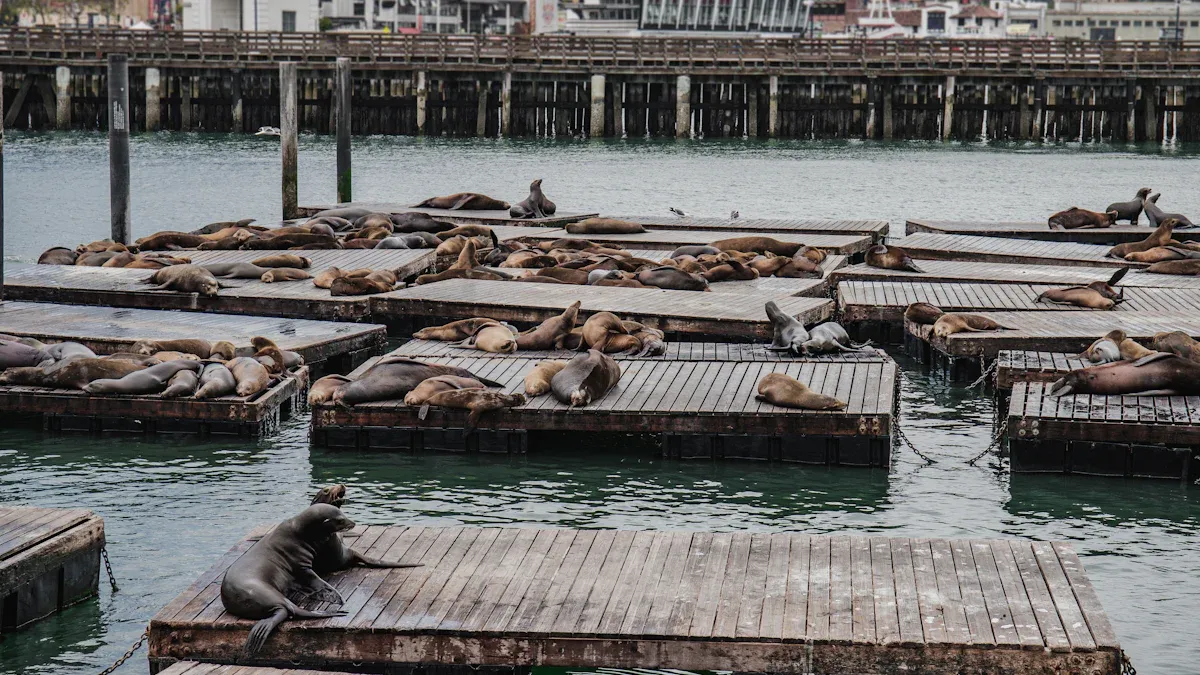
Imagine standing on a rocky shore, eager to see seals bask in the sun or playfully splashing in the waves. The thrill of seeing seals in their natural habitat is hard to beat! California is home to a diverse range of seal species, including the California sea lion and the northern elephant seal. In fact, the harbor seal population alone is estimated at around 32,699. As you embark on your adventure to see seals, remember to respect their space and keep a safe distance. Responsible viewing ensures these amazing creatures thrive for generations to come.
Key Takeaways
Visit during the breeding season from December to March for the best chance to see northern elephant seals and harbor seal pups.
Maintain a safe distance of at least 100 yards from seals to protect their well-being and avoid causing them stress.
Explore key locations like Point Reyes, La Jolla Cove, and Monterey Bay for unique seal watching experiences.
Prepare for hikes to viewing areas, as some trails can be about 4 miles roundtrip, enhancing your adventure.
Support conservation efforts by respecting wildlife and participating in educational programs at viewing sites.
Northern California
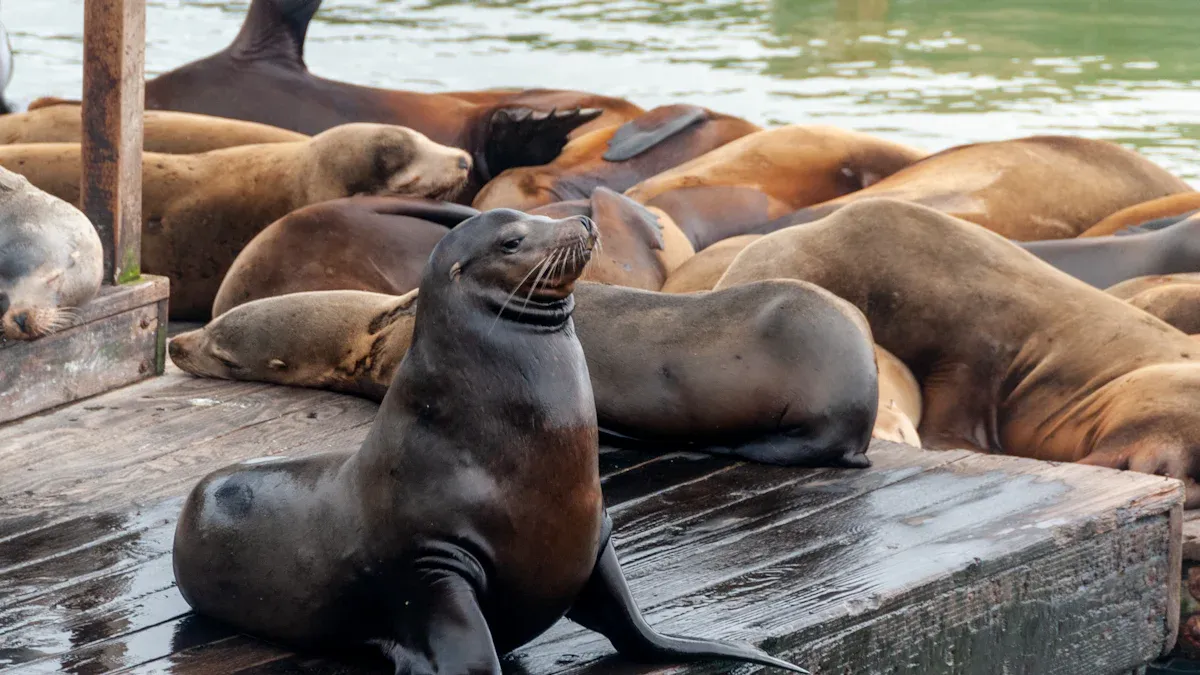
Point Reyes
Point Reyes National Seashore is a fantastic spot to see seals. You can often spot two main species here: the northern elephant seal and the harbor seal. The harbor seal, known for resting on rocks and beaches, is a significant indicator of a healthy marine ecosystem. In fact, Point Reyes boasts the largest population of harbor seals in California, with about 20% of the state’s harbor seals living or breeding within the park’s boundaries.
If you want to maximize your chances of seeing seals, plan your visit between December and March. This is the peak time for observing northern elephant seals during their birthing and mating season. Here are some key points to remember:
The population of elephant seals increases significantly during this period.
December marks the beginning of the pupping and breeding season, enhancing your chances of sightings.
In spring, you can see juveniles and adult females as they leave the water to molt.
San Simeon
San Simeon is another excellent location for seal watching. The Elephant Seal Viewing Area is a must-visit. Here, you can observe these magnificent creatures up close. The viewing area is accessible year-round, and it’s free to enter.
Feature | Description |
|---|---|
Wheelchair Accessibility | Platforms are wheelchair accessible, providing great views of the seals. |
Admission Fees | There are no admission fees for visitors. |
Year-Round Access | The viewing areas are open every day of the year from sunrise to sunset. |
Facilities | Benches and viewing walkways are available, enhancing the visitor experience. |
While you’re there, keep an eye out for the conservation efforts in place. The local community engages in various initiatives to protect these seals. You can learn about these efforts through the docent program, which educates visitors about elephant seals and their conservation.
Año Nuevo
Año Nuevo State Park is famous for its elephant seals. This park attracts thousands of visitors each year who come to see these incredible animals. The park offers a moderate walk to the viewing areas, where you can learn about the seals from trained volunteer docents.
During your visit, you might witness some unique behaviors. For instance, elephant seals fast during breeding, leading to intense competition among males. You’ll notice significant size differences between males and females, with males being over three times larger. Here are some fascinating facts about these seals:
Elephant seals can dive to depths of nearly 6,000 feet.
They can swim over 9,000 miles annually.
They can hold their breath for up to two hours.
As you explore Año Nuevo, remember that the breeding season is a time of intense activity. Males establish dominance through vocalizations and physical displays, making it an exciting time to visit.
Central California
Monterey Bay
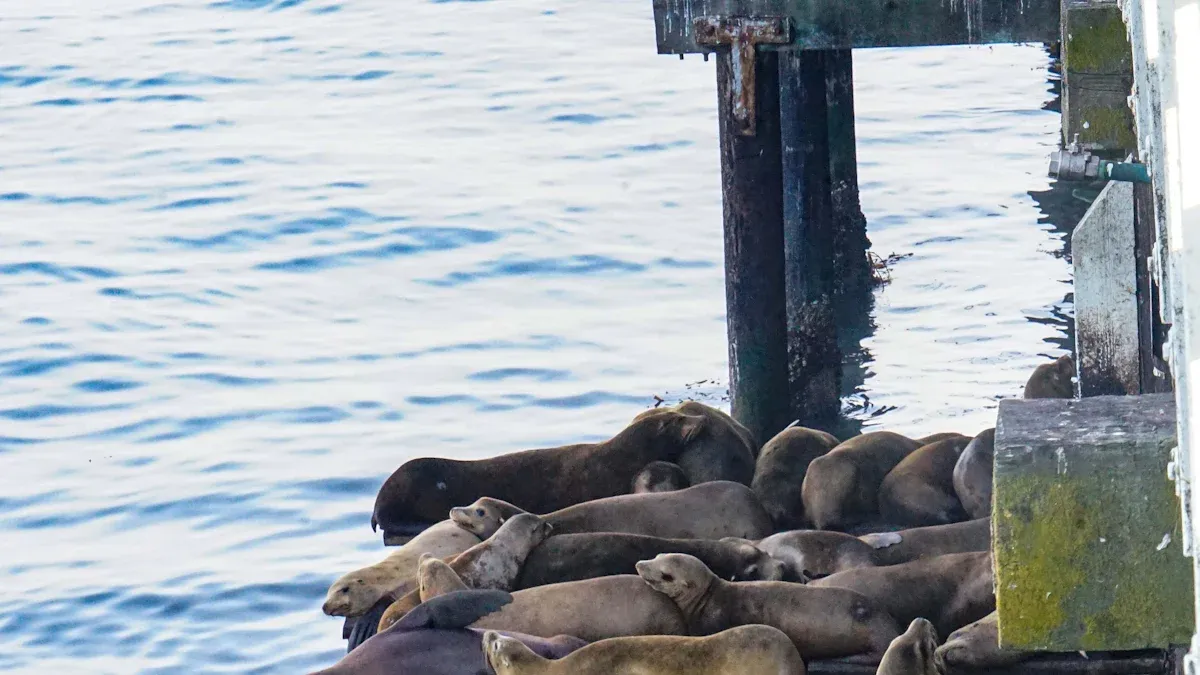
Monterey Bay is a treasure trove for seal enthusiasts. This vibrant marine ecosystem is home to various seal species, including the California sea lion, harbor seal, and northern elephant seal. You’ll often hear the playful barks of sea lions echoing from the shore during fall and winter.
Seal Species | Characteristics |
|---|---|
California Sea Lion | Common in fall and winter, often heard from shore. |
Harbor Seal | Frequently seen along rocky shores and in Elkhorn Slough. |
Northern Elephant Seal | Requires trips to breeding colonies to observe. |
The best time to visit is during the pupping season, which runs from December to March. This is when you can see mothers caring for their pups, making it an unforgettable experience. Local organizations, like Friends of the Elephant Seal, work hard to educate visitors about these magnificent creatures and promote conservation efforts.
Carpinteria Seal Sanctuary
Carpinteria Seal Sanctuary is another must-visit spot. This sanctuary is famous for its harbor seal rookery, where you can see seals in their natural environment. The sanctuary shines during the pupping season from January through May. You’ll witness adorable pups weighing between 8-20 pounds, learning to swim and interact with their mothers.
The sanctuary is easily accessible via the Coastal Vista Trail, which offers stunning views of the ocean.
Lookout points along the trail provide picturesque views of the harbor seals sunbathing on the shore.
Visiting Carpinteria gives you a chance to connect with nature while respecting the seals’ space. Remember to keep a safe distance and enjoy the beauty of these incredible animals as they thrive in their habitat.
Southern California
La Jolla Cove
La Jolla Cove is one of the best spots to see seals in Southern California. This picturesque location is famous for its sea lions, which you can often see lounging on the rocks or swimming just offshore. The vibrant marine life and stunning views make it a favorite among visitors.
During the pupping season from December to May, the Children’s Pool is a key location. Here, you can observe seal mothers caring for their adorable pups. If you prefer a quieter experience, check out Shell Beach, just a short walk from La Jolla Cove. It offers a more peaceful setting for seal watching.
When you visit La Jolla Cove, keep these tips in mind:
Viewing boardwalk: Use the boardwalk to get a great view of the seals without disturbing them.
Docents: Look for docents who are there to answer your questions about the seals and their habitat.
Restroom facilities: Be aware that there are no restrooms on-site; the nearest facilities are about 4 miles away.
Santa Monica Pier
Santa Monica Pier is another fantastic location for seal sightings. This iconic spot offers a lively atmosphere and plenty of activities. You can often see seals lounging on the pier or swimming nearby.
The pier also hosts educational programs about marine wildlife. Here are some of the offerings:
Program Type | Description |
|---|---|
Field Trips | Hands-on virtual learning and classroom enrichment with 2-hour field trips available Monday through Friday. |
Science Camp | Themed daily activities around marine science topics, including games, crafts, and laboratory experiences. |
Teacher Workshops | Professional development covering local watersheds, pollution prevention, and marine conservation. |
As you enjoy your time at the pier, remember to respect the seals. They are wild animals and deserve their space.
Tips to See Seals
Best Times to Visit
When planning your trip to see seals, timing is everything! The best months to visit vary depending on the species you want to observe. Here’s a quick overview of peak viewing times:
Month | Description |
|---|---|
December | Start of the pupping season for northern elephant seals. |
March | Peak time for harbor seal mothers nursing their pups. |
April | Young pups begin to explore the water with their mothers. |
September | The newest generation and juvenile seals arrive. |
October | The population on the beach hits another peak. |
During the pupping season, which runs from March to June, you’ll notice significant changes in seal behavior. Harbor seals spend more time onshore to nurse their pups, averaging around 10–12 hours per day. This is a crucial time for them, as mothers stay close to their pups, rarely leaving them alone.
Weather and tide conditions also play a role in seal visibility. For instance, calm conditions during high tides allow seals to rest safely on the beach. However, storms can disrupt their habitats and affect pup survival. Foggy weather can reduce visibility, making it harder to spot seals. So, keep an eye on the forecast before you head out!
Viewing Guidelines
To ensure a positive experience for both you and the seals, follow these responsible viewing guidelines:
Maintain a safe distance: Stay at least 100 yards away from seals, especially during sensitive periods like pup nursing. This helps avoid causing stress or abandonment.
Keep pets leashed: Pets can disturb wildlife and may even get hurt. Always keep them close to you.
Observe quietly: Loud noises can scare seals away. Enjoy the moment and keep your voice down.
Be aware of your surroundings: Watch for signs of distress in seals. If they seem agitated, it’s best to back away.
Understanding seal behavior can enhance your viewing experience. For example, harbor seals are more reserved and curious. If you act indifferent or try to swim away, you might pique their curiosity, encouraging them to come closer. Recognizing the physical differences between sea lions and harbor seals can also help you identify them during your observations.
Remember, disturbances can have serious consequences. Flushing events caused by human activities can interrupt seals’ resting and nursing behaviors. This leads to increased energy expenditure and potential declines in body condition and reproductive success. By respecting their space, you contribute to the health of these amazing creatures.
Enjoy your adventure and take the time to appreciate the beauty of seals in their natural habitat!
California offers incredible opportunities to see seals in their natural habitat. Key locations like Point Reyes, La Jolla Cove, and Monterey Bay provide unique experiences. To make the most of your visit, remember these tips:
Timing: Visit during the breeding season (December-March) or molting season (summer) for the best experience.
Reservations: Make reservations for guided tours during the breeding season to ensure access to viewing areas.
Preparation: Prepare for a hike, as the trail to viewing areas can be about 4 miles roundtrip.
Safety: Maintain a distance of at least 25 feet from the seals for safety.
Every March marks the start of the pupping season, with pups capable of swimming almost immediately, ensuring their survival in a dynamic coastal environment.
By respecting wildlife and supporting ethical tourism, you help protect seal populations and their habitats. So, plan your visit, enjoy the beauty of these amazing creatures, and create lasting memories in California’s stunning coastal landscapes! 🦭🌊
FAQ
What is the best time to see seals in California?
The best time to see seals varies by species. For northern elephant seals, visit from December to March during their breeding season. Harbor seals are most active from March to June when mothers nurse their pups.
Can I get close to the seals?
No, you should maintain a distance of at least 100 yards from seals. This distance helps protect them from stress and ensures their safety. Always respect their space while enjoying the view.
Are there guided tours available for seal watching?
Yes! Many locations offer guided tours, especially during the breeding season. These tours provide valuable insights into seal behavior and conservation efforts. Check local visitor centers for options.
What should I bring for a seal-watching trip?
Bring binoculars for a closer look, sunscreen, water, and snacks. Dress in layers, as coastal weather can change quickly. A camera is also great for capturing memories, but remember to keep your distance!
Are seals dangerous to humans?
Seals are generally not dangerous, but they are wild animals. Avoid approaching them, especially if they seem agitated. Respect their space to ensure a safe experience for both you and the seals. 🦭