Timing plays a crucial role when you plan a trip to Jamaica. If you want to avoid disappointments, consider these factors that contribute to the worst time to visit Jamaica:
The Atlantic hurricane season runs from June to November, with heightened risks in August and September.
May and October are typically the rainiest months, leading to increased rainfall.
The peak tourist season from mid-December to mid-April brings higher prices and crowded attractions.
Being aware of these elements can help you choose the best time for your visit.
Key Takeaways
Avoid visiting Jamaica from June to November due to hurricane season, especially in August and September when the risk is highest.
May and October are the rainiest months, which can disrupt outdoor activities and travel plans.
Traveling during peak tourist season (mid-December to mid-April) means higher prices and crowded attractions; consider the low season for better deals and fewer crowds.
Worst Time to Visit Jamaica
Hurricane Season
When planning your trip to Jamaica, you should pay close attention to the hurricane season. This period officially runs from June 1 to November 30. During these months, the risk of hurricanes increases significantly, especially in August and September.
Here’s a quick look at the hurricane season timeline:
Start Date | End Date |
|---|---|
June 1 | November 30 |
Hurricanes can impact Jamaica more frequently than you might think. In fact, historical data shows that the number of storms varies each month. Here’s a breakdown of how many storms typically occur:
Month | Number of Storms |
|---|---|
June | 3 |
July | 1 |
August | 17 |
September | 8 |
October | 18 |
November | 6 |
Overall | 53 |
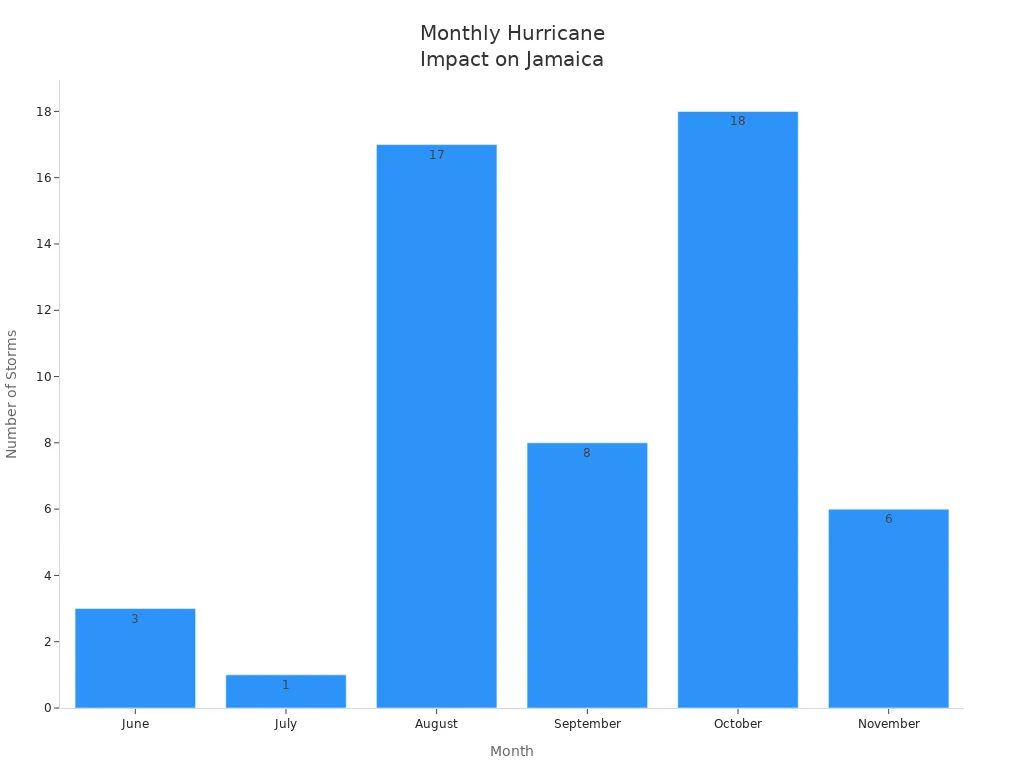
As you can see, August and October are particularly risky months. The chance of a hurricane approaching Jamaica is notably high during this time. In September, for instance, you face an eight percent chance of a hurricane coming within 100 miles of the island. This makes September one of the worst times to visit Jamaica.
September Concerns
September brings more than just hurricane threats. You should also be aware of various health and safety risks during this month. Here are some concerns to keep in mind:
Infectious Diseases: Diseases like Leptospirosis, Dengue, Zika, and Tuberculosis can pose risks, mainly through mosquito bites or contact with infected individuals.
Environmental Hazards: High temperatures and sun exposure can lead to sunburns, which are common year-round.
Food Safety Issues: Consuming raw or improperly prepared foods can lead to health problems. Be cautious with local delicacies like Ackee fruit and Ciguatera fish.
Natural Disasters: Jamaica is prone to earthquakes and hurricanes, with a history of significant storms impacting the region.
The combination of these factors makes September a particularly challenging month for travelers. The hurricane season peaks during this time, and the likelihood of severe weather events increases. You might want to reconsider your travel plans if you’re thinking about visiting Jamaica in September.
Rainy Months
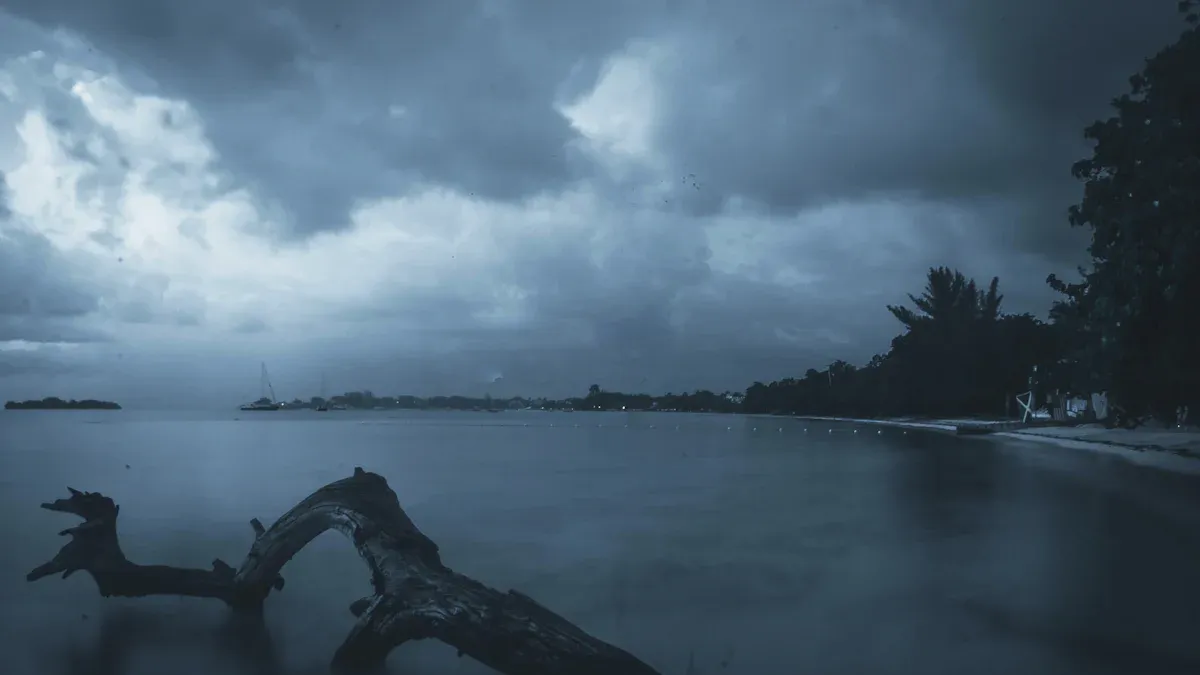
Jamaica’s tropical climate means you can expect some rain, especially during certain months. The rainy season typically runs from late April to October, with May and October being the wettest months. Here’s a quick breakdown of rainfall distribution across the year:
May: This month marks the start of the rainy season, with heavy downpours and thunderstorms.
June: Rainfall begins to taper off, but you can still expect occasional showers.
July: Generally drier, but some rain may still occur.
August: Rainfall increases again, often accompanied by humidity.
September: This month can be quite wet, with the potential for hurricanes.
October: The rain returns, making it one of the wettest months of the year.
Jamaica’s northern coast receives between 1,100 and 1,800 millimeters (43 and 70 inches) of rain annually, while the southern plains get about 800 mm (31.5 in). If you venture into the Blue Mountains, expect even more rain due to the elevation.
Tip: If you plan to visit during the rainy months, pack a light rain jacket and waterproof shoes. You’ll want to stay comfortable while exploring!
Impact on Activities
Rain can significantly affect your travel plans in Jamaica. Here are some ways it might impact your activities:
Outdoor Adventures: Rain can lead to muddy trails and slippery conditions, making hiking and other outdoor activities less enjoyable.
Beach Days: While you can still enjoy the beach, sudden downpours might interrupt your sunbathing or swimming plans.
Local Tours: Some tours may get canceled or modified due to weather conditions. Always check with your tour operator for updates.
Transportation: Heavy rain can lead to delays in transportation, affecting your travel schedule.
The effects of climate change also pose challenges for tourism in Jamaica. Extreme weather events, like Hurricane Beryl, have disrupted flights and accommodations, highlighting the sector’s vulnerability. According to experts, the destruction of nature reserves and tourist attractions due to climate change threatens eco-tourism, which contributes nearly 20% to Jamaica’s GDP.
So, if you’re considering the worst time to visit Jamaica, keep the rainy months in mind. You might want to plan your trip during the low season when the weather is more favorable for outdoor activities.
High Tourist Seasons
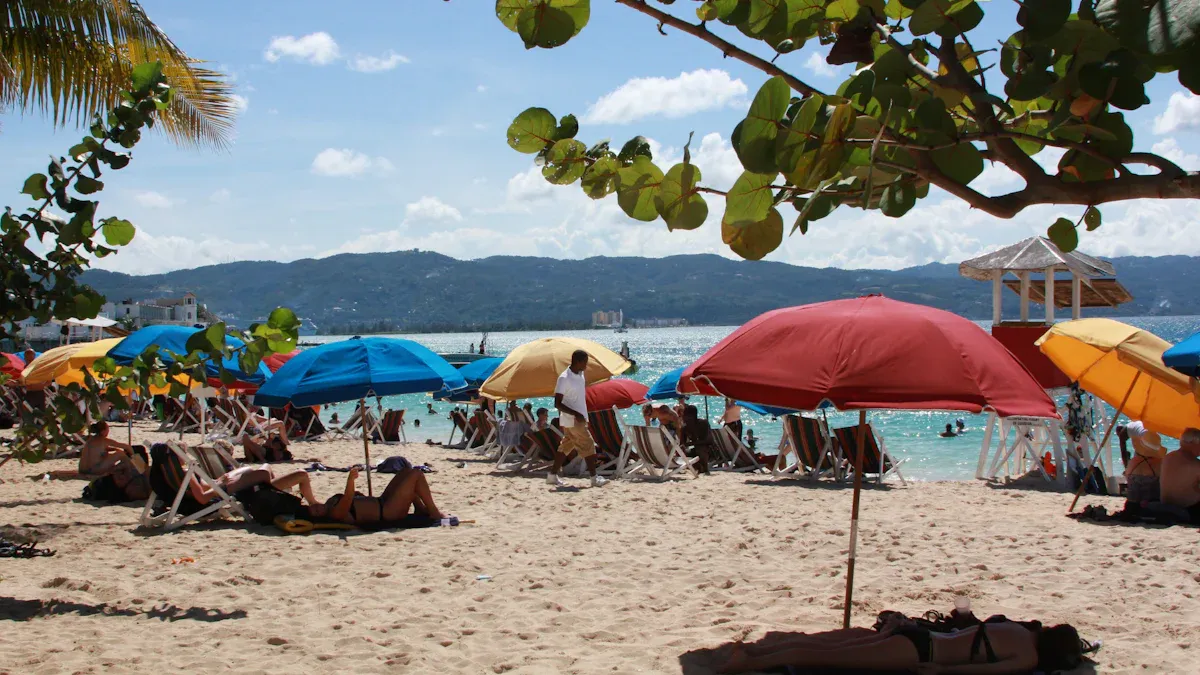
When you think about visiting Jamaica, you should consider the high tourist seasons. These times can bring both excitement and challenges. The peak tourist season runs from mid-December to mid-April. During this period, you’ll find warm temperatures, a vibrant atmosphere, and numerous events. However, it also means crowded resorts and higher prices. Here’s a quick overview of what to expect during high tourist seasons:
Season | Dates | Characteristics | Pros | Cons |
|---|---|---|---|---|
High Season | Mid-December to Mid-April | Warm temperatures, vibrant atmosphere, numerous events, higher prices, crowded resorts | Significant weather, vibrant atmosphere, numerous events | Crowded resorts, higher prices, overbooked accommodations |
You might notice that visitor numbers soar during these months. For instance, in the first three months of the year, Jamaica saw a nearly 100% increase in tourist arrivals compared to the previous year. This surge led to 1.18 million arrivals from January through March, marking a record high for the tourism sector.
Overcrowding Issues
While the lively atmosphere can be appealing, overcrowding can quickly become a downside. Tourists often report long immigration lines at Montego Bay Airport, sometimes exceeding an hour. You might also find crowded customs and baggage claim areas, making your arrival less enjoyable. Limited seating and dining options in departure areas can add to the frustration.
During peak seasons, you may face challenges like:
Long wait times at airports
Overbooked accommodations
Busy attractions with large crowds
These issues can detract from your experience, making it essential to plan ahead if you choose to visit during these busy times.
Economic Factors
The high tourist seasons significantly impact Jamaica’s economy. The tourism sector has become the largest source of foreign exchange earnings for the country. This growth leads to increased local participation and extended tourist stays, enhancing economic benefits.
Here’s how the visitor numbers and tourist expenditure have changed over the years:
Year | Visitor Numbers | Tourist Expenditure (US$) |
|---|---|---|
1954 | 191,303 | 28 million |
1968 | 396,347 | 87.8 million |
During high seasons, local businesses thrive. The tourism industry directly employs over 170,000 people and indirectly supports an estimated 350,000 jobs. This economic boost is vital for the community, especially when you consider that high tourist seasons coincide with favorable weather and holiday travel.
However, keep in mind that prices for hotels and flights rise significantly during these peak times. You might see costs increase by up to 50% compared to the low season, which runs from May to June and September to November. While the low season offers lower prices and less crowded conditions, it also coincides with the hurricane season, which can pose risks.
When planning your trip to Jamaica, timing is everything. You should consider the hurricane season, rainy months, and high tourist seasons. Understanding weather patterns helps you plan outdoor activities better. Plus, knowing about local events can enhance your experience. If you want to avoid crowds and save money, think about visiting during the low season.
FAQ
What is the best time to visit Jamaica?
The best time to visit Jamaica is from mid-December to mid-April when the weather is warm and dry.
Are there any health risks during hurricane season?
Yes, during hurricane season, you may face health risks like mosquito-borne diseases and food safety issues. Stay informed and take precautions.
How can I save money on my trip?
To save money, consider visiting during the low season (May to June, September to November) when prices drop and crowds thin out.