Railroads changed transportation in America. You could travel from New York City to Chicago in just two days by train, which made westward expansion possible for many Americans. The number of railroad tracks grew quickly:
Year | Railroad Track Mileage (miles) |
|---|---|
1830 | 39.8 |
1855 | 20,198.99 |
1880 | 87,801.42 |
Alfred A. Hart photographed scenes of settlers building homes and working along the Central Pacific Railroad.
A letter from Mormon settlers described their hard work growing crops and starting new lives.
Key Takeaways
Railroads revolutionized travel in America, allowing people to move across the country in days instead of months.
The transcontinental railroad opened vast lands for farming and settlement, transforming isolated areas into thriving communities.
Railroads connected diverse groups of settlers, including immigrants, fostering economic growth and cultural exchange in the West.
The expansion of railroads created new towns and industries, boosting commerce and agriculture while providing jobs and opportunities.
Railroad construction had significant environmental impacts, altering landscapes and disrupting Native American communities.
Railroads and Westward Expansion
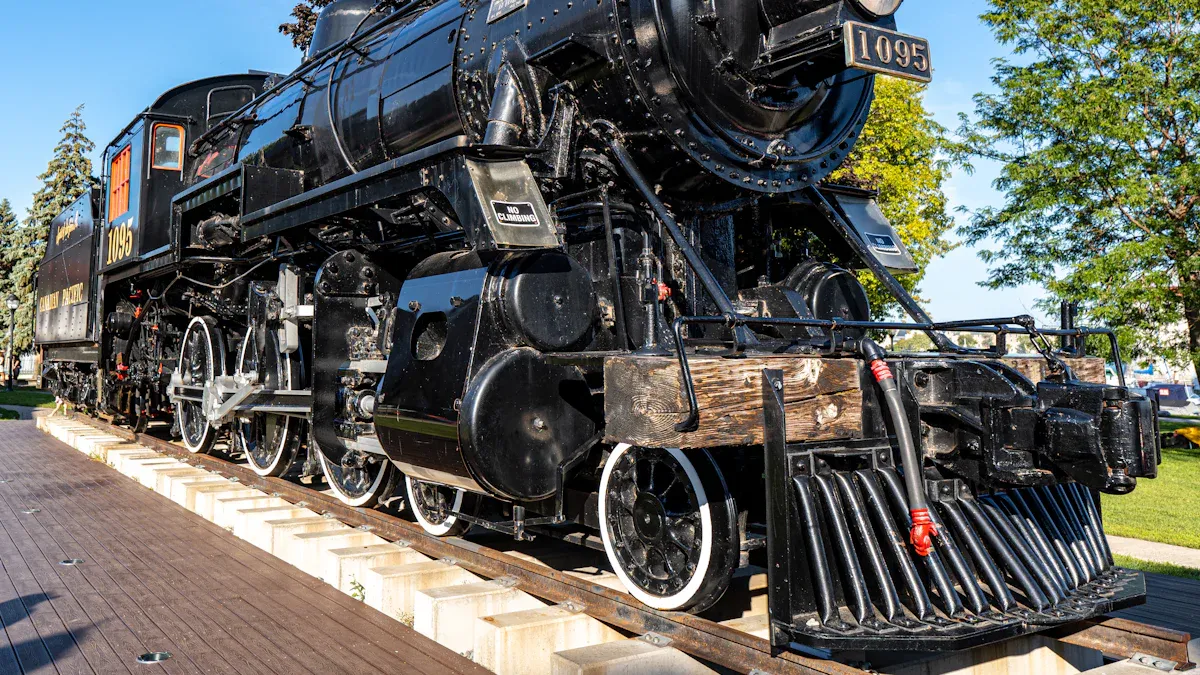
Transportation Revolution
You witnessed a dramatic change in transportation during the era of westward expansion. Railroads replaced slow, dangerous wagon journeys with fast, reliable travel. You could cross the country in days instead of months. This transportation revolution changed how Americans moved, settled, and built new lives.
The development of steam locomotives and improvements in railroad construction made travel safer and more efficient. You saw new roads of steel stretch across the landscape, connecting distant towns and cities. The speed of trains allowed you to reach places that once seemed impossible to visit.
The transportation revolution brought new opportunities for settlers and businesses. You could ship goods quickly and affordably. Farmers sent crops to markets far away. Merchants received supplies from the East. The railroad expansion created a network of transportation infrastructure that supported growth and development.
Key technological innovations fueled this revolution:
Innovation Type | Key Features and Impact |
|---|---|
Steam Engine Improvements | Increased power and efficiency, development of high-pressure boilers, transition to coal. |
Track and Locomotive Design | Evolution from iron to steel rails, introduction of air brakes, improvements in suspension systems. |
Railroad Expansion | Standardization of track gauge, emergence as dominant transportation form, facilitated rapid industrialization. |
Transcontinental Railroad | Linked eastern and western U.S., reduced travel time significantly, accelerated settlement. |
You saw the rise of transportation infrastructure as railroads became the backbone of American roads. The expansion of railroads made travel affordable and accessible for many Americans. You could buy a ticket and board a train, leaving behind the hardships of wagon roads and river crossings.
Opening the Frontier
The transcontinental railroad marked a turning point in American history. You watched as the ribbon of steel connected the East and West, making the frontier accessible to settlers, entrepreneurs, and families. The transportation revolution opened vast stretches of land for farming, ranching, and mining.
Before the railroad, crossing the continent was a risky and lengthy journey. With the new transportation infrastructure, you could travel from New York to California in less than a week. The railroad expansion transformed isolated towns into bustling centers of commerce and culture.
Over 13,000 Chinese laborers worked on the Central Pacific Railroad, making up most of the workforce.
The completion of the railroad connected cities and towns, encouraging immigration and settlement in the West.
The railroad transported $50 million worth of freight annually by the 1880s.
Transportation costs and travel expenses dropped by 85% due to the railroad’s efficiency.
You saw the government support railroad construction through laws like the Homestead Act and the Pacific Railway Act:
Legislation | Description | Impact on Railroads |
|---|---|---|
Homestead Act | Provided 160 acres of land to settlers for a nominal fee, requiring them to improve the land. | Encouraged settlement in western territories, increasing demand for railroads to transport settlers. |
Pacific Railway Act | Commissioned the construction of railroads and provided land grants and financial assistance. | Facilitated the construction of the transcontinental railroad, connecting the East and West. |
You experienced the challenges of railroad construction, including snow-covered mountains, steep canyons, and environmental concerns. Despite these obstacles, the transportation revolution continued. The roads of steel united Americans from coast to coast.
The transcontinental railroad embodied the spirit of manifest destiny. You saw Americans pursue new opportunities, believing they had a right to expand across the continent. The railroad fostered national unity by linking distant regions and creating a shared identity.
The transcontinental railroad served as a technological symbol of manifest destiny and economic growth.
It unified the country by connecting distant regions, reinforcing a sense of national identity.
The railroad facilitated westward expansion, a key part of manifest destiny.
It intensified economic interactions between the East and West, promoting national unity.
The completion of the railroad marked America’s ambition to become a world leader.
You watched the transportation revolution transform the relationship between eastern and western regions. Goods and passengers traveled quickly, making farming, ranching, and mining profitable in the West. The railroad changed the frontier from a barren land into a productive region.
The expansion of railroads allowed you to move goods and people across vast distances. Rail networks connected cities, towns, and remote areas, making daily commuting and large-scale trade possible. The roads of steel shaped the development of the American West and helped Americans build a new future.
Migration and the Frontier
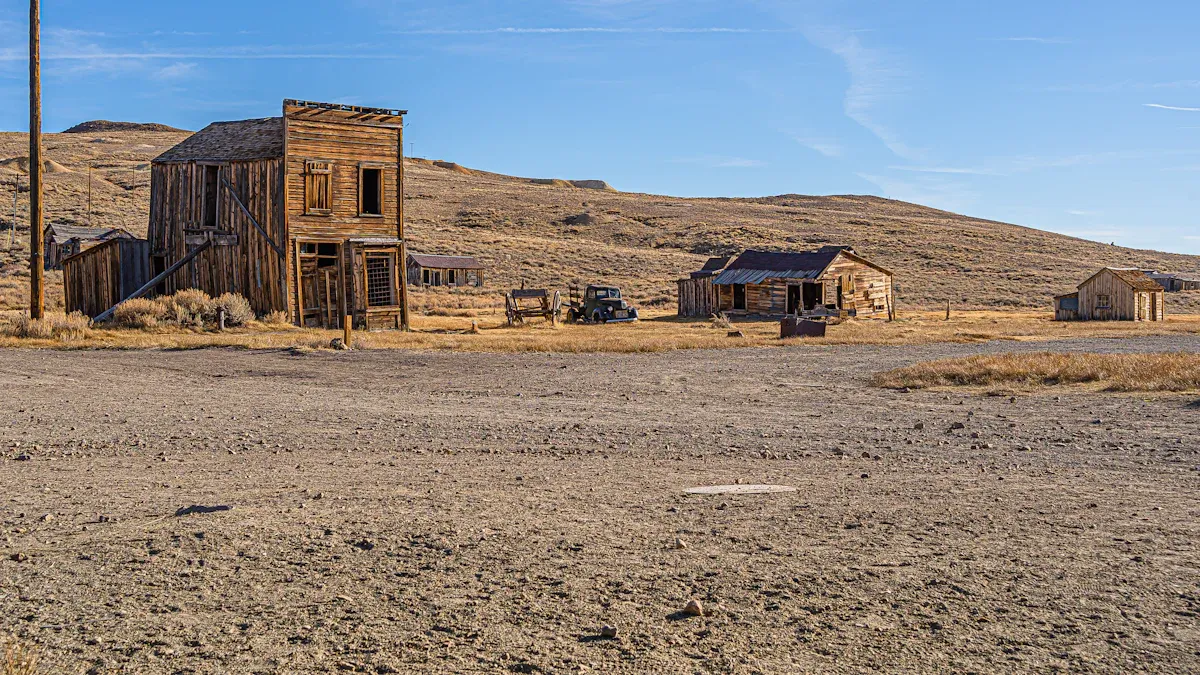
Who Moved West
You saw many different groups move west during the era of westward expansion. The new transportation infrastructure, especially the railroads, made this possible. People from across the United States and from other countries traveled to the frontier. You could find families, single men, and even entire communities making the journey.
The railroads attracted a wide range of settlers. Many European immigrants came to seek land and new opportunities. Irish immigrants worked on the Union Pacific railroad, while Chinese immigrants played a key role in building the Central Pacific railroad. The promise of land and a fresh start drew these groups to the West.
Demographic Group | Reason for Migration |
|---|---|
European immigrants | Seeking land and economic opportunities |
Irish immigrants | Worked on the Union Pacific railroad |
Chinese immigrants | Worked on the Central Pacific railroad |
The Transcontinental Railroad made travel to the West faster, safer, and more affordable. You could join a larger and more diverse group of settlers, including many from Europe. The Chinese and Irish immigrants helped build the railroad, which opened the way for even more people to move west.
You watched as the population of the frontier grew quickly. The Burlingame Treaty of 1868 led to a rise in Chinese immigration. Over 12,000 Chinese workers joined the Central Pacific railroad, making up more than 90% of its workforce. The labor shortage in the 1860s meant that railroad companies hired workers from many backgrounds, even when laws and discrimination made it difficult.
Railroads Shaping Decisions
You noticed that railroads did more than just move people. They shaped where and how people settled. Railroad companies received land grants from the government. These companies sold land to settlers and advertised the benefits of moving west. You could buy land near the tracks and start a new life.
The transformation of the Plains showed the power of this system. Kansas grew from about 10,000 farms in 1860 to 239,000 by 1880. This growth happened because railroads and land grants made it easier for you to reach and settle in the West. The companies built roads and stations, turning empty land into busy towns.
You saw that railroads offered more than transportation. They gave you access to markets and supplies. Farmers near Colfax, Washington, wanted railroads because they needed a way to sell crops and buy goods. One woman wrote that a railroad connection would bring big profits. The arrival of railroads let you send perishable goods to distant cities and buy modern products from far away.
Farmers in new areas needed transportation to succeed.
Families moved west for the chance to earn more money and improve their lives.
Railroads brought goods and services that made life on the frontier easier.
Railroads transformed the West by naming and renaming places. You saw new towns appear along the tracks, often named by railroad builders. This helped create a sense of place and encouraged more settlement in the west.
Railroads also changed the makeup of communities. The presence of transportation routes led to the growth of immigrant neighborhoods. The roads of steel connected people from different backgrounds. You could see Chinese, Irish, and European immigrants living and working together in new towns. The expansion of railroads and steam locomotives brought people to places like California, where they built farms, ranches, and cities.
The idea of manifest destiny inspired many Americans to move west. You believed that the nation should stretch from coast to coast. Railroads made this dream possible by providing the infrastructure needed for expansion and development. The roads of steel turned the frontier into a land of opportunity.
Railroads and the Economy
New Towns and Industries
You saw new towns appear almost overnight along the roads of steel. Railroads connected the East to the Plains and the West, making it possible for farmers, miners, and entrepreneurs to reach new land. Land grants and government support encouraged settlement, so you found many communities springing up at railroad stops. These towns grew quickly because people wanted to take advantage of economic opportunities.
Railroads brought immigrants who built homes, stores, and schools.
New industries developed near the tracks, including timber, mining, and steel.
The roads allowed you to ship goods and receive supplies, which helped towns grow.
You noticed that the expansion of transportation infrastructure led to the rise of local industries. The travel and vacation industry also grew as people could now visit places like California with ease. Railroads made it possible for you to move goods and people, which opened new markets and increased demand for supporting industries.
Railroads were also needed in the West to provide better postal service, as had been developed in the East, by designating railroad lines ‘post roads’ in 1838.
Commerce and Agriculture
You watched as railroads transformed commerce and agriculture in the West. The roads connected farmers to national markets, so you could ship wheat and cattle to eastern cities. The establishment of bonanza farms and the use of machines like the McCormick reaper made large-scale farming possible. Railroads also helped related industries, such as timber and mining, which supported agricultural production.
Railroads made it easier to move goods and resources between the East and West.
You could send crops and cattle to distant markets and receive manufactured goods in return.
The roads allowed Western farmers to expand their operations and focus on selling crops.
From 1850 to 1870, the expansion of railroad networks increased market access for counties. This led to economic growth and a rise in wealth for some, especially the top 10%. The construction of roads coincided with a global increase in grain prices, so American farmers could meet rising demand in Europe. The expansion of railroads strengthened the economic and political position of Western states during westward expansion.
Social Change and Controversy
Native American Impact
You saw railroads bring big changes to the lives of Native Americans. The roads of steel crossed their lands and disrupted their way of life. When the transcontinental railroad opened, settlers moved west faster than ever before. This led to new towns and more people competing for land and resources.
The railroad crossed hunting grounds and sacred sites, making it hard for Native Americans to keep their traditions.
Many Native communities lost their homes as settlers took land without asking.
Conflicts grew between Native Americans and settlers. These fights sometimes led to tragic events, like the Bear River and Sand Creek Massacres.
The arrival of trains caused the bison population to drop quickly. Bison were important for food, clothing, and culture.
You watched as the railroad changed the balance of power. Native Americans faced cultural disruption and lost access to the land that supported their way of life. The push for westward expansion brought new challenges and struggles for these communities.
The railroad made travel from Iowa to California much easier, but it also started conflicts with Native Americans as settlers moved onto their lands.
Environmental Effects
You noticed that railroad construction changed the environment in many ways. Workers built tracks through forests, prairies, and mountains. This divided habitats and made it hard for wildlife to survive.
Forests shrank as people cleared land for tracks and towns. Forest cover dropped from about 1.05 billion acres in 1630 to 758 million acres by 1907.
The bison population fell from around 30 million to only about 325 by 1884. Mass hunting and habitat loss caused this sharp decline.
Railroads split ecosystems, making it difficult for animals to move and find food.
You saw that the roads of steel helped people settle new areas, but they also caused lasting damage to nature. The loss of forests and wildlife changed the landscape of the West. The push for railroad expansion brought both progress and controversy to the American frontier.
You saw how the transportation revolution, led by railroads, changed the American West. Railroads made travel easier and cheaper, turning small towns into centers of commerce and social life. You watched new industries grow, cities expand, and communities build schools and homes with materials brought by train.
Railroads created jobs, shaped modern business, and connected distant regions.
They also brought controversy, causing environmental changes and sparking debates about greed and fairness.
You can see that railroads left a complex legacy, shaping the nation’s identity and future.
FAQ
What made the Erie Canal important before railroads?
You saw the Erie Canal serve as a major internal transportation route. It connected the Atlantic Ocean to the Great Lakes. The canal helped move goods and people. Before railroads, it played a key role in transportation improvements and supported the market revolution.
What opportunities in the west did railroads create?
You found new opportunities in the west because railroads made travel easier. You could buy land, start farms, or open businesses. Railroads brought supplies and people to new towns. They helped you reach places like California and build a new life.
What role did transportation routes play in westward expansion?
You used transportation routes to move west. Railroads, canals, and roads connected distant places. These routes made it possible for you to settle new areas. You could reach California quickly and send goods to markets far away.
What was the market revolution and how did railroads affect it?
You experienced the market revolution when new transportation improvements changed how you bought and sold goods. Railroads let you ship products faster and farther. This growth in trade and business helped shape the American economy.
What impact did the Erie Canal have compared to railroads?
You saw the Erie Canal boost trade and settlement in the early 1800s. When railroads arrived, they moved goods and people even faster. Railroads replaced the canal as the main way to travel and ship products across the country.